

I still remember the first time I stood in a hallway of a historic home and thought about how every chair, every rug, and every drape had been chosen on purpose. That feeling comes back every single time I read about white house interior design. It is not just decorating. It is storytelling through fabric, wood, paint, and light. And once you start paying attention to it, you cannot unsee the details.
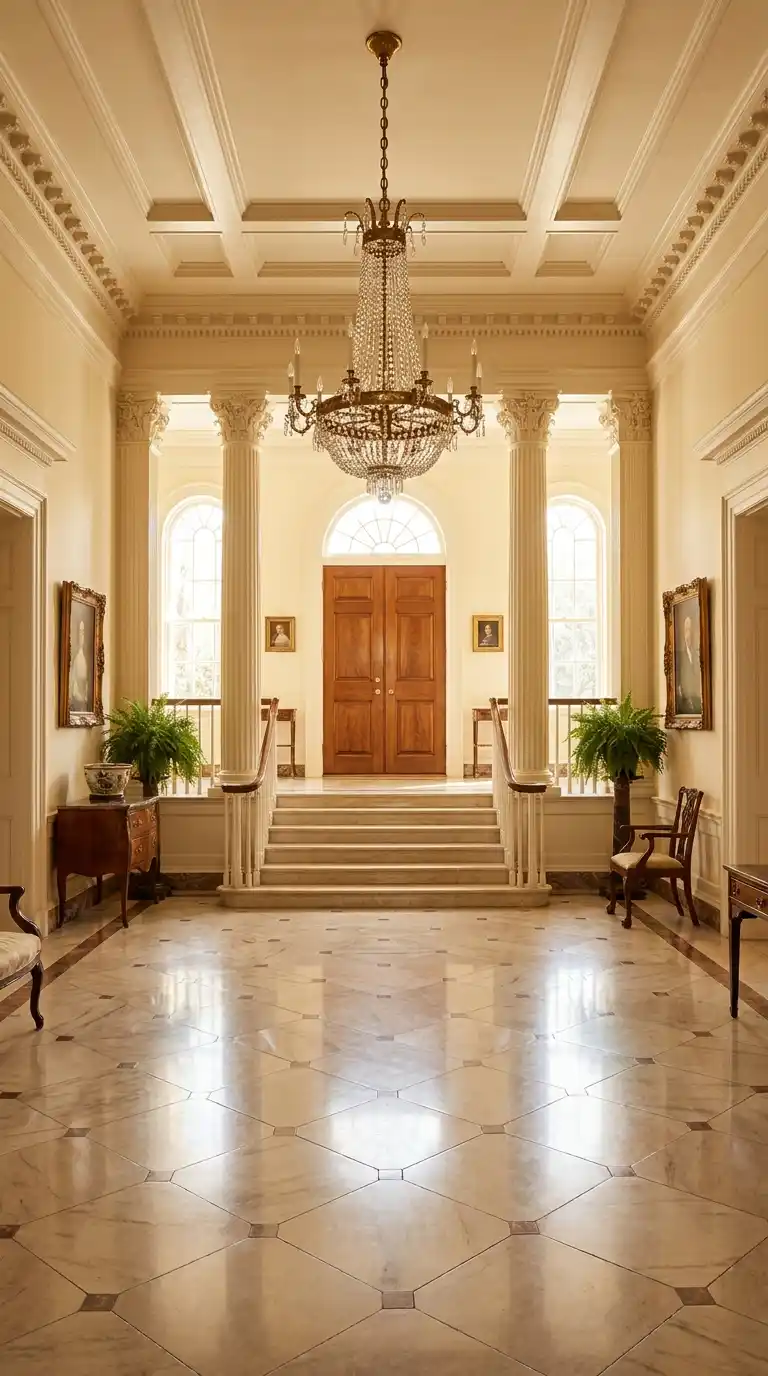
This article is my attempt to walk you through the entire world of white house interior design, room by room, era by era, and idea by idea. I have tried to write it the way I would explain it to a friend over coffee, not the way a textbook would explain it to a student. So grab a cup of something warm and let us get into it.
What Makes White House Interior Design So Fascinating
There is something magnetic about white house interior design that pulls people in even if they have never set foot inside the building. Maybe it is because the house belongs, in a strange way, to every American citizen. Maybe it is because each new family that moves in gets to leave a little bit of their personality behind while still respecting almost two hundred years of history.
White house interior design sits at a strange crossroads. On one side, you have tradition, history, and the weight of past presidents. On the other side, you have the taste, personality, and priorities of whoever is currently living there. That tension is what makes the topic so rich to explore.
When people search for white house interior design, they are usually looking for one of three things. They want to know the history of the rooms. They want to know how the rooms look today. Or they want inspiration they can borrow for their own home. I am going to cover all three angles in this piece, so no matter why you clicked on this article, you should walk away satisfied.
Also Read : How to Design a Functional Entryway That Makes Every Guest Feel Instantly at Home
A Brief History of White House Interior Design
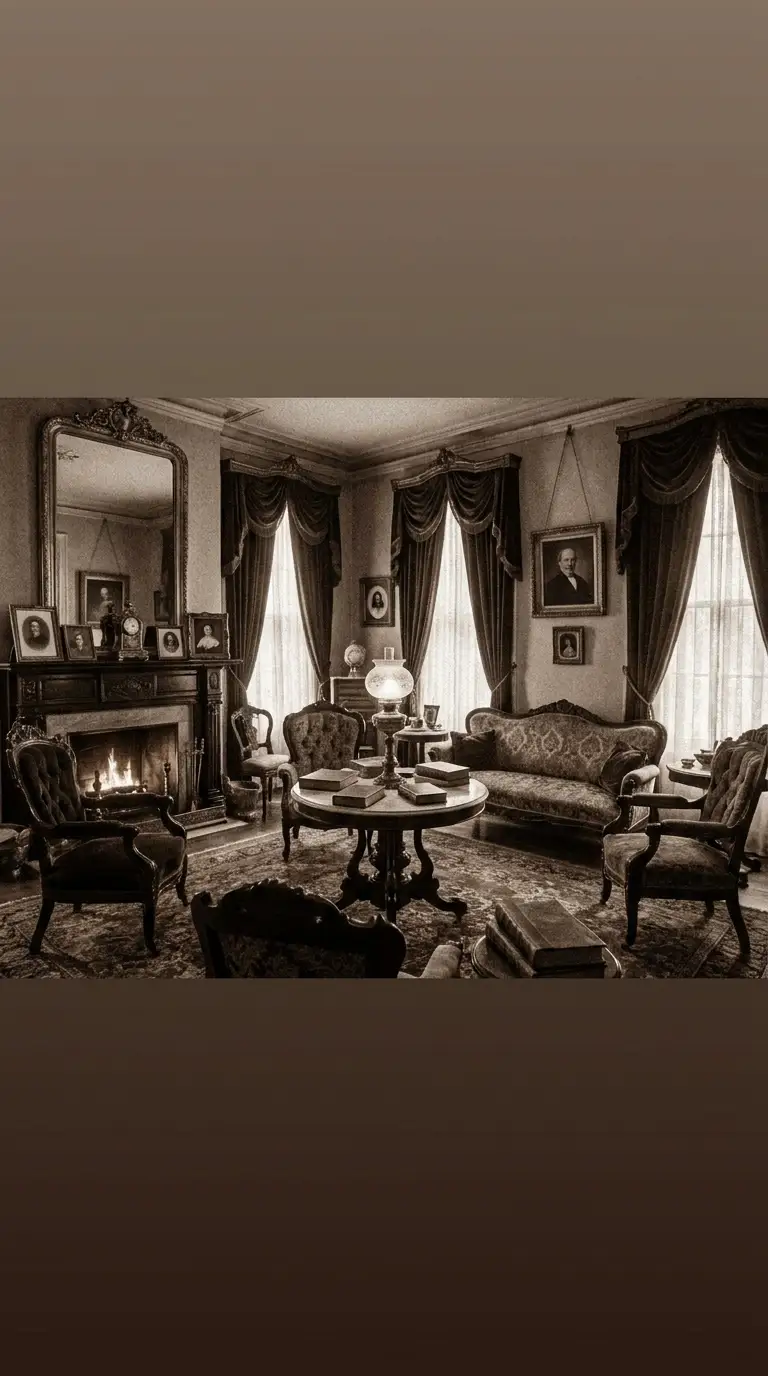
Long before Instagram moodboards and Pinterest boards existed, the White House already had its own design story unfolding. Construction on the building began in the late 1700s, and from the very start, interior choices were tied to politics, budget, and available materials.
Early white house interior design was fairly modest compared to what we see today. The building was still being finished when John Adams moved in, and there was barely enough furniture to fill the rooms properly. Abigail Adams famously used the unfinished East Room to hang laundry, which is a funny image when you think about how grand that same room looks now.
Over the decades, white house interior design evolved with the country itself. Each administration brought new furniture, new wallpaper, new color choices, and sometimes entirely new structural changes. Fires, renovations, and wars all left their mark on the building, and each time it was rebuilt or repaired, the interior design shifted a little bit to reflect the era.
By the time you reach the twentieth century, white house interior design had become something the public actively cared about. Newspapers wrote about redecorating projects. People wanted to know what color the curtains were in the Blue Room or what kind of wood the new desk in the Oval Office was made from. The house had become a stage, and the design of that stage mattered to millions of people.
The East Room: Grand Entertaining and Timeless White House Interior Design
If you ask most people to picture a room from the White House, there is a good chance they are picturing the East Room without even knowing its name. This space has hosted state dinners, weddings, funerals, and press conferences. It is arguably the most photographed room in the entire building.
The white house interior design of the East Room leans heavily into elegance without feeling stuffy. Tall windows let in soft natural light during the day, and at night the room glows thanks to enormous chandeliers hanging from the ceiling. The walls are typically a soft, warm white, which allows the gold accents and dark wood floors to stand out even more.
What I personally find interesting about the East Room is how flexible it has to be. One week it might be set up for a formal state dinner with long tables and fine china. The next week it might be cleared out entirely for a press conference with rows of chairs. Good white house interior design in a space like this has to think about function just as much as beauty.
Furniture in the East Room is often moved in and out depending on the event, but the bones of the room stay consistent. Classic moldings, historic portraits on the walls, and a color palette that never goes out of style all combine to create a space that feels timeless no matter which decade you look at.
Read Also : How to Design the Perfect Grey and Beige Lounge That Feels Like Home
The State Dining Room: Where White House Interior Design Meets Culinary Elegance
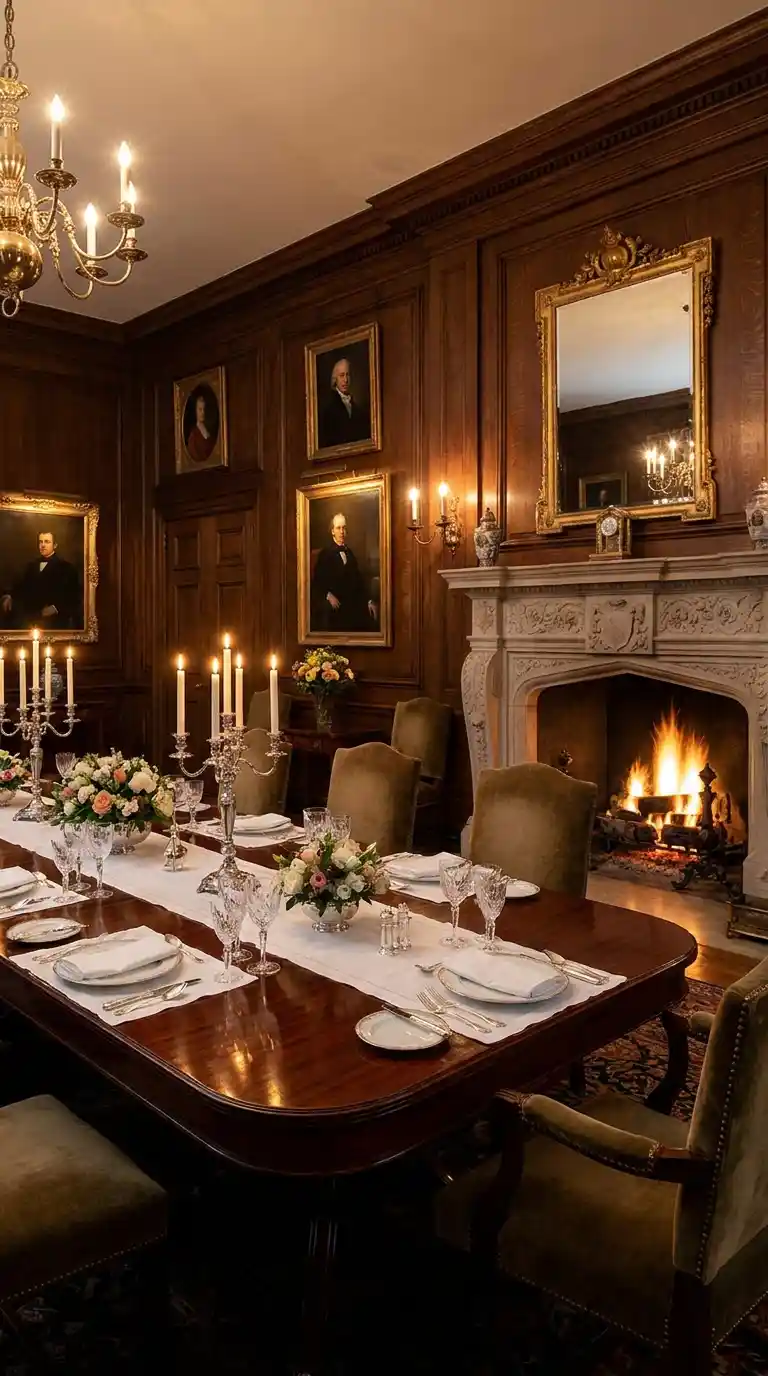
Right next to the East Room sits the State Dining Room, another space where white house interior design really gets to shine. This is where presidents host formal dinners for foreign leaders, dignitaries, and special guests.
The room itself is dominated by a massive dining table that can be extended to seat well over a hundred guests when needed. Around that table, the walls are lined with dark wood paneling that gives the space a warm, almost cozy feeling despite its large size. A large fireplace sits at one end of the room, adding both function and visual weight.
One detail that always stands out to me in photographs of the State Dining Room is the lighting. Soft, warm light bounces off the wood paneling and the polished silverware on the table, creating an atmosphere that feels formal but never cold. That balance is honestly one of the hardest things to achieve in interior design, and the fact that it has been pulled off so consistently over the years says a lot about the thought that goes into white house interior design decisions.
Portraits of past presidents often hang in this room as well, reminding guests that they are dining in a space with serious historical weight. It is a room designed to impress, but also a room designed to make people feel like they are part of something bigger than themselves.
The Blue Room: The Heart of White House Interior Design
The Blue Room is often described as the heart of the house, and once you learn a bit about it, that description makes a lot of sense. It is an oval shaped room located on the ground floor, and it has been used for everything from receiving foreign dignitaries to hosting Christmas trees during the holiday season.
True to its name, the color blue has dominated this room for most of its history, although the exact shade and pattern have changed many times depending on the tastes of whichever family was living there. Some versions have leaned into deep navy tones, while others have gone for a softer, more powdery blue.
What makes the Blue Room such a perfect example of white house interior design is its shape. The oval walls create a natural flow that guides guests around the room, almost like a gentle invitation to keep circulating and mingling. Furniture placement in an oval room is genuinely tricky, and the way designers have solved that puzzle over the decades is worth studying if you are interested in space planning.
Gold accents, French inspired furniture, and rich fabrics all show up in most versions of this room’s design. It manages to feel both elegant and welcoming at the same time, which is a difficult balance to strike in any home, let alone one as historically significant as this.
The Red Room: Bold Choices in White House Interior Design
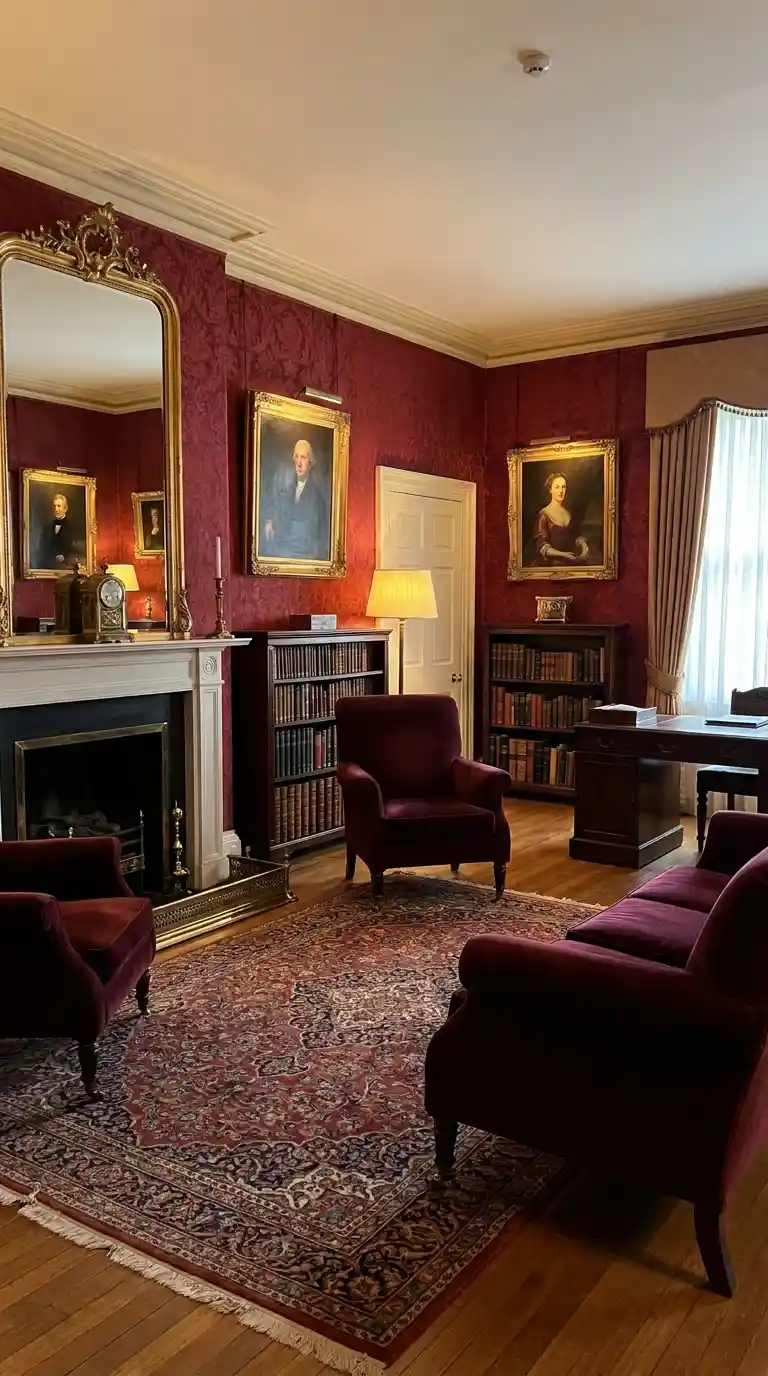
Not every room in the house plays it safe, and the Red Room is proof of that. As the name suggests, red is the star color here, and it has been used in bold, confident ways throughout the years.
The Red Room has traditionally served as a parlor, a place for smaller, more intimate gatherings compared to the grand scale of the East Room. Red fabric on the walls, red upholstered furniture, and warm wood tones combine to create a cozy, almost intimate atmosphere despite the room’s formal purpose.
I think the Red Room is a great reminder that white house interior design does not always have to whisper. Sometimes it is allowed to speak up. A confident color choice like deep red, when balanced correctly with neutral tones and classic furniture shapes, can create a space that feels rich and inviting rather than overwhelming.
Various First Ladies have put their own stamp on this room over the years, adjusting the exact shade of red, the pattern on the walls, and the style of furniture. But the core identity of the space, bold and warm, has remained consistent through most of its history.
The Green Room: Subtle Sophistication in White House Interior Design
Sitting between the bold Red Room and the calming Blue Room, the Green Room offers its own personality entirely. This space has historically been used as a sitting room, a place for smaller meetings and quieter conversations.
Green, as a color choice, tends to read as calm and grounded, and that energy comes through clearly in this room’s design. Soft green fabrics on the walls, paired with classic Federal style furniture, create a space that feels refined without trying too hard.
What I appreciate about the Green Room, when I study photographs and descriptions of it, is how it proves that white house interior design does not always need dramatic gestures to be effective. Sometimes a quiet, well balanced room says just as much about taste and history as a bold, colorful one does.
Over time, the exact shade of green and the furniture arrangement have shifted slightly with each administration, but the overall feeling of calm sophistication has stayed remarkably consistent.
The Oval Office: Presidential White House Interior Design Through the Decades
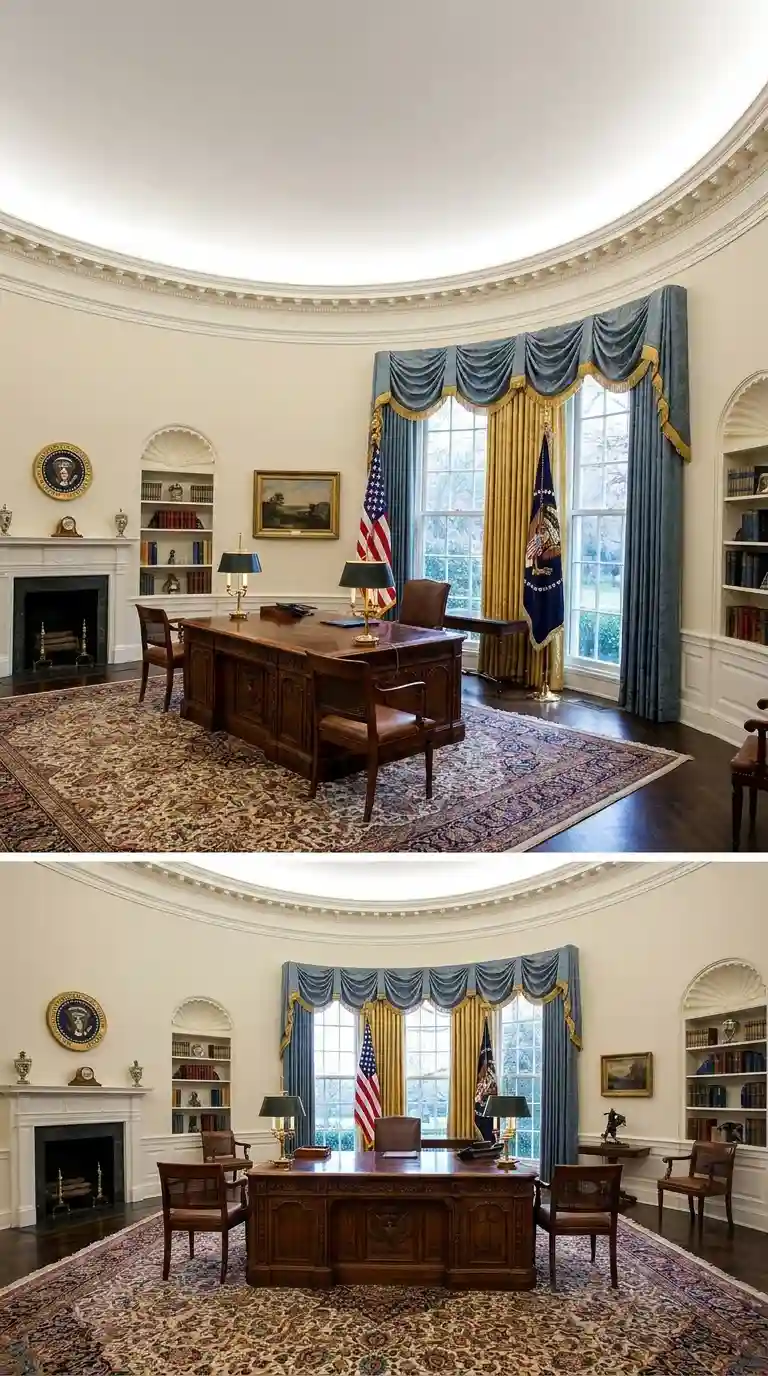
No discussion of white house interior design would be complete without spending real time on the Oval Office. This is arguably the most symbolically loaded room in the entire building, since it is where major decisions affecting the entire country are made.
Each president has the opportunity to redesign the Oval Office to reflect their own personality, and the differences between administrations can be striking. Some presidents have chosen dark, traditional wood furniture and deep colored rugs. Others have opted for lighter tones and more contemporary touches.
The desk itself often becomes a major talking point. The Resolute Desk, made from the timbers of a British ship, has been used by many presidents over the years and carries its own fascinating history. Around that desk, curtains, rugs, and seating arrangements all get adjusted to fit the vision of whoever is currently in office.
I find it genuinely interesting how much attention the public pays to Oval Office redesigns. Every time a new administration updates the room, news outlets cover the changes in detail. People analyze the color of the rug, the artwork on the walls, and the arrangement of furniture as if it might reveal something about the president’s priorities. In a way, that scrutiny proves just how powerful white house interior design can be as a form of communication.
The Lincoln Bedroom: Historic Charm in White House Interior Design
Named after Abraham Lincoln, though he never actually slept there as a bedroom during his own presidency, the Lincoln Bedroom carries a special kind of historic weight. Today it serves as a guest room, often reserved for close friends and family of the current president.
The white house interior design in this room leans heavily into nineteenth century style, with a large, ornate bed frame, period appropriate furniture, and rich, dark fabrics. Historical documents and artifacts connected to Lincoln’s presidency are often displayed nearby, turning the room into something close to a small museum as well as a functional bedroom.
What strikes me about this space is how it manages to feel lived in despite its museum like qualities. Guests actually sleep here. They actually use the furniture. That blending of function and history is a theme that runs through almost every room in the house, but it feels especially strong in the Lincoln Bedroom.
The White House Interior Design Style Guide: Colors, Fabrics, and Furniture
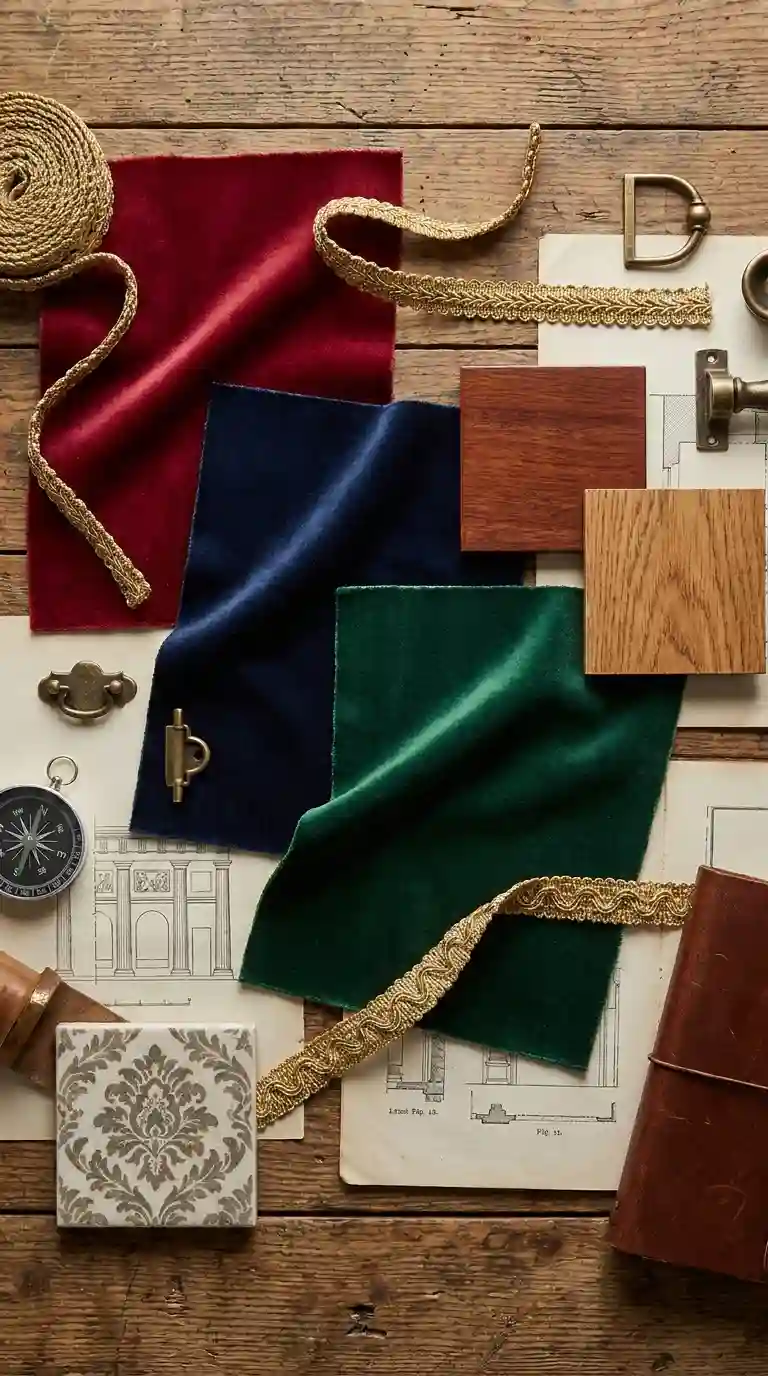
If you zoom out and look at the entire building as one connected design project, a few consistent patterns start to emerge in white house interior design.
Color Choices That Define the Look
Colors throughout the house tend to lean toward rich, saturated tones balanced by plenty of white and gold. Deep reds, calming blues, soft greens, and warm neutrals show up again and again across different rooms. These colors were not chosen randomly. Each one was selected to match the purpose and mood of the specific room it belongs to.
Fabric and Texture Choices
Silk, velvet, and heavy brocade fabrics appear throughout the house, particularly in curtains and upholstered furniture. These textures add depth and a sense of luxury without needing to rely on flashy patterns. Texture, more than color, often does the heavy lifting in making a formal room feel warm rather than cold.
Furniture Styles Across the Building
Federal style and French inspired furniture pieces dominate most of the historic rooms, featuring curved legs, carved wood details, and classic proportions. This furniture style has stood the test of time precisely because it does not chase trends. It focuses on craftsmanship and balance instead.
Iconic Designers Behind White House Interior Design
Several talented designers have left their mark on the building over the decades. While the president and First Lady typically make final decisions, they almost always work closely with professional designers who understand the history and constraints of the space.
Some of these collaborations became famous in their own right. Certain redesign projects were covered extensively in magazines and newspapers, turning the designers involved into household names, at least for a period of time. Working on white house interior design is not like working on a typical client project. Every choice has to consider historical preservation rules, security requirements, and public opinion, all at the same time.
I think it takes a special kind of skill to design within that many constraints and still produce something beautiful. It is one thing to have full creative freedom in a private home. It is another thing entirely to create stunning, functional spaces while answering to historians, security teams, and millions of curious citizens.
How First Ladies Shaped White House Interior Design
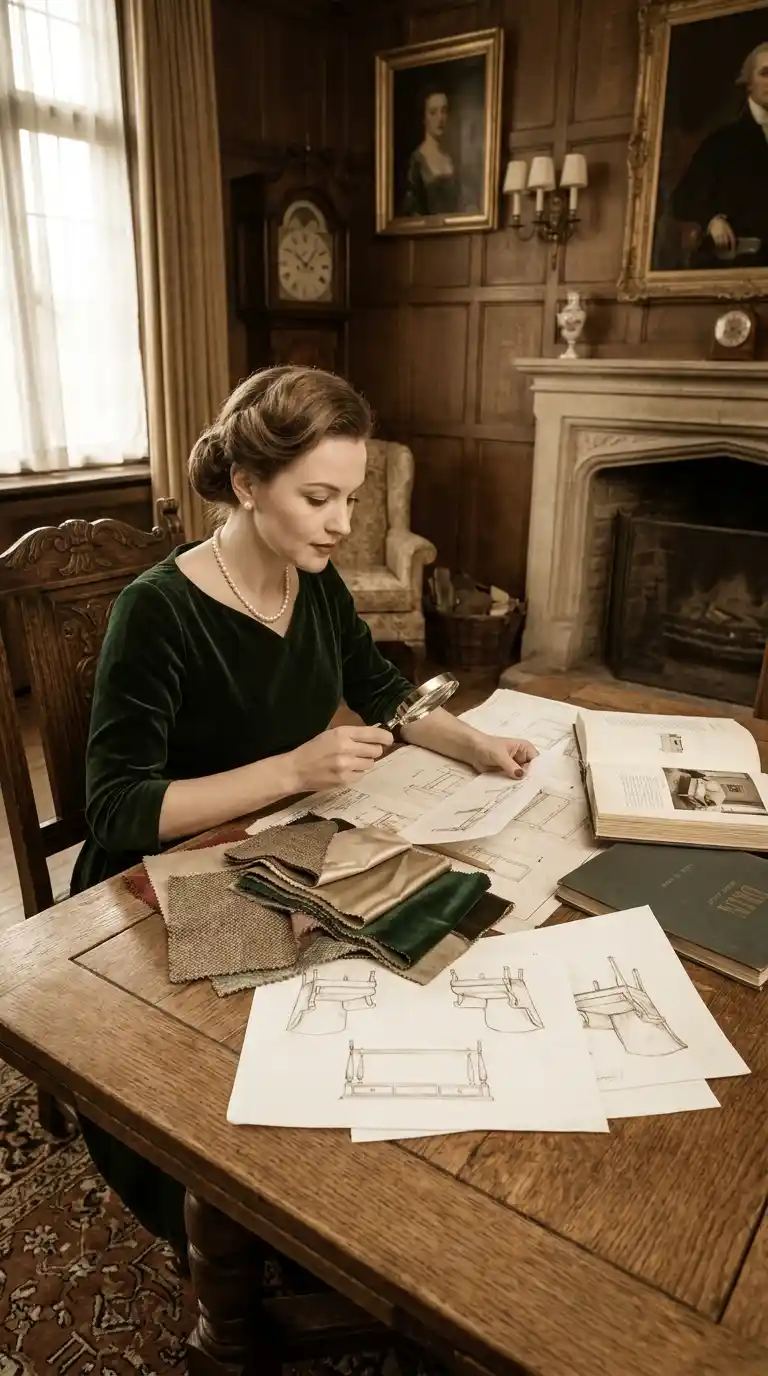
Throughout history, First Ladies have often taken the lead on interior design decisions, and their individual tastes have left lasting marks on the building. Some focused on historical preservation, working to restore rooms to their original appearance using period appropriate furniture and fabrics. Others focused on modernization, bringing in more contemporary touches to make the spaces feel current and comfortable for their families.
This pattern of First Ladies shaping white house interior design has created a kind of layered history within the building. Walk through certain rooms today, and you can sometimes spot the influence of several different eras all working together in harmony.
One of the most famous efforts to formally document and preserve the building’s design happened when a First Lady pushed to catalog historic furniture and artwork, ensuring future administrations would have a clearer record of what belonged in each room. That kind of thoughtful, historically minded approach has had a lasting influence on how white house interior design is handled to this day.
Modern Updates to White House Interior Design
While tradition plays a massive role in how the building looks, modern updates do happen. Technology has to be integrated carefully, security features need to be invisible but effective, and comfort standards from today’s world have to be balanced against historical accuracy.
Modern white house interior design often means finding creative ways to hide necessary updates, like updated lighting systems or climate control, without disturbing the historic appearance of a room. Designers have to think several steps ahead, planning for wear and tear from constant public tours while still maintaining an atmosphere of elegance.
Even small changes, like a new rug pattern or a different set of curtains, can generate significant public interest. That level of attention means every modern update has to be considered extremely carefully before it gets approved and installed.
Lessons Homeowners Can Learn from White House Interior Design
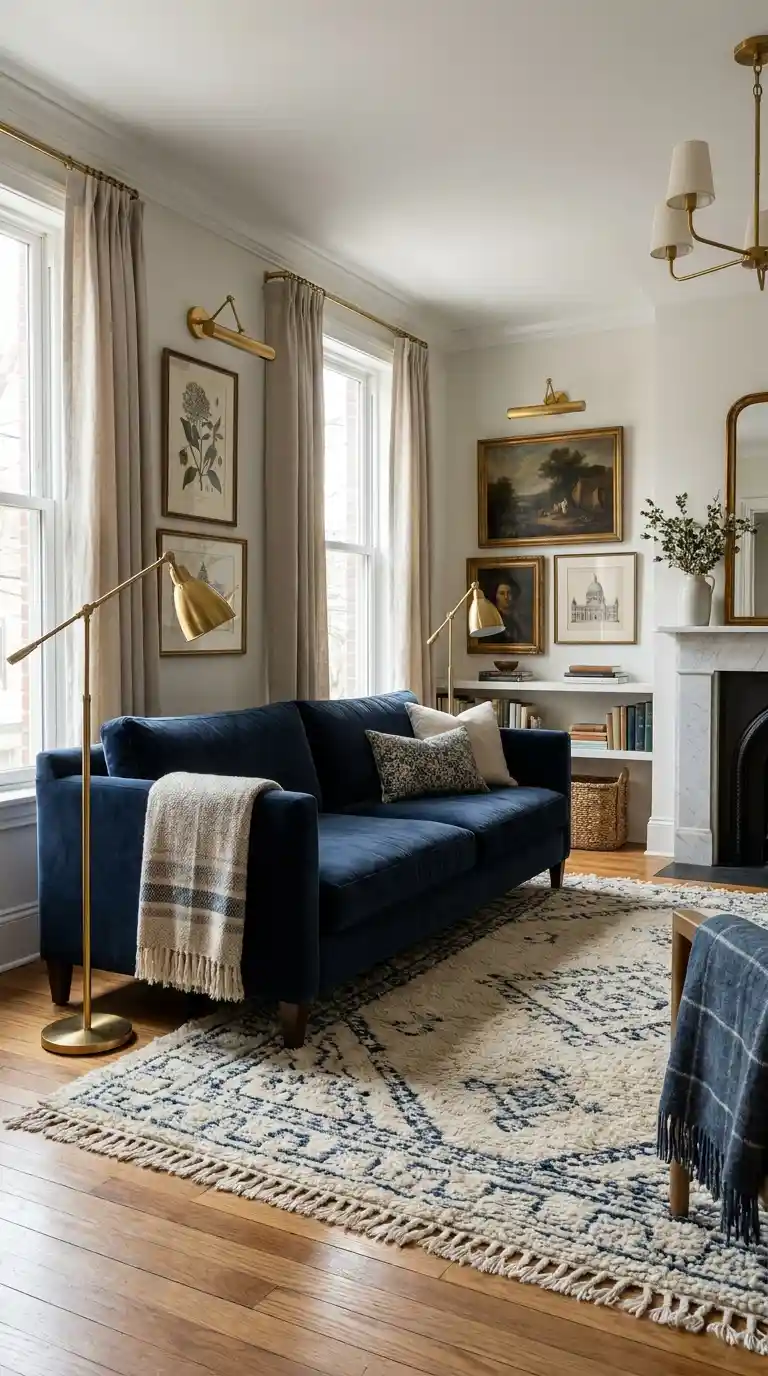
You do not need a massive budget or a historic building to borrow ideas from white house interior design. Some of the core principles translate beautifully into regular homes, no matter their size.
Commit to a Cohesive Color Story
One of the biggest lessons from white house interior design is the power of committing fully to a color palette within each room. Instead of mixing too many colors together, each room in the house typically sticks to a clear, confident color story. You can do the exact same thing in your own living room or bedroom by picking two or three colors and staying disciplined about using them throughout the space.
Invest in Quality Over Quantity
Furniture throughout the building tends to be fewer in number but higher in quality. Rather than cramming a room full of pieces, white house interior design often favors a handful of well chosen items that each serve a clear purpose. This approach works just as well in a small apartment as it does in a grand historic mansion.
Let Texture Do the Talking
As mentioned earlier, texture plays a massive role throughout the building. You do not need bold colors or expensive patterns to make a room feel rich. A few well chosen fabrics, like a velvet throw pillow or a textured area rug, can elevate a space significantly.
Respect the Function of Each Room
Every room in the house is designed with a clear purpose in mind, and the design choices reflect that purpose. A room meant for quiet conversation looks and feels different from a room meant for grand entertaining. Before decorating any room in your own home, it helps to ask yourself what that specific space is actually meant to be used for.
Bringing White House Interior Design Into Your Own Home
Let us get practical for a moment. If you genuinely want to bring some of that white house interior design magic into your own space, here are a few specific starting points that have worked well for people I know personally.
Start with your entryway. The White House puts enormous thought into how guests are welcomed into the building, and your own entryway deserves the same level of attention. A simple console table, a mirror, and good lighting can completely transform how your home feels the moment someone walks in.
Next, think about your dining space. Even if you do not have a room large enough for a hundred guests, you can still borrow the warmth of the State Dining Room by choosing rich wood tones, warm lighting, and a table setting that feels intentional rather than thrown together.
Consider adding one bold room to your home. Not every space needs to be neutral and safe. Take a page from the Red Room and choose one space in your house, maybe a small powder room or a home office, where you allow yourself to use a bold, confident color.
Finally, do not underestimate the power of history and personal storytelling in your decorating choices. Family photos, inherited furniture, and meaningful artwork can do for your home what historic portraits and artifacts do for the White House. They add layers of meaning that generic decor simply cannot replicate.
Common Mistakes to Avoid When Inspired by White House Interior Design
As much as I love pulling inspiration from white house interior design, I have seen people make a few common mistakes when trying to recreate that look at home.
The first mistake is going overboard with gold accents. A little bit of gold trim or a few gold framed mirrors can look elegant, but too much of it quickly starts to feel gaudy rather than sophisticated. The real rooms in the White House use gold sparingly, as an accent rather than the main event.
The second mistake is ignoring scale. Furniture that looks perfectly proportioned in a massive room can feel overwhelming and awkward in a smaller home. Before buying oversized furniture inspired by grand historic rooms, measure your space carefully and consider scaled down versions instead.
The third mistake is forgetting about comfort. Historic formal rooms are beautiful, but they are also designed for short visits and formal events, not everyday lounging. If you are decorating a space you actually plan to relax in daily, make sure comfort stays part of the equation alongside style.
The Future of White House Interior Design
Looking ahead, it is fascinating to think about how white house interior design will continue to evolve. Each new administration brings fresh perspectives, and societal trends around sustainability, technology, and accessibility will likely continue shaping future updates.
I suspect future changes will focus heavily on sustainable materials and energy efficient upgrades, all while still respecting the historic character that makes the building so special. Balancing innovation with preservation has always been the central challenge of white house interior design, and that challenge is not going away anytime soon.
Public interest in these design choices also shows no signs of slowing down. As long as people continue to care about their national history and their shared cultural landmarks, white house interior design will remain a topic worth writing about, studying, and drawing inspiration from.
Final Thoughts on White House Interior Design
Writing about white house interior design has honestly deepened my appreciation for how much thought goes into spaces that most of us will only ever see in photographs or during a public tour. Every color choice, every fabric pattern, and every piece of furniture tells part of a much larger story about American history, culture, and taste.
Whether you are simply curious about the history behind these iconic rooms or you are actively looking for inspiration for your own home, I hope this deep dive into white house interior design gave you something valuable to take away. Good design, whether inside a historic mansion or a small apartment, always comes back to the same core ideas. Thoughtful color choices, quality over quantity, and spaces that genuinely reflect the people who live in them.
Frequently Asked Questions
1. Who is responsible for white house interior design decisions?
Historically, the president and First Lady work closely with professional interior designers, curators, and historians to make decisions about white house interior design. The Committee for the Preservation of the White House also plays a role in maintaining historical accuracy throughout any changes.
2. How often does white house interior design change?
White house interior design changes with almost every new administration, since incoming families often want to add their own personal touches. However, major structural or historically significant elements are usually preserved rather than removed entirely.
3. What style is most commonly used in white house interior design?
Federal style and French inspired furniture dominate much of the building, along with classic color palettes featuring deep reds, blues, and greens balanced by white and gold accents.
4. Can regular people visit rooms with famous white house interior design?
Yes, certain public tours allow visitors to see rooms like the East Room, the State Dining Room, and other historic spaces, although access can vary depending on scheduling and security requirements.
5. Who pays for white house interior design updates?
Funding for major redesign projects often comes from a mix of federal allocations and private donations, particularly for historically significant restoration work.
6. What room is considered the most iconic example of white house interior design?
Many people consider the Oval Office the most iconic room, simply because of how often it appears in the news and how closely its design is tied to each individual president’s personality.
7. Why is the Blue Room called the heart of the house?
The Blue Room sits at the center of the ground floor and has historically been used for greeting guests, which is why many people associate it with the emotional and physical center of the building.
8. Has white house interior design always included the same color themed rooms?
The general color themes, like the Red Room and the Green Room, have stayed fairly consistent for a very long time, although the exact shades and patterns have shifted with different administrations.
9. What materials are most commonly used in white house interior design?
Rich wood furniture, silk and velvet fabrics, marble flooring, and gold accents appear frequently throughout the building, creating a consistent sense of luxury and formality.
10. How does white house interior design balance history with modern needs?
Designers carefully integrate necessary modern updates, like technology and climate control, in ways that remain hidden or subtle, allowing historic elements to remain the visual focus of each room.