
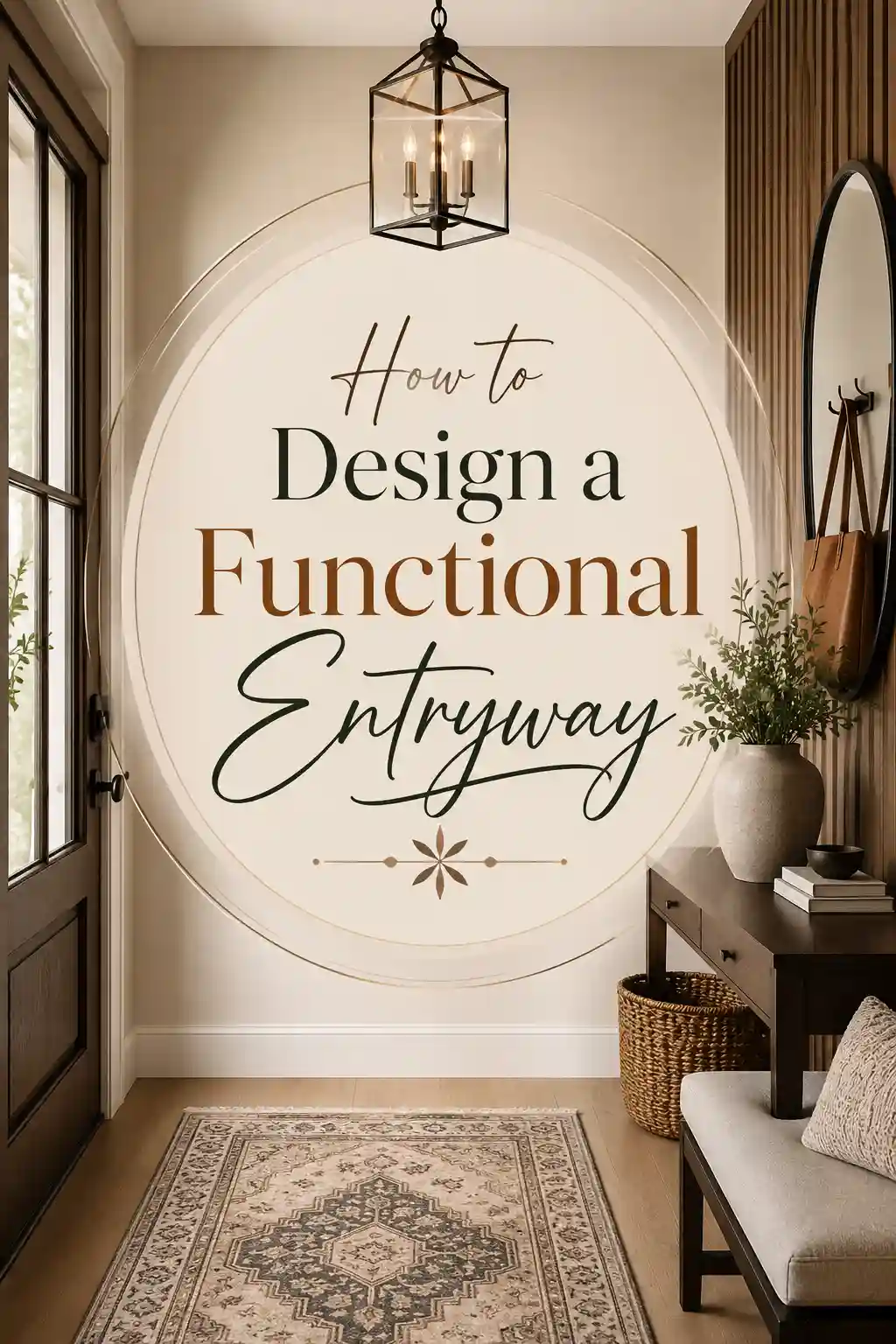
There is something magical about walking into a home and feeling immediately at ease. That feeling almost always starts at the entryway. It is the very first space anyone sees when they step through your front door, and yet it is one of the most overlooked areas in home design. If your entry area is cramped, cluttered, or just awkward to use, you probably already know the frustration it brings every single day. Keys lost on the counter. Shoes piled up near the door. Nowhere to set down a bag without making a mess.
Learning how to design a functional entryway changed everything for me. Once I started treating this tiny space as a real room with real purpose, the entire feeling of coming home shifted. It became organized, calm, and even beautiful. And the best part? You do not need a grand foyer or a big renovation budget to make it work.
This guide is going to walk you through everything I have learned about how to design a functional entryway from scratch. Whether you have a narrow hallway, a small apartment landing, or a proper entry hall, there is a strategy here for your space. Let us get into it.
Also Read : Transform Your Home’s First Impression: 95+ Stunning Entryway Table Decor Ideas That Actually Work
Why Learning How to Design a Functional Entryway Matters More Than You Think

Most people treat the entryway as an afterthought. They focus their design energy on the living room, kitchen, or bedroom, and the entry gets whatever is left over. But here is the truth: the entryway sets the tone for your entire home experience. It is the first thing you see when you arrive and the last thing you see before you leave.
When you know how to design a functional entryway properly, the benefits ripple through your whole day. You stop losing your keys. Guests immediately get a positive impression. Your home feels less chaotic from the moment you walk in. Children have a clear spot to drop their backpacks. And that low-level stress of a disorganized entry space? It just disappears.
Beyond the emotional and practical benefits, a well-designed entryway also adds real value to your home. Buyers and renters notice entry spaces immediately. A polished, organized entry signals that the rest of the home is cared for. So even if you are renting or plan to sell someday, investing time in how to design a functional entryway pays off in tangible ways.
Start With the Basics: Measuring and Understanding Your Entry Space
Before you buy a single piece of furniture or hang a single hook, you need to understand what you are working with. Pull out a measuring tape and get the exact dimensions of your entryway. Note the width of the door swing, the ceiling height, the distance from the door to the first wall, and whether there are any architectural quirks like sloped ceilings, radiators, or existing outlets that will affect your layout.
Once you have your measurements, sketch a rough floor plan. It does not need to be professional. Just a basic drawing that shows where walls, doors, and windows are. This simple step prevents the most common mistake people make when they try to figure out how to design a functional entryway: buying furniture that does not fit.
Think about traffic flow too. How many people pass through this space daily? Do children come home from school with backpacks and muddy shoes? Does anyone work from home and need a clear routine when leaving or arriving? Understanding the real-life demands of your entryway shapes every decision that follows.
Small Entryway vs. Large Foyer: Different Approaches
A small entryway, like a narrow hallway in an apartment, needs to stay lean. Every piece of furniture must earn its place. Wall-mounted solutions become your best friend. A large foyer, on the other hand, gives you more room to play, but it can also feel cold and empty if not designed thoughtfully. The principles of how to design a functional entryway apply to both, but the execution looks different.
For small spaces, think vertical. Tall hooks, slim console tables, and wall-mounted shelves maximize function without eating up floor space. For larger entries, you can introduce a bench, a hall tree, a rug, a statement mirror, and even a small table with a lamp. The goal in both cases is the same: create a space that serves daily life without sacrificing style.
The Essential Elements of a Functional Entryway Design
Now that you have your measurements and a clear picture of your space, it is time to talk about the building blocks. When I think about how to design a functional entryway, I always come back to five core elements: storage, seating, lighting, a mirror, and a landing spot. Get these five right and your entry will work beautifully.
1. Smart Storage Solutions

Storage is the backbone of how to design a functional entryway that actually functions. You need places for coats, bags, shoes, keys, umbrellas, and all the other everyday items that tend to pile up near the door. The challenge is creating storage that is easy to use and does not look like a storage unit.
Hooks are the single most useful storage element in any entryway. A row of sturdy hooks on the wall, set at the right height for everyone in the household, solves the coat and bag problem instantly. Choose hooks that are deep enough to hold a bulky coat without it slipping off and strong enough to hold a heavy bag. Wall-mounted hook rails with a shelf above them do double duty and are a staple of how to design a functional entryway on a budget.
Shoe storage deserves its own dedicated solution. A built-in bench with storage underneath is ideal if space allows. If not, a slim shoe rack tucked beside the door, a basket for everyday shoes, or a low cabinet with doors keeps footwear from spreading across the floor. Hidden shoe storage is always the more polished choice when you are thinking about how to design a functional entryway that looks as good as it works.
2. A Place to Sit
This might seem like a luxury, but seating in an entryway is genuinely functional. Having somewhere to sit while putting on or taking off shoes makes a real difference, especially for children, older adults, or anyone in a hurry. A small bench, a stool, or even a low ottoman can serve this purpose.
When thinking about how to design a functional entryway with limited space, look for a bench with built-in storage underneath. You can tuck shoes, bags, or seasonal items inside and close the lid for a clean look. Upholstered benches add softness and style, while wooden benches feel more rustic and durable. Choose based on your household’s needs and the overall aesthetic you are going for.
Must Read : Transform Your Space: Powerful Small Entrance Ideas That Instantly Impress Everyone
3. Layered Lighting

Lighting in an entryway is often either too harsh or too dim. Getting it right is part of knowing how to design a functional entryway that feels inviting. You want enough light to see clearly when you arrive home after dark, but not lighting so bright it feels like an interrogation room.
If you have overhead lighting, consider swapping a standard fixture for something with character, like a pendant light, a flush mount with a warm-toned shade, or a small chandelier. These changes are affordable and dramatically shift the feel of a space. Add a table lamp on a console if you have room. Sconces on either side of a mirror can add warmth and bounce light around the room. The goal is layered, warm illumination that makes your entryway glow.
4. A Mirror
A mirror in the entryway is not just about checking your appearance before you leave the house, though that is a very practical benefit. A mirror also makes the space feel larger and brighter by reflecting light. It adds a decorative anchor to the wall and can be the statement piece that pulls the whole design together.
When thinking about how to design a functional entryway with a mirror, size matters. A small mirror over a console table works, but a larger mirror leaned against the wall or hung floor-to-ceiling makes a bold, beautiful statement. Round mirrors have become especially popular because they soften the angles of a typically boxy entry space. Choose a frame that complements your style, whether that is warm gold, rustic wood, sleek black, or ornate antique.
5. A Dedicated Landing Spot
This one is simple but powerful. Every functional entryway needs a designated spot for the items you use every day: keys, wallet, sunglasses, mail. A small tray on a console table, a bowl near the door, or a built-in key hook with a small shelf all work perfectly. When everything has a place, it actually gets put there. Without a clear spot, things pile up randomly and the entryway becomes chaotic.
This is the habit-forming element of how to design a functional entryway. The physical setup creates the routine. Once you place a key hook by the door, you will start hanging your keys there every single time. It sounds basic, but this small design decision changes daily behavior in a real way.
Choosing the Right Furniture for Your Functional Entryway

Furniture selection is where a lot of people get stuck when they are figuring out how to design a functional entryway. There are so many options available and it can feel overwhelming. But when you filter every choice through the lens of function plus proportion, the decisions become much easier.
The most commonly used pieces in an entry design are console tables, hall trees, benches, and cabinets. Each has its strengths. A console table is slim and stylish with minimal storage unless it has drawers or a shelf below. A hall tree combines hooks, seating, and storage in one unit and is ideal for family homes. A cabinet with doors hides everything inside and gives a cleaner look at the cost of accessibility.
When choosing furniture for a functional entryway, always measure twice. A console table that is too deep will block traffic flow. A bench that is too wide will make the space feel cramped. Proportion to your space is everything. And when in doubt, err on the side of smaller and more flexible.
How to Design a Functional Entryway With a Rug

A rug in the entryway does several important jobs at once. It defines the space visually, protects your flooring from dirt and scratches, provides a soft landing for feet, and adds color, pattern, and texture to what is often a plain space. Knowing how to design a functional entryway means knowing how to choose the right rug.
Durability is the number one priority for an entry rug. This area sees more foot traffic than almost anywhere else in your home, so the rug needs to withstand daily use and be easy to clean. Look for flat-weave rugs, outdoor-style rugs, or low-pile options in darker colors or patterns that hide dirt well. Natural materials like jute and sisal are popular choices because they are sturdy and neutral.
Size is important too. A rug that is too small looks like an afterthought. Ideally, your entry rug should be large enough that at least one foot lands on it when someone steps through the door. For a narrow hallway, a long runner creates definition and warmth. For a wider entry, a larger rectangular or round rug helps fill the space proportionally.
Wall Treatments and Color in a Functional Entryway
The walls of your entryway are prime real estate for both function and decoration. When thinking about how to design a functional entryway, do not treat the walls as just a backdrop. They can hold hooks, shelves, art, mirrors, and even functional panels that organize your entire life near the door.
Color is one of the most powerful tools in entry design. Because entryways are often small, people tend to default to white or very light colors to make the space feel bigger. That is a solid approach, but do not be afraid to go bold. A deep navy, forest green, warm terracotta, or rich charcoal can make an entry feel cozy and intentional rather than just functional. Dark colors in small spaces create a sense of intimacy rather than claustrophobia when done right.
Wallpaper is having a massive comeback and entryways are one of the best rooms to use it because you only need a small amount. A bold botanical print, a classic stripe, or a subtle texture can transform a forgettable entry into a memorable one. This is how you design a functional entryway that also makes a genuine design statement.
Gallery Walls and Art in the Entryway
Art in the entryway tells your story before guests even step fully inside. A gallery wall of family photos, travel prints, or meaningful artwork creates warmth and personality. When planning a gallery wall, lay out your frames on the floor first to experiment with arrangement before you start putting holes in the wall.
Keep in mind that entryway art should not be too precious. This is a high-traffic, high-humidity area in many homes. Save the museum-quality pieces for the living room and use this space for art that feels accessible, personal, and a little more casual. Framed prints from independent artists, children’s drawings in simple frames, or a mix of mirrors and small canvases all work beautifully.
Designing a Functional Entryway for Families With Kids

Families with children have unique needs when it comes to how to design a functional entryway. The space needs to handle backpacks, sports equipment, muddy shoes, lunch boxes, and the general chaos of kids coming home every afternoon. Without a smart system in place, the entry becomes the messiest spot in the house within about three days.
The most effective family entry design uses a dedicated zone for each child. Think low hooks at kid-height, labeled baskets or bins for each person’s shoes and accessories, and a charging station or homework drop zone if space allows. A mud room is the ultimate expression of a functional family entryway, but you can create the same function in a small space with the right storage products.
Durability and washability become non-negotiable when kids are involved. Choose wipe-clean surfaces, machine-washable rug options, and sturdy hooks that can handle a heavy backpack thrown carelessly. When thinking about how to design a functional entryway for a family, practicality always wins over aesthetics, though the best designs manage to deliver both.
How to Design a Functional Entryway in a Small Apartment

Small apartment entryways are genuinely challenging. You might have a space that is barely three feet wide and five feet deep, and you need to fit hooks, shoe storage, a mirror, and ideally a landing spot for keys all within that footprint. This is where creativity in how to design a functional entryway really comes into play.
The key to a small entryway is going vertical. Use every inch of wall height available to you. Install hooks higher up. Add a shelf above the hooks for hats and bags that are used less frequently. Use a mirror that doubles as storage with hooks on the back or a shelf below it. A narrow floating shelf with hooks underneath takes up almost no floor space and provides both storage and a landing zone.
Avoid bulky freestanding furniture in tiny entries. A wall-mounted fold-down bench is a genius solution when you need seating but cannot afford the floor space of a traditional bench. Slim over-the-door organizers can add significant storage without any installation. And a light, clear, or mirrored console table provides function while keeping the visual footprint minimal.
How to Design a Functional Entryway With a Capsule Approach
If you feel overwhelmed by all the options when thinking about how to design a functional entryway, a capsule approach can simplify everything. The idea is to choose a very small number of high-quality, intentional pieces that serve multiple purposes rather than filling the space with lots of smaller items.
A capsule entryway might include just three things: one hall tree with built-in hooks, seating, and shoe storage, one large mirror, and one rug. That is it. Three pieces, three clear purposes. Everything is covered. This minimalist approach works especially well in modern or Scandinavian-style homes where clean lines and uncluttered surfaces are part of the aesthetic.
The capsule mindset also prevents the common trap of over-decorating an entryway until it feels cluttered and busy. When you commit to fewer, better pieces, every item has meaning and function. That is the essence of how to design a functional entryway with a lasting, timeless appeal.
Seasonal Styling for Your Functional Entryway

One of the joys of a well-designed entry is how easy it becomes to update seasonally. Because the bones of the space are solid and functional, you can refresh the look with simple, affordable swaps that keep things feeling fresh and current.
In autumn, add a basket of pumpkins, a seasonal wreath on the door, and swap your rug for one in warm amber or rust tones. In winter, a small evergreen wreath, some candles, and a throw basket near the bench create a cozy, welcoming feel. Spring calls for fresh flowers on the console, a lighter rug, and brighter artwork. Summer might bring in a breezy coastal vibe with woven textures and light, airy tones.
This seasonal rotation keeps your entryway from feeling stale and gives you a low-cost way to enjoy the creative side of home design. When you have figured out how to design a functional entryway properly, the structure stays put while the styling layers change. It is one of the most enjoyable parts of having a thoughtfully designed entry.
Lighting Ideas to Elevate Your Functional Entryway Design
We touched on lighting earlier as one of the five essential elements, but it deserves more attention because it is so often done wrong. The right lighting in an entry does not just illuminate the space; it creates atmosphere, makes the room feel larger, and sets an emotional tone the moment you or your guests arrive.
If your entry has no natural light, which is common in apartments and homes with enclosed foyers, artificial lighting does even heavier lifting. Aim for at least two light sources: one overhead and one at eye level or lower. This layering technique prevents the flat, one-dimensional look of a single ceiling bulb. A pendant light paired with a table lamp, or sconces flanking a mirror, creates depth and warmth.
Bulb temperature matters enormously too. For an entryway, warm white bulbs in the 2700K to 3000K range create the most welcoming ambiance. Cool or daylight bulbs feel clinical and unwelcoming in this context. If you can, add a dimmer switch to your overhead light so you can soften the entry in the evenings when a brighter task-lighting level is no longer needed.
Also Read : 90 Beautiful Home Entrance Decor Ideas That Create the Perfect First Impression Every Single Time
How to Design a Functional Entryway on a Tight Budget

You absolutely do not need to spend thousands of dollars to design a functional entryway that looks and works beautifully. Some of the most effective entry designs I have seen were achieved on a budget of under two hundred dollars. The secret is prioritizing function over aesthetics and being creative with what you already have.
Start with what you can DIY. A row of inexpensive but sturdy hooks from a hardware store, painted in a color that complements your walls, can be just as effective as an expensive designer hook rail. A thrifted mirror repainted in gold or black spray paint becomes a statement piece. A basket from a discount home goods store serves as excellent shoe storage. These budget moves are part of knowing how to design a functional entryway without overspending.
Secondhand furniture is another budget-friendly avenue worth exploring. Entryway consoles, benches, and hall trees show up regularly at thrift stores, estate sales, and online marketplaces. A piece of solid wood furniture from the 1970s painted in a fresh, modern color can look intentional and designer. The quality of older furniture is often far better than what is available in fast-furniture stores today, so going secondhand is both economical and smart.
Plants and Natural Elements in a Functional Entryway
Bringing a living element into your entryway is one of the easiest ways to make the space feel alive and welcoming. A plant near the door instantly softens a space that might otherwise feel purely utilitarian. When thinking about how to design a functional entryway, never underestimate the power of greenery.
Choose plants that can handle the conditions of your entryway. If the space has low light, go for pothos, ZZ plants, or snake plants, all of which thrive with minimal natural light. If there is a window nearby, a fiddle leaf fig or a lush monstera makes a dramatic statement. Small cacti or succulents on a console shelf add texture without demanding much care.
Beyond potted plants, consider other natural elements like a woven jute rug, a wooden bowl for keys, a stone sculpture, or dried botanicals in a vase. These organic textures create warmth and visual interest without clutter. They also age beautifully and feel timeless in a way that very trend-driven decor does not. A functional entryway that incorporates natural elements always feels grounded and genuine.
Common Mistakes to Avoid When Designing a Functional Entryway
Even with the best intentions, certain mistakes consistently derail a well-meant entry design. Being aware of them helps you sidestep them as you work through how to design a functional entryway for your own home.
The first and most common mistake is ignoring scale. Furniture that is too large makes the entry feel cramped and hard to navigate. Furniture that is too small looks lost and fails to anchor the space visually. Always measure and check dimensions against your sketch before buying anything.
The second mistake is prioritizing aesthetics over function. A beautiful entry that does not solve any real organizational problems will revert to chaos within a week. Function must come first. The visual appeal layered on top of a functional foundation is what makes a design sustainable and satisfying long-term.
The third mistake is over-accessorizing. Entryways are small. They do not need a lot of decorative objects to look good. Three well-chosen pieces make a more powerful statement than a surface covered in small knick-knacks. Edit ruthlessly and keep only what serves a purpose, whether functional or genuinely meaningful to you personally.
Final Touches That Complete a Functional Entryway Design
Once your storage, seating, lighting, and mirror are in place, a few finishing touches turn a functional space into a beautiful one. A scented candle or diffuser near the door creates a sensory welcome that guests notice immediately. Fresh or faux flowers on a console add life and color. A meaningful piece of art expresses your personality.
Hardware matters more than people think. Switch out standard brass or chrome switch plates for something more finished. Consider upgrading your door handles and hinges if they look worn. Add a house number plate or a door knocker that suits your style. These small details communicate attention and care.
Finally, do not forget the door itself. The inside of your front door can be a design element. A fresh coat of paint in a bold color, a behind-the-door organizer, or even a simple wreath makes the entry feel finished from all angles. When you think about how to design a functional entryway as a complete, three-dimensional space rather than just a wall with hooks, the result is always more polished and more satisfying.
People Also Ask
Q1: What are the most important elements of a functional entryway?
The five most important elements are: adequate storage for coats, bags, and shoes; a place to sit for putting on and taking off footwear; layered lighting that creates warmth and visibility; a mirror that makes the space feel larger and serves a practical purpose; and a dedicated landing spot for everyday essentials like keys and wallets. When all five are addressed, the entryway becomes genuinely functional rather than just decorative.
Q2: How do I design a functional entryway in a small space?
In a small space, the key is going vertical. Use wall-mounted hooks, floating shelves, and a slim console table or bench to keep the floor clear. A wall-mounted fold-down bench saves floor space when not in use. Choose a large mirror to make the space feel bigger. Stick to two or three functional pieces rather than filling the space with multiple smaller items. Keeping things light in color also helps small entries feel more open and breathable.
Q3: What kind of storage is best for a functional entryway?
The best storage depends on your household’s specific needs. For most families, a combination of hooks for coats and bags, a shoe rack or bench with shoe storage inside, and a small tray or bowl for keys covers the basics. A hall tree combines all of these in one piece. For larger entries, a built-in cabinet offers hidden storage that keeps the space looking clean and uncluttered. The priority is always storage that is easy to use consistently so good habits are encouraged.
Q4: What size rug should I use in my entryway?
Your entry rug should be large enough that at least one foot lands on it when someone steps through the door. For narrow hallways, a runner that extends down the length of the space works well. For wider entries, aim for a rug that visually fills the floor area without leaving too much bare floor around its edges. A rug that is too small looks like an afterthought. When in doubt, go slightly larger than your first instinct suggests.
Q5: How do I design a functional entryway for a family with children?
Family entryways need a system that is simple enough for kids to actually use. Low hooks at child height for backpacks and coats, labeled baskets or bins for shoes and accessories, and a designated spot for school bags are the essentials. Durability and ease of cleaning matter most: choose wipe-clean surfaces and machine-washable rugs. If space allows, give each child their own dedicated zone with a hook, a bin, and a labeled cubby. Clear systems create clear habits.
Q6: What lighting works best in an entryway?
The best entryway lighting is layered and warm. A central overhead fixture, like a pendant light or flush mount with a warm bulb, provides overall illumination. Adding a lamp on a console table or sconces beside a mirror creates depth and warmth. Bulbs in the 2700K to 3000K range feel welcoming rather than clinical. If possible, install a dimmer on the overhead light so you can adjust the mood in the evenings.
Q7: Should I use wallpaper in my entryway?
Yes, entryways are actually one of the best places to use wallpaper precisely because they are small. You only need a few rolls, which keeps costs manageable, and the impact is immediate and dramatic. A bold botanical, classic stripe, or textured wallpaper turns an ordinary entry into a memorable one. Just make sure the wallpaper is durable enough for a high-traffic area, and avoid very light colors that show scuffs easily.
Q8: What plants are best for a dark or low-light entryway?
For low-light entryways, the most reliable plant choices are pothos, ZZ plants, snake plants (sansevieria), cast iron plants, and peace lilies. All of these tolerate minimal natural light and are relatively forgiving if watering is inconsistent. If your entry gets even a few hours of indirect light, a fiddle leaf fig or a monstera will thrive. For completely dark entries, high-quality faux plants are a better choice than struggling real ones.
Q9: How do I make my entryway look more expensive on a budget?
A few affordable changes make the biggest visual difference: paint the walls or door a bold, intentional color; add a large mirror in a beautiful frame (thrifted and repainted if budget is tight); replace basic light fixtures with something with more character; use a quality rug even a small one; and declutter relentlessly. The absence of clutter alone makes a space look more expensive than almost any decorative addition. Edit down to only the essential, beautiful, and meaningful pieces.
Q10: What color should I paint my entryway?
There is no single right answer, but the most successful entryway colors tend to be those that create a strong first impression. Light, neutral tones like soft white, warm greige, or pale sage feel open and easy. Bold colors like deep navy, forest green, charcoal, or terracotta make a confident statement that guests immediately notice and remember. The key is choosing a color that feels intentional and connects to the rest of your home’s palette rather than something that just happened by default.