

If you have ever walked into someone’s home and spotted those tall, upright, sword-like leaves standing proudly in the corner, you have probably seen a snake plant. I got my first one almost seven years ago from a neighbor who said, “You cannot kill this thing.” I was skeptical. I had killed a cactus the year before, so I was not exactly brimming with confidence. But here I am, years later, with five snake plants thriving across my home, and I can honestly say learning how to care for snake plant changed the way I think about houseplants altogether.
This guide is everything I wish someone had handed me on day one. Whether you just picked one up from a nursery, received one as a gift, or you are simply trying to save a struggling plant you already own, you are in the right place. I am going to walk you through every single detail, from watering and lighting to repotting, propagation, troubleshooting, and beyond. By the end, you will know exactly how to care for snake plant like someone who has been doing it for years because you will have the knowledge of someone who has.
Related Post : How to Grow Indoor Plants: The Complete Beginner’s Guide to Thriving Green Spaces at Home
What Is a Snake Plant and Why Everyone Should Own One
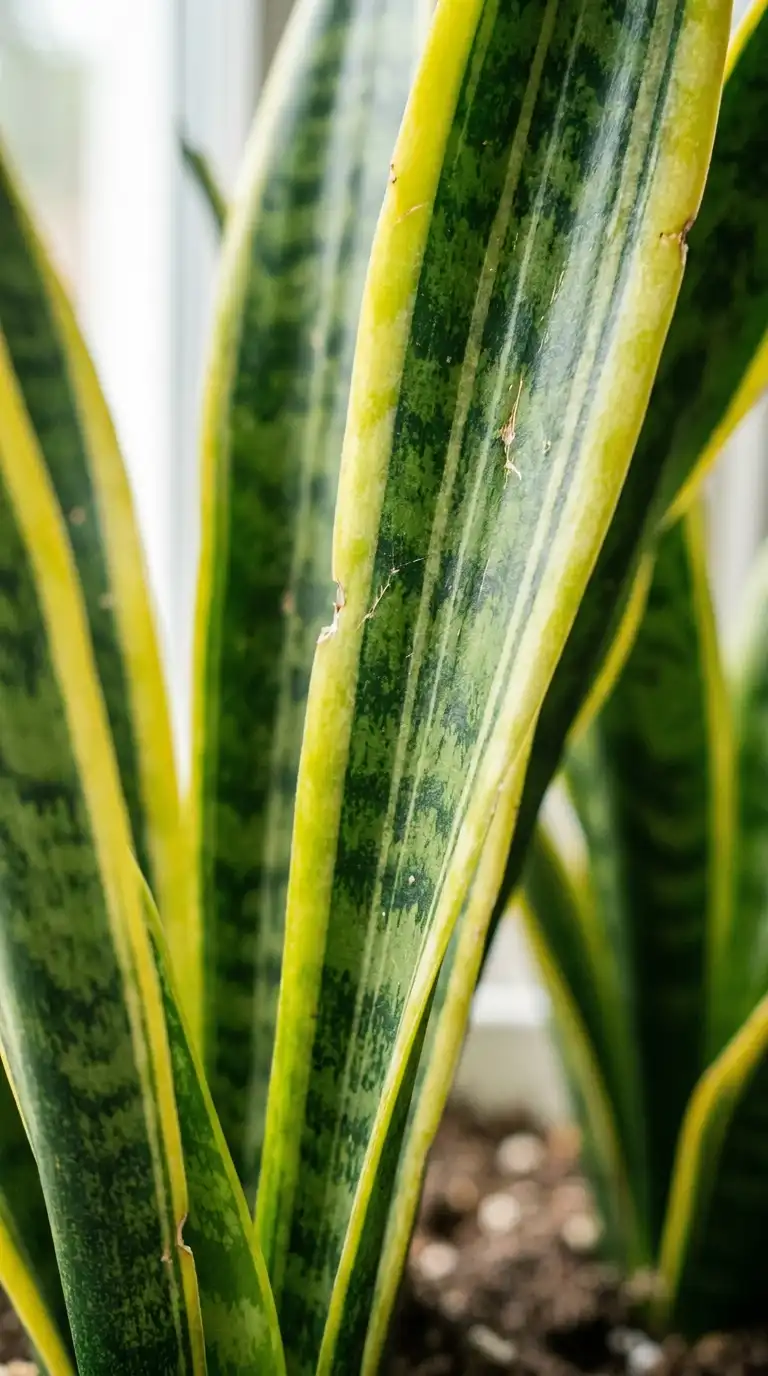
The snake plant, scientifically known as Dracaena trifasciata (formerly Sansevieria trifasciata), is one of the most popular and resilient houseplants in the world. It goes by many names including mother-in-law’s tongue, viper’s bowstring hemp, and Saint George’s sword. The nickname “snake plant” comes from the sinuous, banded pattern on its long, upright leaves that loosely resembles a snake’s skin.
Native to tropical West Africa, this plant is naturally adapted to dry, rocky environments where water is scarce and the sun can be brutal. That background is exactly why knowing how to care for snake plant is so beginner-friendly. It has evolved to survive neglect, drought, and low light conditions, which makes it one of the most forgiving plants you will ever bring into your home.
Beyond its toughness, the snake plant is genuinely beautiful. Its architectural shape adds a clean, modern look to any room. It works in minimalist interiors, bohemian spaces, and traditional homes alike. And if that is not enough reason, NASA’s Clean Air Study found that it can filter indoor air pollutants like formaldehyde, benzene, and trichloroethylene. One plant, endless benefits.
Popular Snake Plant Varieties You Should Know About
Before diving into how to care for snake plant, it helps to know which variety you actually have. There are dozens of cultivars, but a handful show up in most homes and garden centers. Each one has slightly different looks, though the care requirements remain largely the same across the board.
Dracaena Trifasciata (Laurentii)
This is the one most people picture when they think of a snake plant. It has tall, upright leaves with dark green horizontal bands and bright yellow margins running along the edges. It can grow anywhere from two to four feet tall indoors, sometimes more. The Laurentii is dramatic, eye-catching, and absolutely stunning in a tall ceramic pot.
One thing to note is that the yellow edges on Laurentii are a result of a chimeric mutation, which means the yellow margin cannot be preserved through leaf cuttings. If you want to propagate a Laurentii and keep the variegation, you need to divide the plant at the rhizome rather than taking leaf cuttings.
Dracaena Trifasciata “Hahnii” (Bird’s Nest Snake Plant)
If you are short on vertical space, the bird’s nest snake plant is your best friend. Instead of growing tall, the Hahnii forms a compact rosette of short, wide leaves that sits low to the ground. It rarely exceeds six to eight inches in height, making it perfect for desks, shelves, and small apartment living.
Do not let its small size fool you though. The care requirements for how to care for snake plant in its Hahnii form are identical to its taller relatives. It is just as drought-tolerant and just as forgiving of neglect, making it a great entry point for people who are new to plants.
Dracaena Cylindrica (Cylindrical Snake Plant)
The cylindrical snake plant is one of the more unusual-looking members of the family. Instead of flat leaves, it produces round, tubular leaves that grow upward like smooth green spears. It has a sleek, modern look that pairs beautifully with contemporary decor.
Also Read : The Best Flowers Good for Indoor Plants That Will Transform Every Corner of Your Home
How to Care for Snake Plant: Getting the Light Right

One of the most common questions people ask when learning how to care for snake plant is about light. And understandably so, because light affects nearly every aspect of a plant’s health. The good news is that snake plants are one of the most adaptable plants when it comes to light conditions.
Snake plants can tolerate low light, moderate indirect light, and even some direct sun, though they do have preferences. In very low light, the plant will survive but grow extremely slowly and the leaf colors may become less vivid. In medium to bright indirect light, the snake plant truly thrives. It grows faster, the colors are more vibrant, and the plant looks its absolute best.
Direct sunlight for extended periods can actually scorch the leaves, especially the more delicate variegated varieties. You will notice yellowing or bleached patches on the leaves if the sun is too intense. A spot near a south or east-facing window with a sheer curtain filtering the light is often ideal. I personally keep two of my snake plants near east-facing windows and they are doing beautifully.
How to Care for Snake Plant: The Art of Watering Without Overwatering
If there is one thing that kills snake plants, it is overwatering. Not neglect, not low light, not drafts. Too much water. Understanding how to care for snake plant properly means understanding its relationship with water, which is a relationship built on restraint.
Snake plants store water in their thick, fleshy leaves and rhizomes. They come from arid environments where rain is infrequent, so they are built to go long stretches without moisture. When you water too frequently, the soil stays wet, the roots cannot get air, and root rot sets in. Root rot is the number one killer of snake plants, and once it takes hold, it can be very difficult to reverse.
So how often should you water? A good rule of thumb is to let the soil dry out completely between waterings. During the growing season in spring and summer, that might mean watering every two to three weeks. In fall and winter, the plant barely needs any water at all. I water mine about once a month in winter, sometimes less.
The best way to check is to stick your finger two to three inches into the soil. If it feels even slightly damp, wait. If it is completely dry and pulling away from the sides of the pot, it is time to water. When you do water, water thoroughly until it drains out the bottom, then let it dry out again completely before the next session.
Signs of Overwatering vs Underwatering
Overwatering symptoms include soft, mushy leaves at the base, yellowing that starts from the bottom of the plant, a foul smell from the soil, and leaves that fall over easily. If you see these signs, reduce watering immediately and check the roots. Brown, mushy roots need to be trimmed away before repotting in fresh, dry soil.
Underwatering looks quite different. The leaves may start to wrinkle slightly, curl inward, or feel soft and pliable rather than firm and rigid. The leaf tips might turn brown and dry. Unlike overwatering damage, underwatering is usually easy to fix with a good deep soak. The plant will perk back up within a day or two.
Choosing the Right Soil for Snake Plant Care
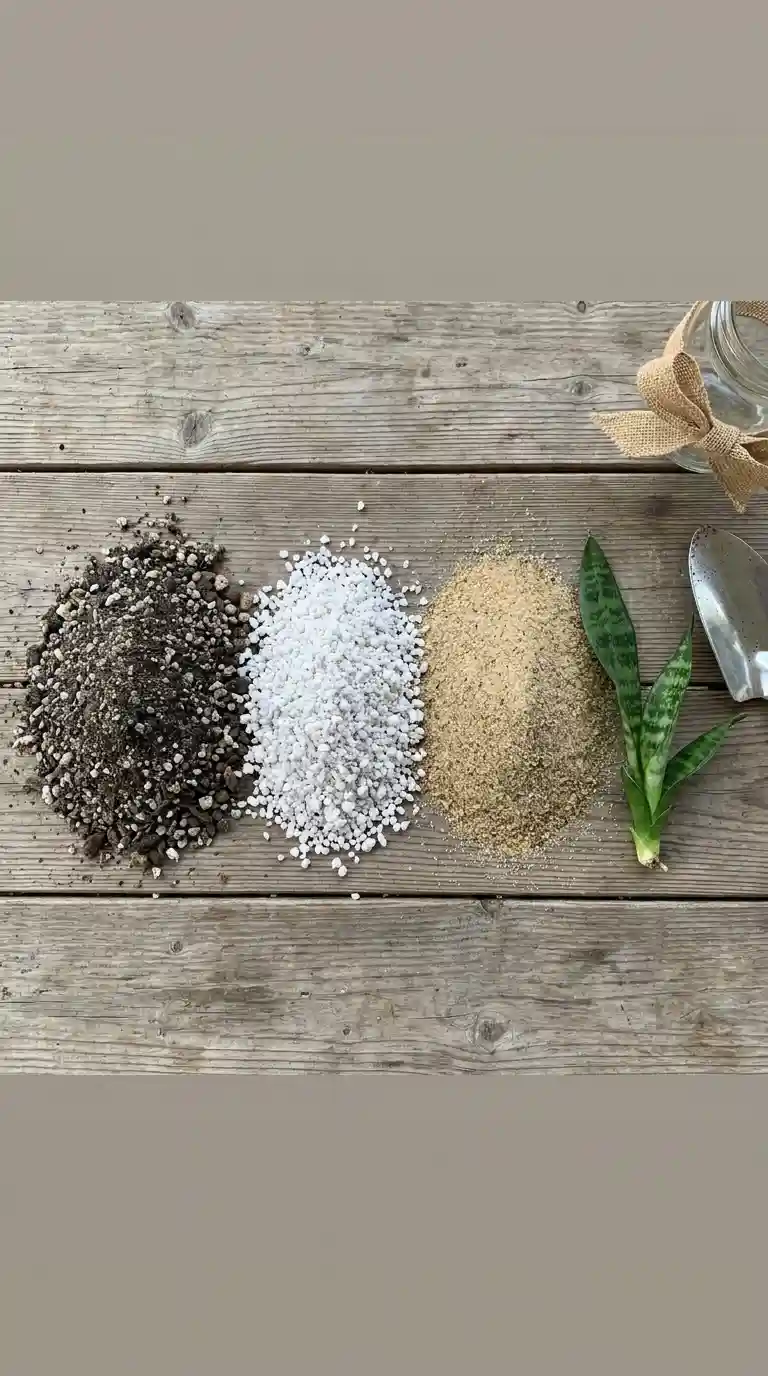
Part of knowing how to care for snake plant well is getting the soil right. Snake plants need a well-draining mix that does not hold moisture for long. Standard potting soil on its own tends to retain too much water for these plants, which can lead to the root rot problems we discussed earlier.
The best approach is to use a cactus or succulent mix, or to amend regular potting soil with perlite or coarse sand. A good ratio I have found works well is about 60% regular potting mix and 40% perlite. This creates a mix that drains quickly but still holds a small amount of moisture to prevent the roots from drying out completely.
Avoid heavy, clay-rich soils or mixes with too much peat moss, as these tend to compact over time and hold water much longer than the plant needs. If you notice that water pools on top of the soil rather than draining through quickly when you water, that is a signal that your mix might be too dense and it may be time to repot into something more appropriate.
Picking the Perfect Pot: A Key Part of How to Care for Snake Plant
The type of pot you choose plays a bigger role in snake plant care than most people realize. Because overwatering is the primary concern, choosing a pot that helps the soil dry out faster can make your life significantly easier.
Terracotta pots are a fantastic choice for snake plants. The porous walls of terracotta allow air and moisture to pass through the sides of the pot, which helps the soil dry out more evenly and quickly. I switched most of my snake plants to terracotta about three years ago and noticed an immediate improvement in their overall health.
Plastic and glazed ceramic pots can also work, but they retain moisture longer, so you will need to be even more careful about how often you water. Whatever pot you choose, drainage holes are absolutely non-negotiable. A pot without drainage holes is essentially a water trap for your snake plant. Never plant a snake plant in a pot without holes, no matter how pretty it looks.
Pot Size Matters Too
People often make the mistake of putting a snake plant in an oversized pot because they want to give it room to grow. This is actually counterproductive. A pot that is too large holds more soil than the plant’s roots can absorb moisture from, which means the excess soil stays wet for too long and encourages rot.
When repotting, go only one size up, meaning a pot that is about one to two inches wider than the current one. Snake plants actually prefer being slightly root-bound, and they will often grow better in a snug pot than in one with too much empty space around the roots.
Read Also : Transform Your Home Instantly: The Ultimate Guide to Interior Decor Plants That Actually Work
Temperature and Humidity: What Snake Plants Actually Need
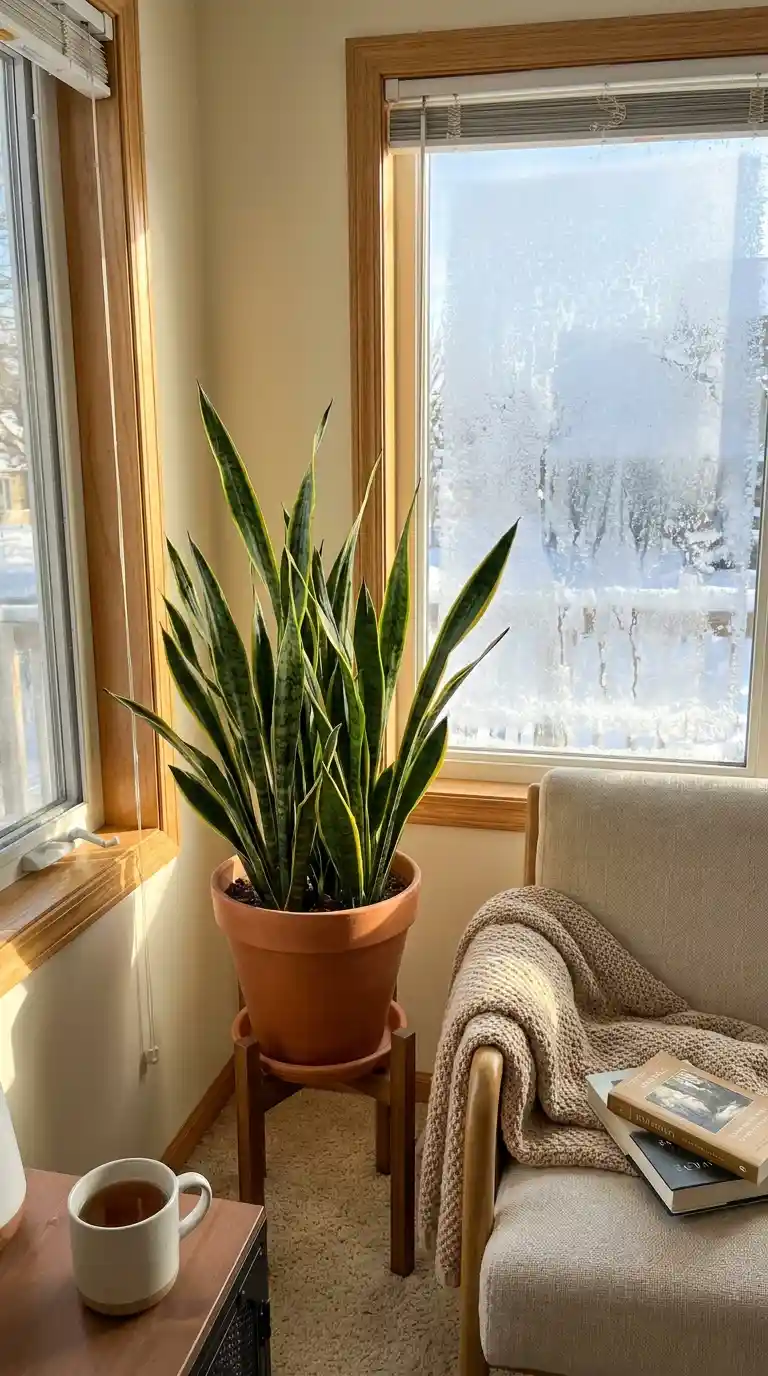
One of the reasons learning how to care for snake plant is so accessible is that these plants are perfectly comfortable in the same temperature range that most humans prefer to live in. They thrive between 60 and 80 degrees Fahrenheit, which covers the typical indoor climate in most homes year-round.
Where snake plants struggle is with cold. Temperatures below 50 degrees Fahrenheit will stress the plant, and anything below 40 can cause serious damage. If you live somewhere with cold winters and keep your plant near a drafty window, you might notice the leaves developing soft, water-soaked patches as a result of cold damage. Move the plant away from cold windows and exterior walls during winter months to prevent this.
As for humidity, snake plants are not particularly demanding. They handle normal household humidity levels perfectly well. Unlike tropical plants like ferns or calatheas, you do not need to mist a snake plant or invest in a humidifier. If anything, high humidity combined with overwatering is more of a concern since it can encourage fungal issues. Average indoor humidity is exactly what the doctor ordered.
Fertilizing Snake Plants: How Much Is Actually Enough
Snake plants are light feeders. They do not need much fertilizer, and over-fertilizing can actually cause more harm than good. Excess fertilizer salts can build up in the soil and burn the roots, leading to leaf tip browning and overall decline. Less is genuinely more with these plants.
During the active growing season, which runs roughly from spring through early fall, you can fertilize your snake plant once a month with a balanced, diluted liquid fertilizer. I usually use a general-purpose 10-10-10 fertilizer diluted to half the recommended strength. This gives the plant a gentle nutrient boost without overwhelming it.
Come fall and winter, stop fertilizing entirely. The plant’s growth slows down significantly during these months, and feeding it when it is not actively growing means the nutrients just sit in the soil and accumulate as salts. Resume feeding when you see new growth emerging in spring.
When and How to Repot Your Snake Plant
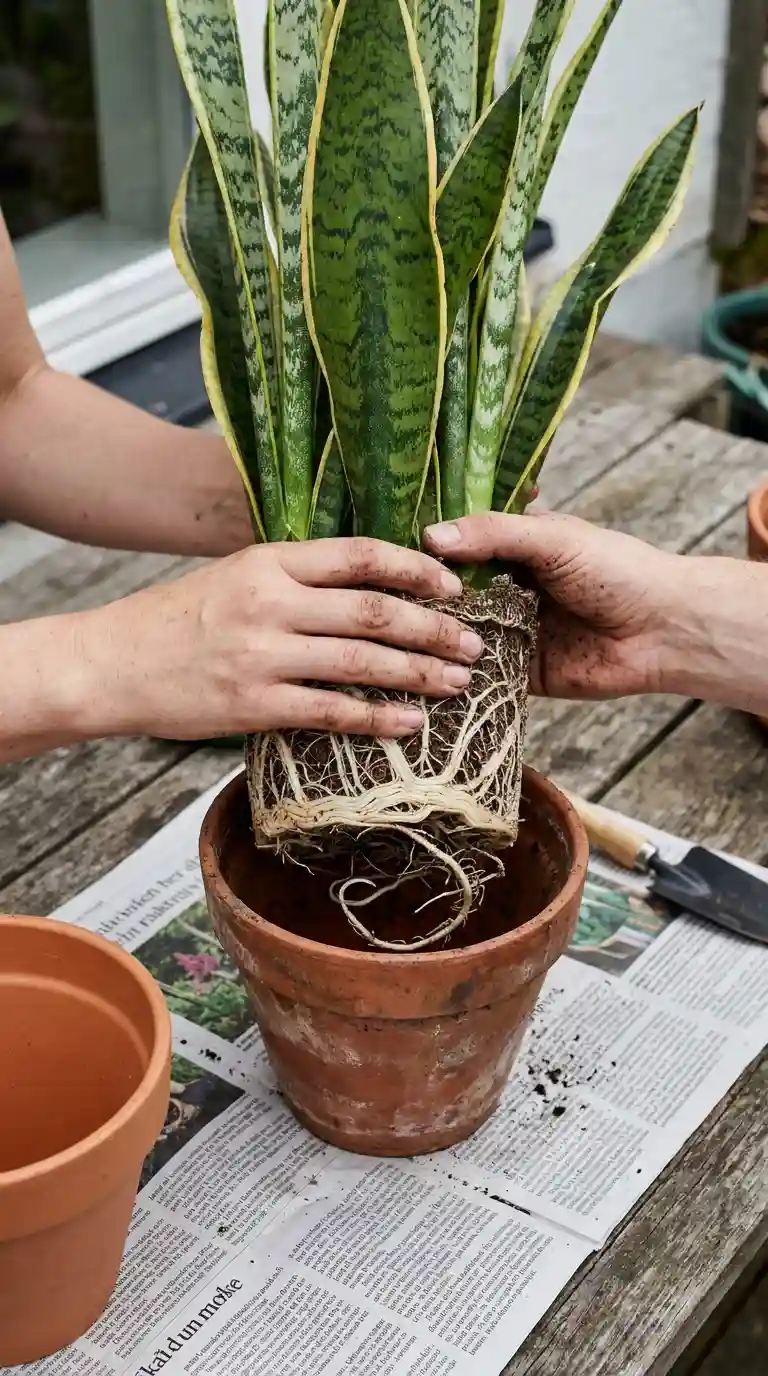
Knowing when to repot is an important part of understanding how to care for snake plant long-term. Snake plants do not need to be repotted often. In fact, repotting too frequently can stress the plant unnecessarily. Most snake plants are happy in the same pot for two to three years, sometimes longer.
Signs that your snake plant is ready for a new home include roots growing out of the drainage holes, roots circling around the inside of the pot, the plant appearing to push itself out of the container, or growth that has dramatically slowed despite good care. Sometimes the pot can even crack if the root ball becomes too large.
To repot, gently tip the plant out of its current container. Shake off as much old soil as you can and inspect the roots. Trim away any brown, mushy, or dead roots with clean scissors. Then place the plant in its new pot with fresh, well-draining mix. Hold off on watering for about a week to let any disturbed roots recover before adding moisture.
How to Propagate Snake Plants: Turn One into Many
One of the most satisfying parts of learning how to care for snake plant is discovering how easy it is to make more of them. Snake plants propagate readily through multiple methods, and once you figure it out, you will have enough plants to fill your entire home and still have some left over to give away.
Propagation by Division
The simplest and most reliable method is division. When you repot a snake plant, you will often find that it has produced offshoots, also called pups, at the base. These are small baby plants growing from the mother plant’s rhizome. You can carefully separate these pups, making sure each one has its own roots, and pot them up individually.
Division is the best choice if you have a variegated variety like Laurentii because it preserves the coloring. Leaf cuttings from variegated snake plants will root and grow, but the resulting plants will revert to solid green. Division is the only way to reliably keep the yellow margins intact.
Propagation by Leaf Cuttings in Water
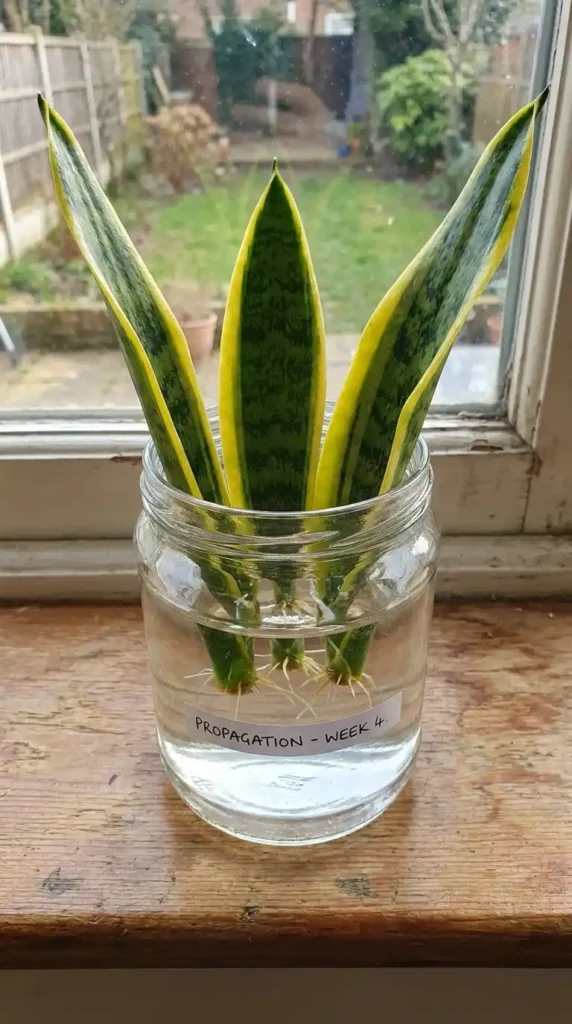
Take a healthy leaf and cut it into sections about three to four inches long. Make sure to keep track of which end is the top and which is the bottom, because the cutting must be placed in water the right way up to root. Place the bottom ends in a jar of clean water, making sure at least an inch is submerged.
Change the water every week to prevent stagnation and bacteria. In four to eight weeks, you should see small white roots emerging from the bottom of each cutting. Once the roots are at least an inch long, you can transfer the cuttings to soil. This is one of my favorite methods because you can watch the roots develop right before your eyes.
Dealing with Common Pests on Snake Plants
Snake plants are generally quite resistant to pests, which is another reason they are so beloved for indoor plant care. However, they are not completely immune. Knowing what to look for is an important part of how to care for snake plant over the long term.
Spider Mites
Spider mites are tiny arachnids that thrive in dry, dusty conditions. They are hard to see with the naked eye but leave telltale signs including fine webbing on and between the leaves, stippled or silvery patches on the leaf surface, and an overall dull appearance. They tend to appear when the air is very dry, which is sometimes the case in winter when indoor heating runs constantly.
To treat spider mites, wipe the leaves down with a damp cloth to physically remove as many as possible, then apply insecticidal soap or neem oil to the entire plant, including the undersides of the leaves. Repeat every five to seven days for a few weeks until the infestation is completely gone.
Melaybugs
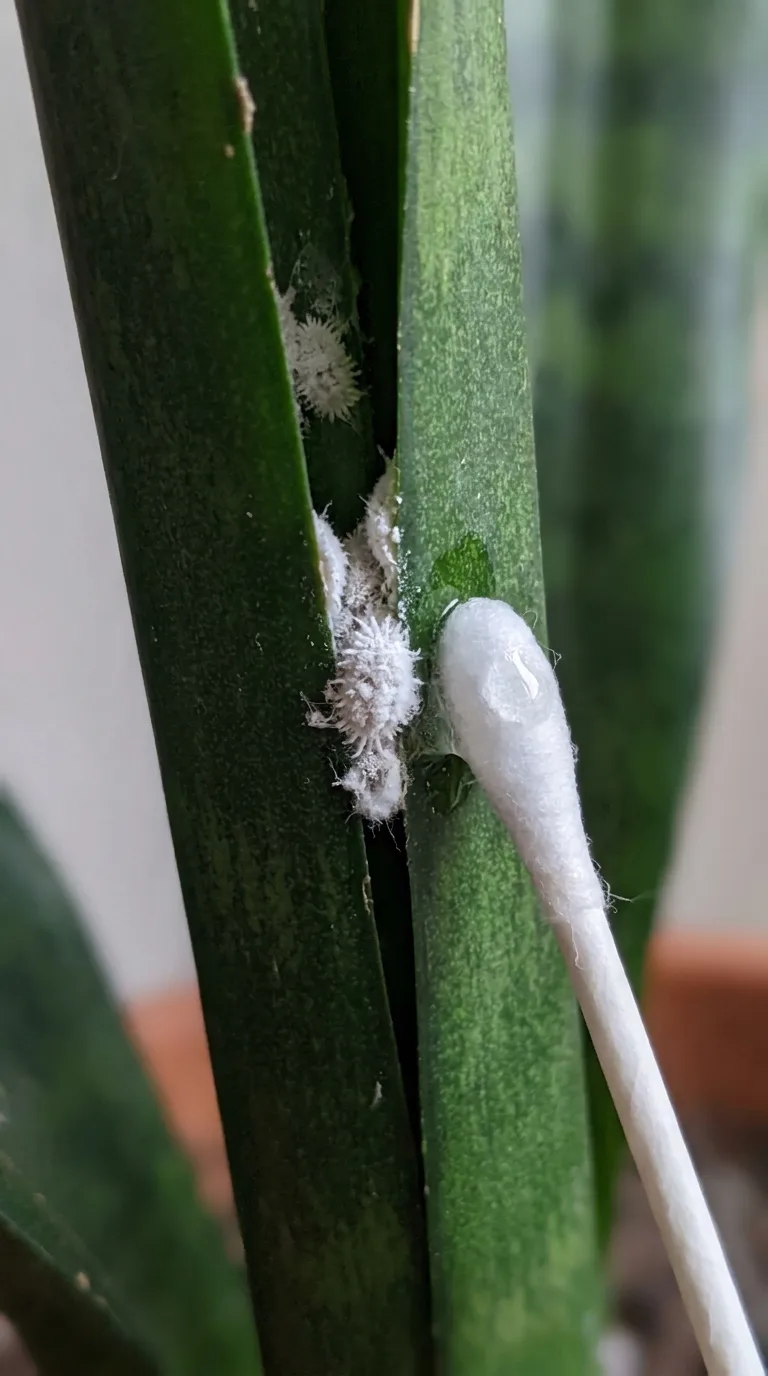
Mealybugs look like small tufts of white cotton, typically found in the crevices where leaves meet the stem or along the leaf edges. They suck sap from the plant and can weaken it significantly over time. They also excrete a sticky substance called honeydew that can lead to sooty mold growth.
Dab individual mealybugs with a cotton swab soaked in rubbing alcohol to kill them on contact. For larger infestations, spray the entire plant with diluted neem oil or insecticidal soap. Isolate any affected plant from your others immediately to prevent the bugs from spreading.
Also Read : 60+ Gorgeous Hanging Indoor Plants That Will Completely Transform Your Home
Troubleshooting Common Snake Plant Problems
Even when you know how to care for snake plant and follow every guideline, problems can still arise. Here is a breakdown of the most common issues and what they mean.
Yellow Leaves
Yellowing leaves are almost always a sign of overwatering or poor drainage. If the yellowing starts at the base of the plant and moves upward, that is a classic sign of root rot. Check the roots immediately. If they are brown and mushy rather than firm and white, you have a root rot situation that needs to be addressed by repotting in fresh, dry soil after trimming the affected roots.
Yellowing can also be caused by too much direct sun, pest damage, or very rarely a nutrient deficiency. Rule out the most common cause first, which is overwatering, before moving on to other potential explanations.
Brown Leaf Tips
Brown tips on snake plant leaves are incredibly common and usually nothing to panic about. The most frequent causes are fluoride or salt buildup in the soil from tap water or over-fertilizing, inconsistent watering, or very low humidity. Try switching to filtered or rainwater if you use tap water regularly, and flush the soil every few months by watering thoroughly several times in a row to wash out any accumulated salts.
Once the tips have turned brown, they will not turn green again. You can trim them with clean, sharp scissors, cutting at a slight angle to mimic the natural leaf shape. This is purely cosmetic and will not harm the plant.
Drooping or Falling Over Leaves
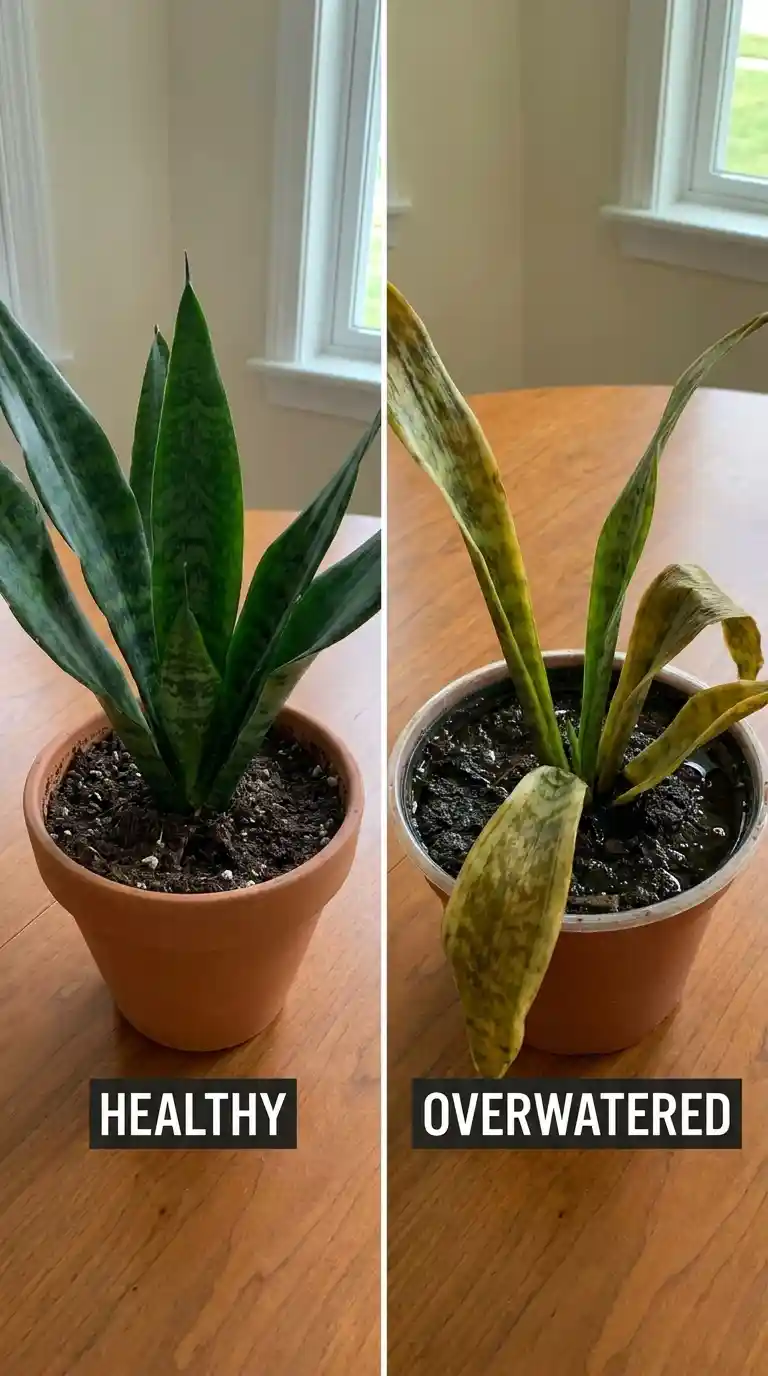
Healthy snake plant leaves should stand upright and firm. If they are drooping, falling over, or leaning dramatically to one side, something is off. Most often, this points to overwatering and root rot, which causes the base of the leaves to soften and lose their structural integrity. It can also happen with very young plants in overly large pots.
Occasionally, drooping can simply be the plant reaching toward a light source. If the light comes from only one direction, the plant will lean toward it over time. Rotating the pot a quarter turn every few weeks prevents this and helps the plant grow more evenly upright.
Snake Plant Air Purification and Health Benefits
Part of what makes learning how to care for snake plant so worthwhile is knowing that the effort pays off in more ways than just aesthetics. The snake plant has long been celebrated for its ability to improve indoor air quality, and while some of the early claims have been tempered by more recent research, there are still real benefits to having this plant in your home.
The NASA Clean Air Study, conducted in the 1980s, listed the snake plant as one of the top plants for removing indoor air pollutants including benzene, formaldehyde, xylene, and trichloroethylene. These compounds are found in common household items like paint, cleaning products, adhesives, and synthetic fabrics. While scientists have since noted that you would need a substantial number of plants to make a measurable difference in a real-world room, even a few plants contribute positively to the air quality of your environment.
One unique property of the snake plant is that it performs a type of photosynthesis called CAM, or Crassulacean Acid Metabolism. Unlike most plants that take in carbon dioxide during the day, CAM plants absorb CO2 at night and release oxygen during daylight hours. This makes the snake plant uniquely suited for bedrooms, as it quietly refreshes the air while you sleep.
How to Care for Snake Plant Through the Seasons
Care requirements for your snake plant shift as the seasons change. Understanding these seasonal rhythms will help you adjust your routine appropriately rather than treating the plant the same way all year long.
Spring and Summer Care
This is the growing season. Your snake plant will be at its most active from spring through early fall. During this time, you can water more frequently, typically every two to three weeks depending on conditions, and feed it monthly with diluted fertilizer. New leaves may appear during this period, and if the conditions are right, some plants will even send up a flower stalk with small, fragrant white or cream-colored blooms.
If you want to move your snake plant outdoors during summer, you absolutely can. Just be sure to transition it gradually, starting with a shaded spot and slowly introducing it to more light over a week or two. Avoid direct midday sun, which can scorch the leaves. Also bring it back inside well before the first frost.
Fall and Winter Care
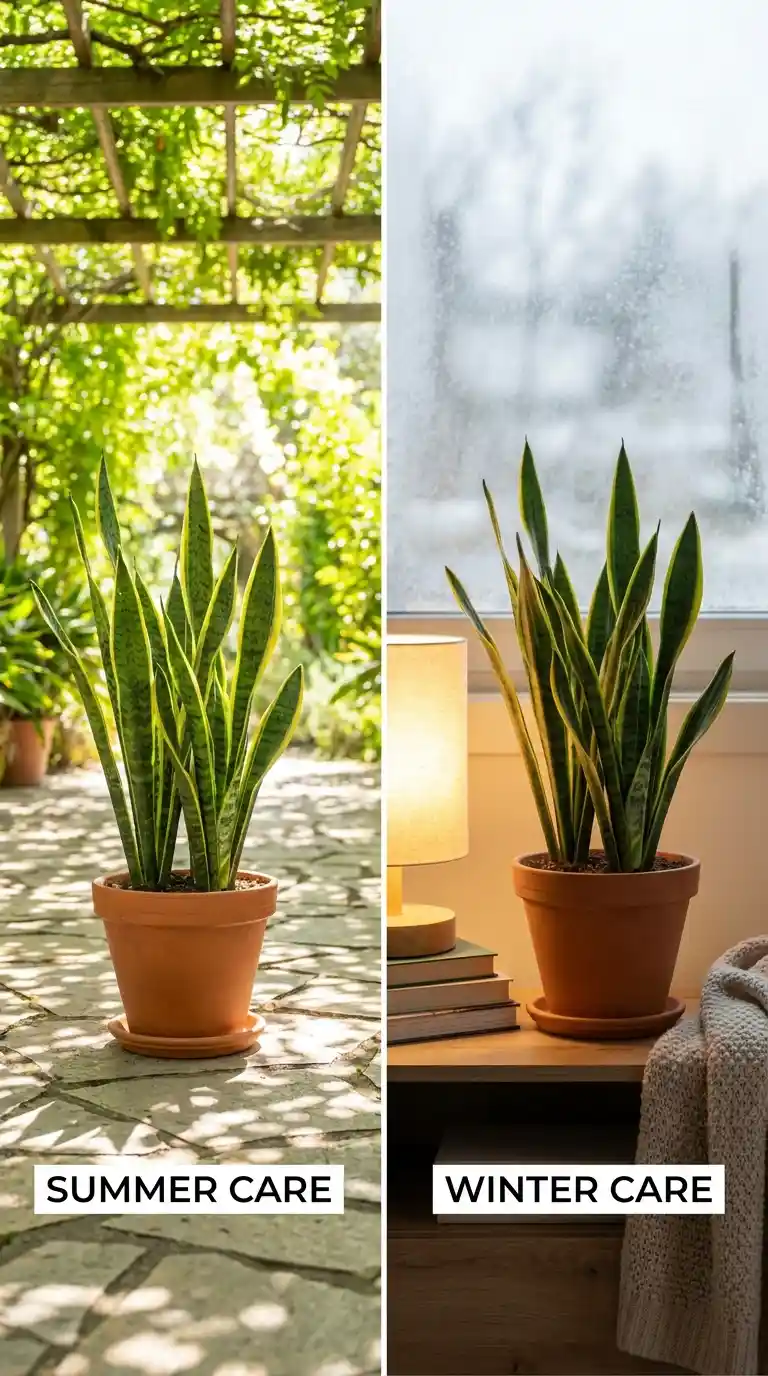
In fall and winter, the snake plant essentially goes into a resting period. Growth slows dramatically or stops altogether. During this time, cut back on watering significantly. I water mine once every three to four weeks in winter, sometimes less if the house is especially cool. Stop fertilizing entirely until you see new growth returning in spring.
Keep the plant away from cold drafts, heaters, and air conditioning vents. Sudden temperature fluctuations are more harmful than consistent cooler temperatures. If your home drops below 55 degrees Fahrenheit regularly in winter, consider moving the plant to a warmer interior spot.
Best Rooms for Snake Plant Placement in Your Home
Part of mastering how to care for snake plant is figuring out where to actually put it. Placement affects everything from light exposure and temperature to how often you will remember to water it. Here are some of the best spots in your home for this plant.
Snake Plants in the Bedroom
The bedroom is one of the most popular and beneficial places for a snake plant. As mentioned earlier, its nighttime oxygen production makes it a smart addition to sleeping spaces. The plant also adds a sculptural, calming visual element to bedrooms without demanding a lot of maintenance. A taller variety in a sleek pot looks stunning next to a bed or in the corner of a minimalist bedroom.
If your bedroom does not get a lot of natural light, that is fine. Snake plants tolerate low light better than almost any other common houseplant. Just keep in mind that growth will be slower and the colors slightly less vibrant. For the health benefits alone, it is still worth having one there.
Snake Plants in the Bathroom
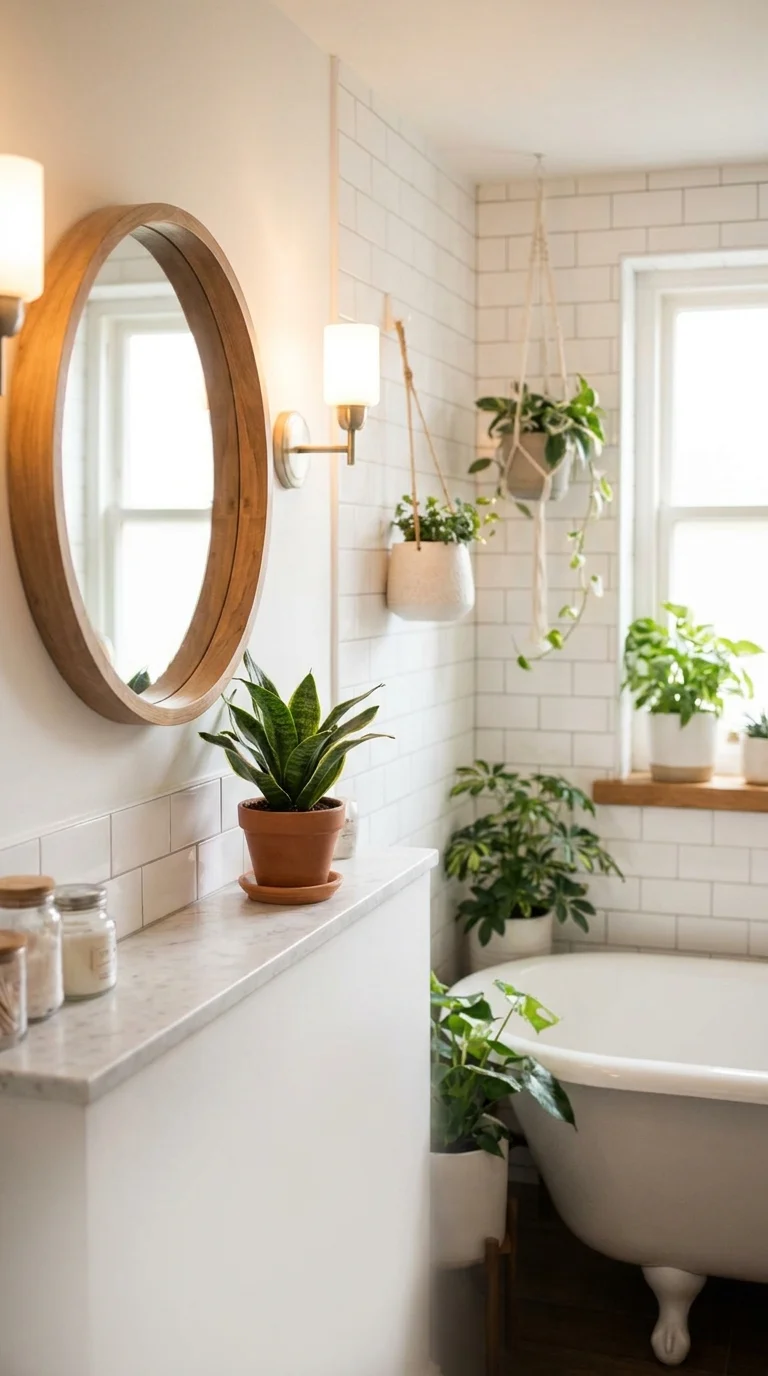
Bathrooms often have higher humidity from showers and baths, which is not harmful to snake plants but does mean you should water even less frequently to avoid moisture buildup in the soil. If your bathroom has even a small window, a snake plant can do quite well there. The combination of humidity, indirect light, and warmth from hot showers can actually help a snake plant look particularly lush.
A bird’s nest snake plant is an especially good fit for small bathrooms where counter space is limited. Its compact rosette shape fits neatly on a shelf or window ledge without taking up too much room.
Is the Snake Plant Safe? Toxicity for Pets and Children
This is an important topic that comes up whenever discussing how to care for snake plant in households with animals or young children. Snake plants do contain saponins, which are natural chemical compounds that the plant produces as a defense mechanism against insects and fungi. These compounds can be toxic to pets and, to a lesser degree, humans when ingested.
For dogs and cats, ingesting snake plant leaves can cause symptoms including nausea, vomiting, drooling, diarrhea, and lethargy. The symptoms are usually mild to moderate in severity and rarely life-threatening, but they are still unpleasant and definitely something you want to prevent. If you have pets that like to chew on plants, place your snake plant somewhere out of reach.
For humans, especially young children, ingesting parts of the plant can cause similar gastrointestinal upset. It is unlikely to cause serious harm, but it is best to keep children from chewing on the leaves as a general precaution. The sap can also cause mild skin irritation in some people, so it is a good idea to wear gloves when pruning or repotting.
Also Read: The Ultimate Guide to Low Lights Plant Indoor That Instantly Transform Your Home in 2026
Why Your Snake Plant Is Not Growing and How to Fix It
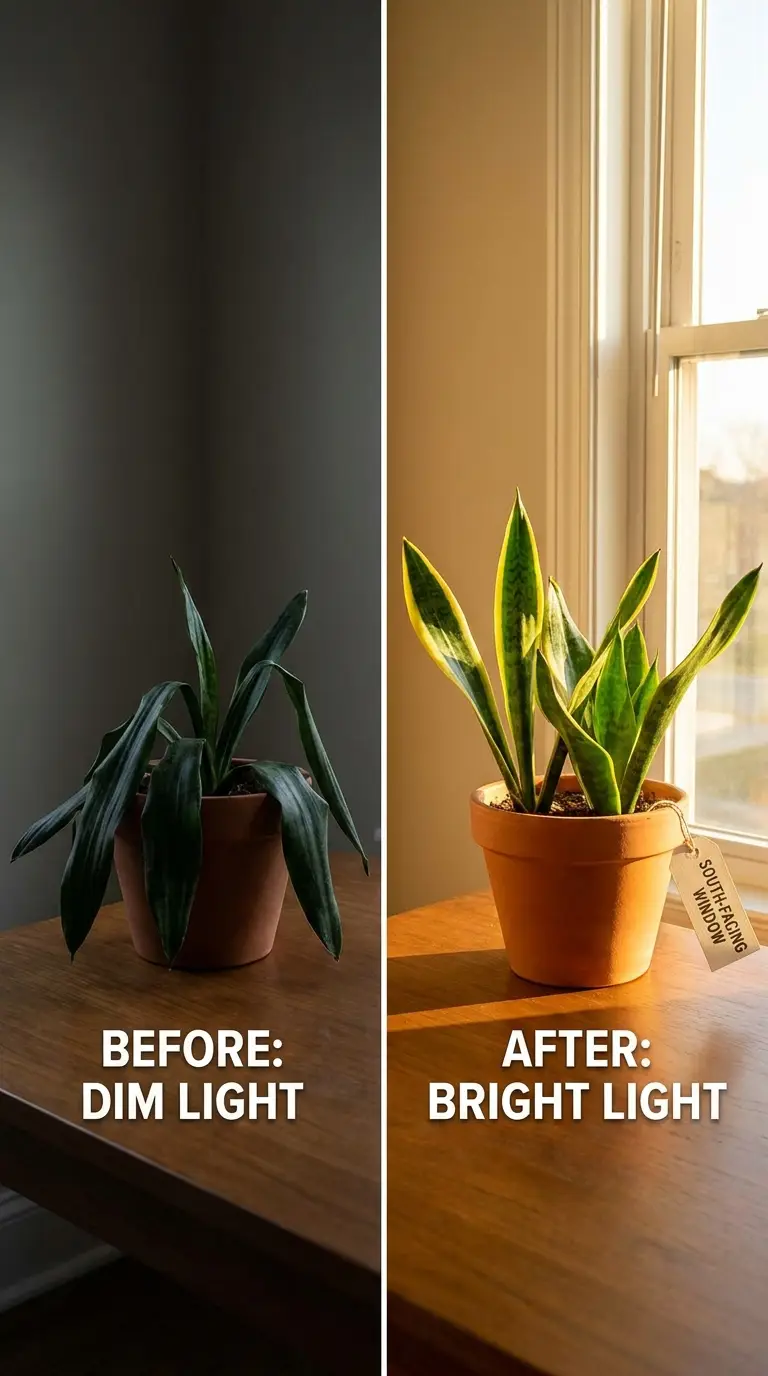
One question I hear often from people who are figuring out how to care for snake plant is: why is mine not growing? The honest answer is that snake plants are naturally slow growers, so what feels like no growth is sometimes just the plant doing exactly what it is supposed to do.
That said, if your plant has not produced a single new leaf in over a year and you are in the growing season, something might be holding it back. The most common culprits are insufficient light, root-bound conditions where the plant has outgrown its pot and needs to be divided, or a soil that has become so compacted that it is limiting root growth and water uptake.
Try moving the plant to a brighter spot for a few weeks and see if that makes a difference. If it has been in the same pot for three or more years, repotting into a slightly larger container with fresh soil can give it the boost it needs. And remember, spring is the best time to do this since the plant will naturally be entering its active growth phase and will recover quickly.
Closing Thoughts
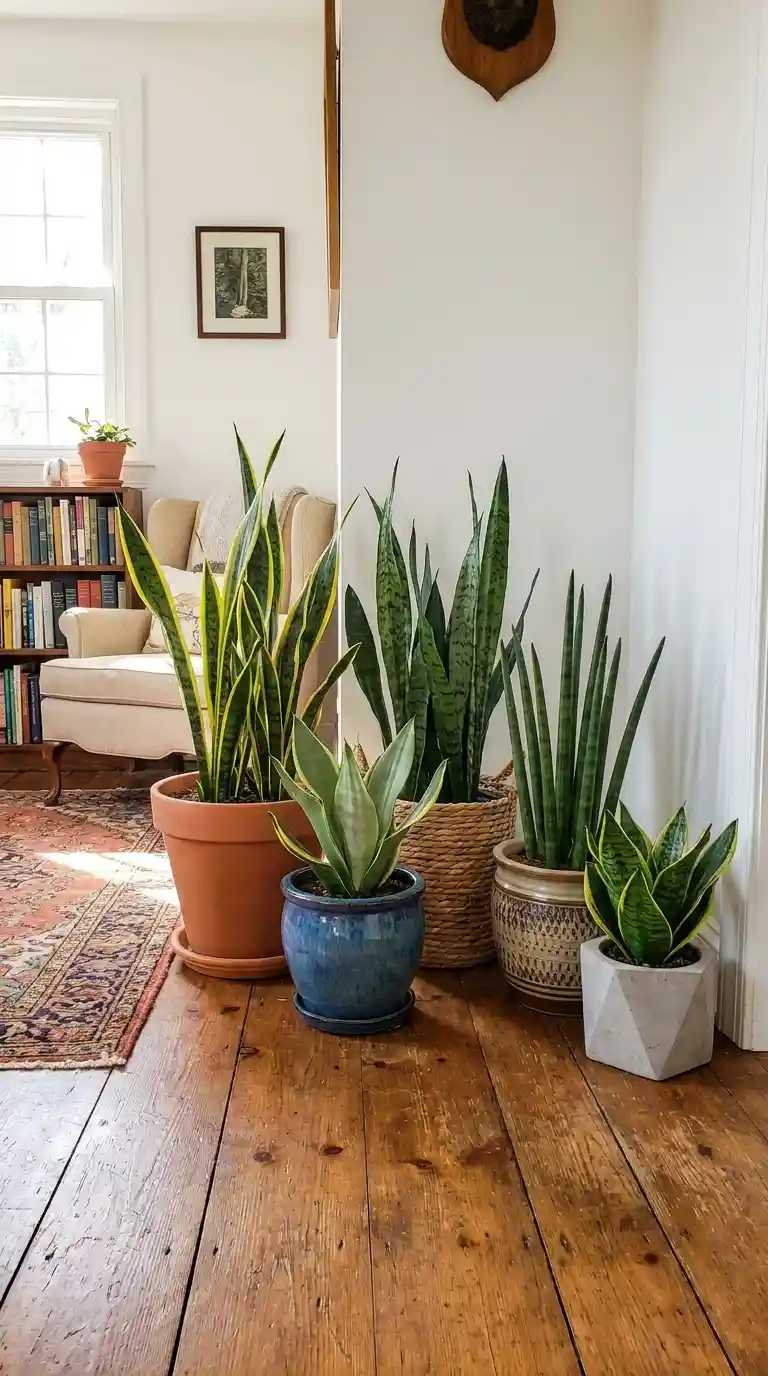
If you have made it this far, you now know more about how to care for snake plant than most people who have owned one for years. These plants are genuinely one of the most rewarding houseplants you can grow because they give back so much more than they ask for. A little bright light, occasional watering, and well-draining soil, and they will thrive for years, sometimes decades.
The single biggest mistake to avoid is overwatering. If you take nothing else from this entire guide, take that. Let the soil dry out completely. Trust the plant. It has survived millions of years in dry, rocky landscapes without someone watering it twice a week, and it will do just fine in your home on a relaxed schedule too.
I genuinely love these plants. They have made me a more confident plant parent, they have taught me patience, and they have added so much life and beauty to every room they occupy. I hope this guide helps your snake plant thrive just as much as mine have, and I hope you enjoy every single new leaf that unfurls along the way.
Frequently Asked Questions
1. How often should I water my snake plant?
Water your snake plant every two to three weeks during spring and summer, and reduce to once every three to four weeks or even less in fall and winter. The key rule is to let the soil dry out completely between waterings. Stick your finger two to three inches into the soil. If there is any moisture at all, wait. Overwatering is by far the most common mistake people make when learning how to care for snake plant.
2. Can snake plants grow in low light?
Yes, snake plants are one of the most tolerant houseplants when it comes to low light conditions. They will survive in dim corners and rooms with small windows. However, they grow much more slowly and the leaf colors are less vibrant in low light. For the best results, provide medium to bright indirect light. They genuinely thrive near a bright window with filtered sun.
3. Why are my snake plant leaves turning yellow?
Yellow leaves on a snake plant are almost always caused by overwatering or poor drainage. When the roots sit in wet soil for too long, they begin to rot and can no longer absorb nutrients properly, causing the leaves to turn yellow and soft. Check the roots for rot, reduce watering immediately, and consider repotting into fresh, dry, well-draining soil if the problem is severe.
4. How do I know if my snake plant needs repotting?
Signs that your snake plant needs repotting include roots growing out of the drainage holes, the pot cracking from root pressure, the plant appearing to push itself out of the container, or growth that has stalled despite good care conditions. Snake plants prefer being slightly root-bound and only need repotting every two to three years on average. When you do repot, go only one to two inches larger in pot diameter.
5. Are snake plants toxic to cats and dogs?
Yes, snake plants contain saponins, which are mildly toxic to cats and dogs. If a pet ingests part of the plant, symptoms can include vomiting, drooling, nausea, and diarrhea. The effects are typically mild to moderate. If you have pets that chew on plants, place the snake plant out of their reach or consider choosing a different pet-safe plant for low areas of your home.
6. Can I put my snake plant outside in summer?
Absolutely. Snake plants can go outdoors in summer and often appreciate the fresh air and natural light. Place them in a spot with bright indirect light or dappled shade. Avoid intense direct afternoon sun, which can scorch the leaves. Transition them gradually from indoors to outdoors over one to two weeks. Bring them back inside before nighttime temperatures drop below 55 degrees Fahrenheit.
7. How do I propagate a snake plant?
You can propagate a snake plant in three main ways. The easiest is division, where you separate the pups or offshoots that grow from the mother plant’s base. You can also propagate through leaf cuttings placed in water or soil. For leaf cuttings in water, cut a healthy leaf into three to four inch sections and place them upright in water, keeping track of which end is the bottom. Roots typically appear within four to eight weeks.
8. What kind of soil is best for snake plants?
Snake plants need well-draining soil that does not hold moisture for long periods. A cactus or succulent potting mix works perfectly. You can also mix regular potting soil with perlite in a ratio of about 60:40 to improve drainage. Avoid heavy, clay-rich soils or any mix that compacts easily, as these create waterlogged conditions that lead to root rot.
9. Do snake plants need fertilizer?
Snake plants are light feeders and do not need much fertilizer. During the growing season from spring to early fall, you can feed once a month with a balanced liquid fertilizer diluted to half strength. Stop feeding entirely in fall and winter when the plant is in its dormant phase. Over-fertilizing can cause salt buildup in the soil and burn the roots, so less is definitely more with these plants.
10. Why are the tips of my snake plant leaves turning brown?
Brown leaf tips on a snake plant are usually caused by fluoride or mineral buildup from tap water, over-fertilizing, inconsistent watering, or very low humidity. Try switching to filtered water or collecting rainwater for watering. Flush the soil periodically to remove accumulated salts. Once a leaf tip turns brown, it will not recover, but you can trim it with clean scissors at a slight angle to maintain the natural leaf shape.
11. Can snake plants survive without sunlight?
Snake plants can survive in very low light conditions and are one of the best choices for dark corners or rooms with limited windows. They will not actually grow in complete darkness since all plants need some light for photosynthesis. But they can manage on minimal natural light or even artificial light from fluorescent office lighting. Just adjust your expectations for growth rate and leaf vibrancy in very dim conditions.
12. How tall do snake plants grow?
The height of a snake plant depends largely on the variety. Standard Dracaena trifasciata can reach two to four feet tall indoors, with some specimens growing even taller given ideal conditions. The dwarf bird’s nest variety stays very compact at six to eight inches. Cylindrical snake plants typically reach two to three feet. Growth is slow overall, so a snake plant will not suddenly outgrow its space overnight.
13. Do snake plants clean the air?
Snake plants were listed in NASA’s famous Clean Air Study as effective at removing indoor pollutants like formaldehyde, benzene, and xylene. While more recent research suggests you would need a large number of plants to make a measurable real-world difference, snake plants do contribute positively to indoor air quality. Their nighttime oxygen production through CAM photosynthesis also makes them a particularly smart choice for bedrooms.