
I still remember the first summer I moved into my little rental with the concrete patio out back. It was bare, grey, and honestly kind of depressing. I did not know much about gardening back then, but I knew I wanted to sit outside in the evenings with a cup of tea and actually enjoy the view instead of staring at a slab of cement. So I started buying pots, killing a few plants along the way, and slowly figuring out what actually works in containers and what does not.
Years later, my patio is the spot everyone wants to hang out in when they visit. Friends ask me all the time what I used, how I keep everything alive, and what they should buy for their own space. So I decided to put everything I have learned into one place. This guide covers the best outdoor plants for patio areas of every size, every light condition, and every skill level. Whether you have a huge stone patio or a tiny apartment balcony that barely fits two chairs, you will find something here that works for you.
Let us get into it.
Also Read: How to Care for Snake Plant: The Ultimate Beginner to Expert Guide for a Thriving, Gorgeous Plant
Why Outdoor Plants for Patio Spaces Are Worth the Investment
A patio without plants feels unfinished. It does not matter how nice your furniture is or how expensive your outdoor rug looks, an empty patio always feels a bit sterile and cold. Adding outdoor plants for patio corners softens hard edges, brings in color, and gives the whole space a sense of life.
There is also a practical side to this. Plants on a patio can block harsh afternoon sun, reduce noise from the street, and even improve the air quality right around your seating area. I noticed a real difference in how much time my family spent outside once we added greenery. People just naturally gravitate toward spaces that feel alive.
Beyond the aesthetics, gardening in containers is also one of the most relaxing hobbies you can pick up. There is something calming about checking on your plants every morning with your coffee, noticing a new bud, or trimming back a stem that got a little wild. It becomes part of your routine in a way that sneaks up on you.
If you are on the fence about whether it is worth the effort, I promise you it is. A handful of well chosen outdoor plants for patio containers can completely change how a space feels and functions.
How to Choose the Right Outdoor Plants for Patio Areas
Before you run to the garden center and buy every pretty flower you see, it helps to think through a few things first. I made this mistake early on, buying plants purely because they looked nice in the store, only to watch them wilt within a week because they were not suited to my patio conditions.
Consider Your Sunlight
This is the single biggest factor in choosing outdoor plants for patio containers. Watch your patio for a full day if you can. Note when the sun hits directly, when it is shaded, and for how long each period lasts. A south facing patio in most climates gets strong direct sun for many hours, while a north facing one might stay shaded most of the day.
Full sun generally means six or more hours of direct light. Partial sun or partial shade means three to six hours. Full shade means less than three hours of direct light, though plenty of ambient brightness can still support shade loving plants.
Think About Container Size
Roots need room to grow. A common mistake is cramming a plant that will eventually get large into a tiny pot. It might look fine for a season, but the plant will struggle, become root bound, and eventually decline. When picking outdoor plants for patio pots, always check the expected mature size and choose a container with enough depth and width to support it.
As a rule of thumb, go up at least two inches in diameter from the nursery pot the plant came in, and repot again as it grows. I keep a stash of various sized pots at home just so I am never caught without the right size when a plant needs an upgrade.
Must Read : How to Grow Indoor Plants: The Complete Beginner’s Guide to Thriving Green Spaces at Home
Match Plants to Your Climate
Not every plant survives everywhere. Some outdoor plants for patio settings are annuals in colder zones but perennials in warmer ones. Knowing your USDA hardiness zone, or your local equivalent if you are outside the United States, will save you a lot of frustration and wasted money. I always tell people to check their zone before buying anything they intend to keep for multiple years.
Best Outdoor Plants for Patio Containers
Now for the fun part. Here are some of my favorite outdoor plants for patio containers, broken down by what they bring to the table.
Flowering Outdoor Plants for Patio Color
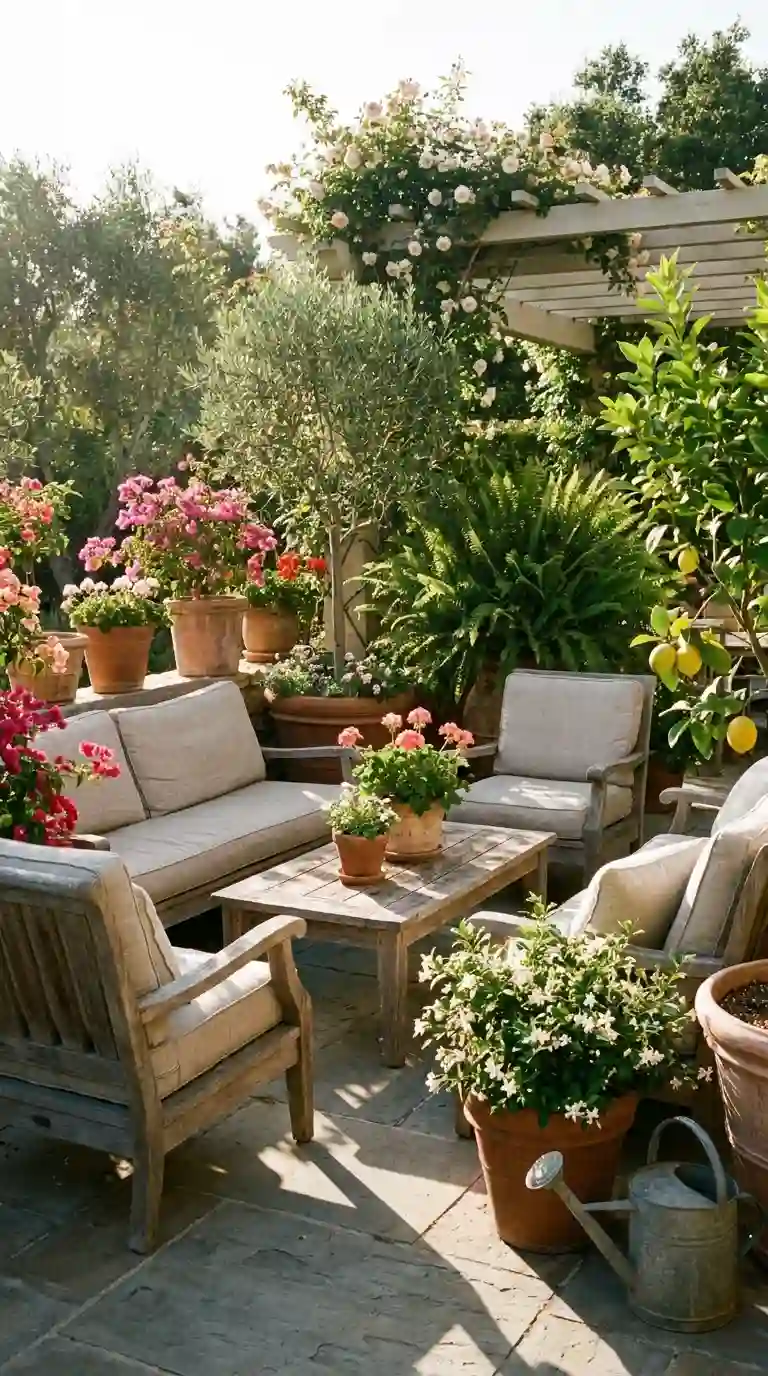
If you want your patio to feel cheerful and inviting, flowering plants are the way to go. Geraniums are one of the easiest and most rewarding choices. They bloom for months, tolerate some neglect, and come in shades of red, pink, white, and purple. I have kept the same geranium alive for three summers just by trimming it back and bringing it indoors when the weather turns cold.
Petunias are another favorite. They spill beautifully over the edges of pots and hanging baskets, and they bloom nonstop through summer if you deadhead them regularly. Marigolds are great too, especially if you deal with pests, since their scent naturally repels many insects.
For something a bit more dramatic, try hibiscus. The blooms are enormous and tropical looking, and even a single plant can become the focal point of your whole patio. I planted one in a large terracotta pot a few years back and it still stops visitors in their tracks every time they see it.
Evergreen Outdoor Plants for Patio Structure
Flowers are gorgeous, but they come and go with the seasons. Evergreens give your patio a backbone of structure that stays consistent year round. Boxwood shrubs are a classic choice, easy to shape into neat little balls or cones if you enjoy a tidy, formal look.
Dwarf conifers work beautifully in containers too, adding height and texture without overwhelming a smaller space. I have a small blue spruce in a pot near my patio door that gives the whole area a bit of winter interest when everything else has gone dormant.
Low Maintenance Outdoor Plants for Patio Owners
If you travel often or simply do not have hours to spend fussing over plants, low maintenance options are your best friend. Succulents and sedums are practically indestructible once established. They store water in their leaves, so missing a watering or two will not set them back.
Ornamental grasses are another underrated pick. They add movement and texture, require little care beyond an occasional trim, and many varieties survive winter without much protection. I switched a good chunk of my patio to grasses and succulents after a particularly busy summer where I barely had time to water, and honestly they thrived better than the fussier plants ever did.
Outdoor Plants for Patio Shade Areas
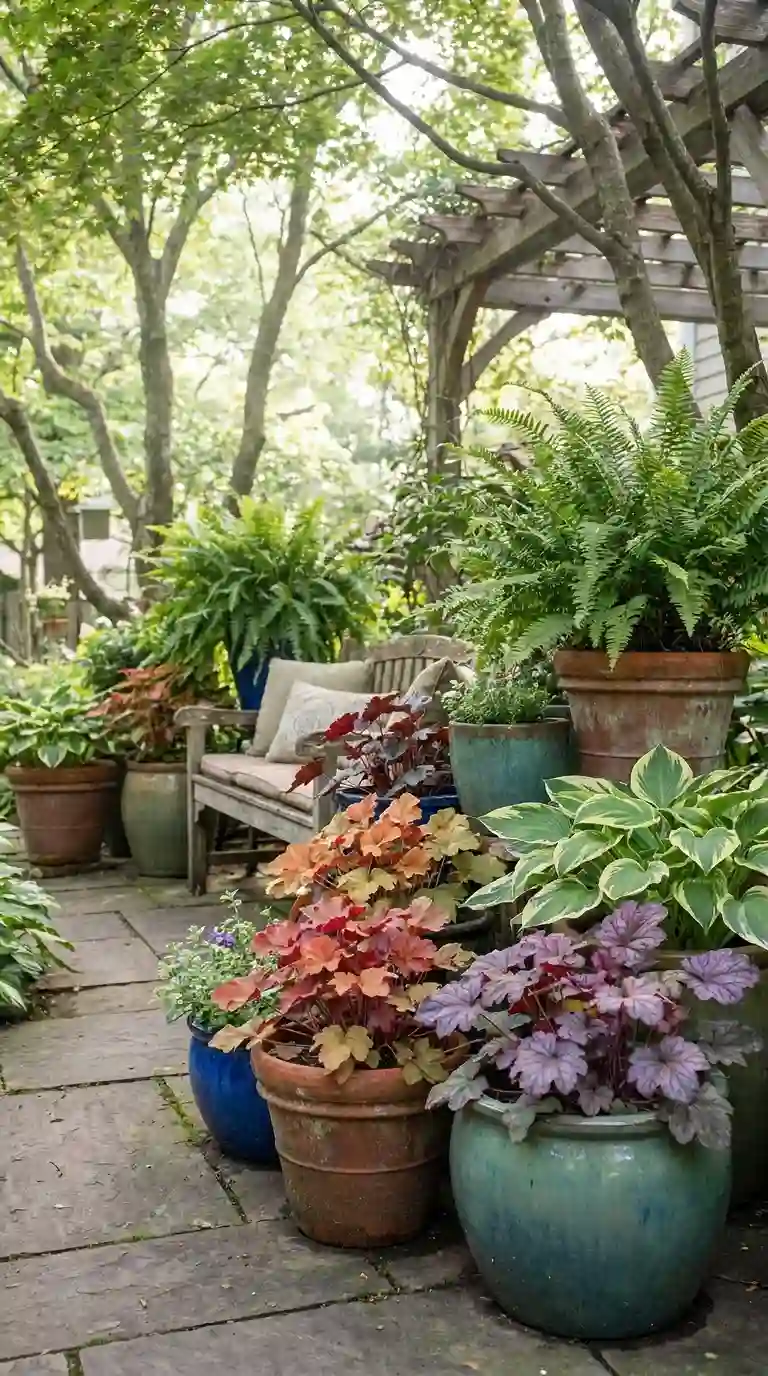
Not every patio gets bright sunshine all day, and that is perfectly fine. Shaded patios have their own charm, and plenty of outdoor plants for patio spots with limited light will flourish beautifully.
Hostas are a favorite for shady corners. Their broad, textured leaves come in dozens of shades of green, some even variegated with white or yellow. They fill out a pot nicely and require very little fuss once settled in.
Ferns are another classic shade lover. Boston ferns look gorgeous in hanging baskets on a covered patio, softening the space with their delicate, feathery fronds. Just remember they like consistent moisture, so do not let them dry out completely between waterings.
Impatiens bring color into shady spots where many flowering plants would struggle. They bloom prolifically in low light and come in bright shades of pink, red, orange, and white. I like mixing them with ferns for a layered, lush look that feels almost like a mini rainforest corner.
Coral bells, also known as heuchera, are another wonderful choice for shaded outdoor plants for patio containers. Their foliage comes in stunning colors ranging from deep purple to lime green to amber, and they hold their color through most of the growing season.
Outdoor Plants for Patio Full Sun Spots
On the flip side, if your patio bakes in the sun all afternoon, you need tougher, heat loving plants. Lantana is a fantastic choice here. It handles heat like a champ, blooms constantly, and attracts butterflies, which is always a nice bonus if you enjoy watching wildlife from your seat.
Bougainvillea is another sun worshipper, known for its vibrant papery bracts in shades of magenta, orange, and purple. It can be trained up a trellis for a dramatic vertical statement or kept compact in a pot.
Succulents once again deserve a mention here, since most varieties absolutely love full sun exposure. Agave, aloe, and various cacti thrive in hot, dry conditions and require very little water once established.
Rosemary and lavender also do beautifully in sunny spots and give you the added bonus of fragrance and, in the case of rosemary, something you can actually cook with. I keep a pot of rosemary right next to my grill for exactly that reason.
Also Read : 60 Brilliant Vertical Garden Ideas That Will Completely Transform Any Space — Big or Small
Best Outdoor Plants for Small Patio Spaces
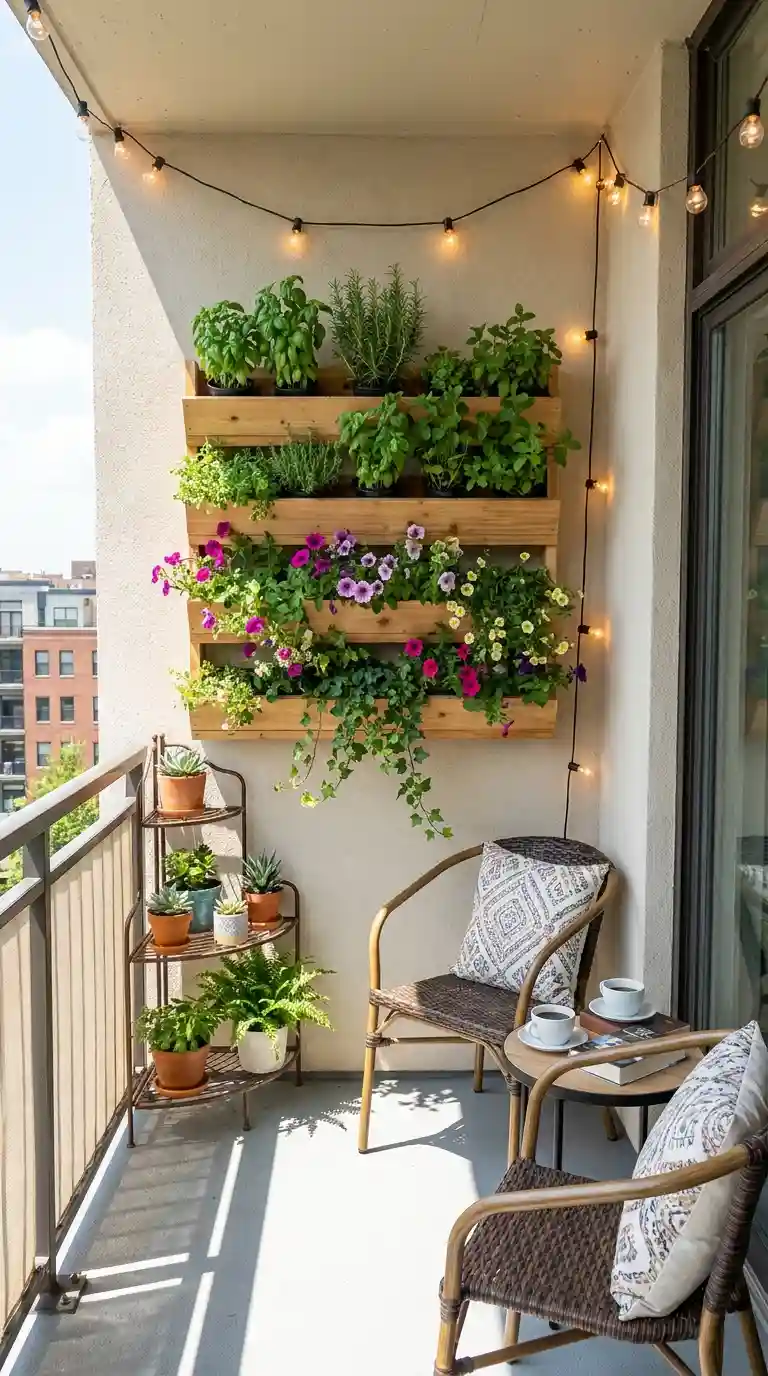
Not everyone has a sprawling backyard patio. Plenty of us are working with a small balcony or a narrow strip of concrete, and that is where the right choice of outdoor plants for patio spaces really makes a difference.
Vertical gardening is your best friend in tight spaces. Wall mounted planters, hanging baskets, and tiered plant stands let you fit far more greenery into a small footprint than you might expect. I have a friend with a tiny apartment balcony who uses a ladder style plant stand to fit twelve different pots into a space barely six feet wide.
Compact varieties of popular plants are also worth seeking out. Many nurseries now sell dwarf tomatoes, mini roses, and patio sized citrus trees specifically bred to stay small while still producing well. These are perfect outdoor plants for patio gardeners who want the joy of growing food or flowers without needing acres of space.
Herbs deserve a special mention for small patios. Basil, mint, thyme, and chives all do well in small pots, take up minimal room, and give you something useful in return. There is nothing quite like snipping fresh basil for dinner from a plant sitting right outside your door.
Outdoor Plants for Patio Privacy Screens
If your patio backs up to a neighbor’s yard or a busy street, plants can do double duty as a natural privacy screen. Tall grasses like pampas grass or feather reed grass grown in large containers can create a soft, swaying barrier without the harshness of a fence.
Clumping bamboo is another excellent option, though I always recommend the clumping variety over running bamboo, since running types can spread aggressively and become a nightmare to control. In containers, this is less of an issue, which makes bamboo a genuinely great choice among outdoor plants for patio privacy needs.
Arborvitae, especially the columnar varieties, work well too if you want something evergreen and formal looking. They stay narrow while growing tall, which is exactly what you want when space is limited but height is needed.
Climbing vines on a trellis are another beautiful solution. Clematis, climbing roses, and jasmine can all be trained to climb a lattice panel, creating a living wall of greenery and, in the case of jasmine, incredible fragrance in the evening air.
Seasonal Outdoor Plants for Patio Displays
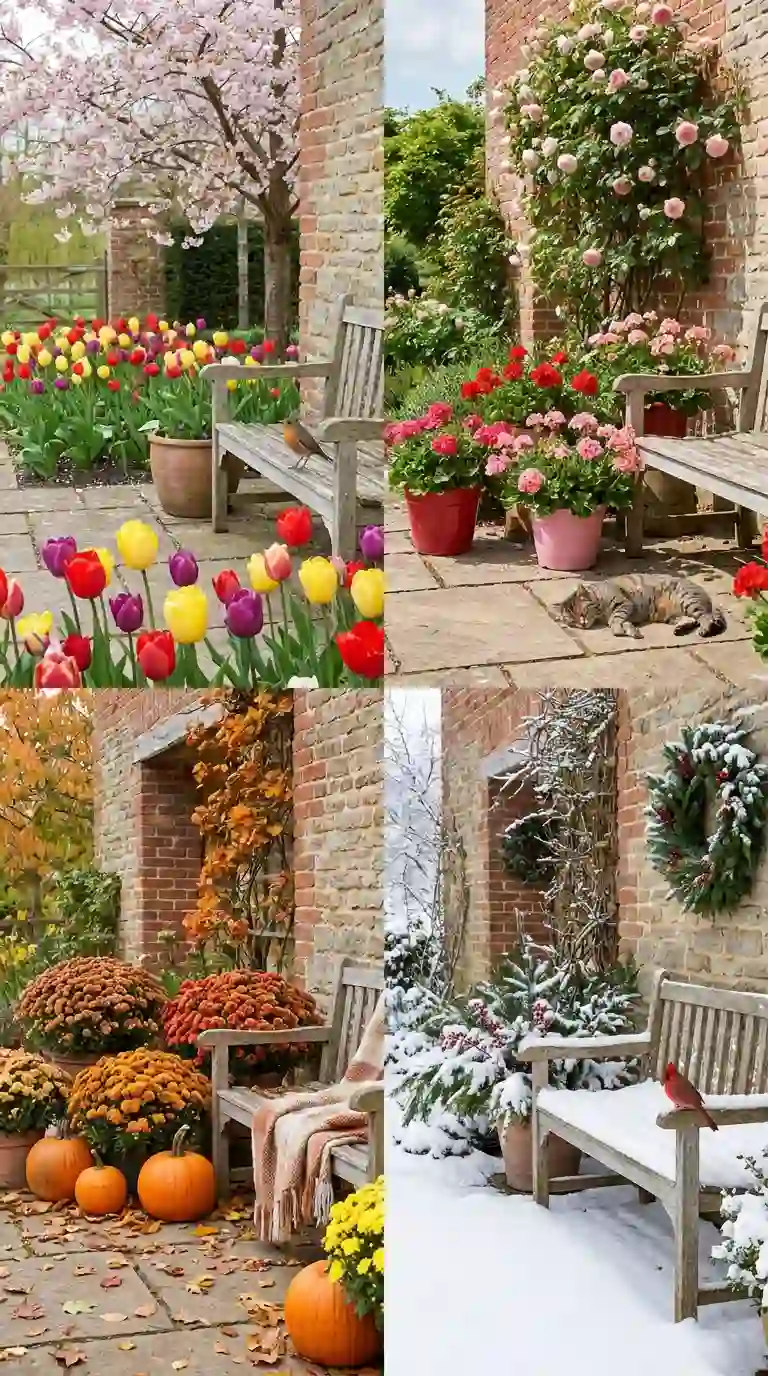
One thing I love about container gardening is how easy it is to switch things up with the seasons. You are not locked into one look all year.
Spring
Spring is the time for bulbs and cool season color. Tulips, daffodils, and pansies bring the patio back to life after a long winter. I usually plant bulbs in the fall so they are ready to burst into bloom the moment the weather warms up.
Summer
Summer is peak season for outdoor plants for patio color, with geraniums, petunias, marigolds, and hibiscus all hitting their stride. This is when your patio should feel the most vibrant and full.
Fall
As temperatures cool, mums and ornamental cabbage take center stage. These hold up well through light frost and give the patio a warm, autumnal feel that pairs perfectly with pumpkins and cozy outdoor blankets.
Winter
Winter does not mean your patio has to look bare. Evergreen shrubs, ornamental grasses left standing for texture, and even winterberry holly with its bright red berries keep things visually interesting when everything else has gone dormant.
Read Also: Transform Your Home Instantly: The Ultimate Guide to Interior Decor Plants That Actually Work
How to Care for Outdoor Plants for Patio Containers
Choosing the right plants is only half the battle. Keeping them thriving requires a bit of consistent care, though it is far less complicated than people often assume.
Watering Tips
Container plants dry out faster than plants in the ground because their roots have less soil to draw moisture from and pots are exposed to air on all sides. I check my pots daily during hot weather, sticking a finger about an inch into the soil to test for dryness before watering.
Overwatering is just as dangerous as underwatering, if not more so. Soggy roots invite rot and fungal problems. Always make sure your containers have drainage holes, and never let a pot sit in a saucer full of standing water for extended periods.
Fertilizing Schedule
Because container soil gets watered frequently, nutrients wash out faster than they would in garden beds. I feed my outdoor plants for patio containers with a balanced liquid fertilizer roughly every two weeks during the growing season. Slow release granular fertilizers mixed into the soil at planting time are another convenient option if you prefer a lower maintenance routine.
Pruning and Deadheading
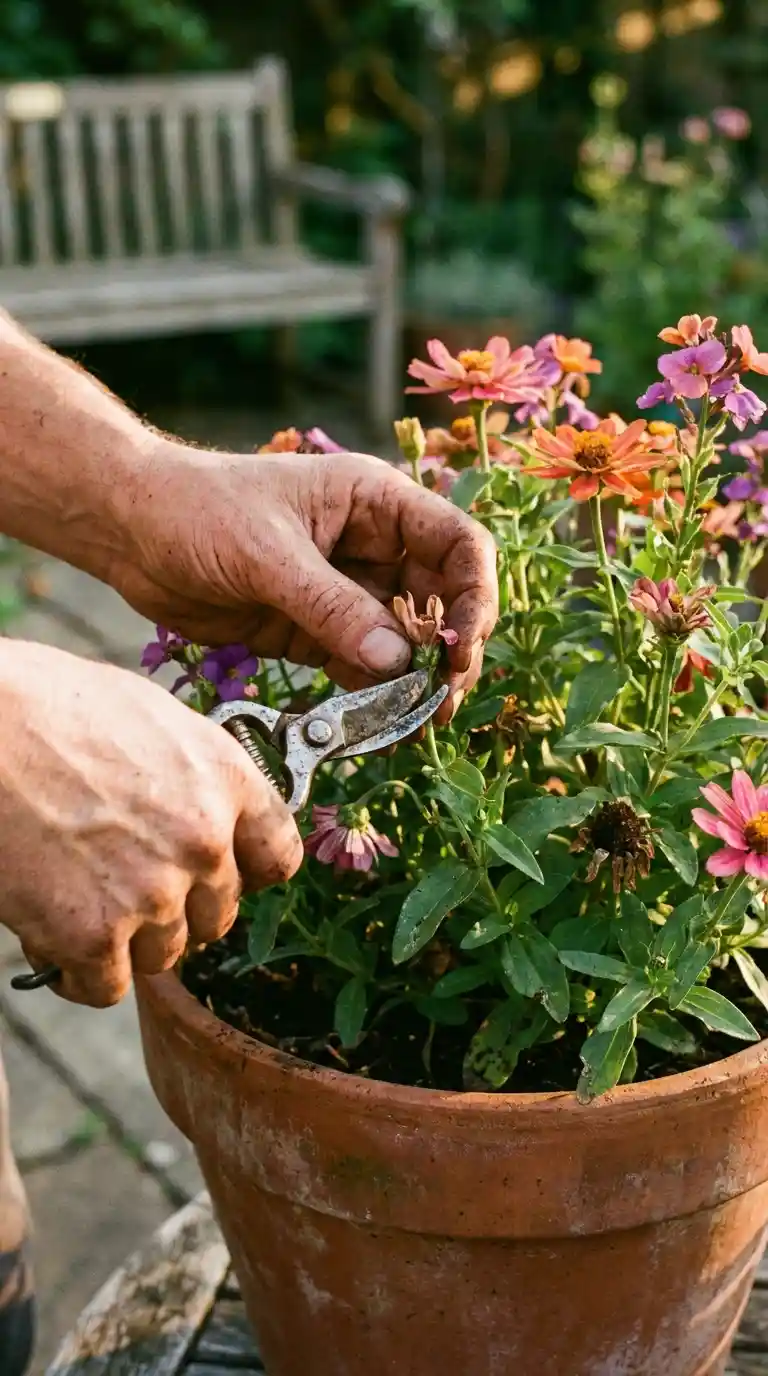
Regularly removing spent blooms, a practice known as deadheading, encourages many flowering plants to keep producing new flowers instead of putting energy into seed production. I make it a habit to walk around my patio every few days with a small pair of snips, tidying up anything that looks tired or leggy.
Pruning also helps control size, which matters a lot in containers where space is limited. A little trim here and there keeps everything looking neat and encourages fuller, bushier growth.
Common Mistakes People Make With Outdoor Plants for Patio Gardens
I have made plenty of mistakes over the years, so let me save you some trouble by sharing the most common ones I see.
The first is choosing plants without checking sunlight requirements. It is tempting to buy whatever looks prettiest at the store, but a sun loving plant placed in deep shade will struggle no matter how much you water or fertilize it.
The second mistake is using pots that are too small. As mentioned earlier, cramped roots lead to stressed, stunted plants. When in doubt, size up.
The third is inconsistent watering. Letting plants swing between bone dry and soaking wet stresses them out. Consistency matters far more than perfection here.
The fourth mistake is ignoring drainage. A pot without proper drainage holes is basically a slow motion disaster waiting to happen. I have lost more than one plant to root rot before I learned this lesson the hard way.
Finally, people often forget that outdoor plants for patio containers need repotting as they grow. A plant that outgrows its pot will eventually stop thriving no matter how well you care for it otherwise. Checking roots once or twice a year and sizing up when needed keeps everything healthy long term.
Design Ideas Using Outdoor Plants for Patio Decor
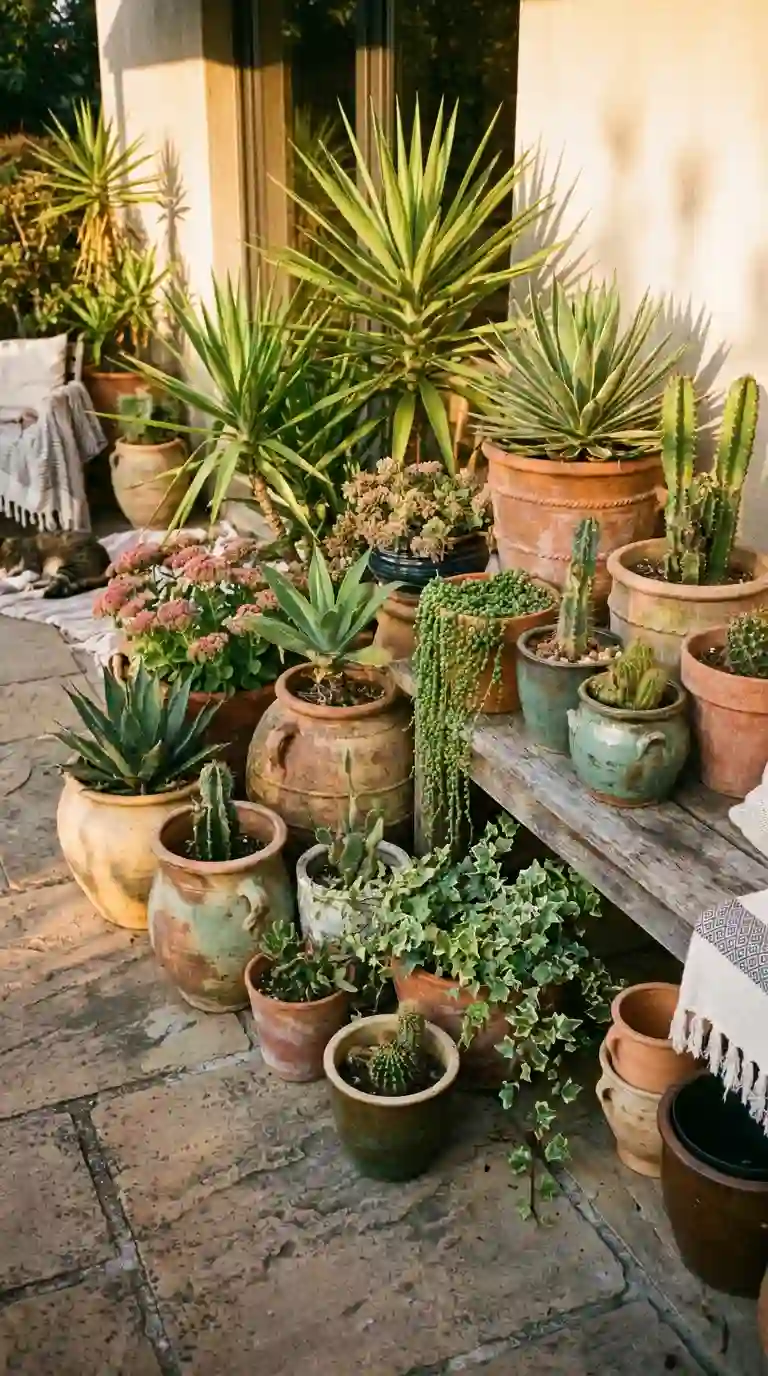
Beyond just picking healthy plants, there is real joy in arranging them thoughtfully. I like grouping pots of varying heights together rather than lining them all up at the same level. This creates visual interest and mimics the layered look you would find in a natural garden bed.
Mixing textures also makes a huge difference. Pairing something spiky, like an agave, next to something soft and trailing, like a fern or ivy, creates contrast that keeps the eye moving around the space.
Color coordination is another fun element to play with. Some people prefer a monochromatic look with all white or all pastel blooms, while others go bold with a rainbow of clashing colors. I personally lean toward a palette of purples, pinks, and deep greens because it feels calm without being boring.
Do not overlook containers themselves as part of the design. Terracotta gives a classic, earthy feel. Glazed ceramic pots in bold colors can become statement pieces on their own. Even repurposed items like old wooden crates or galvanized buckets can work beautifully for outdoor plants for patio arrangements if you enjoy a more rustic, eclectic vibe.
Pet Friendly Outdoor Plants for Patio Homes
If you share your home with dogs or cats, it is worth knowing which plants are safe to have around. Some common outdoor plants for patio spaces are actually toxic to pets if chewed or ingested.
Marigolds, petunias, and sunflowers are generally considered safe choices. Snapdragons and zinnias are also good options if you have curious pets who like to sniff or nibble at greenery.
On the other hand, plants like lantana, foxglove, and certain lilies can be dangerous to pets and should be avoided or kept well out of reach if you have animals who spend time on the patio with you. My own dog has never shown much interest in eating plants, but I still made the switch to safer varieties after a scare with a neighbor’s cat years ago.
Always double check with a trusted veterinary resource before bringing a new plant home if you are unsure about its safety around animals.
Also Read : Stunning Garden Curbing Ideas That Actually Work
Budget Friendly Outdoor Plants for Patio Beginners
You do not need to spend a fortune to create a beautiful patio. Some of the best outdoor plants for patio beginners are also the cheapest and easiest to find.
Growing from seed is by far the most budget friendly approach. Marigolds, zinnias, and cosmos are all easy to start from seed and cost a fraction of what a fully grown nursery plant would run you. I started my very first patio garden entirely from seed packets that cost less than a coffee each.
Propagating from cuttings is another free way to expand your collection. Many succulents, herbs, and even geraniums root easily from a simple stem cutting placed in water or moist soil. Friends and neighbors are often happy to share cuttings if you ask.
Buying perennials instead of annuals also saves money long term, since perennials come back year after year instead of needing to be replaced every season. Investing a bit more upfront in a few solid perennial outdoor plants for patio containers pays off over several years of enjoyment.
Final Thoughts
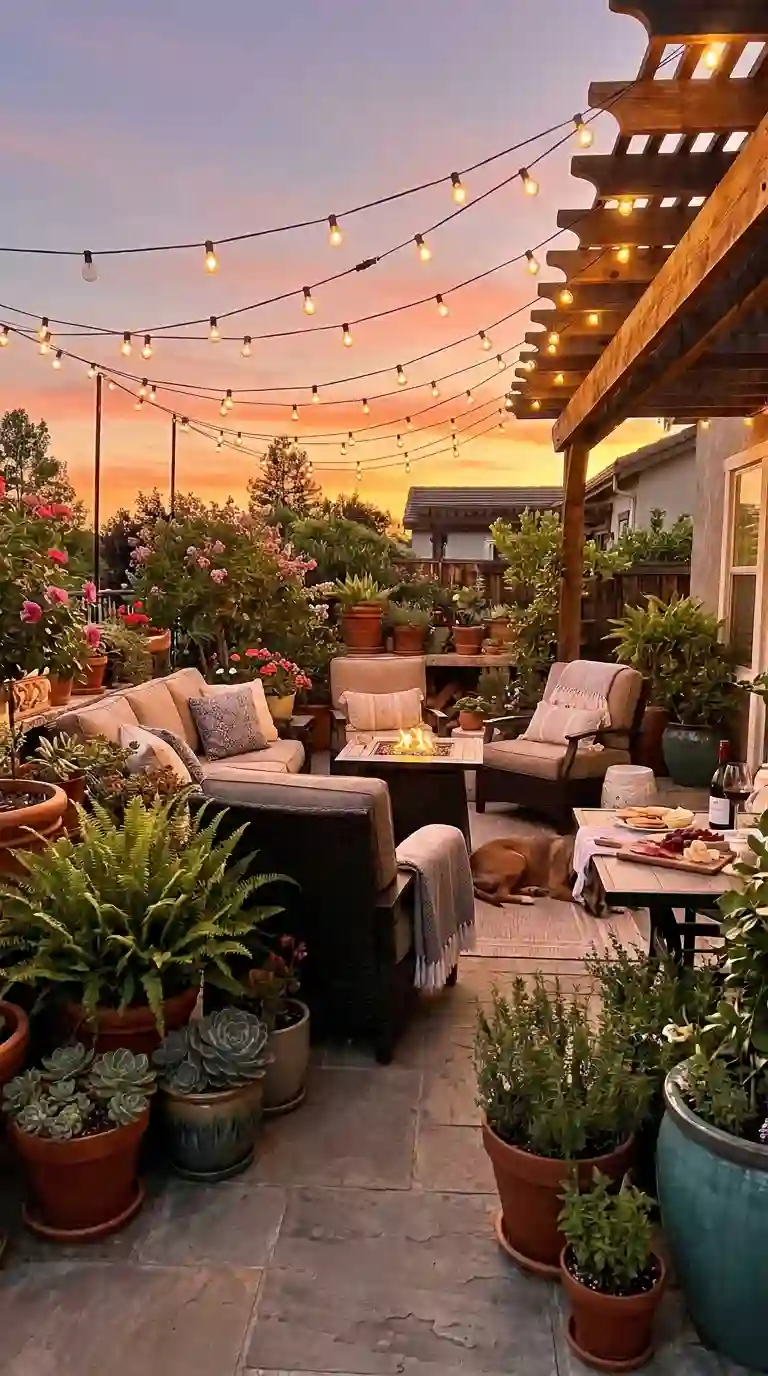
Building a beautiful patio with the right plants does not happen overnight, and that is honestly part of the fun. My own patio has evolved constantly over the years, with plants coming and going, arrangements shifting, and my own tastes changing along the way. Do not feel pressure to get everything perfect right from the start.
Start small if you need to. Pick one or two outdoor plants for patio spots that match your light conditions and go from there. Pay attention to how they grow, learn from what works and what does not, and slowly build out your space over time. Before you know it, you will have a patio that feels like a genuine extension of your home, a place where you actually want to spend your mornings and evenings.
If there is one piece of advice I would leave you with, it is this. Do not overthink it too much. Plants are forgiving, and even mistakes usually teach you something useful for next time. Get out there, get your hands a little dirty, and enjoy the process of building your own little green corner of the world.
Frequently Asked Questions
1. What are the easiest outdoor plants for patio containers?
Succulents, geraniums, marigolds, and ornamental grasses are among the easiest options. They tolerate a range of conditions and forgive occasional missed waterings.
2. What plants do well in pots on a patio?
Most compact varieties of flowering annuals, herbs, dwarf shrubs, and succulents do well in containers as long as the pot size matches the plant’s mature root system and drainage is adequate.
3. How often should I water outdoor plants for patio pots?
This depends on the plant, pot size, and weather, but during hot summer months many container plants need water daily or every other day. Always check soil moisture before watering rather than following a rigid schedule.
4. What are the best low maintenance outdoor plants for patio spaces?
Succulents, sedums, ornamental grasses, and boxwood shrubs require minimal attention once established, making them ideal for busy schedules or beginner gardeners.
5. Can outdoor plants for patio containers survive winter?
Many perennials and evergreens can survive winter outdoors depending on your climate zone. In colder regions, some plants need to be moved indoors or given extra protection to survive freezing temperatures.
6. What plants are best for a shady patio?
Hostas, ferns, impatiens, and coral bells all thrive in shaded or partially shaded patio conditions and add lush color without needing direct sunlight
7. What plants work best for a sunny patio?
Lantana, bougainvillea, succulents, rosemary, and lavender all handle full sun exposure well and often perform better in bright, hot conditions.
8. How do I keep pests away from my patio plants?
Marigolds naturally repel many common pests, and keeping plants healthy through proper watering and fertilizing reduces vulnerability to insect damage. Regularly inspecting leaves for early signs of trouble also helps catch problems before they spread.
9. What are good outdoor plants for patio privacy screens?
Tall ornamental grasses, clumping bamboo, columnar arborvitae, and climbing vines on trellises all work well to create natural privacy on a patio.
10. Are outdoor plants for patio containers safe for pets?
Not all plants are pet safe. Marigolds, petunias, zinnias, and snapdragons are generally considered safe, while lantana, foxglove, and certain lilies can be toxic and should be avoided around curious pets.