
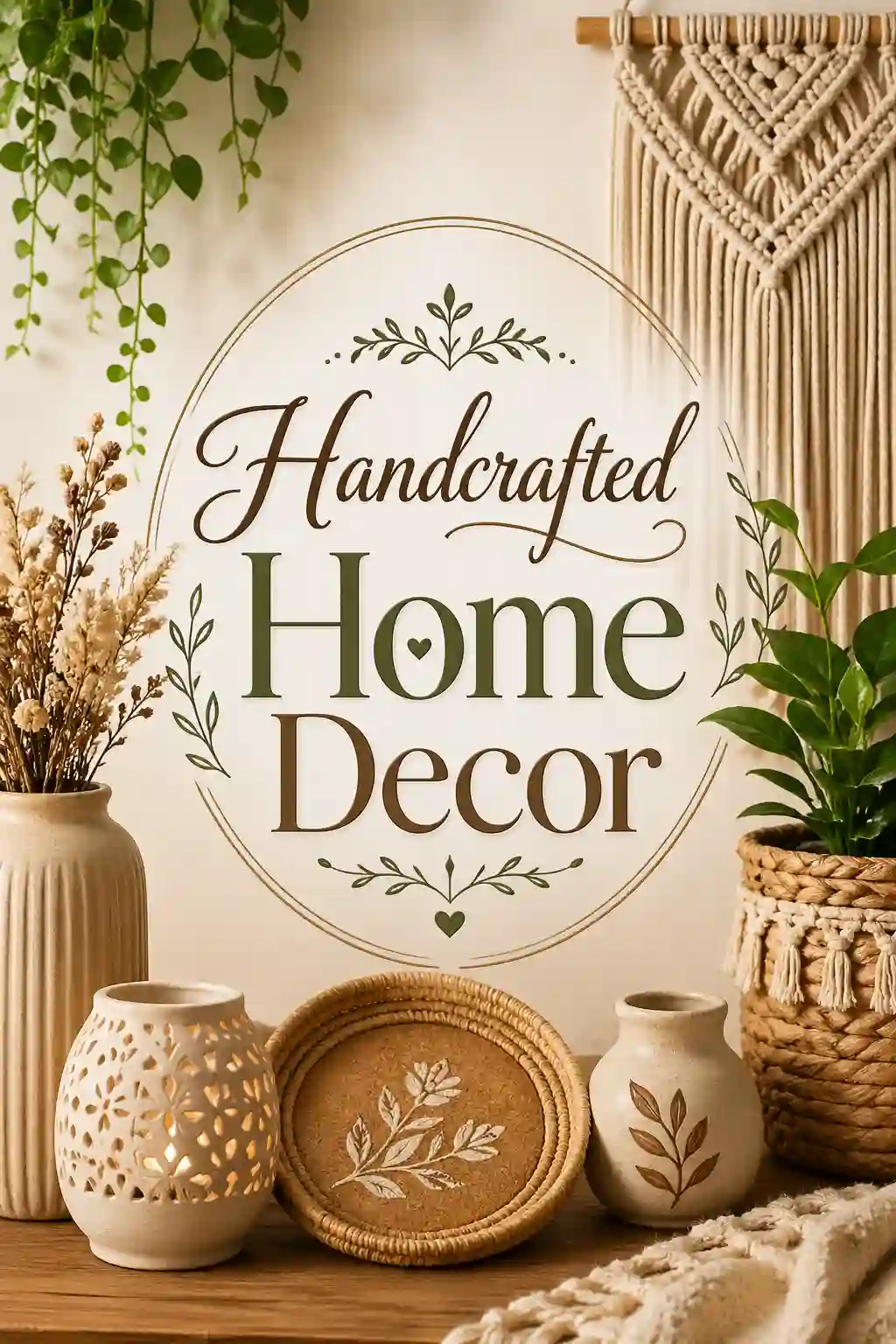
I still remember the day I bought my first piece of handcrafted home decor. It was a small, slightly lopsided ceramic bowl from a potter at a local craft fair. The glaze was an earthy combination of sage green and warm cream, and you could see the fingerprints of the person who made it pressed into the clay near the base. I paid more for it than I would have for a factory-made version from a chain store, and I have never once regretted it. That bowl has been sitting on my kitchen shelf for six years now, and every single morning when I reach for it, I feel something. That feeling is what handcrafted home decor is all about.
We live in a world of infinite, cheap, identical things. Every shopping mall and big-box store is filled with the same items, made in the same factories, sold to millions of people around the world. There is nothing wrong with affordable furniture and accessories most of us need them but after a while, a home that is furnished entirely with mass-produced goods starts to feel a little hollow. Something is missing, and that something is human presence. That is exactly what handcrafted home decor brings back into a space.
This article is for anyone who has ever walked into a home and felt immediately at ease that sense of warmth and character that you cannot quite put your finger on but that you know is real. It is for people who want their homes to feel like an expression of who they are rather than a catalog page. And it is for anyone who wants to understand the world of handcrafted home decor more deeply what it is, why it matters, how to find it, and how to use it to transform the place where you live.
What Exactly Is Handcrafted Home Decor?
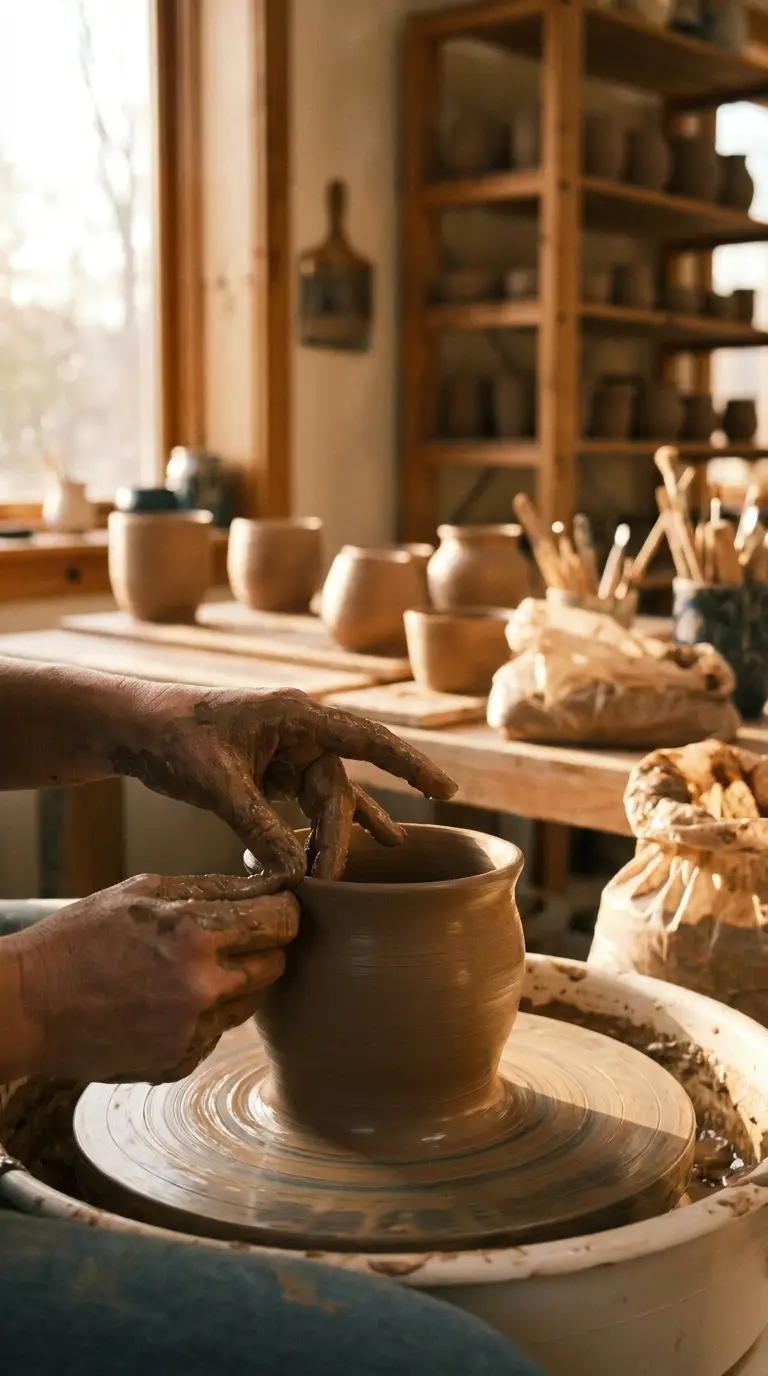
Handcrafted home decor refers to any decorative item for the home that has been made primarily by hand, using traditional or artisanal techniques, rather than being mass-produced by machines in a factory. This is a broad category that encompasses an enormous range of objects and art forms — hand-thrown pottery, hand-blown glass, woven textiles, woodcarving, metalworking, macrame, leather craft, basket weaving, hand-painted tiles, embroidery, and much more.
The defining characteristic of handcrafted home decor is human touch. When an artisan makes something by hand, they bring to it their individual skill, their personal aesthetic sensibility, and their physical presence. No two pieces are ever exactly alike. A hand-thrown ceramic bowl will have slight variations in its wall thickness, its glaze coverage, its shape. A hand-woven basket will have tiny inconsistencies in the weave that tell you a human being made this, not a machine. These variations are not flaws they are signatures. They are the evidence of life.
It is worth distinguishing handcrafted home decor from things that are merely ‘handmade’ in a marketing sense. Many products are described as handmade when really they just had a small step of human involvement in a largely automated process. Genuine handcrafted home decor involves significant skill and time investment by the maker. It requires craft knowledge that takes years to develop, and it shows in the finished product. Learning to recognize the real thing is part of the joy of becoming a collector of handcrafted home decor.
Also Read: How to Decorate Shelves Like a Pro: The Ultimate Guide to Stunning, Soul-Filled Shelf Styling
The Deep Value of Choosing Handcrafted Home Decor
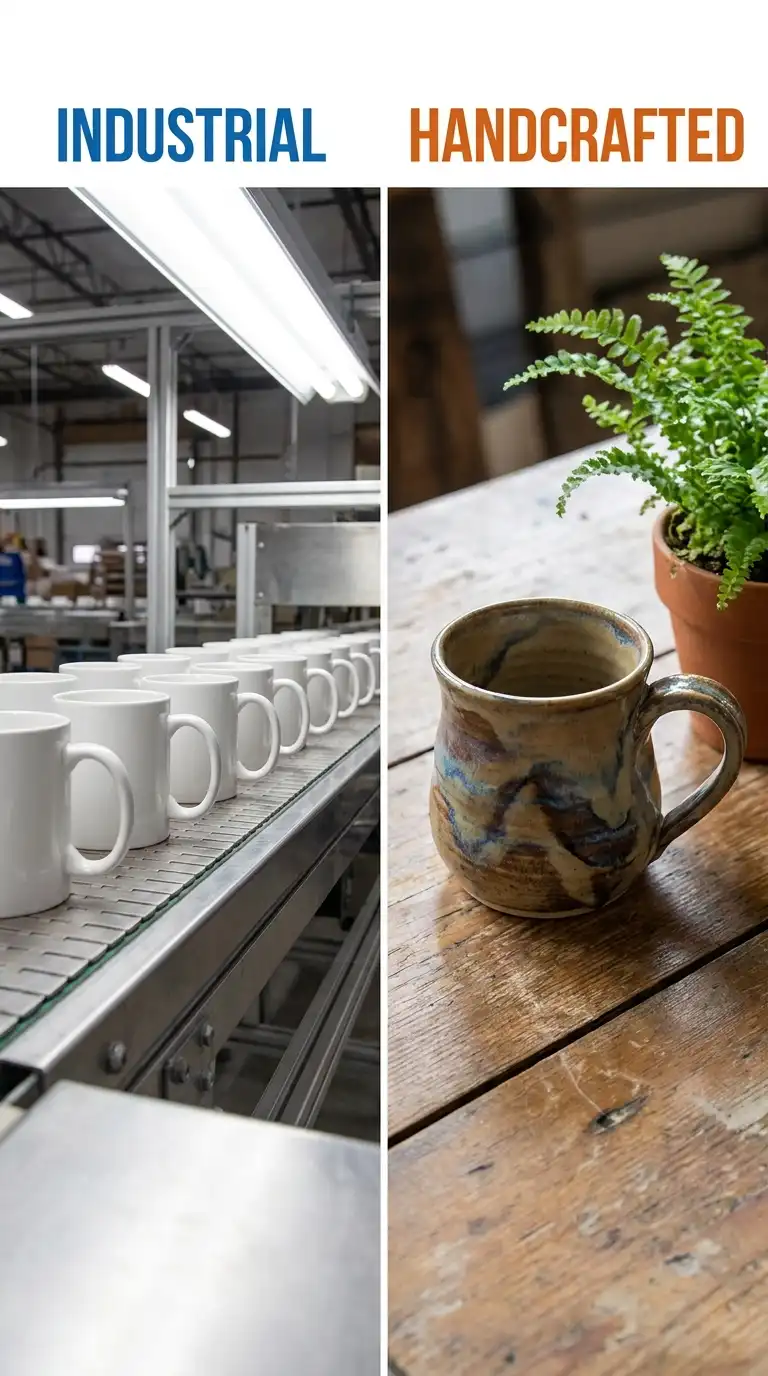
When people first encounter genuine handcrafted home decor, the price sometimes gives them pause. A hand-thrown vase might cost five times more than a similar-looking piece at a discount store. A hand-woven rug might represent a significant investment. It is natural to wonder if the difference is really worth it. Having lived with handcrafted home decor for years now, I can tell you honestly that it almost always is — and for reasons that go beyond aesthetics.
The first reason is quality and durability. Handcrafted home decor is generally made from better materials and with greater care than mass-produced alternatives. A well-made ceramic piece fired at the right temperature will last for decades. A hand-woven wool rug, if cared for properly, can last for generations. A hand-carved wooden piece, properly finished, will develop a beautiful patina over time that only improves with age. You are not buying something that will look slightly shabby in two years and end up in a landfill — you are buying something that will improve with time.
The second reason is environmental. The production of mass-market home goods is notoriously resource-intensive and polluting. Handcrafted home decor, particularly when made by artisans using traditional techniques and natural materials, has a dramatically smaller environmental footprint. Many artisans use locally sourced clay, wood, fiber, and other materials. Their workshops run on a small scale. The objects they make are designed to last, not to be replaced every season. Choosing handcrafted home decor is one of the most concrete ways you can align your purchasing habits with your environmental values.
The third reason is the human connection. When you buy a piece of handcrafted home decor, you are supporting a real person — an artisan who has spent years developing their craft, who depends on the market for their work to survive and thrive, and whose knowledge and skill represents a form of cultural heritage. In a world where so much economic value is captured by large corporations, buying handcrafted home decor is a small act of redistribution. Your money goes directly to the person who made the thing, and that matters.
Also Read: Outdoor Decor Ideas – Transform Your Outdoor Space into a Stylish Retreat
Popular Types of Handcrafted Home Decor and How to Use Them
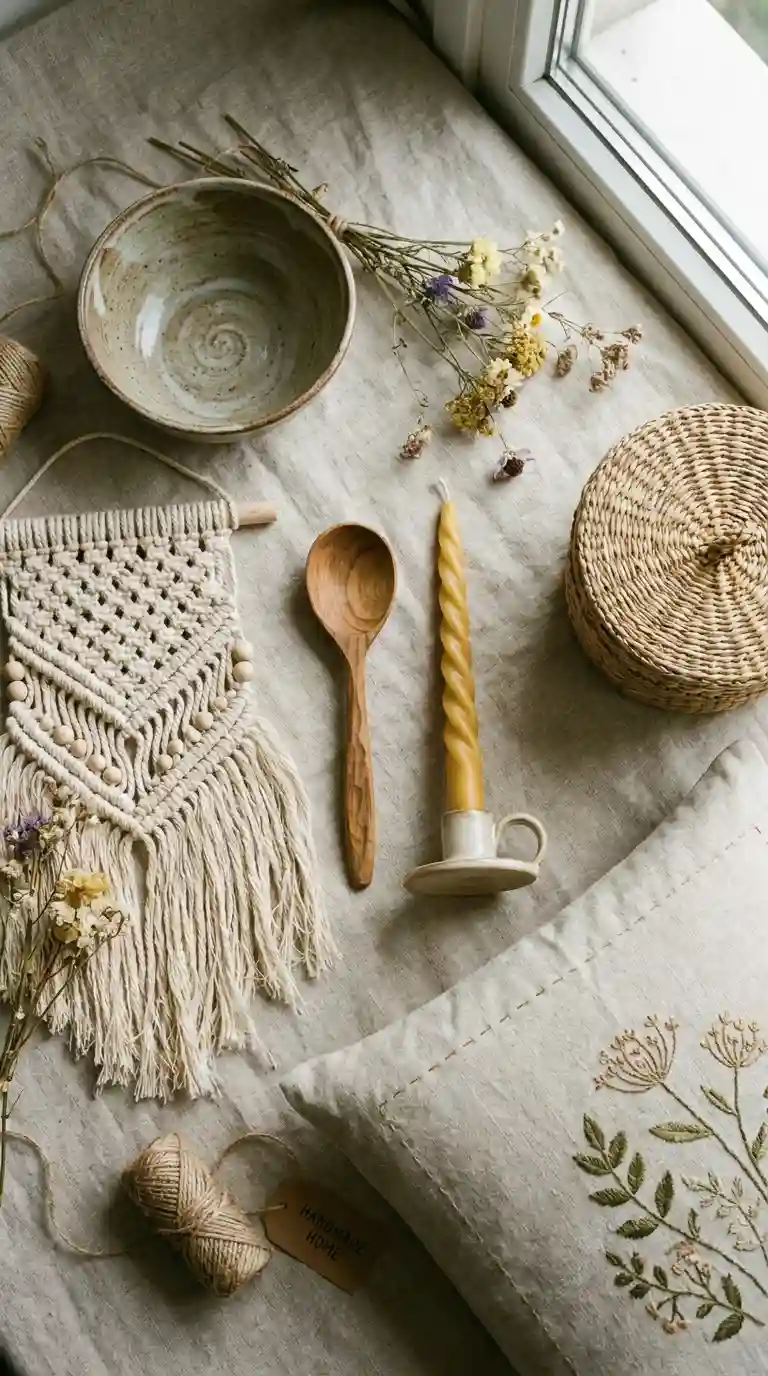
One of the wonderful things about handcrafted home decor is the sheer diversity of what falls under this umbrella. No matter what your taste, your budget, or your existing interior style, there is handcrafted work out there that will speak to you. Here is a look at some of the most popular categories and how to incorporate them into your home.
Handmade Ceramics and Pottery
Ceramics are perhaps the most universally beloved category of handcrafted home decor, and for good reason. The process of shaping clay with human hands and transforming it with fire into something permanent and beautiful is one of humanity’s oldest art forms. Modern ceramic artists are doing extraordinarily exciting work — from minimalist Scandinavian-influenced stoneware to richly textured sculptural pieces to traditional folk pottery traditions from every corner of the world.
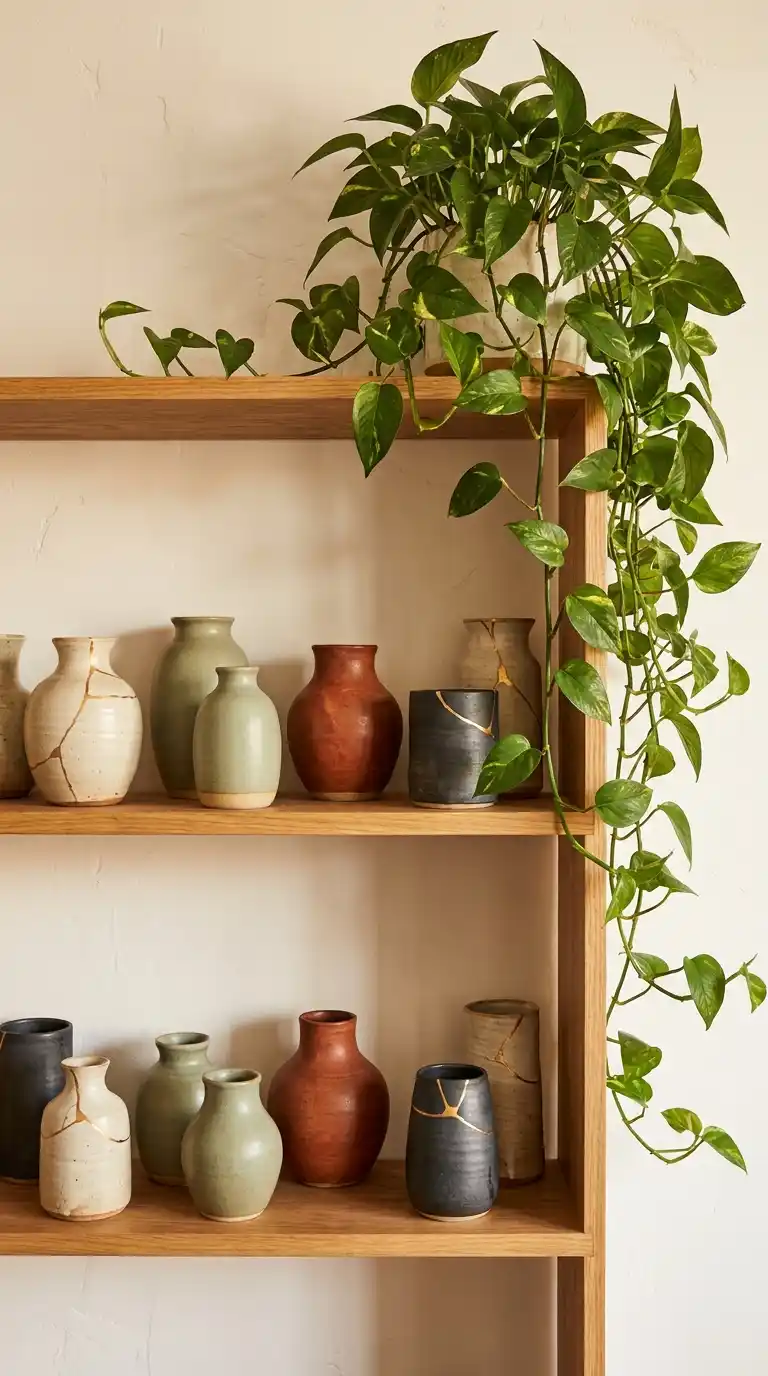
In the home, handmade ceramics can go almost anywhere. On open kitchen shelving, a collection of hand-thrown bowls, mugs, and plates adds warmth and individuality to what would otherwise be a purely functional space. On a living room shelf or mantelpiece, a few well-chosen ceramic vessels in complementary glazes create a quiet, beautiful still life. In the bathroom, a hand-thrown soap dish or toothbrush holder is a small but meaningful detail. Even a single ceramic piece — placed thoughtfully on a console table or windowsill — can be enough to lift the entire energy of a room.
When collecting handmade ceramics for your handcrafted home decor, do not worry too much about perfect matching. The beauty of handmade work is in the variation, and pieces from different makers and traditions can coexist beautifully if they share a general color palette or material quality. An earthy, natural tone palette — warm whites, soft greys, sage greens, terracotta, and charcoal — tends to unify collections of diverse handmade ceramics very effectively.
Woven and Textile Handcrafted Home Decor
Textiles are another enormous category within handcrafted home decor, and they are among the most impactful things you can add to a room. Handwoven rugs, tapestries, throws, and cushion covers add texture, warmth, color, and softness in ways that no hard object can. They also have the practical benefit of improving acoustics in a room a space with plenty of soft textiles feels quieter and cozier, which is no small thing in an age of hard floors and bare walls.
Handwoven rugs are particularly transformative. A beautifully made rug whether a traditional tribal pattern from a Central Asian weaving tradition, a geometric Scandinavian flat-weave, a colorful Moroccan Beni Ourain, or a simple natural jute piece anchors a room and defines its character more powerfully than almost any other single element of handcrafted home decor. If you can afford to invest in one significant piece of handcrafted home decor, a rug is often the best choice.
Macrame has had an enormous resurgence in recent years, and while some people dismiss it as a trend, the truth is that knotted fiber art has an extraordinarily long history across many cultures. A well-made macrame wall hanging brings texture, organic shape, and a lovely sense of craft to a wall. Pair it with a few hanging plants and some ceramic pieces, and you have a wall composition that feels genuinely beautiful and alive.
Handcarved Wood and Natural Material Decor
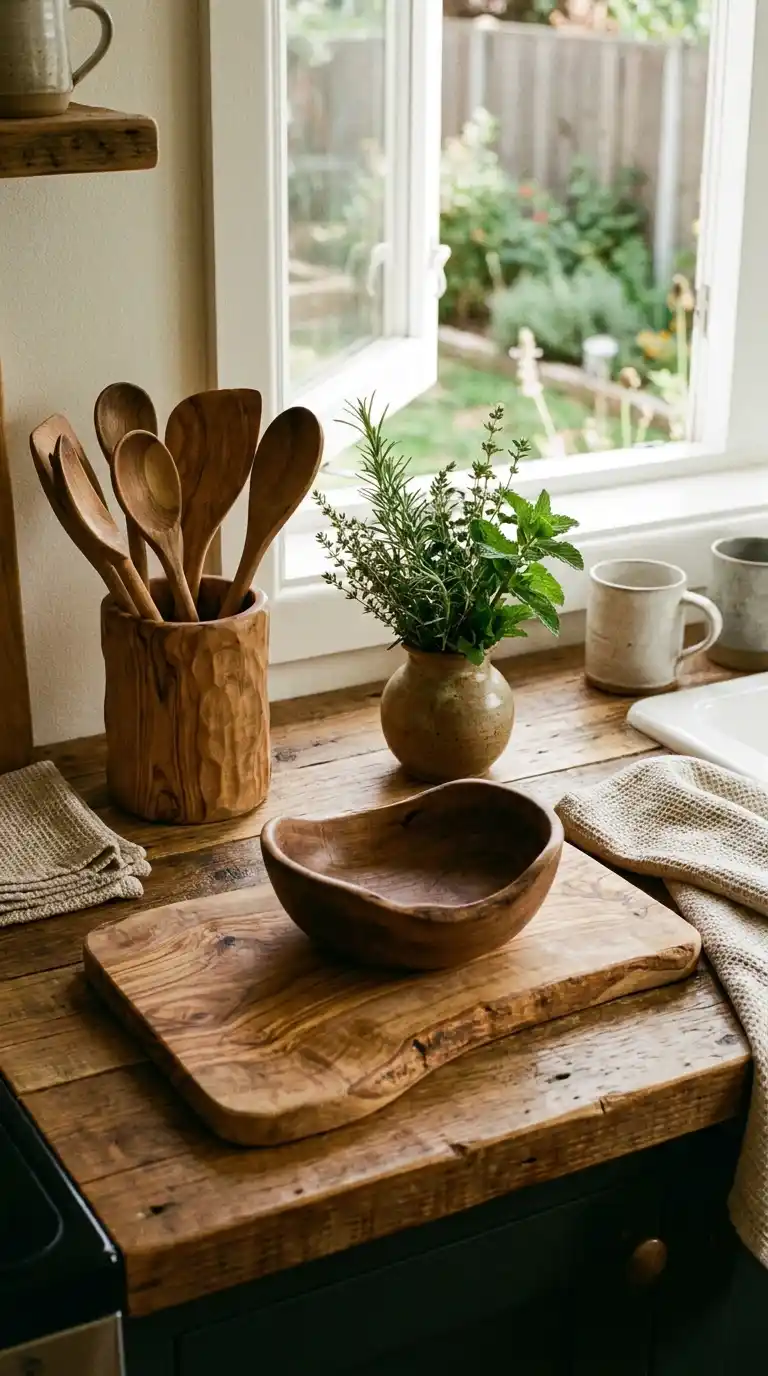
Wood is one of humanity’s oldest and most versatile materials, and the tradition of woodcarving and wood turning produces some of the most beautiful pieces of handcrafted home decor available. From hand-carved decorative bowls in rich walnut or olive wood to intricately carved architectural details to simple, elegant turned candlesticks, handcrafted wood pieces bring warmth, natural beauty, and a sense of permanence to any space.
The natural grain of wood is itself a kind of art — no two pieces of wood are alike, and a skilled woodworker who understands their material will position cuts to reveal the most beautiful grain patterns. A hand-carved olive wood board or a turned walnut bowl showing its natural edge is displaying something that grew in the earth for decades or centuries, shaped by weather and time and now shaped again by human hands. That is a remarkable thing to have in your home.
Beyond wood, handcrafted home decor made from other natural materials — hand-woven rattan and cane furniture, hand-twisted rope baskets, hand-forged iron candle holders, hand-blown glass vases — all bring the beauty of natural materials shaped by skilled human hands into the home. These pieces age beautifully and often become more beautiful with use, which is the opposite of most mass-produced goods.
Hand-Blown Glass
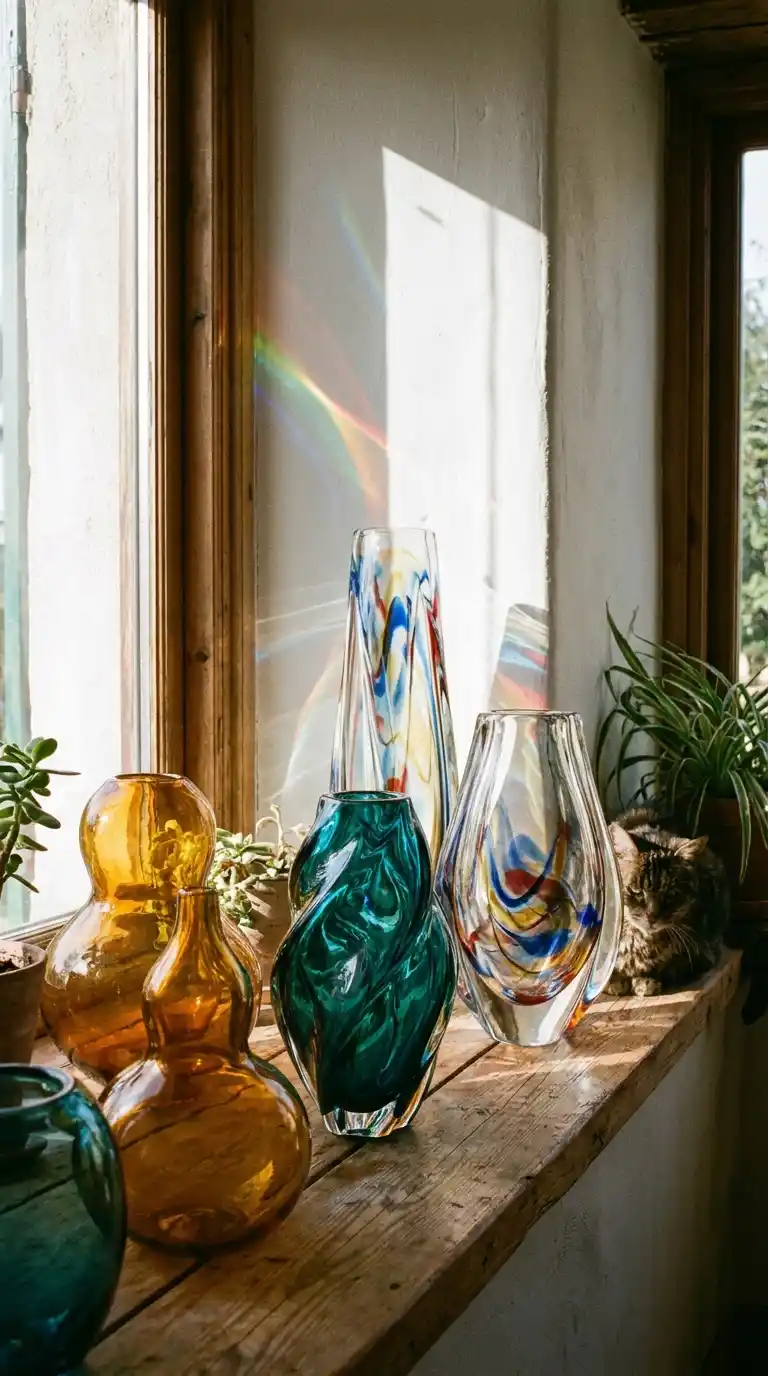
Hand-blown glass is one of the most visually spectacular forms of handcrafted home decor. The process of gathering molten glass on a blowpipe and shaping it through a combination of blowing, spinning, and tooling requires extraordinary skill and coordination, and the results can be breathtakingly beautiful. Hand-blown glass vases, bowls, and decorative objects have a luminosity and organic elegance that no manufactured glass can match.
The beauty of hand-blown glass in a home is that it interacts with light in endlessly changing ways. A hand-blown vase on a windowsill in the morning light is a completely different object from that same vase on an evening when candles are lit nearby. The slight variations in wall thickness, the internal bubbles, the swirls of color — these all become part of a living, shifting display that changes throughout the day. Adding hand-blown glass to your collection of handcrafted home decor is one of the most effective ways to introduce this quality of light and movement into a space.
Room-by-Room Guide to Styling Handcrafted Home Decor
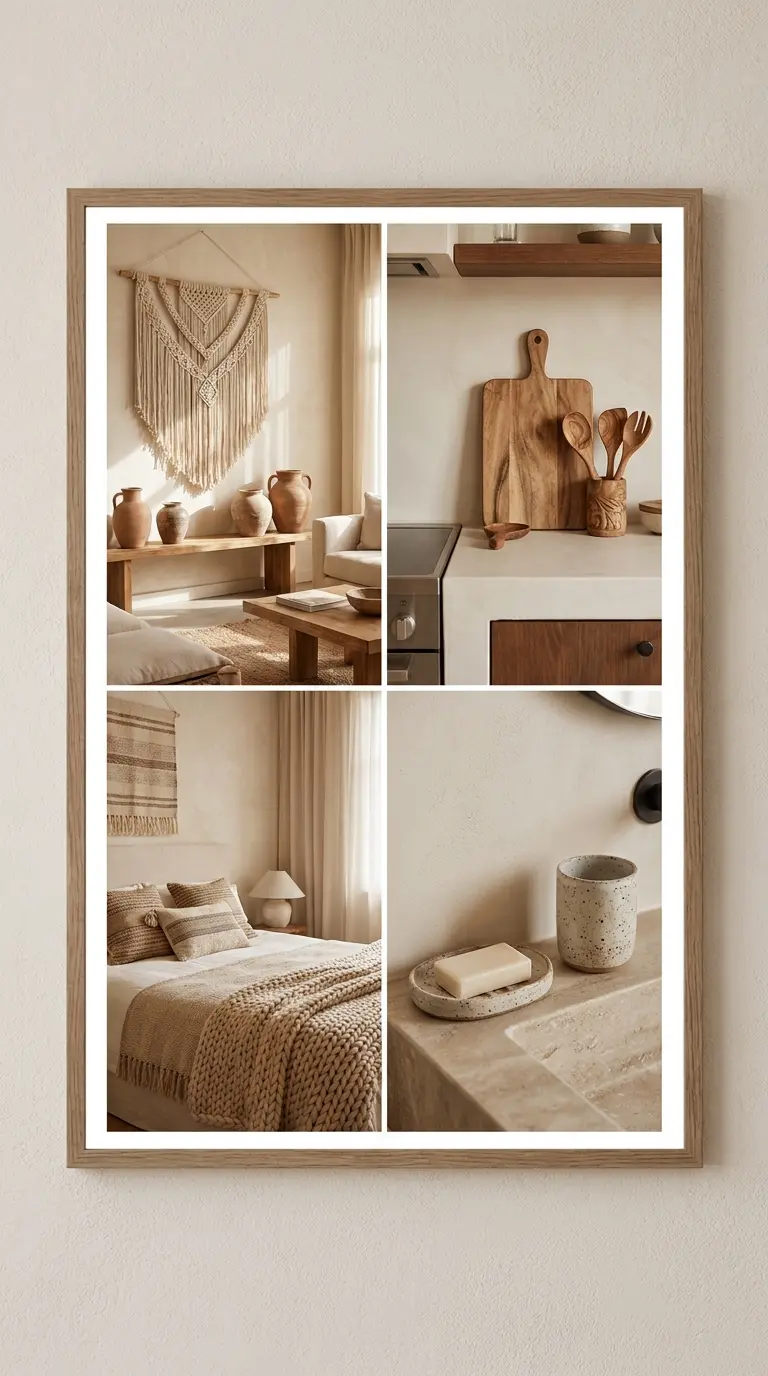
One of the questions I hear most often from people who are drawn to handcrafted home decor but not sure where to start is simply: where do I begin? The answer I always give is: start with the room you spend the most time in, and start with one piece that genuinely moves you. From there, things tend to grow organically. But having some guidance for each room can be helpful, so here is a room-by-room breakdown of how to incorporate handcrafted home decor most effectively.
Living Room
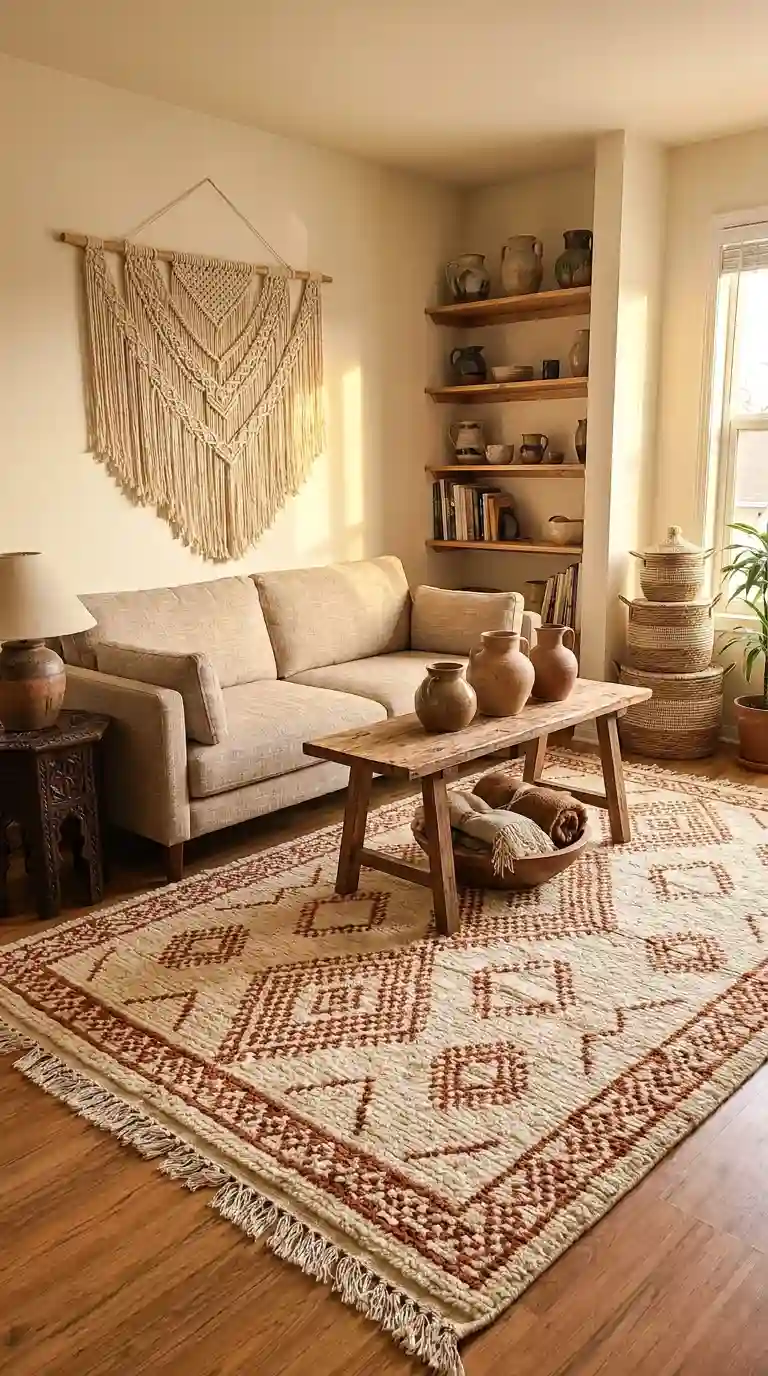
The living room is the heart of most homes and the ideal place to invest in statement pieces of handcrafted home decor. Start with the floor — a handwoven rug is the single most transformative element you can add. From there, build up with soft layers: embroidered or hand-stitched cushion covers on the sofa, a chunky hand-knitted throw draped over a chair arm, a macrame or woven wall hanging above the main seating area.
Shelves and mantlepieces are perfect galleries for collections of handmade ceramics. Group pieces by color family rather than by maker or style — a cluster of stoneware pieces in warm earthy tones from three different artists will look far more cohesive and interesting than three identical pieces from the same production line. Add some trailing greenery, a few books, and a candle or two, and you have a shelf that tells a story.
Lighting is often overlooked in living room styling, but it makes an enormous difference to how handcrafted home decor is perceived. Soft, warm light — whether from table lamps with ceramic or wooden bases, candles in hand-forged iron holders, or warm-toned string lights — brings out the warmth and texture of handcrafted pieces in a way that harsh overhead fluorescents never can. Consider swapping out cold bulbs for warm ones throughout your home if you want your handcrafted home decor to look its absolute best.
Also Read: Gallery Wall Ideas for Your Bedroom: Complete Guide to Stylish Wall Decor
Kitchen and Dining Room
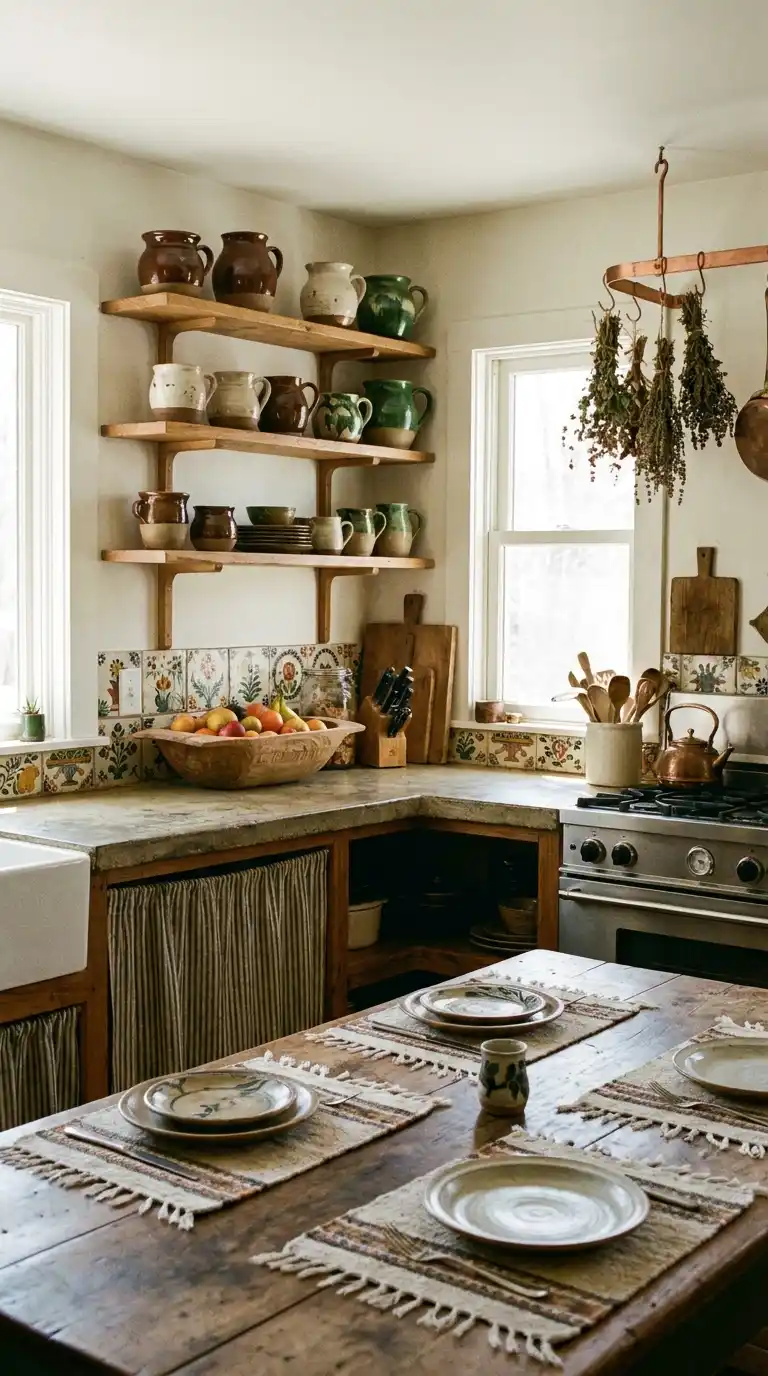
The kitchen and dining room are natural homes for handcrafted home decor because food, cooking, and gathering are all activities that feel more meaningful when surrounded by beautiful, purposeful objects. Handmade ceramics are especially at home here — replace your mismatched or chipped factory mugs with a set of hand-thrown ones and watch how the morning ritual of making coffee or tea becomes something slightly more deliberate and pleasurable.
Open shelving in a kitchen is one of the best arguments for investing in handcrafted home decor. When your dishes and storage vessels are beautiful objects in their own right, displaying them openly becomes a form of decoration. Arrange your handmade ceramics by color and size, mix in a few wooden or glass pieces, add a trailing plant or some dried herbs, and you have a kitchen display that is both practical and genuinely lovely.
For the dining table, handcrafted home decor elevates every meal. A hand-woven table runner, a set of hand-thrown ceramic dinner plates, hand-carved wooden serving bowls, and beeswax taper candles in hand-forged iron holders transform an ordinary Tuesday dinner into something that feels like a special occasion. This is not extravagance — it is the simple act of making everyday life more beautiful, which is what handcrafted home decor does better than almost anything else.
Bedroom
The bedroom is where we begin and end each day, and the quality of the objects around us in this space has a subtle but real effect on our sense of wellbeing. Handcrafted home decor in the bedroom should feel calm, personal, and sensory-rich — not cluttered, but layered with texture and warmth. Natural materials are especially appropriate here: linen and cotton textiles, wood, ceramic, and natural fiber.
Start with the bedding — even if you cannot afford high-end linen sheets, adding a hand-embroidered pillow cover or a hand-woven blanket at the foot of the bed introduces the quality of handcrafted work in a way that is immediately felt. A small hand-thrown ceramic vase on the nightstand with a few dried wildflowers or a sprig of eucalyptus is a tiny but meaningful touch of handcrafted home decor that takes seconds to arrange and provides daily pleasure.
Lighting in the bedroom is where handcrafted home decor can really shine. A ceramic table lamp with a warm bulb, a rattan pendant light that casts beautiful patterned shadows on the ceiling, a cluster of handmade beeswax candles — these elements transform the quality of light in the bedroom and create an atmosphere that feels genuinely restorative. A woven basket on the floor for laundry or extra blankets is another small, functional piece of handcrafted home decor that adds texture and warmth without requiring any styling effort.
Bathroom
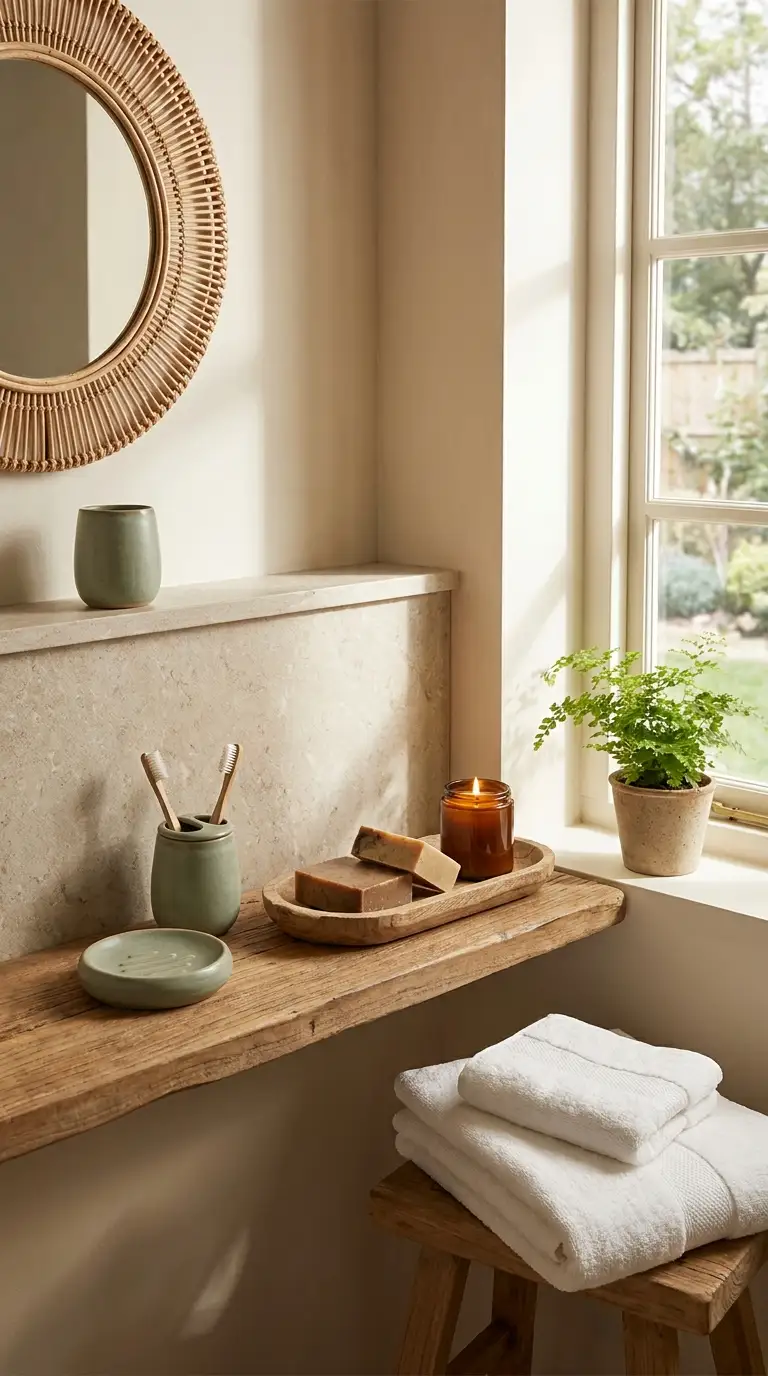
The bathroom is one of the most overlooked rooms when it comes to handcrafted home decor, but it has extraordinary potential. Because bathrooms are small, even a few carefully chosen handcrafted pieces can completely change the atmosphere of the space. A hand-thrown ceramic soap dish, a carved wooden tray for bath products, a woven rattan or driftwood mirror frame, a handmade beeswax candle these small elements are affordable and transformative.
Plants also deserve a mention here. A small potted fern, a trailing pothos, or even a sprig of eucalyptus tied to the showerhead with a piece of twine costs almost nothing and brings the kind of natural, organic energy into the bathroom that perfectly complements handcrafted home decor. Combine these natural elements with a few handmade ceramic pieces and some natural soap or bath products displayed attractively, and your bathroom becomes a genuinely restorative space rather than just a functional one.
Where to Find Authentic Handcrafted Home Decor

Finding genuine handcrafted home decor has become easier in recent years, but it still requires some effort and discernment. The explosion of the word ‘handmade’ in marketing has muddied the waters considerably, and it takes a little knowledge to distinguish truly handcrafted work from machine-made items with artisanal pretensions.
Local Craft Fairs and Artisan Markets
The best place to find handcrafted home decor is still, in my experience, at in-person events — craft fairs, artisan markets, pottery sales, and studio open days. These events give you the opportunity not only to see and handle the work in person but also to meet the maker, ask questions about their process and materials, and understand the story behind what you are considering buying. That story becomes part of the object and part of your enjoyment of it for years to come.
Most cities and many smaller towns have regular craft markets, and some of the very best handcrafted home decor can be found at these local events rather than in expensive boutiques or online shops. The prices are often more accessible at craft fairs too, because you are buying directly from the maker with no retail markup. Building a relationship with local artisans can also be genuinely rewarding — many offer studio visits, workshops, and commissions that let you get even more deeply involved with handcrafted home decor.
Online Marketplaces for Handcrafted Home Decor

Etsy remains the largest dedicated marketplace for handcrafted home decor online, and while the quality varies enormously, there are extraordinary artisans selling genuinely outstanding work through the platform. The key is to look for shops with detailed process descriptions, clear photos showing the maker at work, and descriptions that explain the materials and techniques used. Shops with many reviews and good communication records are generally reliable.
Beyond Etsy, many artisans now sell directly through their own websites and Instagram shops, often offering more intimate access to their work and practice than a marketplace allows. Following artisans you admire on social media is a great way to stay informed about new work, special sales, and limited editions. Many ceramicists, weavers, and woodworkers also offer commissions — the opportunity to have something made specifically for your home and your needs is one of the great pleasures of engaging seriously with handcrafted home decor.
Specialty Boutiques and Design Stores
Many cities now have specialty boutiques that curate handcrafted home decor from artisans around the world, selecting for quality, authenticity, and aesthetic coherence. These stores do the sourcing work for you and can be excellent places to discover makers you might not have found on your own. Prices at boutiques will be higher than buying directly from makers, reflecting the curatorial work and retail costs, but the discovery value can be significant.
When shopping at boutiques for handcrafted home decor, ask the staff about the makers whose work they carry. Good boutiques can tell you who made a piece, where they work, and something about their process. If a shop cannot tell you anything about the people who made the items on their shelves, that is a sign that the ‘handcrafted’ designation may be more marketing than reality.
How to Style Handcrafted Home Decor Without Overdoing It
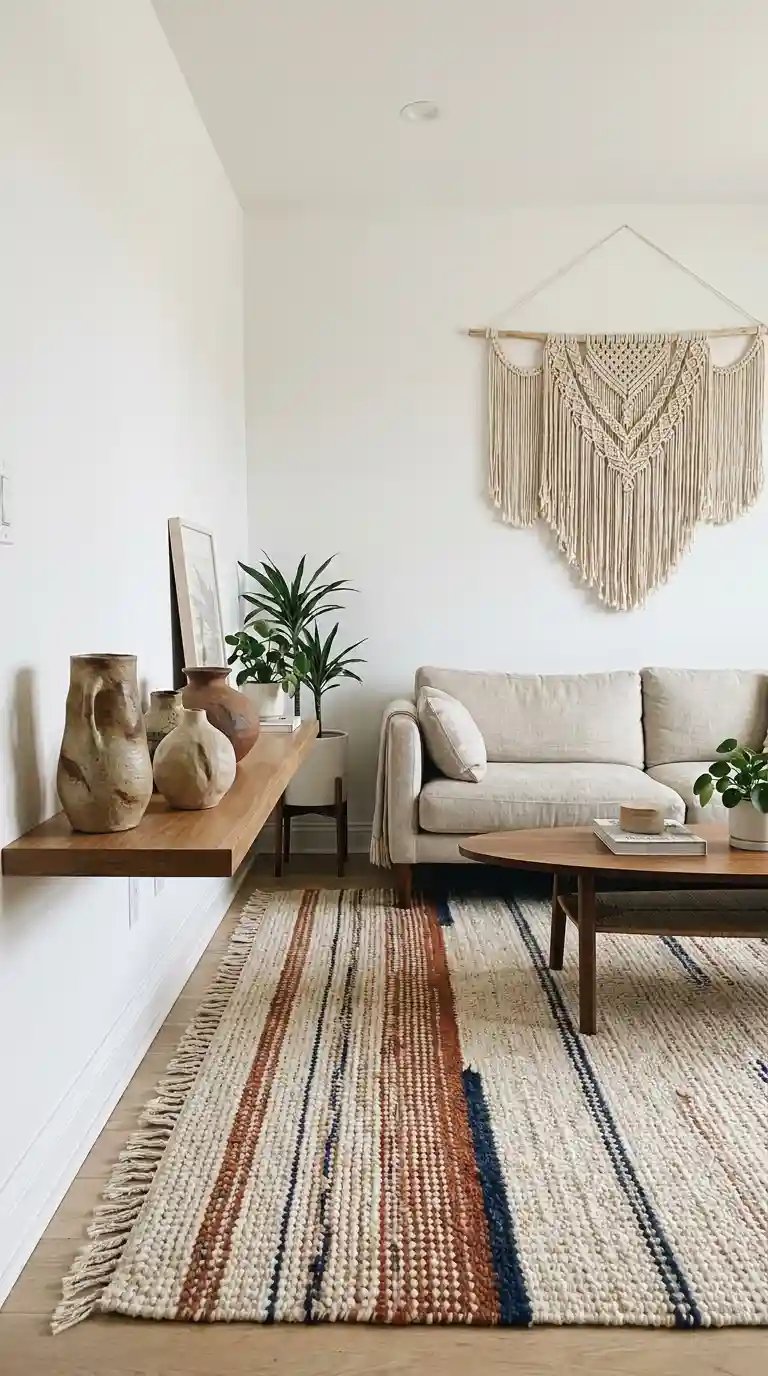
One thing I want to address directly is the concern that many people have about going too far with handcrafted home decor the fear that a home can start to look like a craft fair or an overcrowded antique shop if you are not careful. This is a legitimate concern, and the cure for it is the same principle that governs all good interior design: edit ruthlessly.
The most beautiful homes I have been in that featured significant handcrafted home decor were also homes where every piece had been chosen deliberately, positioned thoughtfully, and given space to breathe. The temptation when you fall in love with handcrafted work is to acquire more and more — and that is completely understandable, because handcrafted home decor is genuinely addictive once you start. But restraint is a form of respect for the work. A single extraordinary piece of handcrafted art, given its own wall or shelf, will have more impact than a dozen pieces competing for attention.
A useful principle to apply is to choose a limited color palette for your handcrafted home decor and stick to it. If your ceramics are in earthy tones — creams, terracottas, charcoal, sage — then your textiles should support rather than compete with that palette. If your textiles are bold and colorful, let your ceramics and wood pieces be quieter. Handcrafted home decor has a natural richness and variation built into each piece; it does not need additional visual complexity from a chaotic color scheme.
Mixing Old and New in Handcrafted Home Decor
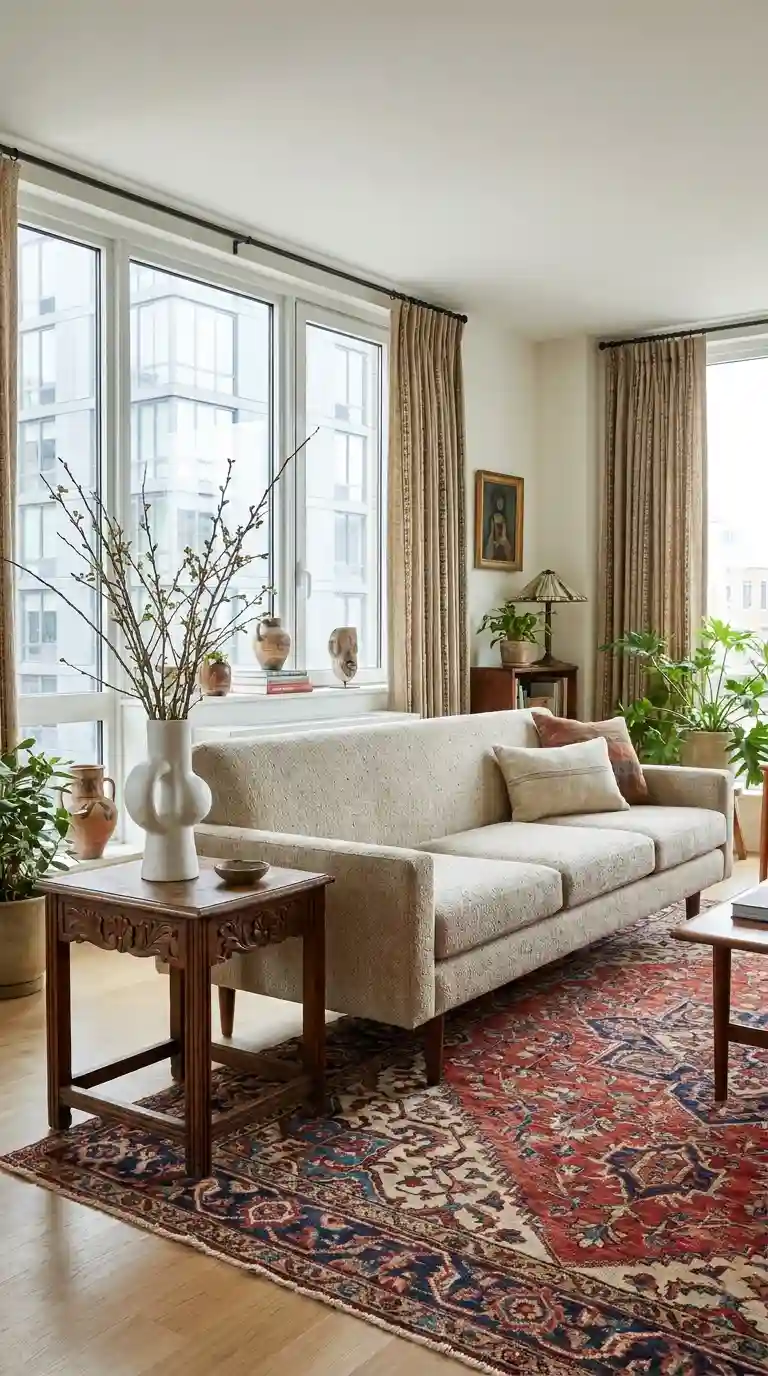
Some of the most interesting examples of handcrafted home decor are created by mixing antique or vintage handmade pieces with contemporary artisan work. A beautifully worn antique kilim rug from a market in Istanbul paired with a contemporary ceramicist’s vase and a modern hand-woven throw creates a layered, time-spanning aesthetic that no one could replicate from a single store or catalog. It looks collected because it is collected, and that sense of accumulation over time is deeply appealing.
Do not be afraid to mix cultural traditions in your handcrafted home decor either. A Japanese raku-fired ceramic bowl alongside a Scandinavian hand-carved wooden piece alongside an African hand-woven basket — these can coexist beautifully when they share a common thread of natural materials and quality craftsmanship. The world’s handcraft traditions speak a common language, even when they say very different things, and bringing them into dialogue with each other in your home is a wonderful thing.
Supporting Artisans Through Your Handcrafted Home Decor Choices
I want to spend a little time on the human dimension of handcrafted home decor, because I think it is one of the most important and underappreciated aspects of this whole world. When you buy a piece of handcrafted home decor from an independent artisan, you are doing something that matters in a very concrete way. You are enabling that person to do their work.
Most artisans — potters, weavers, woodcarvers, glassblowers, metalworkers — are small-scale independent operators who live and work in their communities and whose income comes entirely from the sale of their work. The margins are not large. The hours are long. The skills required take years to develop. And the market for handcrafted home decor, while growing, is still fragile and dependent on consumers who understand the value of what they are buying and are willing to pay accordingly.
When I buy a piece of handcrafted home decor, I think of it as a vote — a vote for a world where skilled, creative, independent people can make a living doing work that is meaningful and beautiful. Every piece you buy is a small but real act of support for that world. And the more people who choose handcrafted home decor over mass-produced alternatives, the more viable the ecosystem of artisan craftsmanship becomes. It is one of the happier examples of consumer choices actually making a difference.
DIY Handcrafted Home Decor: Making Your Own Beautiful Pieces
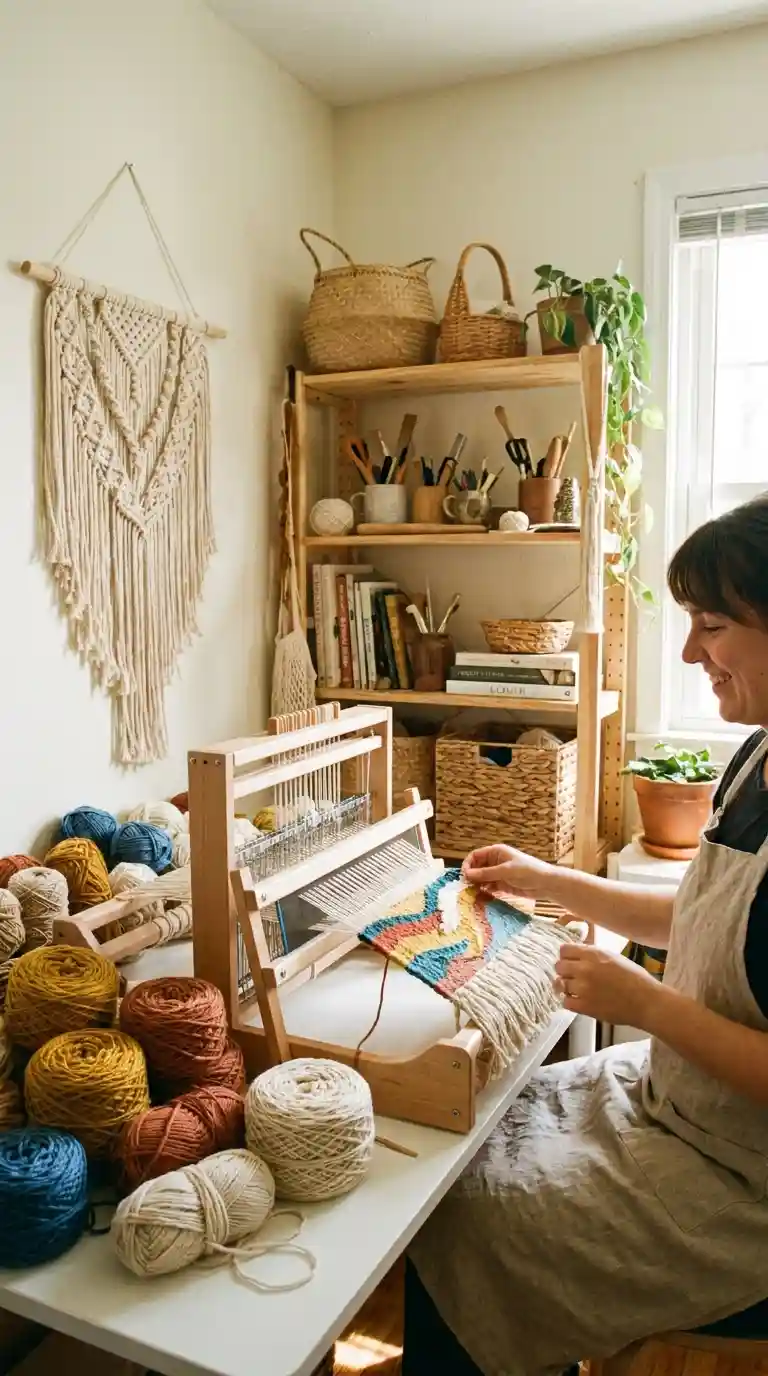
Not all handcrafted home decor has to be purchased. Making things yourself — even at a relatively basic skill level — is one of the most rewarding and creatively fulfilling things you can do, and the objects you make will be among the most personally meaningful pieces in your home. There is something about using something you made with your own hands every day that connects you to the object in a way that nothing you bought can quite replicate.
The good news is that the world of craft education has never been more accessible. There are extraordinary online tutorials and classes for almost every craft discipline — ceramics, weaving, macrame, woodworking, candle making, embroidery, basket weaving, and more. Many local studios and community arts centers offer beginner workshops that can introduce you to a new craft in an afternoon. Starting a new craft practice can feel daunting, but most crafts reward the beginner with reasonably satisfying results quite quickly, and the learning curve — while real — is also part of the pleasure.
Some of the simplest and most satisfying DIY handcrafted home decor projects include macrame plant hangers (which require only some natural rope and the ability to tie knots), simple woven wall hangings on a small frame loom, hand-painted terracotta pots, beeswax candle rolling, and fabric dyeing with natural dyes like turmeric, onion skins, or avocado pits. None of these requires expensive equipment or years of practice, and all of them produce results that are genuinely beautiful and personally meaningful.
Taking a Workshop to Start Your Handcrafted Journey
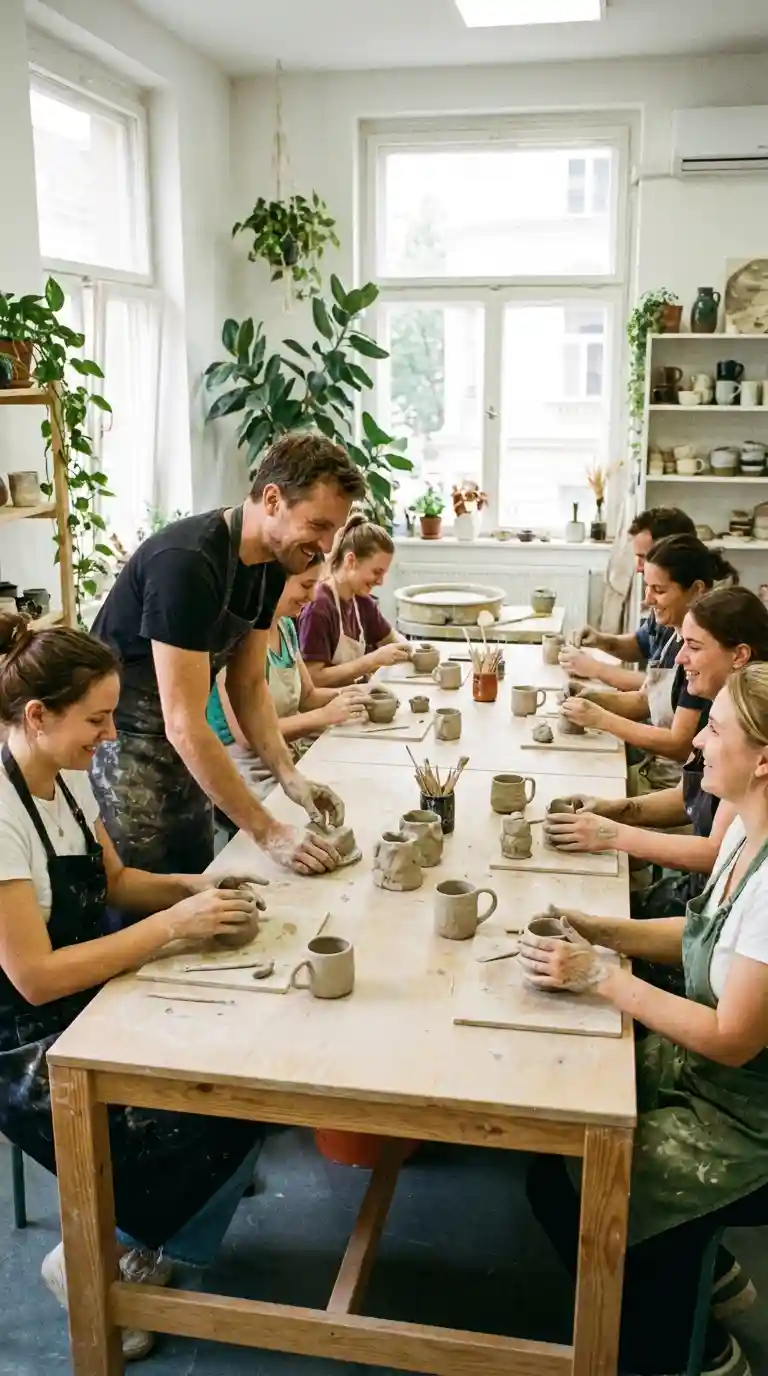
If you have ever thought about trying pottery, weaving, woodcarving, or any other traditional craft but felt intimidated by the learning curve, a single workshop day is the perfect way to break through that barrier. Most cities have ceramics studios that offer public classes for beginners, and the experience of having your hands in clay for the first time — with a skilled teacher guiding you — is one that most people find immediately addictive.
Beyond the practical skills, attending craft workshops connects you to a community of people who share your interest in handcrafted home decor and handmade objects generally. You will meet artisans who can point you to other artisans, share recommendations for supplies and materials, and give you a much richer understanding of the handmade world than you can get from shopping online or browsing Instagram. That community aspect of craft is something I did not anticipate when I first started attending workshops, and it has been one of the most rewarding parts of my whole journey with handcrafted home decor.
Caring for Your Handcrafted Home Decor
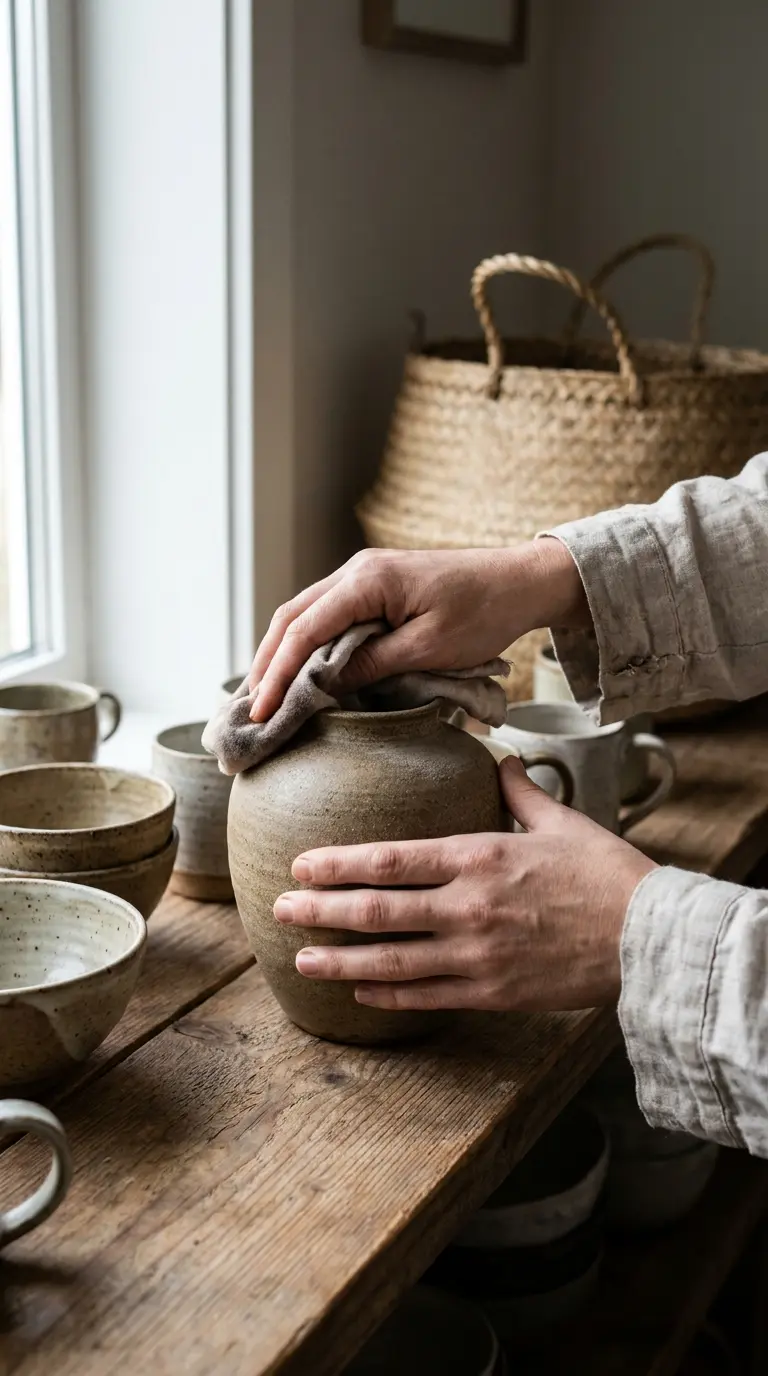
Handcrafted home decor is generally made to last, but like all beautiful things, it benefits from thoughtful care. Understanding a few basic principles of caring for handmade objects will help you enjoy them for much longer and preserve their beauty through years of use.
For handmade ceramics, the most important rule is to check whether pieces are dishwasher safe before putting them through the machine. Many hand-thrown pieces are perfectly dishwasher safe, but some glazes and some clay bodies are not — high heat and harsh detergents can damage the glaze or cause cracking. When in doubt, hand-wash with mild soap and warm water. This takes an extra thirty seconds and preserves the piece indefinitely. For display-only ceramics, a light dusting with a soft, dry cloth is usually all that is needed.
For handwoven textiles, regular vacuuming on a low setting and rotation of rugs to even out wear are the most important maintenance steps. Spot-clean spills as soon as they happen with cold water and a mild, natural soap. Avoid harsh chemical cleaners that can strip natural dyes or damage fibers. For cherished pieces, professional cleaning every few years is worth the investment. For wooden handcrafted home decor, occasional treatment with natural oil — linseed, tung, or Danish oil, depending on the type of wood and finish — keeps the wood nourished and prevents cracking or drying.
The Future of Handcrafted Home Decor in a Mass-Produced World
I want to end the main body of this article with a thought about where handcrafted home decor is headed, because I think it is a genuinely hopeful story. For a long time, there was real anxiety in the craft world about whether traditional handcraft skills could survive in the face of mass production and globalization. If everything can be made faster, cheaper, and at greater scale by machines, what is the future for the human hand?
What we are seeing now — and what I find deeply encouraging — is that as the world has become more automated and more digitized, the desire for things made by human hands has actually intensified. People are more interested in handcrafted home decor than they have been in generations. Craft schools are fuller than they have been in decades. The market for artisan goods is growing, and younger generations are driving a lot of that growth. There is a real hunger for authenticity, for skill, for the particular warmth and character that only a hand-made object can have.
This does not mean the challenges are not real — artisans still struggle with pricing, with reaching customers, with the physical demands of their craft, and with the relentless competition from cheap imitations. But the cultural tide is turning, and handcrafted home decor is increasingly recognized not as a niche interest for craft enthusiasts but as a meaningful alternative to the disposable, mass-produced aesthetic that has dominated our homes for too long. The future, I believe, belongs to the well-made, the carefully chosen, and the genuinely human. And handcrafted home decor is at the heart of that future.
Final Thoughts
We spend more time in our homes than anywhere else. The objects that surround us every day — the things we touch, the things we look at, the things we reach for without thinking — shape our mood, our sense of self, and our quality of life in ways that we often do not consciously notice but that are real and significant. Filling your home with handcrafted home decor is not a luxury or an indulgence. It is an investment in the quality of your daily experience.
Every piece of handcrafted home decor in your space is a small reminder that beauty is possible, that skill is worth celebrating, and that the human hand is still capable of creating things that no machine can replicate. In a world that often feels impersonal and accelerating, that reminder is worth having close by.
So start small if you need to. Buy one piece that genuinely moves you. Put it somewhere you will see it every day. Notice how it makes you feel. And then see where it leads you. I think you will find, as I have, that once you start really looking at handcrafted home decor — really understanding what it is and where it comes from and who made it — you will never be entirely happy with mass-produced alternatives again. And that is a good thing. That is the beginning of a home that truly feels like yours.
Frequently Asked Question
Q1. What is the difference between handcrafted and handmade home decor?
The terms are often used interchangeably, but there is a meaningful distinction. Handmade generally refers to anything made by human hands, even if it involves some mechanical assistance or a simplified process. Handcrafted implies a higher level of skill, craft knowledge, and artisanal technique. Genuinely handcrafted home decor is made by artisans who have developed significant expertise in their craft and who bring that expertise to bear in every piece they make. When shopping, look for detailed descriptions of process and materials — this tends to signal genuine handcrafted work.
Q2. Is handcrafted home decor worth the higher price?
In most cases, yes. Handcrafted home decor is generally made from better materials, with greater care, and to a higher standard of quality than mass-produced alternatives. It tends to last longer, age more gracefully, and provide ongoing aesthetic pleasure rather than quickly looking dated or worn. You are also supporting independent artisans and, often, traditional craft knowledge that has genuine cultural value. The higher upfront cost is usually justified by the longevity and the depth of enjoyment the piece provides over time.
Q3. How do I know if a piece of home decor is genuinely handcrafted?
Genuine handcrafted home decor typically shows subtle variations that machine-made items do not slight irregularities in shape, variation in glaze coverage, visible tool marks, slight differences in pattern. It should be possible to find out who made the piece and where, what materials were used, and something about the technique. If a seller cannot provide this basic information, or if prices are suspiciously low for the claimed level of craft, approach with skepticism. Buying at craft fairs where you can meet the maker, or from established artisan-focused shops, greatly reduces the risk of being misled.
Q4. What is the most popular type of handcrafted home decor?
Handmade ceramics and pottery are consistently among the most popular categories of handcrafted home decor, followed closely by hand-woven textiles including rugs and wall hangings, hand-carved wooden pieces, macrame, and hand-blown glass. Ceramics are particularly beloved because they are functional as well as beautiful — handmade mugs, bowls, and plates are used daily, making them among the most personally meaningful pieces of handcrafted home decor you can own.
Q5. Where can I buy authentic handcrafted home decor online?
Etsy is the largest and most accessible marketplace for handcrafted home decor online, offering work from artisans worldwide. Look for sellers with detailed shop descriptions, photos showing their process, and strong review histories. Many artisans also sell directly through their own websites and Instagram shops. Fair trade organizations and specialty boutiques with strong artisan-sourcing commitments are also excellent sources for authentic handcrafted home decor. Always prioritize sellers who can tell you who made the piece and how.
Q6. How do I style handcrafted home decor in a modern minimalist home?
Handcrafted home decor and minimalist design actually work beautifully together — the key is to choose a few exceptional pieces rather than many, and to give each piece plenty of space. In a minimalist interior, a single extraordinary handmade ceramic piece on an otherwise bare shelf can be a stunning focal point. A hand-woven rug in natural tones anchors a minimalist living room without competing with clean architectural lines. The organic irregularity of handcrafted work provides welcome warmth in spaces that might otherwise feel cold.
Q7. Can I mix handcrafted home decor from different cultural traditions?
Absolutely, and some of the most interesting and personal interiors do exactly this. A Japanese wabi-sabi ceramic piece, a Moroccan hand-knotted rug, a Scandinavian carved wooden bowl, and a West African hand-woven basket can coexist beautifully in the same space when they share a common thread of natural materials, quality craftsmanship, and an earthy, organic color palette. The key is to approach the mixing with genuine curiosity and respect for each tradition rather than treating cultural objects as mere props.
Q8. How do I care for handmade ceramic pieces?
Most handmade ceramics should be hand-washed with mild soap and warm water rather than put through the dishwasher, unless the maker has specifically stated they are dishwasher safe. Avoid sudden temperature changes, which can cause thermal shock and cracking. Do not soak handmade pieces for extended periods. For display pieces, a soft dry cloth is all you need for regular maintenance. Store carefully to avoid chips and cracks, and if a cherished piece does chip, kintsugi — the Japanese art of repairing with gold — is a beautiful way to restore and honor a damaged piece of handcrafted home decor.
Q9. What are the best handcrafted home decor items for a small apartment?
In a small apartment, scale matters enormously. Choose a few small but high-quality pieces rather than trying to fill every surface. A hand-thrown ceramic mug or vase, a small macrame plant hanger, a hand-woven cushion cover, and a single piece of artisan wall art can introduce the warmth of handcrafted home decor without overwhelming a compact space. A hand-woven rug in the right size can also transform a small living area dramatically. Focus on quality over quantity, and make sure each piece you choose genuinely earns its place.
Q10. How can I incorporate handcrafted home decor on a tight budget?
There are many ways to engage with handcrafted home decor without spending a lot of money. Look for emerging artisans early in their careers — their work is often priced more accessibly than established makers. Shop at craft fairs where you can find beautiful work at a range of price points. Consider making some pieces yourself — macrame, simple weaving, and painted terracotta pots are all relatively accessible DIY projects. Buy second-hand handcrafted pieces from vintage shops and markets. And remember that a single, perfect piece of handcrafted home decor can transform a room — you do not need many.
Q11. What are some good handcrafted home decor ideas for a boho-style home?
Bohemian style and handcrafted home decor are a natural pair. For a boho interior, layer hand-woven rugs in warm, earthy patterns, hang macrame wall pieces and woven tapestries, display eclectic collections of handmade ceramics from various cultural traditions, use plenty of natural fiber in baskets and cushion covers, add hand-blown glass pieces in warm amber and teal tones, and incorporate lush greenery in woven and ceramic planters. The key to boho handcrafted home decor is layering — more texture, more pattern, more color, all united by natural materials and artisan quality.
Q12. Are there handcrafted home decor options that are sustainable and eco-friendly?
Yes, and handcrafted home decor is generally among the most sustainable choices you can make for your home. Look specifically for artisans who use locally sourced natural materials — wood from sustainably managed forests, clay dug locally, wool from ethically raised animals, natural plant-based dyes. Pieces made to last are inherently more sustainable than fast home decor. Fair trade certified artisan organizations are another good source for sustainably produced handcrafted home decor. Ask makers directly about their materials and processes — good artisans are proud to talk about where their materials come from.
Q13. What is wabi-sabi and how does it relate to handcrafted home decor?
Wabi-sabi is a Japanese aesthetic philosophy that finds beauty in imperfection, impermanence, and incompleteness. It is deeply relevant to handcrafted home decor because it provides a framework for appreciating — rather than being troubled by — the irregularities and variations that are inherent in handmade objects. A hand-thrown bowl that is not perfectly round, a hand-woven rug with a slight inconsistency in the weave, a ceramic piece with a crackled glaze — wabi-sabi teaches us to see these as beautiful rather than flawed. Embracing wabi-sabi principles is liberating for anyone who loves handcrafted home decor because it removes the pressure of perfection and invites genuine appreciation of what human hands can do.
Q14. How do I start a collection of handcrafted home decor?
Start with one piece that genuinely moves you — something you love enough to keep for the rest of your life. From there, build slowly and intentionally. Attend local craft fairs and get to know artisans in your community. Follow ceramicists, weavers, and other makers on social media and notice whose work consistently resonates with you. Set a rough color palette or material preference so your collection develops coherence over time. Do not rush — collecting handcrafted home decor is a long-term practice, and the pieces that come to mean the most are usually those that were chosen with patience and genuine feeling.
Q15. Can handcrafted home decor add value to my home?
While handcrafted home decor does not add value in the same way as structural improvements or kitchen renovations, it absolutely contributes to the perceived quality, warmth, and character of a home — all of which matter enormously to how a home feels and how it is perceived by others, including potential buyers. Homes that are beautifully decorated with quality handcrafted pieces tend to feel more like homes and less like houses, and that intangible quality of genuine warmth and personality is something that estate agents and buyers consistently respond to positively.