

This post contains affiliate links. If you buy something through one, I may earn a small commission at no extra cost to you. I only share products I think could make the job a little easier. As an Amazon Associate, I earn from qualifying purchases.
Every year, there is one afternoon when I realize my house has somehow become caught between two seasons. The sandals are still lined up by the door, a beach bag is probably hiding behind a chair, and yet I open three different cabinets looking for the big soup pot. Usually this happens on the first genuinely chilly day, when I am already tired and have absolutely no interest in pulling half a closet apart.
That is when I remember why a fall home reset is worth doing before autumn fully settles in.
Shop the fall reset
Useful picks for a few jobs on your checklist.
-
 Command hooks and strips A removable option for lighter items. Check the load limits. View on Amazon
 -
 Vtopmart pantry containers Mixed sizes for dry pantry staples. Measure your shelves first. View on Amazon
 -
 ChomChom pet-hair roller A reusable tool for pet hair on upholstery and bedding. View on Amazon
Product images from Amazon. Check the listings for current details.
This isn’t spring cleaning dressed in a rust-colored sweater, and it certainly isn’t an invitation to replace everything you own with pumpkin-shaped decor. I think of a fall reset as a practical handoff between seasons: summer gear moves out of the way, coats and warmer bedding come forward, the rooms we’ll use most start to feel comfortable again, and a few important home checks get handled before cold weather turns them into urgent problems.
It sounds like a lot when it’s described all at once, but it doesn’t have to become one of those exhausting Saturday projects that begins with optimism and ends with the entire linen closet on the floor. This fall home reset checklist breaks the job into 30 separate tasks, which means you can finish a room at a time, spread everything across a few weekends, or circle the five items your home needs most and begin there.
By the time you’re done, the house shouldn’t look staged or suspiciously untouched. It should simply feel easier to live in: you know where the umbrellas are, the pantry no longer contains four open bags of the same thing, the living room feels good after dark, and the first cold snap doesn’t send you searching for batteries, blankets, or the furnace filter.
Also Read: The Ultimate Guide to Minimalist Home Organization
Your Fall Home Reset Checklist at a Glance
If you are standing in the middle of the house wondering where to begin, start here. Save or screenshot this shorter list, then use the detailed sections below when you are ready to work through each room properly.
Entryway and Everyday Landing Spots
Kitchen and Pantry
Living and Dining Areas
Bedrooms and Closets
Bathroom, Laundry, and Outdoor Loose Ends
Safety and Winter Readiness
What Is a Fall Home Reset, Really?
A fall home reset sits somewhere between cleaning, organizing, seasonal decorating, and basic maintenance. You’re not trying to scrub every inch of the house or reorganize every drawer you’ve avoided since 2019. The real goal is to prepare your home for a different daily rhythm, because the way we live in our spaces changes once the weather cools.
During summer, doors open constantly, outdoor gear wanders inside, schedules loosen, and nobody cares that the blanket basket is buried behind a stack of picnic supplies. Fall reverses all of that. Shoes are wetter, coats take up more room, cooking becomes heartier, evenings get darker, and the rooms that felt almost incidental in July suddenly become the places where everyone spends most of their time.
I have found it helpful to think about the reset as three overlapping jobs. First, clear away the evidence of the season that is ending. Next, bring forward the things that will make ordinary fall days easier. Finally, catch the boring but important issues, such as a clogged filter or a drafty door, before they become the kind of problems you have to solve while wearing two sweaters.
Once you see it that way, the project feels much less like an enormous cleaning marathon. You are simply helping the house catch up with the calendar.
Before You Begin: Try the Three-Basket Method
I used to make seasonal organizing much harder than it needed to be. I would carry one object into another room, notice something out of place, start fixing it, and somehow end up forty minutes later sorting a completely unrelated drawer. The original room, of course, looked exactly the same.
Now I start with three baskets, bags, or plain cardboard boxes labeled put away, donate, and belongs elsewhere. Seasonal things going into storage land in the first basket, useful items I no longer want go into the second, and anything that belongs in another room waits in the third until the session is over. That last basket keeps the whole reset from becoming a tour of every unfinished project in the house.
Set a timer for about 25 minutes, work until it rings, then take five minutes to empty the baskets and close the loop. You can always do another round, but there is something deeply satisfying about stopping with one area genuinely finished instead of six rooms in various states of chaos.
Fall Entryway Reset
The entryway is where seasonal change becomes impossible to ignore. One rainy afternoon can turn an otherwise respectable entrance into a traffic jam of damp shoes, bags, coats, and umbrellas, so I like to start here and solve the mess before it becomes the household norm.

1. Remove the Last of the Summer Gear
Start with the evidence that summer ever happened: beach bags, pool towels, sun hats, picnic blankets, sports equipment, sandals, and the cooler that has been quietly occupying half the closet. Clean and dry everything before it goes into storage, because opening a sealed bin of towels that still smell faintly of sunscreen and damp grass is not the nostalgic spring moment anyone wants.
This is also a good time to be a little ruthless. If a sandal strap is broken, the cooler leaks, or nobody touched a particular outdoor game all season, don’t automatically give it another year of storage. Seasonal transitions make it much easier to see what your household truly used, and what simply traveled from one storage spot to another.
2. Reset the Coat Closet for the Weather Ahead
Give the current season the best real estate. Raincoats, light jackets, and everyday layers should be easy to grab without moving formal coats or digging behind things nobody wears. Heavy winter pieces can stay farther back for now, but bring them out long enough to check that they are clean, usable, and not missing a button you meant to replace last March.
Leave some breathing room on the rail. A coat closet packed so tightly that returning one jacket becomes a physical negotiation will never stay tidy, no matter how beautifully you arrange it on reset day. If space is limited, keep one or two current coats per person near the door and store the rest elsewhere.
3. Create a Landing Place for Wet Shoes and Umbrellas
A dry-weather entryway can survive on a pretty rug and good intentions; a rainy one needs an actual plan. Add a washable mat or boot tray where wet footwear can land without spreading water across the floor, then place an umbrella stand or waterproof container close enough to the door that nobody has to carry a dripping umbrella across the room.
You don’t need a dedicated mudroom to make this work. In a narrow hallway or apartment entrance, a few strong hooks, one slim tray, and a basket for scarves can handle most of the traffic. The best system usually isn’t the most elaborate one; it’s the one that makes putting something away easier than dropping it on the nearest chair.
If your entrance needs more than a seasonal tidy, these practical mudroom ideas include solutions for hallways, rentals, and tiny corners as well as full rooms.
4. Clean the Doormat and Entry Floor
While the area is clear, shake out and wash the doormat according to its care instructions, vacuum the corners, and clean the floor right up to the baseboards. Entry floors collect an astonishing amount of grit in summer, and once wet shoes arrive, that grit turns into the kind of gray film that somehow reappears ten minutes after mopping.
When the mat is clean and dry, check whether it still does its job. If it curls at the corners, slides every time the door opens, or has become so smooth that it no longer catches dirt, replace it with a low-profile nonslip option. I love a charming seasonal doormat as much as anyone, but this is one place where function has to win.
5. Fix the Keys, Mail, and Bag Pileup
Before leaving the entryway, look at what naturally lands there every day. Keys, unopened mail, sunglasses, dog leashes, and the bag you carry most often don’t need to be banished to a distant cabinet; they need a sensible home within arm’s reach. A shallow tray, one vertical mail file, and a well-placed hook may be all the organization the area actually needs.
If drilling holes is not an option, a Command hook and strip variety pack gives you several removable options for lighter everyday items. Check the surface instructions and weight rating first, because a hook is only helpful if it stays on the wall.
Be suspicious of extra surfaces, though. A large console table often becomes permission to create a bigger pile, which isn’t quite the design upgrade we imagine when we buy it. Clear the top, return only the essentials, then use these entryway table decor ideas if the space still needs a little personality after the practical pieces are in place.
Fall Kitchen and Pantry Reset
The kitchen is one of the rooms where a seasonal reset makes immediate sense because we genuinely use it differently once the weather changes. Baking sheets, roasting pans, slow cookers, and warm drinks return to the routine, while half-used summer condiments and popsicle molds continue taking up the easiest spaces unless someone stages an intervention.

6. Give the Pantry a Shelf-by-Shelf Edit
Pantry resets have a dangerous tendency to become full-scale evacuations, with every can and spice jar spread across the kitchen just as your energy disappears. Unless you have several uninterrupted hours, work one shelf at a time: check dates, wipe the surface, combine safe duplicates, and return the food according to how you actually cook.
I keep weeknight staples at eye level, bake ingredients together, and put unopened backstock higher or lower so it doesn’t get confused with the open packages. Add anything genuinely low to a shopping list, but resist the urge to turn this into a giant fall stock-up. The first win is simply seeing what you already own without discovering a fourth bag of brown sugar behind the cereal.
I wouldn’t buy containers just to make the pantry look uniform. But if your household already decants flour, rice, pasta, or cereal, this 24-piece Vtopmart airtight container set offers a useful mix of sizes. Measure your shelves first so the organization project does not turn into a return.
7. Inventory the Freezer Before Holiday Food Arrives
The freezer is where good intentions go into witness protection. Pull out anything unidentifiable, badly freezer-burned, or long past the point your household planned to eat it, then wipe up spills and group similar foods together. I also make a small “eat first” list for perfectly good items that have been forgotten, because a list on the door is much more useful than the vague knowledge that there may be soup somewhere behind the frozen fruit.
If you tend to cook ahead or host during the holidays, leave one section deliberately open. Empty freezer space is not wasted space; it is room for the extra loaf of bread, double batch of chili, or pie that inevitably appears when the rest of the freezer is already packed.
8. Clean the Oven and Range Hood
I would much rather clean the oven on an ordinary September afternoon than remember it the day before guests arrive. Follow the manufacturer’s instructions for your model, remove crumbs and baked-on spills, and wash the racks only with products and methods that are safe for their finish. This is not the moment to try a viral cleaning shortcut that your appliance manual specifically warns against.
Then look up at the range hood, which is easy to ignore because nobody makes eye contact with it while cooking. Degrease the exterior and clean or replace its filter according to the manufacturer’s directions. It is a relatively small job, but the entire cooking area feels fresher once the sticky layer you had stopped noticing is gone.
9. Bring Cold-Weather Cooking Tools Forward
Think about what you actually cook from October onward, then rearrange accordingly. The Dutch oven, roasting pan, baking sheets, kettle, and slow cooker deserve the easy cabinets now, while picnic supplies, frozen-treat molds, and large summer serving pieces can move farther back.
This may sound almost too simple to count as a reset task, but it removes a tiny frustration that repeats all season. If making soup requires unloading half a cabinet onto the floor, you will resent that cabinet every single time. Organizing for the next few months, rather than pretending every object deserves equal access all year, makes the kitchen feel far more intuitive.
10. Clear One Countertop and One Catch-All Drawer
A kitchen can be technically clean and still feel chaotic when every horizontal surface is occupied. Choose the countertop that frustrates you most, remove everything, and put back only the items used there several times a week. That clear patch gives you room to unload groceries, prep dinner, or bake something without first relocating a village of small appliances.
Then give the nearest catch-all drawer ten honest minutes. Throw away the trash, return wandering objects to their rooms, and group the useful things with dividers or small boxes you already own. You don’t need to overhaul the whole kitchen to feel a difference; one calm work surface often changes the room’s mood more than a brand-new accessory.
If the space still feels tired after you organize it, start with one of these kitchen refresh ideas that don’t require a full renovation.
Fall Living Room and Dining Room Reset
These rooms begin doing much more work as the days shorten. They become reading rooms, movie rooms, homework spaces, weekend gathering spots, and sometimes all four in the same evening. The goal is to make them comfortable and inviting without stacking seasonal decorations on top of existing clutter.

11. Deep Clean Upholstered Seating
Take the cushions off the sofa and vacuum every crevice, including the narrow gap where coins, crumbs, and one mysteriously unpaired earbud always seem to collect. Check the upholstery care label before treating stains, and wash removable covers only if the manufacturer confirms they are washable. Once everything is clean and completely dry, rotate or flip the cushions, if their design allows, so wear is distributed more evenly.
If pet hair is the stubborn part, a reusable ChomChom Roller can lift much of it from taut upholstery before the vacuum comes out. It is one of those small tools that can genuinely earn its drawer space when shedding season arrives.
I know the temptation is to toss a beautiful blanket over the sofa and call it fall, but clean upholstery underneath makes the whole room smell and feel better. Add the cozy layers afterward, when they are decorating rather than disguising.
12. Vacuum the Places Normal Cleaning Misses
Move whatever furniture you can safely handle, vacuum along the baseboards, reach behind the media console, and clean beneath the rug pad if possible. Dust the tops of frames, lampshades, vents, and curtain rods – all the places that disappear from our awareness during a quick weekly tidy but still contribute to that slightly stale feeling a room can develop.
If the rug receives uneven traffic or sunlight, rotate it 180 degrees once the floor is clean. The worn path may become less noticeable, and the same strip of fabric will not spend another season taking every footstep and every bit of afternoon sun.
13. Clean the Windows and Window Treatments
Natural light becomes more precious in fall, which means dirty glass suddenly matters. Clean the inside of the windows, wipe the tracks and sills, dust blinds or shades, and wash or vacuum curtains according to their care labels. It is not the most exciting transformation, but I am always surprised by how much brighter a room feels afterward, especially on one of those gray afternoons when every bit of daylight helps.
Notice how the window treatments sit during the day, too. Heavy panels that blocked harsh summer sun may make a fall room unnecessarily dim, so pull them fully clear of the glass or switch to a lighter layer if privacy allows.
14. Edit the Room Before Adding Fall Decor
This is the step I wish more seasonal decorating advice mentioned: take things away before adding anything new. Clear the coffee table, console, mantel, and open shelves, then put away the accessories that feel summery, overly busy, or simply no longer interesting to you. Once the surfaces can breathe, choose two or three areas to carry the season rather than trying to make every corner announce it.
A branch in a vase, amber glass, dark wood, a bowl of pears, an old brass candlestick, or framed art in warmer colors can shift the mood without turning the house into a craft-store aisle. I usually find that one fall idea repeated a few times looks more thoughtful than a collection of unrelated signs, garlands, pumpkins, and objects all competing for attention.
15. Warm Up the Lighting and Texture
Fall lives in the light more than it lives in the decorations. Check that your table and floor lamps work, dust the bulbs and shades, and use warm, comfortable light in the areas where people actually relax. A room lit only by one bright ceiling fixture will struggle to feel inviting, no matter how many blankets you place on the sofa.
If you like a room bright for reading but softer later, a set of Govee smart A19 bulbs lets you shift to warm white in the evening without adding another lamp. Check fixture compatibility before ordering, and remember that the smart features require setup; a plain warm bulb is still the better choice if you want zero fuss.
Then bring in texture with what you already have: perhaps a woven throw, velvet pillow cover, heavier curtain, soft rug, or basket. Richer browns, burgundy, deep wood tones, vintage pieces, and layered patterns are all appearing strongly in 2026 interiors, but you do not need to chase every trend at once. Choose one that already makes sense with the room and let it feel like a natural seasonal shift.
For more help with the glow itself, these living room lamp ideas show how different light sources can make a room feel warmer and more finished. If you are turning your attention to the dining area, our guide to fall dining table decor goes much deeper into centerpieces, linens, and autumn color palettes.
Fall Bedroom and Closet Reset
A bedroom reset should make mornings easier and nights more comfortable; it doesn’t need to become a dramatic wardrobe reinvention. I treat this part as a seasonal handoff, with summer moving quietly into storage and the things I’ll reach for on darker mornings taking its place.

16. Move Summer Clothing Out of Prime Space
Pull out the warm-weather items you are unlikely to wear again this year and divide them into three groups: store, donate, and repair. Wash or dry-clean pieces before packing them away, make sure everything is completely dry, and choose breathable storage appropriate to the fabric and your home.
This is a much better time to make decisions than next spring, because you still remember what you actually wore. If something stayed on the hanger all summer because the fit was wrong or you never felt good in it, storing it for another eight months will not improve the relationship. Let it go while the evidence is fresh.
17. Inspect Cold-Weather Clothes Before You Need Them
Bring out sweaters, boots, coats, scarves, and the other pieces you rely on once temperatures drop, but do not simply hang them up and move on. Look for missing buttons, small holes, worn soles, stains, or anything that needs cleaning. Make those repairs now, while the item is optional, instead of discovering the problem five minutes before you have to leave the house.
I also keep a very short replacement list as I go. “Need waterproof boots” is useful; “buy an entirely new fall wardrobe” is not. A good reset shows you where the real gaps are and, just as importantly, reminds you of everything you already own.
18. Wash and Switch the Bedding
Launder lightweight bedding before storing it, then bring out the layers that make sense for your climate. Some bedrooms need a heavier duvet by October, while others only need an extra blanket folded at the foot of the bed. There is no prize for overheating under flannel just because the calendar says fall.
If pet hair clings to a throw or bedspread, a reusable pet-hair roller can help with a first pass before laundering.
While the bed is bare, wash the mattress and pillow protectors if their care instructions allow, vacuum the mattress surface, and check the frame or slats for anything loose. Rotate the mattress only if the manufacturer recommends it. Once you put the clean layers back on, the room will feel noticeably more settled, even if you change nothing else.
19. Reset the Nightstands and Under-Bed Area
Nightstands collect the evidence of tired evenings: charging cables, water glasses, receipts, hair ties, products that belong in the bathroom, and three books we are all apparently reading at once. Empty the drawers, wipe the surfaces, and return only the things that support bedtime or the following morning.
Then check under the bed before sliding any new seasonal storage beneath it. Vacuum first, rescue whatever has disappeared, and avoid packing the space so tightly that it becomes another area you dread opening. A clear path around the bed and a calm nightstand can make the whole bedroom feel restful again without a single decorative purchase.
20. Put the Linen Closet Back in Order
Take out loose towels, mismatched sheets, and stray products wedged wherever they fit. Match sheet sets and keep each one together, move spare blankets and guest towels within reach, and retire badly worn linens to a rag basket, textile recycling program, or another practical use.
Don’t force a small linen closet to hold every textile for every season. Keep the items you use now and a reasonable number of spare sets here; beach towels and very lightweight summer bedding can move into labeled storage. The closet will stay neater when it isn’t packed like a suitcase you have to sit on to close.
Bathroom, Laundry, and Outdoor Fall Reset
These are not the rooms anyone rushes to photograph after a seasonal refresh, but they contain some of the most useful jobs on the entire list. A bathroom that is not overflowing with empty bottles and a laundry area that works properly make the busy part of fall feel far less chaotic.

21. Edit Bathroom Products and the Medicine Cabinet
Remove empty bottles, products you tried and stopped using, and anything that has expired. Check medication and personal-care labels for storage and disposal instructions, and use an official local take-back option where appropriate rather than improvising. Once the shelves are empty, wipe them down and group the remaining products by how you use them.
Keep daily items convenient and place backups together so you can actually see what is waiting. Sunscreen still deserves an accessible spot throughout the year, but the collection of nearly empty travel bottles that followed you home from summer probably does not.
22. Wash the Bathroom Soft Goods
Launder bath mats, washable shower curtains, towels, and fabric liners according to their care labels, then use the temporarily clear floor to vacuum the vent cover and clean around the baseboards. Replace only what is no longer absorbent, safe, or reasonably cleanable; a fall reset does not require a new towel set simply because the old one is not an autumn color.
When everything goes back, leave a little space around the stacks. I have never seen an overstuffed tower of towels stay neat for more than a day, while a smaller, looser stack is much easier to return after laundry.
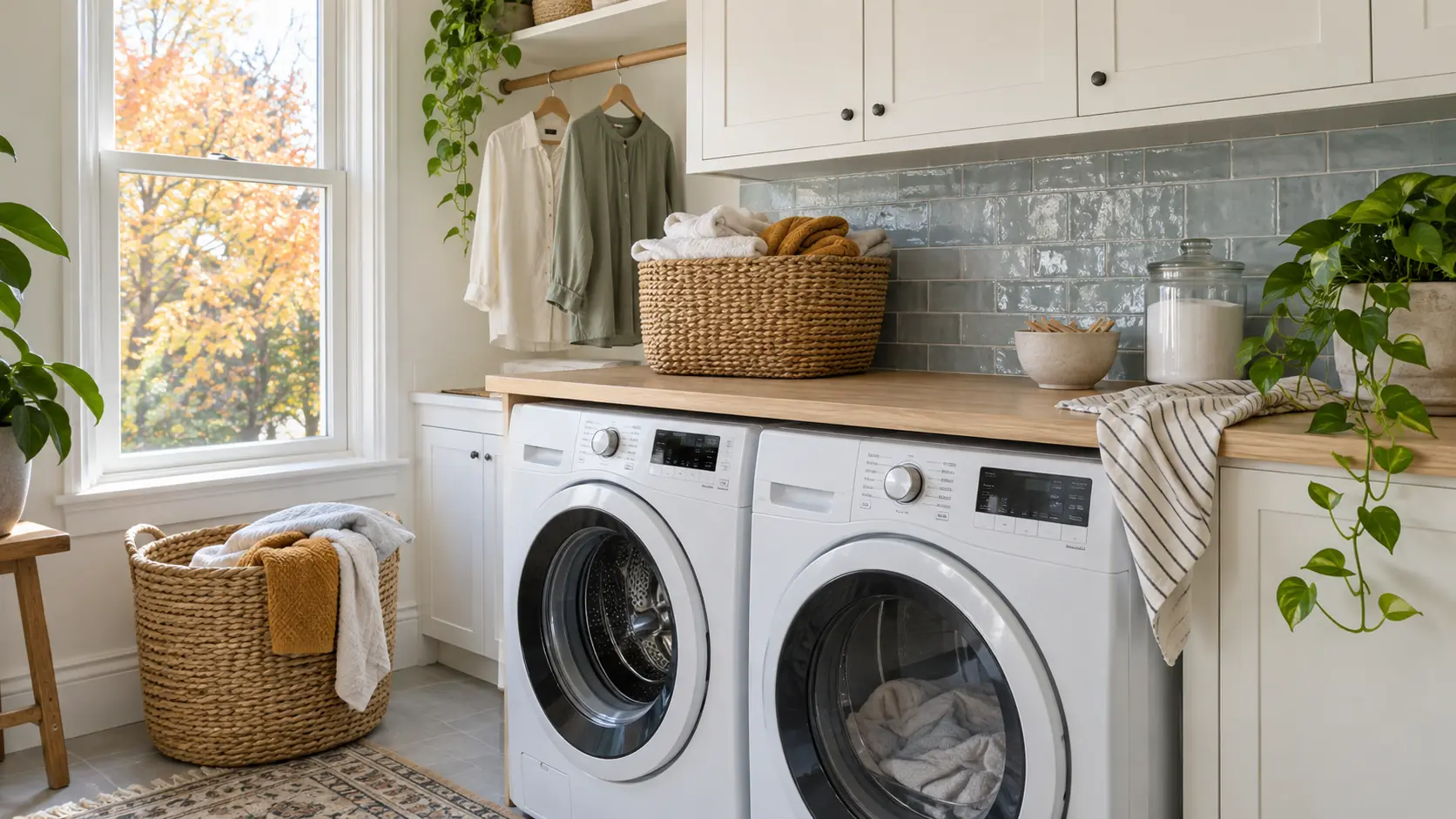
23. Deep Clean the Washing Machine
Use the cleaning cycle and method recommended for your exact machine, then wipe the detergent dispenser, door or lid, and the rubber gasket where moisture and residue often hide. Check and clean any accessible filter only as the manual directs. This is another appliance where a clever online hack can do more harm than good, so let the manufacturer have the final word.
If the manual allows a commercial washing-machine cleaner, this 12-month supply of Tide washing-machine cleaner works with both front- and top-loading machines, so you will not have to remember to restock after two cycles. Follow the label dose and keep the powder packets out of reach of children, because more cleaner does not mean a deeper clean.
If recommended and safe for your household, leave the door or lid open between loads so the interior can dry. While you are there, combine safe duplicates and remove products you never use. Three almost-empty stain removers lined up on top of the washer are not a laundry system, although I have certainly pretended otherwise.
24. Clear the Dryer Lint Path
Clean the lint screen, then inspect the area around and behind the dryer if you can move the appliance safely. Make sure the exhaust path is not crushed or visibly restricted and that the outdoor vent flap opens when the dryer operates. The U.S. Consumer Product Safety Commission recommends cleaning lint from the vent pipe at least once a year, so this is more than a satisfying housekeeping job.
If the vent run is long, hidden, difficult to reach, or badly overdue, call a qualified professional rather than guessing. There are plenty of reset tasks where “good enough” is perfectly acceptable; dryer safety is not one of them.
25. Finish the Outdoor Summer Shutdown
Choose a dry day to wash and fully dry outdoor cushions, clean and cover furniture according to its care instructions, store garden tools, and empty any planters that will not tolerate freezing temperatures. Check the exterior lights while you are outside, because a burnt-out bulb becomes far more annoying once sunset starts arriving before dinner.
In freezing climates, disconnect hoses and follow local guidance for protecting exterior faucets and irrigation. Arrange for gutter cleaning if needed, especially when the job involves a ladder or a difficult roofline. The point isn’t to do every outdoor maintenance task yourself; it is to notice what needs doing while the weather is still cooperative.
Fall Safety and Winter Readiness Check
The last five tasks won’t make a beautiful before-and-after photo, but they are what turn this from a decorating list into a complete fall home reset. Use the manuals and local requirements for your home, and bring in qualified help whenever a job goes beyond safe routine maintenance. Cozy is lovely. Cozy with working heat and alarms is considerably better.
26. Check the HVAC Filter and Heating System
Locate the HVAC filter and inspect or replace it according to your system manufacturer’s instructions. ENERGY STAR recommends checking filters monthly during heavy-use seasons and replacing a dirty filter, with replacement at least every three months, although your equipment and household conditions may require a different schedule.
Turn the heat on before you truly need it, then listen for unusual sounds, notice any persistent smell, and check whether the rooms begin warming as expected. I would rather discover a problem on a mild afternoon than during the first freezing night, when every heating company in town is receiving the same frantic phone call. If the system is due for service or something seems wrong, schedule a qualified HVAC technician early.
27. Have the Fireplace and Chimney Checked
Don’t make the first fire of the season the inspection. If you use a fireplace or fuel-burning heating equipment, arrange the cleaning or professional check appropriate for the appliance, chimney, and requirements where you live. The U.S. Fire Administration advises having furnaces, chimneys, and chimney connectors inspected by a professional before cold weather.
Clear stored objects away from heat sources, review the safe operating instructions, and make sure screens or doors are in good condition. A basket of blankets can look beautiful near the hearth without being close enough to become part of the fire.
28. Test Smoke and Carbon Monoxide Alarms
Press the test button on every smoke and carbon monoxide alarm and follow each manufacturer’s maintenance and replacement directions. Do not wait for the clock change if the alarms have not been tested recently. The U.S. Fire Administration says smoke alarms should be tested every month and replaced when they reach the end of their service life.
Check the manufacture date, replace batteries where applicable, and confirm that alarms are installed where local rules require them. If you rent and an alarm is missing, damaged, or not functioning, report it promptly to the landlord or property manager rather than assuming someone else has noticed.
29. Find and Seal Obvious Drafts
On a breezy day, walk around the accessible windows and exterior doors and pay attention to where cold air enters. Look for worn weatherstripping, failed caulk, gaps around the frames, or a door sweep that no longer meets the threshold. Use products designed for the specific location and material, because the wrong sealant can create a messy problem without fixing the draft.
Renters should document the issue and contact the landlord or property manager before making permanent changes. Even if the repair cannot happen immediately, identifying the source explains why one room never feels comfortable and gives you time to deal with it before the temperature drops.
30. Refresh the Household Emergency Kit
Take the emergency supplies out rather than trusting that the kit is still complete. Replace expired food, water, batteries, and medications as appropriate, charge backup power banks, test the flashlights, and make sure everyone in the household knows where everything is kept. The kit should reflect the people and animals who actually live in your home, your climate, and the types of disruption most likely where you are.
For the flashlight portion, this GearLight LED flashlight two-pack makes it easy to keep one in the main kit and another near a bedroom or exit. Batteries are not included, so add the correct fresh batteries at the same time and inspect them during future kit checks.
Ready.gov’s emergency kit guidance is a useful starting point for supplies that can support a household for several days. Include copies of essential information and review the plan along with the physical items, because a perfectly stocked box is less useful if nobody knows how to reach it in the dark.
How to Finish the Reset Without Losing an Entire Weekend
Thirty tasks only feel overwhelming when they are treated as one enormous task. I prefer to divide the list into four sessions, each with a clear stopping point, so the reset can fit around normal life rather than swallowing it.
- Session one is the visible reset. Complete the entryway and living room tasks first. They create the quickest visual change, which gives you a reason to keep going.
- Session two is the storage reset. Work through the pantry, freezer, clothing, bedding, and linen closet while you are already in an editing mood.
- Session three is the practical reset. Handle the bathroom, laundry area, and outdoor loose ends, preferably on a day with decent weather.
- Session four is the safety check. Test the heating and alarms, inspect for drafts, review emergency supplies, and schedule any professional work the house needs.
Keep a small “not today” list beside you. If you notice that a shelf needs repairing, a room wants a new paint color, or the entryway could eventually use a better bench, write it down and return to the task at hand. Turning every observation into an immediate project is how a manageable reset becomes a half-finished renovation.
How to Make the House Feel Cozy Without Adding Clutter
After all that editing, the house may look slightly barer than it did before, and that is a good thing. It gives the seasonal choices you do make enough room to matter. Instead of filling every surface, focus on the details that actually change the atmosphere: light, texture, color, nature, and familiar objects with some history behind them.
Turn on lamps earlier and move one into a corner that tends to disappear after sunset. Bring out the soft throw you already own, add a heavier pillow cover, and repeat one deeper shade already present in the room, perhaps chocolate brown, moss, burgundy, navy, plum, or warm rust. A clipping of branches, a bowl of apples, old books, handmade pottery, or framed family photos can bring in more warmth than another bin of strictly seasonal accessories.
I use a simple test: if I removed the obvious fall object, would the room still feel comfortable and inviting on a chilly evening? If the answer is yes, the decorating is working. A home does not need to shout “autumn” from every shelf when the light is warm, the sofa is clean, and there is somewhere pleasant to sit with a cup of tea.
Common Fall Reset Mistakes
Trying to Organize Before Editing
Buying containers first feels productive because it is easy and visually satisfying, but even beautiful baskets cannot solve an excess of things. Remove what is expired, broken, unused, or living in the wrong room before deciding whether the space needs another organizer. Quite often, the empty space is the solution.
Storing Items Dirty or Damp
It is tempting to rush the final step once a room looks better, but clothing, bedding, outdoor cushions, and seasonal gear need to be clean and completely dry before storage. Ten extra minutes in September can prevent stains, odors, mildew, and a deeply disappointing reunion in spring.
Buying Decor Before Clearing Surfaces
When a room feels flat, our instinct is often to add something. In fall, the answer may be to remove the collection of everyday objects that is making every new piece disappear into visual noise. Clear the surface first, live with it for a day, and then decide what it actually needs.
Saving Every Maintenance Job for One Day
Some tasks require appointments, replacement parts, a landlord, or a day without rain. Begin the safety portion early enough that finding a problem does not create an immediate crisis, and keep professional work separate from the cleaning schedule so you are not waiting to “finish everything else” before making an important call.
Designing a System Nobody Will Use
If everyone drops shoes beside the bench instead of placing them in small individual cubbies, the problem isn’t a lack of discipline; the cubbies may simply be too awkward. Try a large tray. Put the key hook closer to the door. Move the basket to where the blankets naturally end up. Good organization follows real behavior rather than demanding that everyone perform a complicated routine forever.
Frequently Asked Questions
When should I do a fall home reset?
Late August through early October works well for many households, although your climate matters more than the calendar. Start when your daily routine begins to change, and try to finish weather-sensitive maintenance before the first freeze or the first period of heavy heating use.
What should be included in a fall cleaning checklist?
A useful fall cleaning checklist covers entry floors, upholstered furniture, hidden dust, windows, bedding, bathroom textiles, the washing machine, the dryer area, the oven, the pantry, and the freezer. Add seasonal storage swaps and a separate safety check so the home is not only cleaner, but genuinely prepared for colder weather.
What is the difference between fall cleaning and a fall home reset?
Fall cleaning focuses mainly on removing dirt, while a home reset changes how the space works for the coming season. It clears summer gear, brings cold-weather essentials forward, reorganizes daily landing spots, makes the main rooms more comfortable, and checks basic systems before winter.
How long does a whole-house fall reset take?
Most households can complete indoor cleaning and organizing in two or three half-days, but the home’s size and starting condition make a big difference. Professional inspections and repairs follow their own schedules. If you only have an hour, begin with the entryway, pantry, bedding, HVAC filter, and alarms, then return to the rest when you can.
How can I make my house cozy for fall on a budget?
Clean first, reduce visual clutter, and shop your own rooms before buying anything. Move lamps into darker corners, bring stored blankets back into circulation, rearrange books and art, clip a few seasonal branches, and repeat one warm color already present in the space. Coziness comes mostly from comfortable light, tactile materials, and a room that is easy to use.
Can renters use this fall home reset checklist?
Yes. Renters can complete almost all the cleaning, organizing, kitchen, textile, alarm-testing, and emergency-kit tasks. Report drafts, heating problems, damaged alarms, dryer vent concerns, or other building maintenance issues to the landlord or property manager, and avoid permanent changes without permission.
What are the most important fall home maintenance tasks?
Priorities differ by property and climate, but heating readiness, functioning smoke and carbon monoxide alarms, safe dryer venting, fireplace or chimney service where applicable, exterior water protection, draft checks, and current emergency supplies belong near the top of most lists. Follow local requirements, product manuals, and qualified professional advice for your particular home.
Final Thoughts
The most successful fall reset isn’t the one with the prettiest labels or the most dramatic before-and-after photos. It’s the one you quietly appreciate on an ordinary Tuesday because you’re no longer tripping over sandals in October, the soup pot is easy to reach, the sofa is clean before blanket season, and the heat has already been tested before you truly need it.
Start with the room that irritates you most, even if it is not task number one. Finish that zone, empty the baskets, and stop while you still have enough energy to enjoy the difference. Then come back for the next five tasks another day.
By winter, the house will not just look ready. It will feel ready, and I think that is a much better kind of seasonal transformation.