
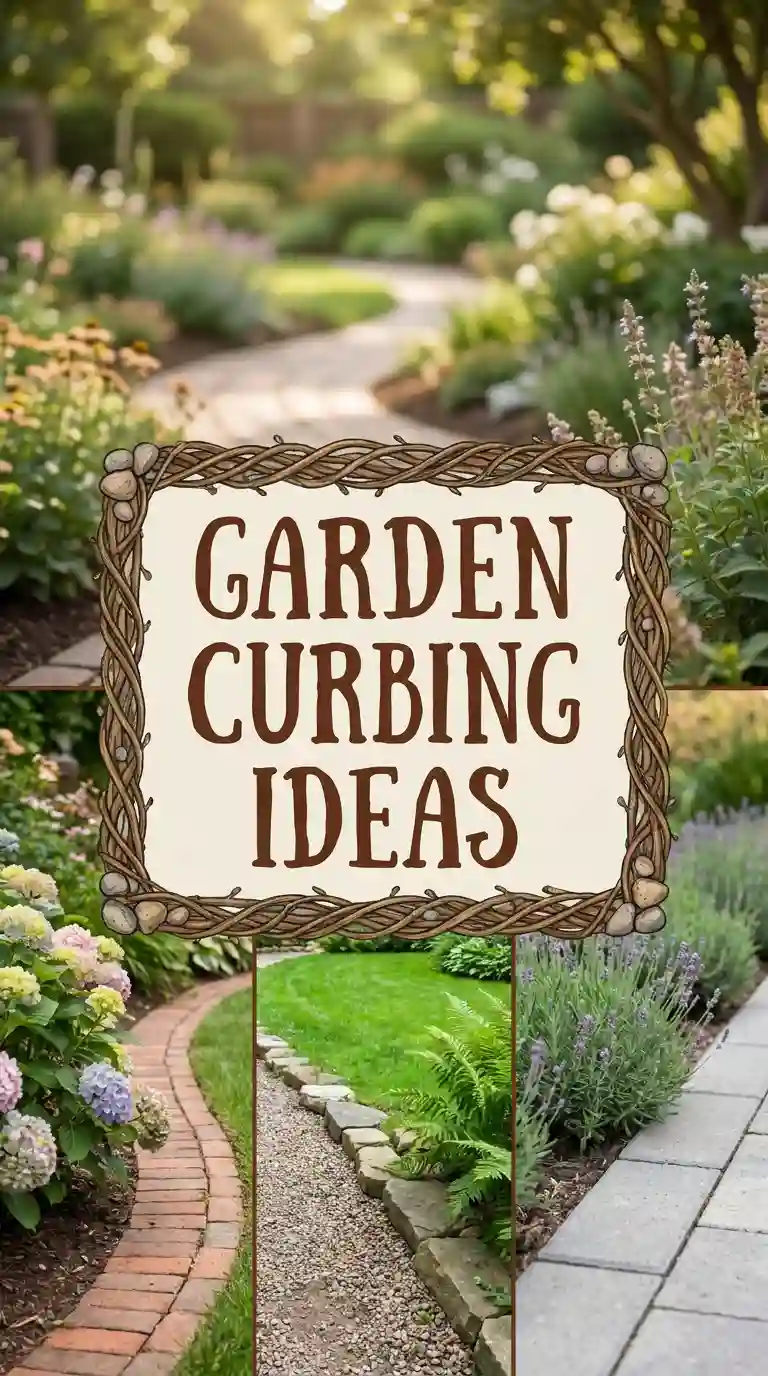
If you have ever stood in your yard and felt like something was just missing, there is a good chance what you are looking for is a defined edge. Garden curbing ideas are one of those home improvement topics that sound simple on the surface but open up into a whole world of creative possibilities once you start digging in. The right curbing can completely change how your entire outdoor space looks and feels, and I say that from personal experience.
I spent two summers experimenting with different garden curbing ideas before I finally found the combination that worked for my yard. Some options were too expensive. Some looked great in photos but were impractical in real life. Some I installed myself and later tore out. This article covers what I have learned through trial, error, research, and a lot of weekend afternoons on my knees in the dirt.
Whether you have a small urban garden, a sprawling suburban lot, or anything in between, garden curbing ideas can help you create defined spaces, reduce maintenance, and seriously boost your curb appeal. Let us get into it.
Also Read : 75 Brilliant Garden Fencing Ideas That Transform Your Outdoor Space Into a Private Paradise
Why Garden Curbing Ideas Matter More Than You Think
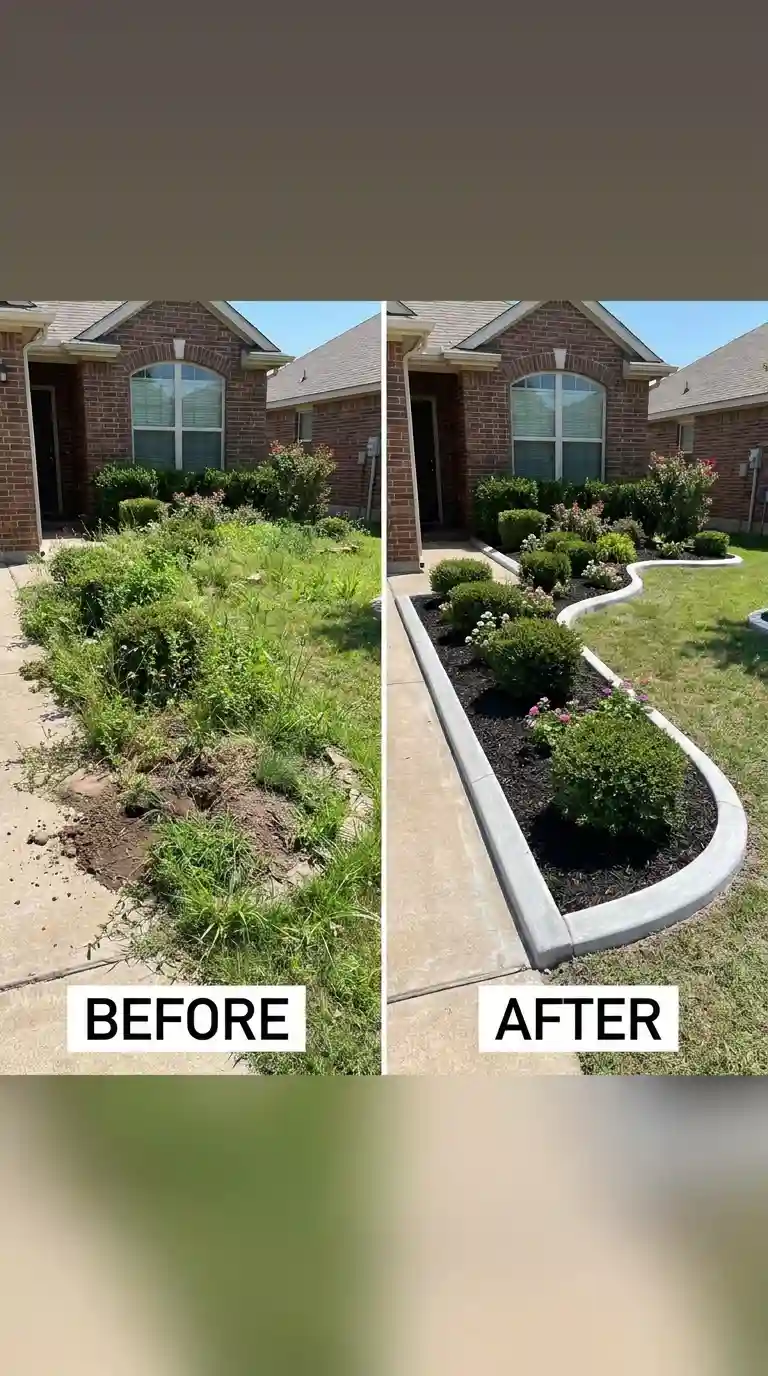
Most people underestimate the impact of edging on their overall landscaping. Garden curbing ideas are not just about aesthetics, although that is a huge part of it. They serve a real functional purpose too. Without clear boundaries, grass creeps into flower beds, mulch washes onto pathways, and the whole yard starts to look like it belongs to someone who gave up.
Good garden curbing ideas create what landscape designers call a clean line. That line is the difference between a yard that looks maintained and one that looks neglected, even when the plants themselves are in perfect shape. It is the visual anchor that holds everything together.
Beyond looks, curbing also protects your plants. It holds mulch and soil in place, prevents lawn grass from invading your garden beds, and reduces the amount of time you spend on your knees pulling weeds from the edges. I started using curbing seriously after my third summer of fighting creeping grass, and the time savings alone made it worth every penny.
The Most Popular Garden Curbing Ideas for Every Style
Concrete Garden Curbing Ideas
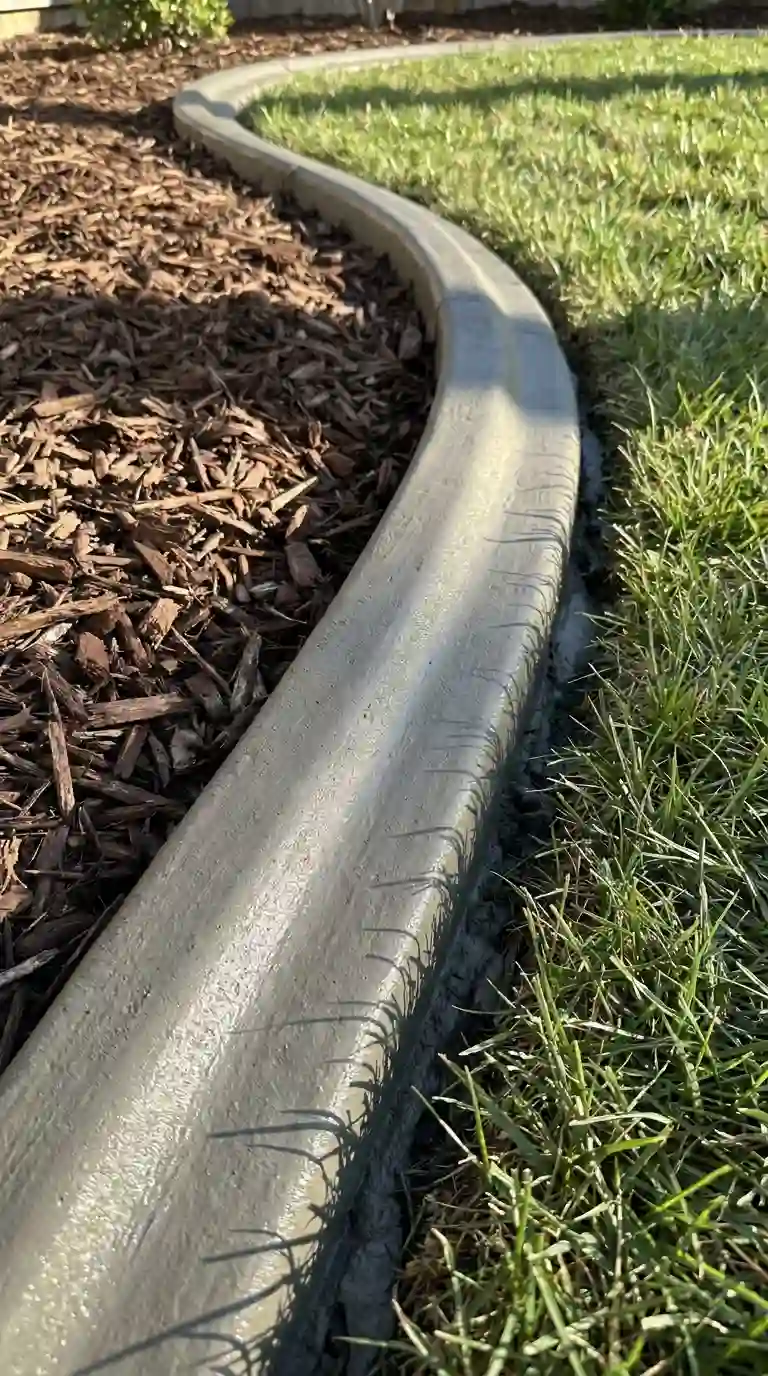
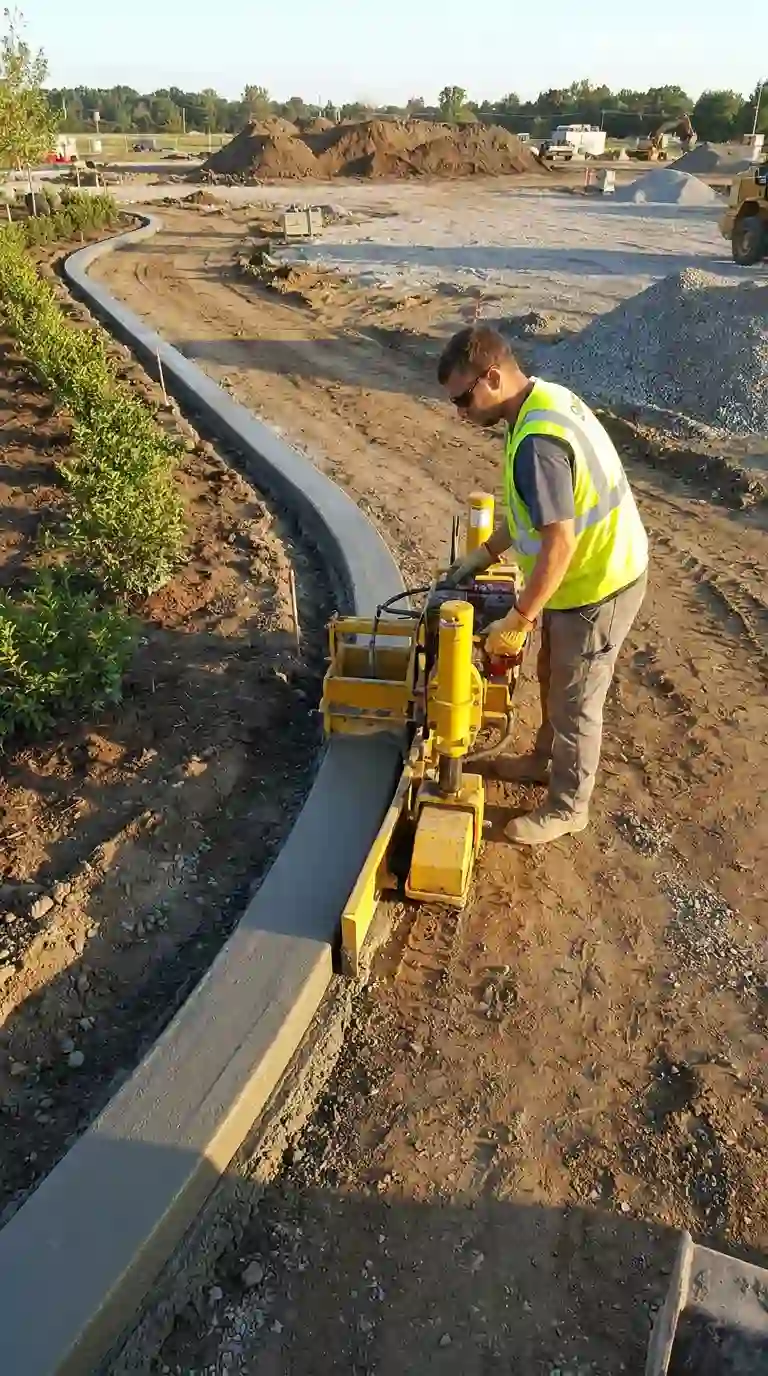
Concrete curbing is probably the most widely recognized option when people search for garden curbing ideas, and for good reason. It is durable, it looks clean and polished, and it can be customized with different shapes, colors, and textures to match your home’s style. Poured concrete curbing is done with a specialized machine that extrudes continuous concrete borders along your garden edges.
The nice thing about concrete garden curbing ideas is that once it is installed, it basically takes care of itself. There is no shifting, no rotting, and no replacing individual pieces. You can get it in a natural gray finish, or have it stamped and colored to look like stone, brick, or even wood. Costs vary, but most homeowners pay between eight and twelve dollars per linear foot for professional installation.
The downside is that concrete garden curbing requires professional installation in most cases unless you are willing to rent or buy the machine. Also, if it cracks from frost heave or heavy equipment, repairs can be tricky to match seamlessly.
Also Read : 35 Brilliant Raised Garden Bed Ideas That Actually Work in Real Life
Brick Garden Curbing Ideas
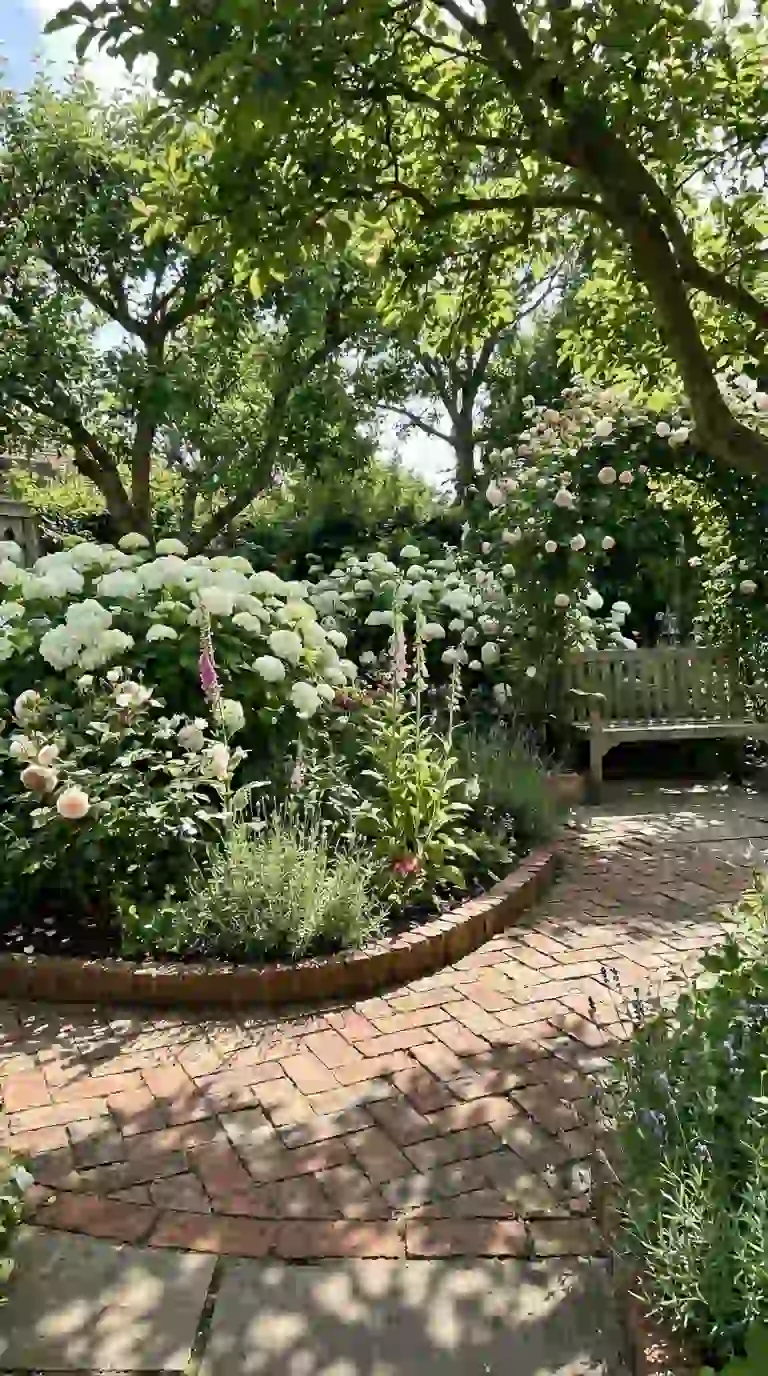
Brick is one of those classic garden curbing ideas that never really goes out of style. It has a warm, traditional look that works beautifully with older homes and cottage-style gardens. You can lay bricks flat, on their side, or at an angle to create different effects. Some people use a soldier course, which is bricks standing upright in a row, while others prefer a sailor course laid flat end-to-end.
What I love about brick garden curbing ideas is that they are highly DIY-friendly. If you are handy and patient, you can absolutely do this yourself over a weekend. Bricks are available at most home improvement stores, they are affordable, and they are relatively forgiving if you make a mistake since you can just pull them up and reset them.
The challenge with brick curbing is that individual pieces can shift over time, especially in climates with harsh freeze-thaw cycles. You will want to set them in a bed of sand or mortar to keep things stable. Also, grass will eventually try to grow between the gaps, so plan for occasional maintenance.
Stone Garden Curbing Ideas
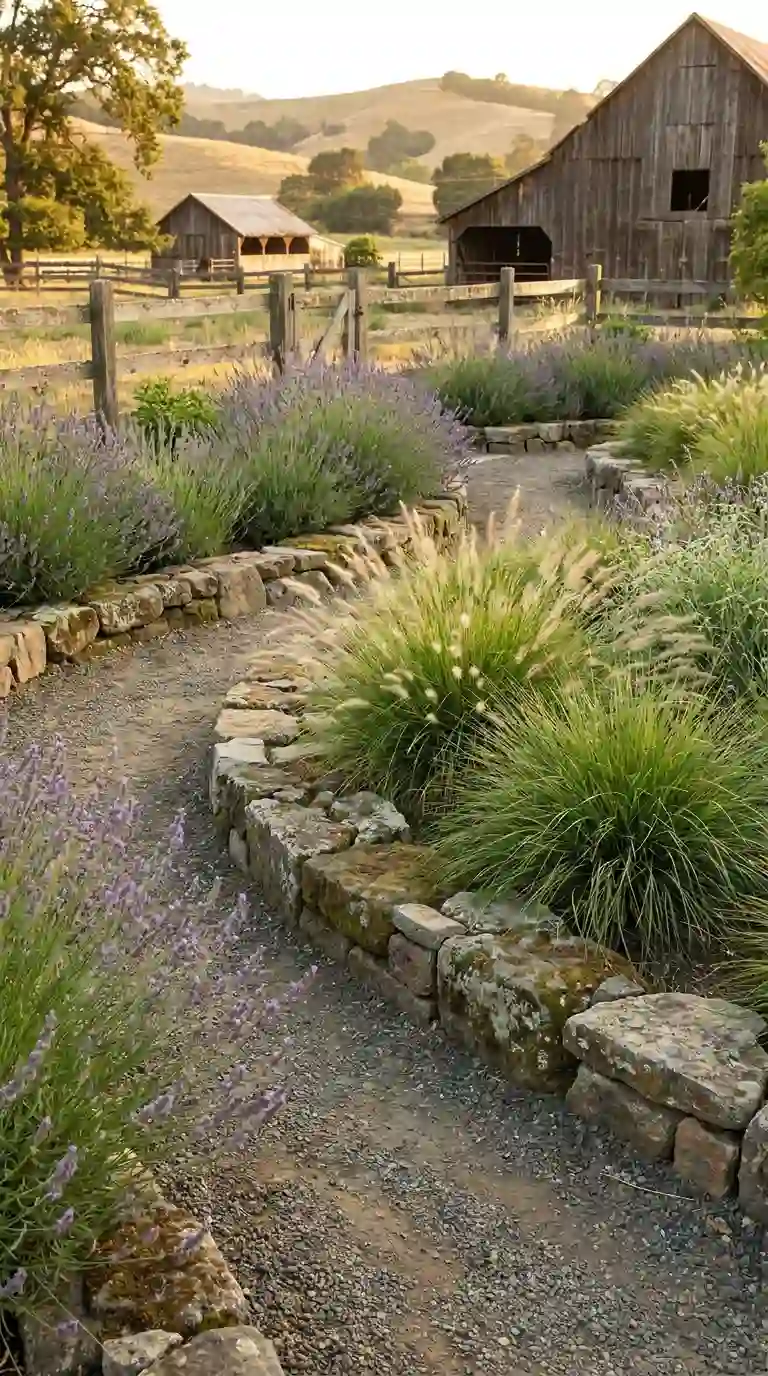
If you want something that looks like it has been there for a hundred years and will last another hundred more, natural stone garden curbing is the way to go. Fieldstone, flagstone, river rock, and limestone are all popular choices for garden curbing ideas in the natural stone category. The look is rustic, organic, and genuinely beautiful in ways that manufactured materials cannot quite replicate.
Stone curbing works especially well in yards with a naturalistic or woodland garden aesthetic. It complements perennial borders, rock gardens, and native plant beds perfectly. You can stack flat stones two or three layers high to create a low retaining wall effect, or simply line them single-file along the edge for a subtle boundary.
The cost of stone garden curbing ideas varies wildly depending on where you source your materials. If you have land with natural stone, you might be able to use what you already have. Otherwise, expect to pay anywhere from two to twenty dollars per stone depending on the type and size.
Metal Garden Curbing Ideas
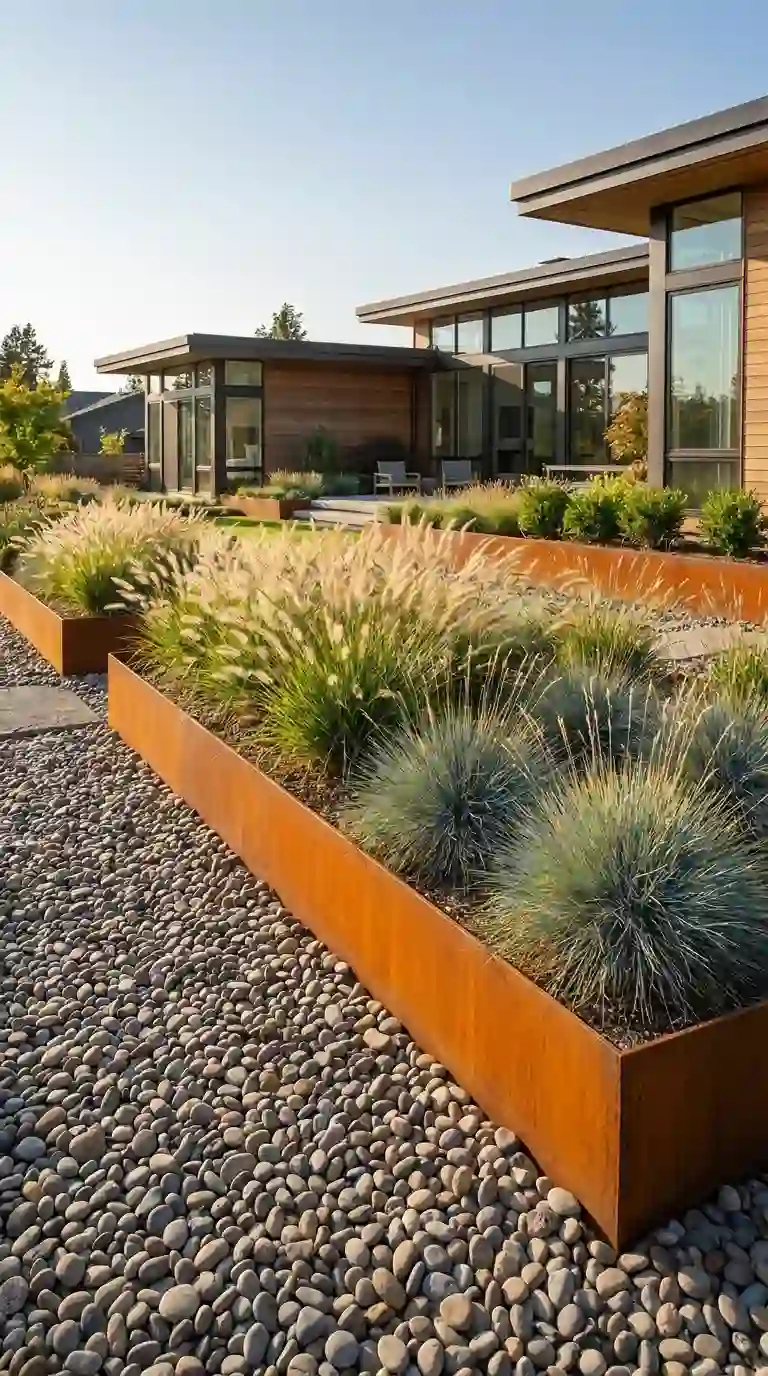
Metal edging has seen a huge surge in popularity over the last few years, and it makes sense. Modern steel and aluminum garden curbing ideas offer a sleek, minimalist look that fits perfectly with contemporary landscaping trends. The thin profile of metal edging means it almost disappears at ground level, giving your garden a clean, floating appearance.
Cor-Ten steel, also known as weathering steel, is particularly popular right now because it develops a beautiful rust patina over time that actually protects the metal while looking incredibly striking against green plants. Aluminum is another great option because it is lightweight, flexible enough to curve easily, and will not rust.
Installation is usually straightforward for metal garden curbing ideas. Most systems use a stake-and-rail design that you hammer into the ground along your garden edge. Some higher-end options snap together for a seamless look. Costs range from one to five dollars per linear foot for aluminum, and can go higher for premium steel.
Also Read : Mini Fairy Garden Ideas: 40 Small Fairy Gardens for Tiny Spaces
Rubber and Plastic Garden Curbing Ideas
Not the most glamorous option, but rubber and plastic garden curbing ideas have a loyal following for practical reasons. These materials are inexpensive, flexible, easy to install, and widely available. Recycled rubber edging in particular has environmental appeal since it is often made from old tires.
For gardeners on a tight budget or those who want a quick weekend project, plastic and rubber garden curbing ideas are hard to beat on practicality. They flex easily around curves, they will not crack or corrode, and they come in a variety of heights and colors. The black color of most rubber edging actually tends to disappear visually in a garden, which some people prefer.
The honest truth is that cheaper plastic edging can look cheap if not installed carefully. It tends to heave out of the ground over time and can become brittle and crack after a few years of UV exposure. If you go this route, spend a little more on the thicker, commercial-grade versions and you will have much better results.
Creative Garden Curbing Ideas for Unique Spaces
Curved Garden Curbing Ideas for a Softer Look
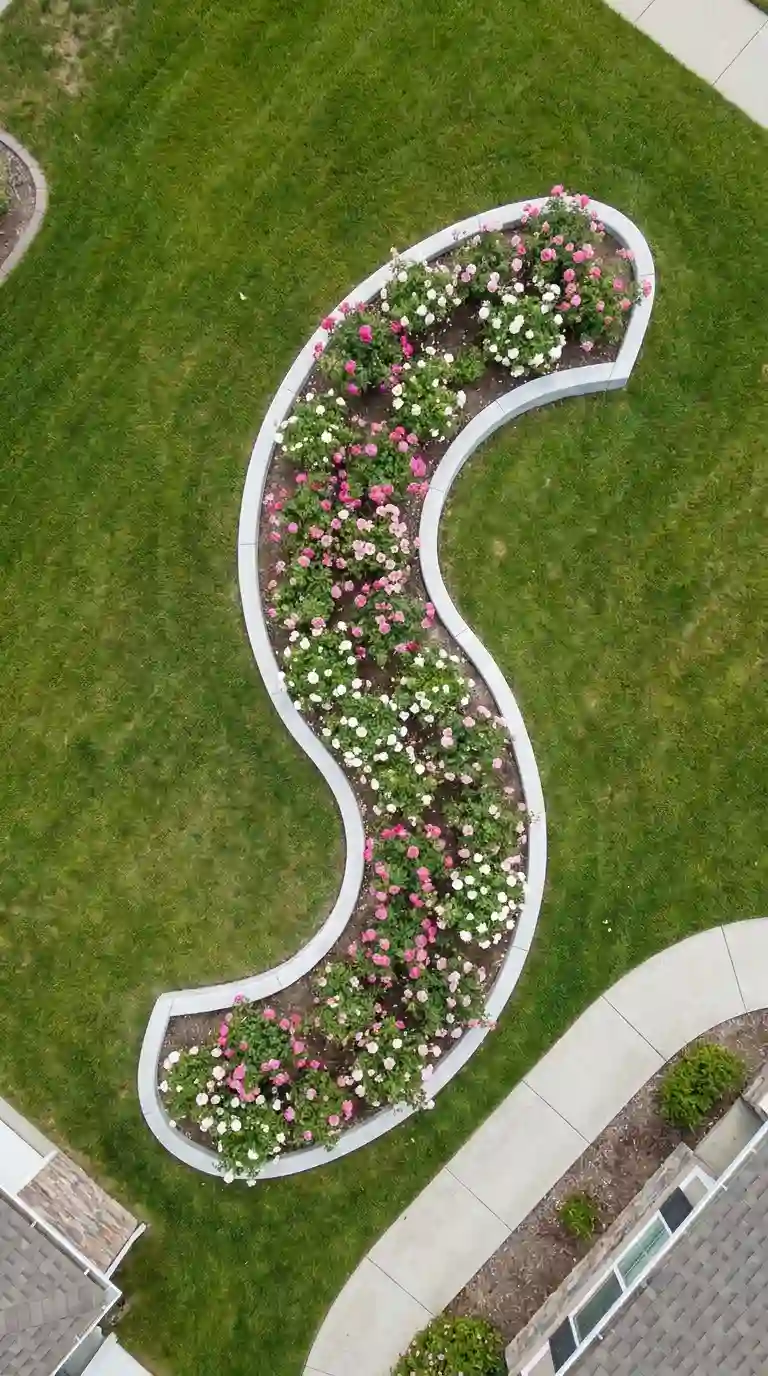
Straight lines have their place, but curved garden curbing ideas create a much more natural, flowing appearance that works beautifully in most residential gardens. Curves feel organic and inviting, and they break up the rigid geometry that can make a yard feel cold or formal when every edge is a perfect right angle.
The key to pulling off curved garden curbing ideas successfully is keeping your curves graceful and intentional. A gentle, sweeping arc looks elegant. A sharp, jerky zigzag looks like a mistake. I always recommend using a garden hose to lay out your curves before you commit to any edging material. Lay the hose down, step back, look at it from different angles, adjust as needed, then use marking paint to trace the line before you start digging.
Flexible materials like metal, rubber, and plastic edging lend themselves well to curved garden curbing ideas. Concrete curbing machines are also designed to follow curves smoothly. Brick and stone can work too, but they require more careful planning and execution to keep the curve looking smooth rather than choppy.
Raised Garden Curbing Ideas
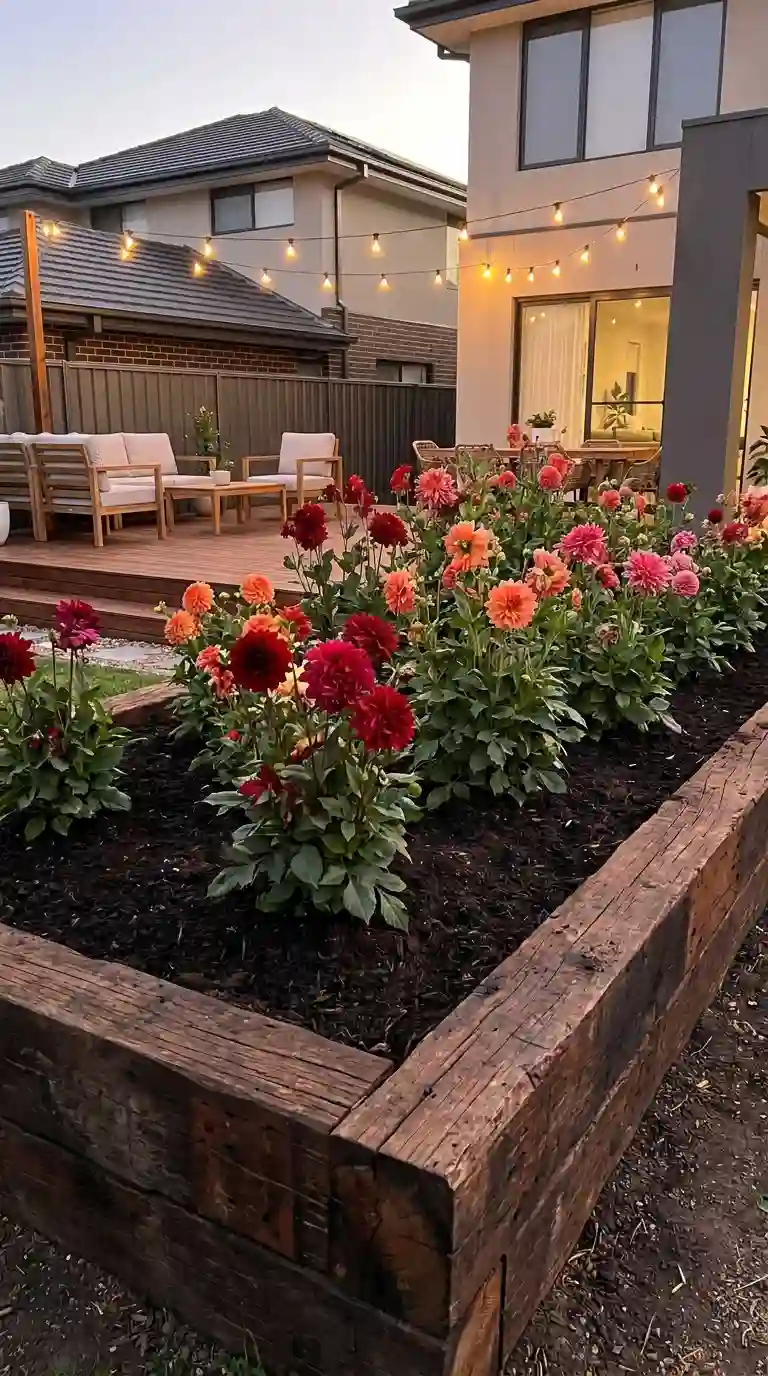
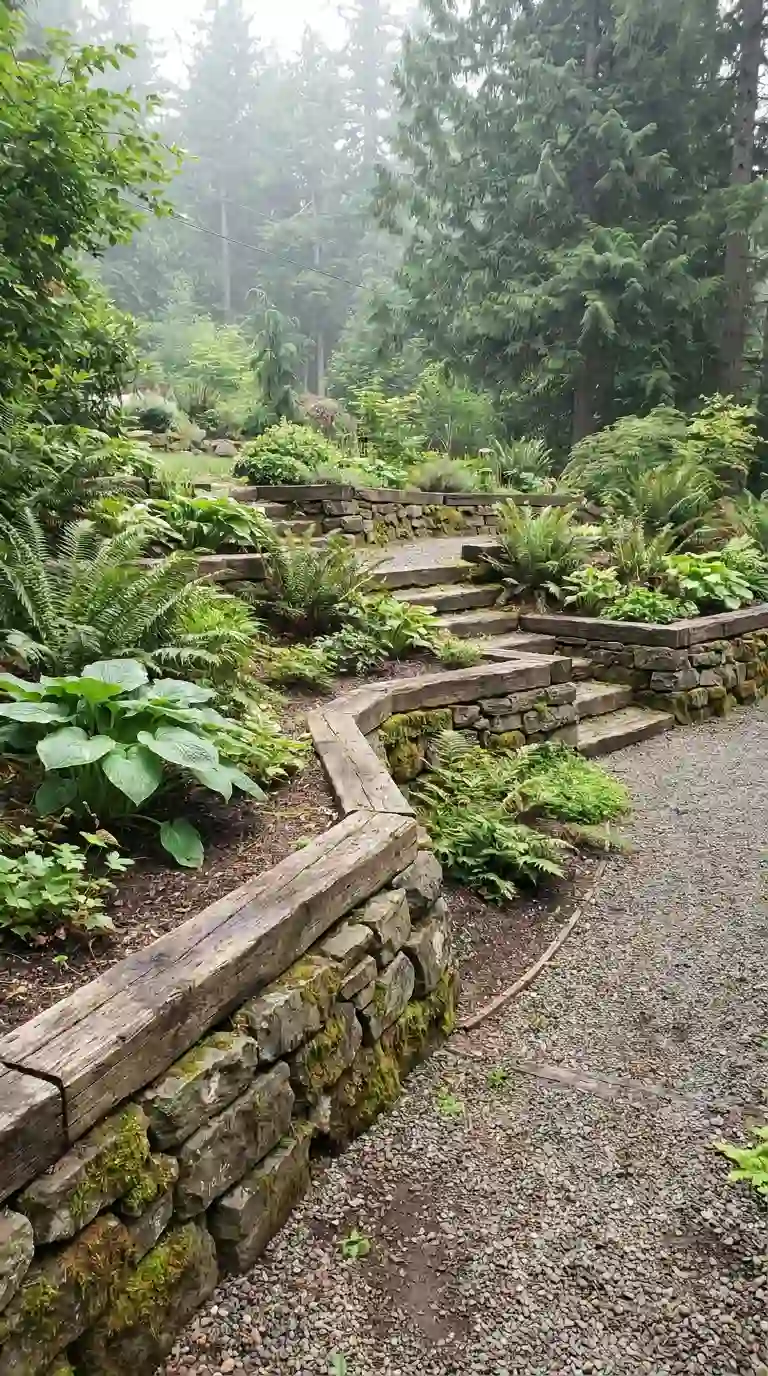
Raised curbing is a fantastic idea for anyone dealing with slopes, erosion issues, or simply wanting to add dimension to a flat yard. Raised garden curbing ideas create a low wall effect that holds soil in place, prevents runoff, and adds genuine visual interest to the landscape. Even a curb that is just four to six inches above grade makes a noticeable difference in how a garden bed looks and functions.
Timber sleepers, concrete blocks, natural stone, and brick are all excellent choices for raised garden curbing ideas. You can go as high as you like, though anything over about eighteen inches starts to function more as a retaining wall and requires more structural consideration. For most decorative purposes, six to twelve inches of height is ideal.
One thing I particularly love about raised garden curbing ideas is the way they create perfect little sitting ledges. A stone or concrete curb that is ten to twelve inches high and at least six inches wide becomes an impromptu seat while you garden. That practical bonus is something you do not get with flush curbing.
Garden Curbing Ideas Using Recycled Materials
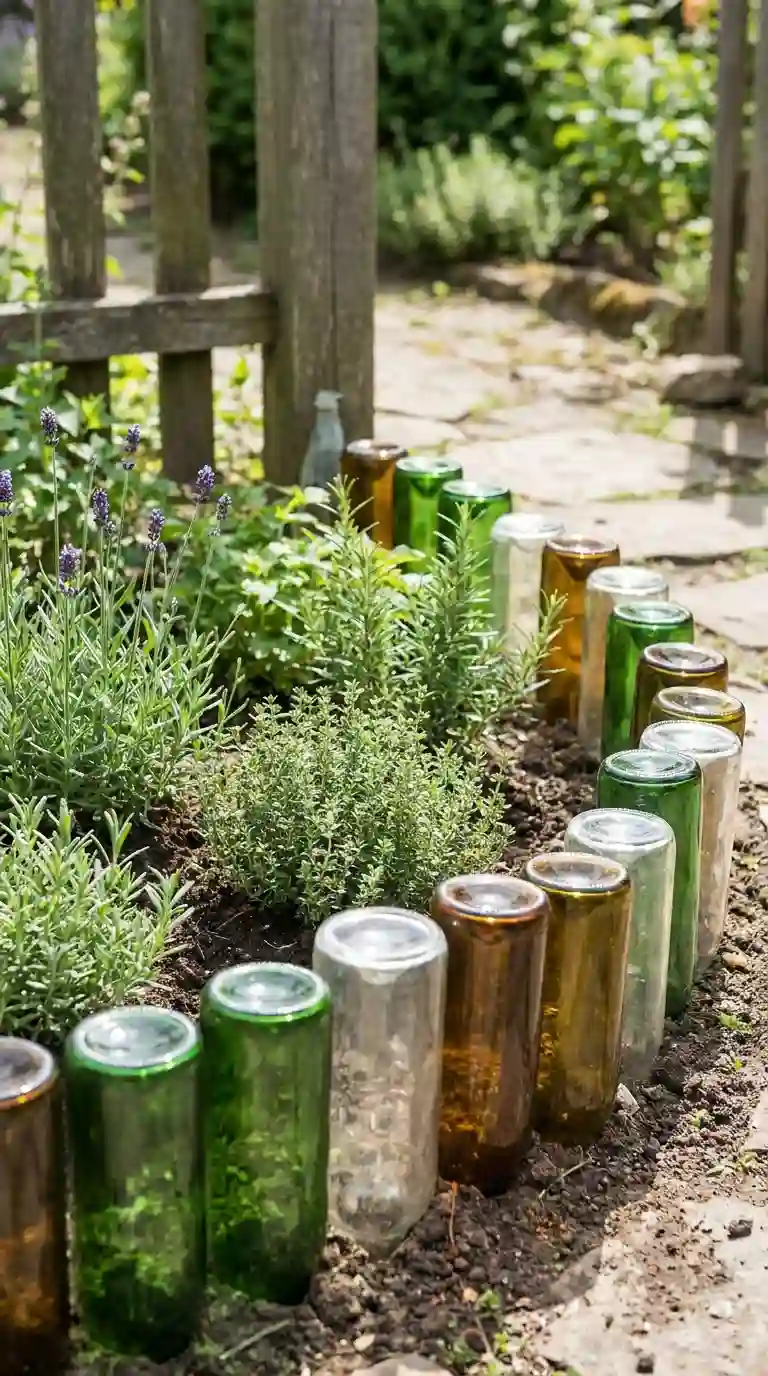
One of the most charming categories of garden curbing ideas involves using recycled or found materials in creative ways. Old wine bottles embedded neck-down in the soil, salvaged roof tiles stood on end, broken terracotta pots, chunks of salvaged concrete, used railway sleepers, the possibilities here are genuinely endless and often result in truly unique garden edging that becomes a conversation piece.
Recycled garden curbing ideas appeal to eco-conscious gardeners as well as those who want a look that is completely personal and cannot be bought at any garden center. There is something deeply satisfying about taking a material that would otherwise go to waste and turning it into a beautiful functional element in your garden.
The main thing to watch out for with recycled garden curbing ideas is using materials that are safe to have in contact with soil near edible plants. Old pressure-treated lumber, for example, may contain chemicals you do not want leaching into a vegetable garden. Glass bottles are beautiful but can be hazardous if broken. Think through safety and longevity before committing.
Garden Curbing Ideas for Front Yards
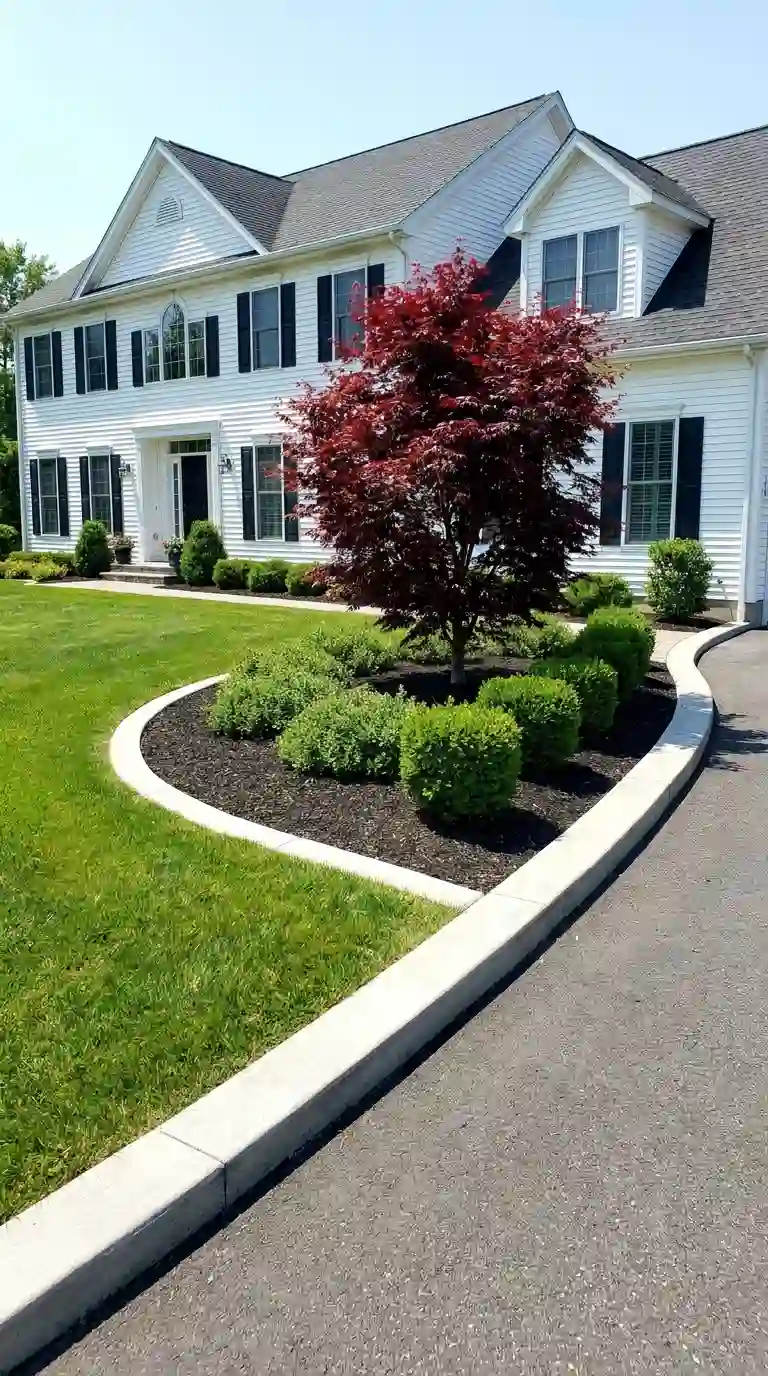
Your front yard is what the world sees first, so garden curbing ideas for this space deserve extra attention. The curbing you choose should complement your home’s architectural style, work with your existing plants and hardscaping, and be durable enough to hold up under foot traffic and weather exposure.
For traditional homes, brick or tumbled concrete block garden curbing ideas tend to work best. The warm tones and classic proportions feel right with colonial, craftsman, and Tudor-style architecture. For modern or contemporary homes, clean concrete curbing or Cor-Ten steel create the sharp, minimalist lines that complement those architectural styles.
Color matters more in the front yard than anywhere else. Think about how your curbing material will look against your driveway, your sidewalk, your mulch, and your house exterior. A cohesive palette ties everything together and makes the whole yard look professionally designed, even if you did everything yourself.
Garden Curbing Ideas Along Driveways
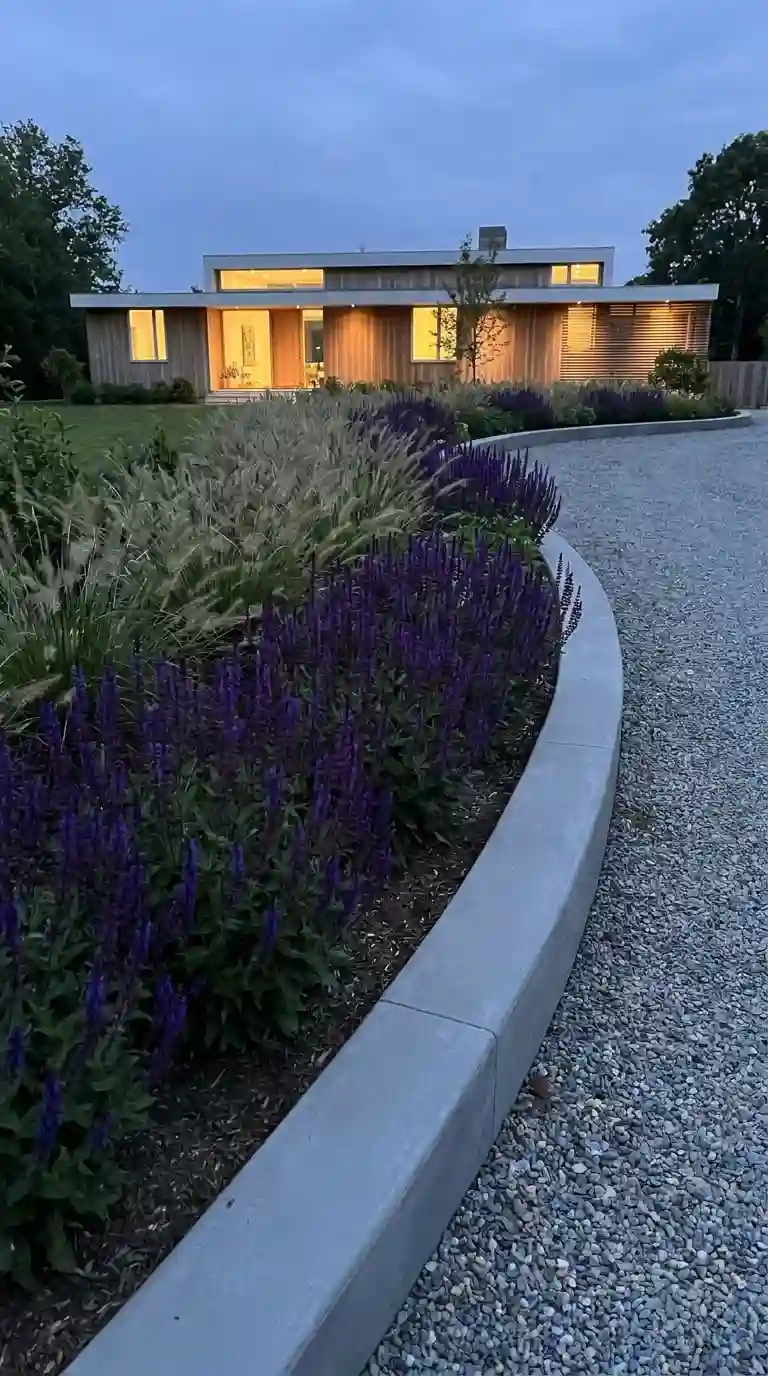
Driveway edges are one of the best places to deploy garden curbing ideas because they naturally define where the hardscape ends and the garden begins. A well-curbed driveway bed instantly upgrades the look of your whole property. Concrete and brick are particularly popular here because they can handle occasional tire contact without damage.
Many homeowners use garden curbing ideas along driveways to create planting beds that soften the hard edge of the pavement. Tall ornamental grasses, low flowering shrubs, or seasonal annuals look spectacular when given a crisp curbed bed to grow in. The curbing keeps everything contained and neat even when plants get large and full.
Lawn-to-Garden Transition Garden Curbing Ideas
One of the classic applications for garden curbing ideas is the transition zone between your lawn and your planting beds. This is where grass intrudes, mulch migrates, and the visual definition of your yard breaks down without good edging in place. The right curbing creates a permanent, maintenance-reducing barrier between lawn and garden.
For this application, anything from a simple aluminum strip to a poured concrete curb works well. The key is that the curbing needs to be deep enough to stop grass rhizomes from sneaking underneath. Most gardeners aim for at least four to six inches of depth when installing any type of lawn-to-garden garden curbing.
Garden Curbing Ideas for Backyard Spaces
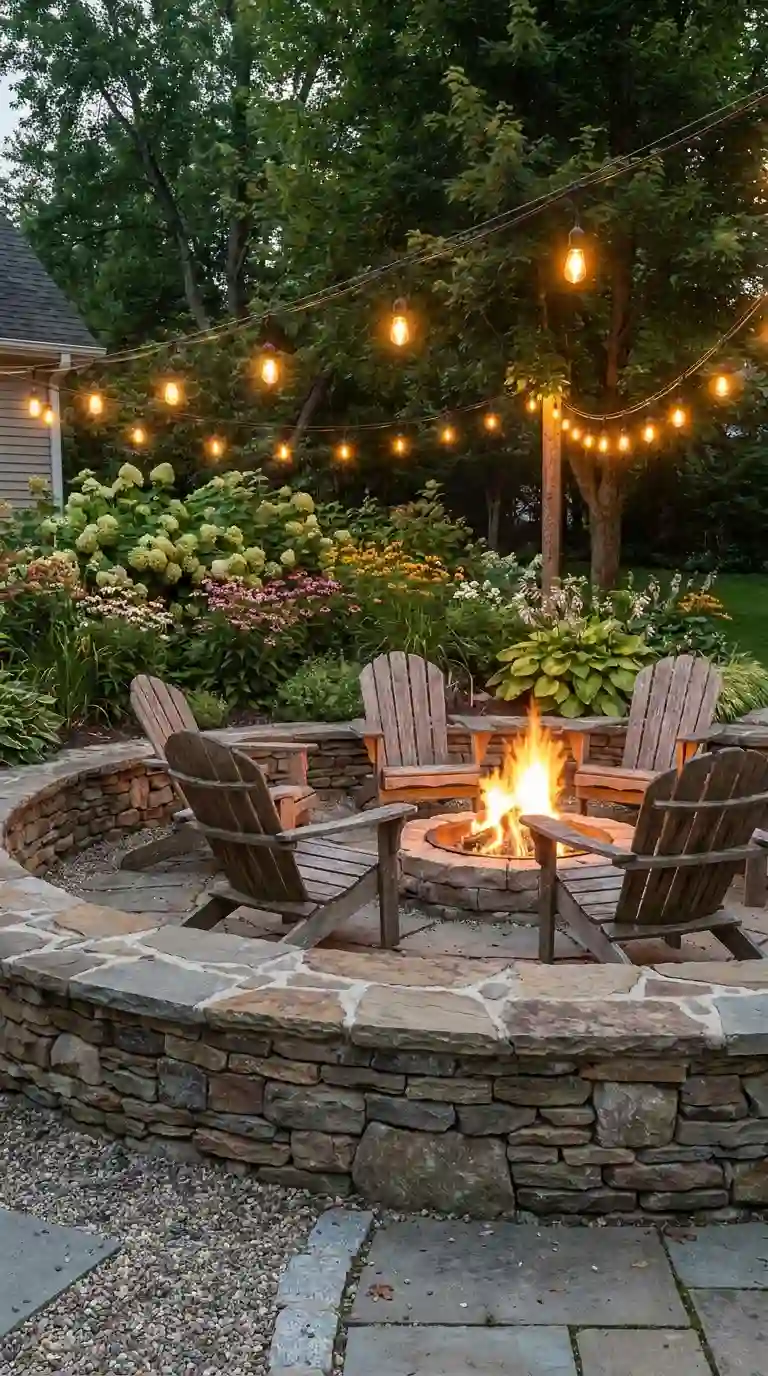
Backyards give you more room to experiment and express yourself with garden curbing ideas than the more visible front yard. Here you can try bolder materials, more unusual layouts, and garden curbing ideas that might feel too eclectic for the street-facing side of your property.
Pool areas, patio surrounds, vegetable gardens, fruit tree rings, lawn borders, pathway edges: every one of these is an opportunity to deploy garden curbing ideas that add beauty and function. I love seeing backyards where the curbing tells a coherent story throughout the space, using consistent materials or colors to tie different zones together.
One of the most impactful garden curbing ideas for backyards is creating defined garden rooms using curbing as the walls. Curb-lined pathways leading from one garden room to another create a sense of journey and discovery that makes even modestly sized backyards feel expansive and interesting.
Vegetable Garden Curbing Ideas
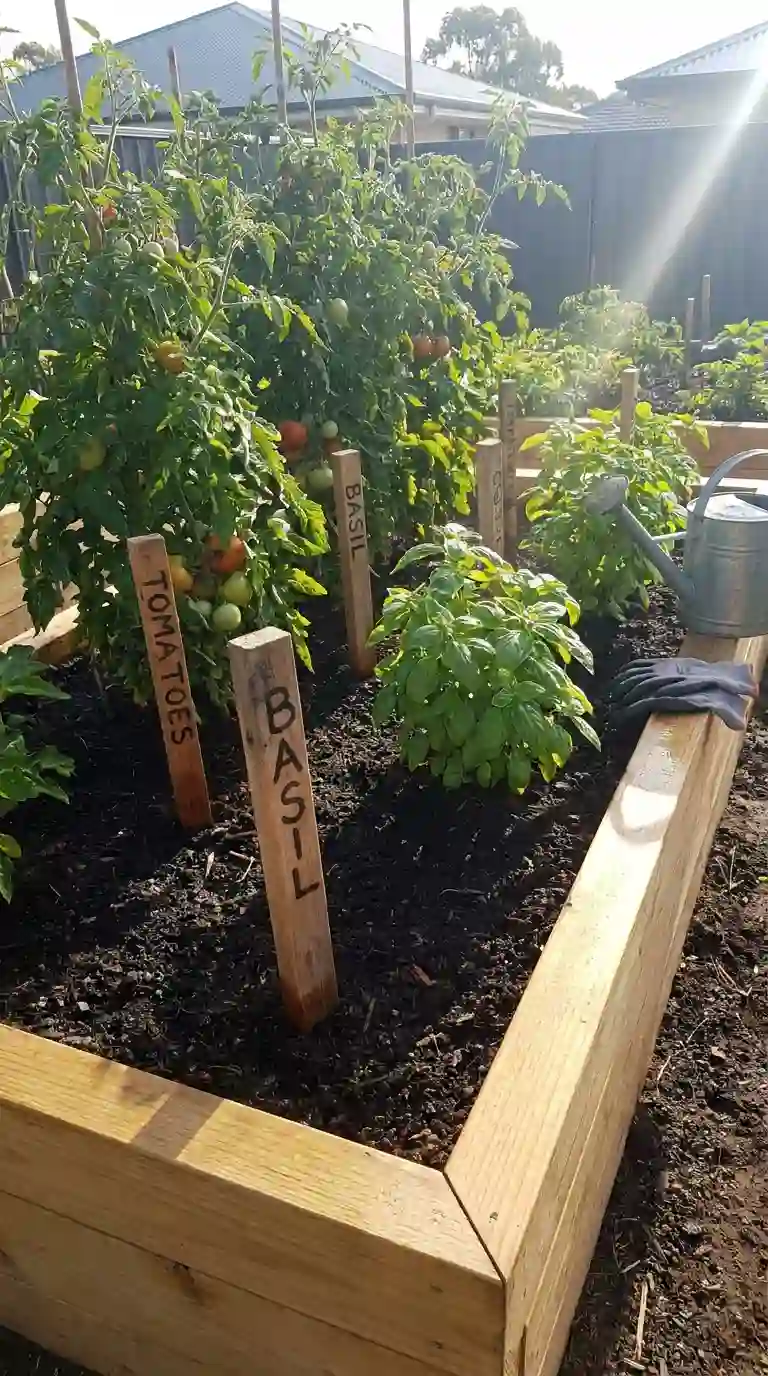
Vegetable gardens benefit enormously from clear, defined curbing. Garden curbing ideas for veggie patches serve practical purposes beyond aesthetics. They keep out lawn grasses that would compete with your vegetables, hold in your carefully amended soil and compost, and make walking paths clear so you never accidentally step on your plants.
For vegetable gardens, I strongly recommend avoiding any garden curbing ideas that use materials that might leach chemicals into the soil. Untreated cedar, rot-resistant hardwoods, concrete, stone, and galvanized metal are all safe choices. Stay away from old painted wood, pressure-treated lumber with unknown chemical content, and any recycled industrial materials of uncertain origin.
Raised bed garden curbing ideas are incredibly popular in vegetable gardens for good reason. Raising your bed eight to twelve inches above grade improves drainage, warms the soil faster in spring, and makes it much more comfortable to work in the garden without bending over as far. A simple timber curb around a raised bed is one of the best investments a vegetable gardener can make.
Around Tree Garden Curbing Ideas
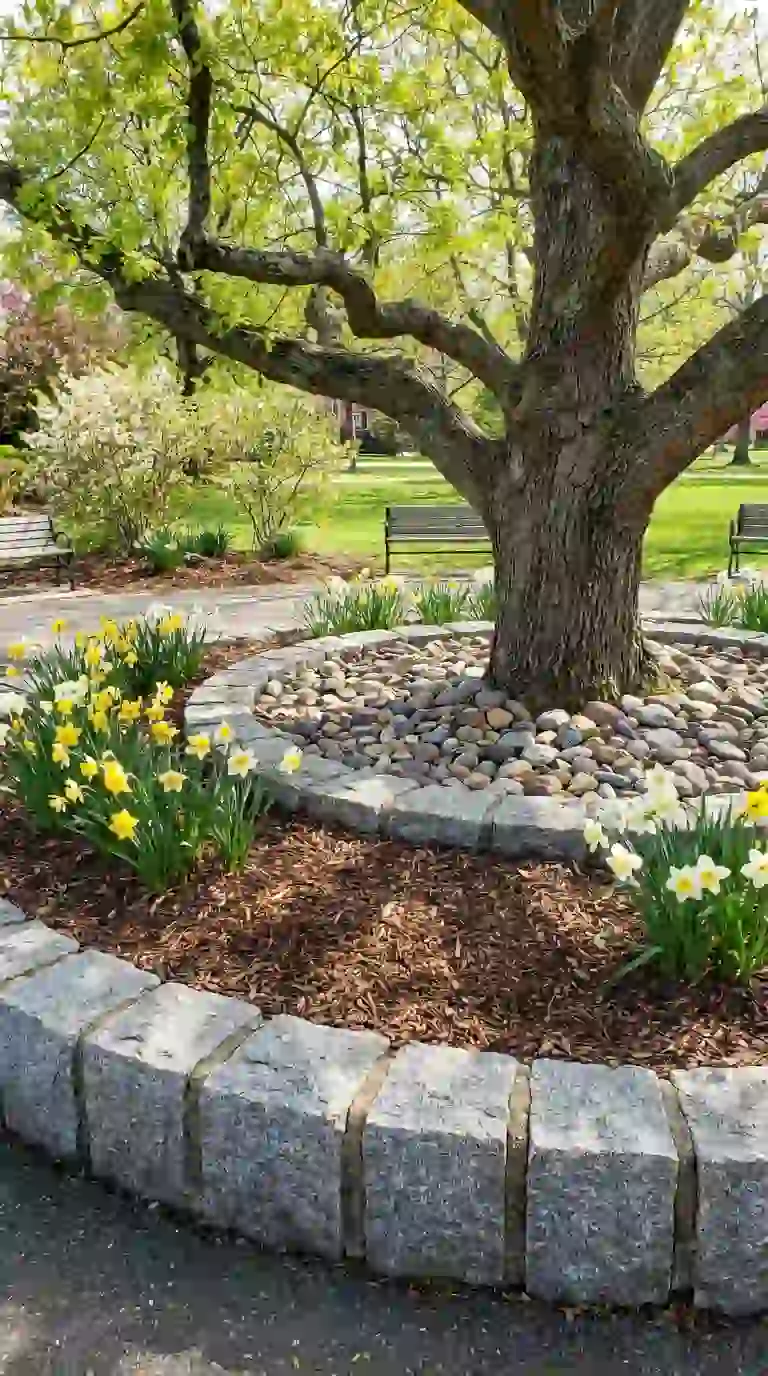
Tree rings are a fantastic and often underutilized application for garden curbing ideas. Creating a defined mulched ring around the base of a tree does several great things at once. It protects the tree from lawn mower and string trimmer damage, it allows water and nutrients to reach the roots more easily, and it looks incredibly tidy and intentional.
Circular garden curbing ideas around trees look particularly beautiful because the round shape echoes the organic form of the tree itself. Stone, brick, and poured concrete all work well. For large, established trees, you will often want to make the ring quite generous, extending out to or slightly beyond the drip line for maximum benefit.
A word of caution with tree ring garden curbing ideas: do not pile mulch up against the trunk in a volcano shape. Keep it flat and keep the first few inches near the trunk clear. Mulch piled against tree trunks causes rot and invites pests. The curbing should define the bed, and the mulch inside should be flat, ideally two to four inches deep.
DIY Garden Curbing Ideas You Can Do This Weekend
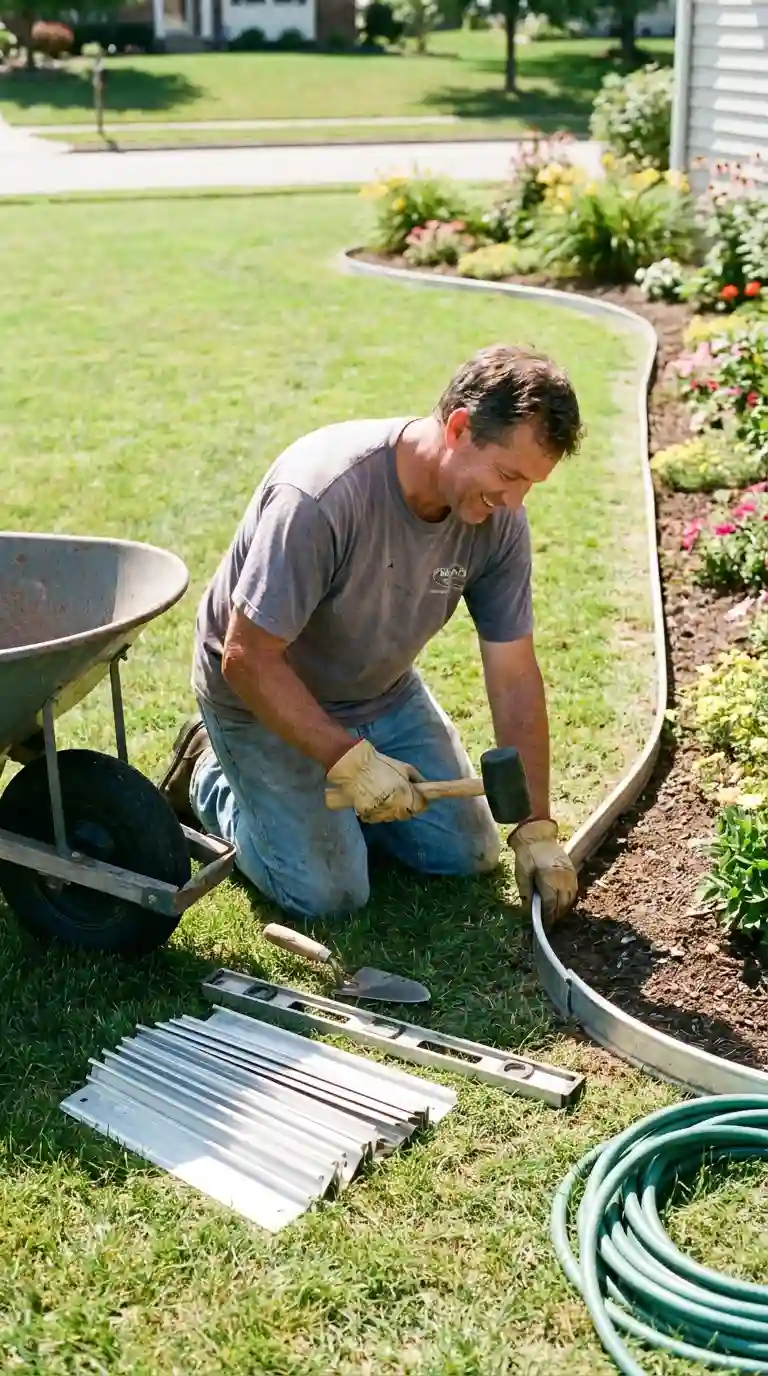
Not everyone wants to call in a contractor for garden curbing, and the good news is that many garden curbing ideas are very DIY-friendly. If you are willing to put in a Saturday’s worth of work, you can dramatically transform the look of your yard without spending a fortune.
The most important thing for successful DIY garden curbing ideas is preparation. Lay out your line carefully before you start any digging or installation. Use a garden hose for curves and string lines for straight edges. Mark the line with marking paint or flour. Dig a clean, consistent trench the right depth for your chosen material. Work slowly and check your line often.
Simple Trench Edging
If budget is a real concern, one of the cleanest garden curbing ideas available is actually just a well-cut trench. Using a flat spade or a dedicated edging tool, you cut a sharp, vertical-sided trench about three to four inches deep along the edge of your garden bed. The clean soil face holds back the lawn and creates a surprisingly crisp visual edge.
Trench edging is not permanent and requires re-cutting once or twice a season, but it is completely free and looks remarkably good when done carefully. It is actually the preferred method for some professional landscape designers who feel that materials like plastic edging look worse than a well-maintained natural edge. It is one of those garden curbing ideas that proves you do not always need to buy something to get good results.
Paver and Brick Edge Setting
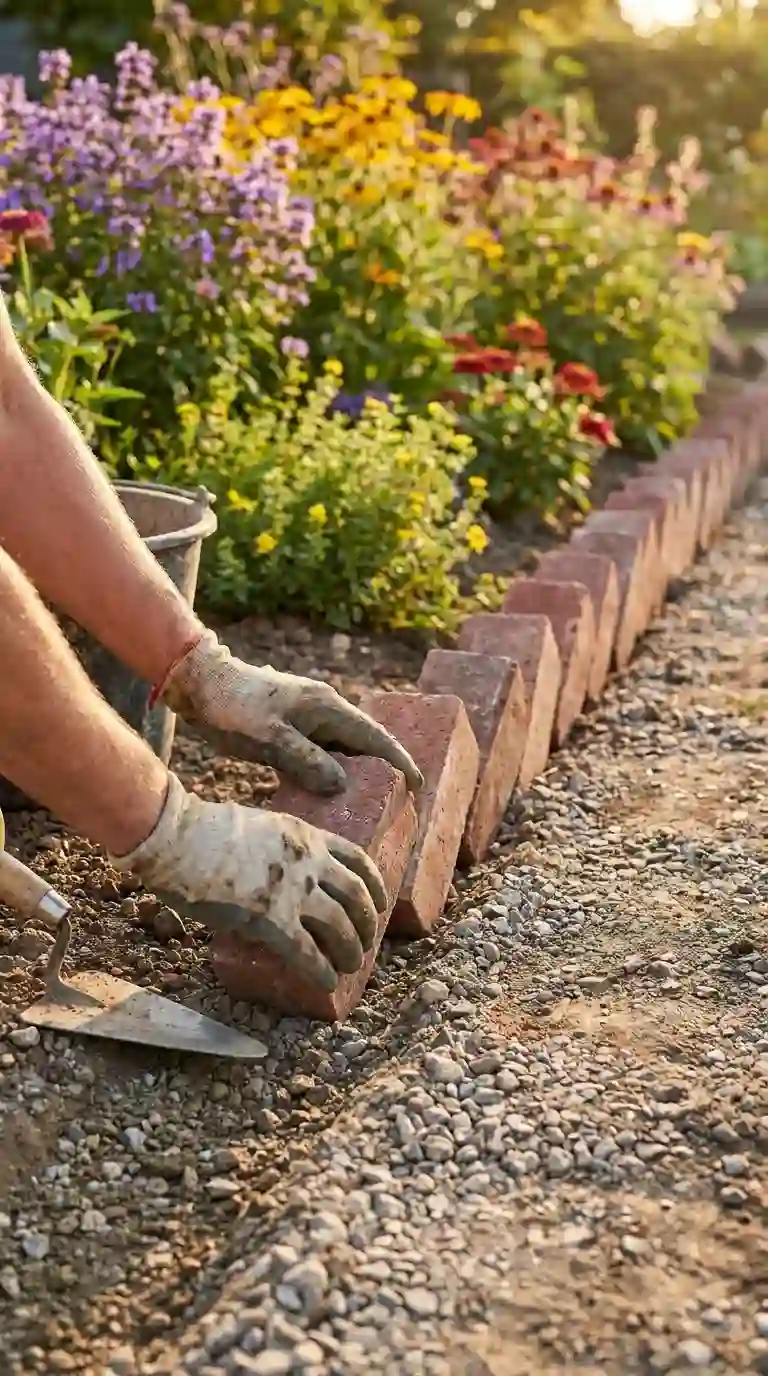
For a more permanent DIY solution, setting pavers or bricks along your garden edge is one of the most rewarding garden curbing ideas you can tackle yourself. The process is straightforward: dig a trench, add a layer of sand or gravel, set your bricks or pavers level and tight together, and backfill. A rubber mallet and a level are your best friends for this project.
One popular variation of this garden curbing idea is setting bricks diagonally at a forty-five-degree angle, creating a sawtooth edge. This Victorian-style edging looks charming in cottage gardens and is very easy to adjust and correct as you go since the bricks are not mortared together.
Garden Curbing Ideas and Color Combinations
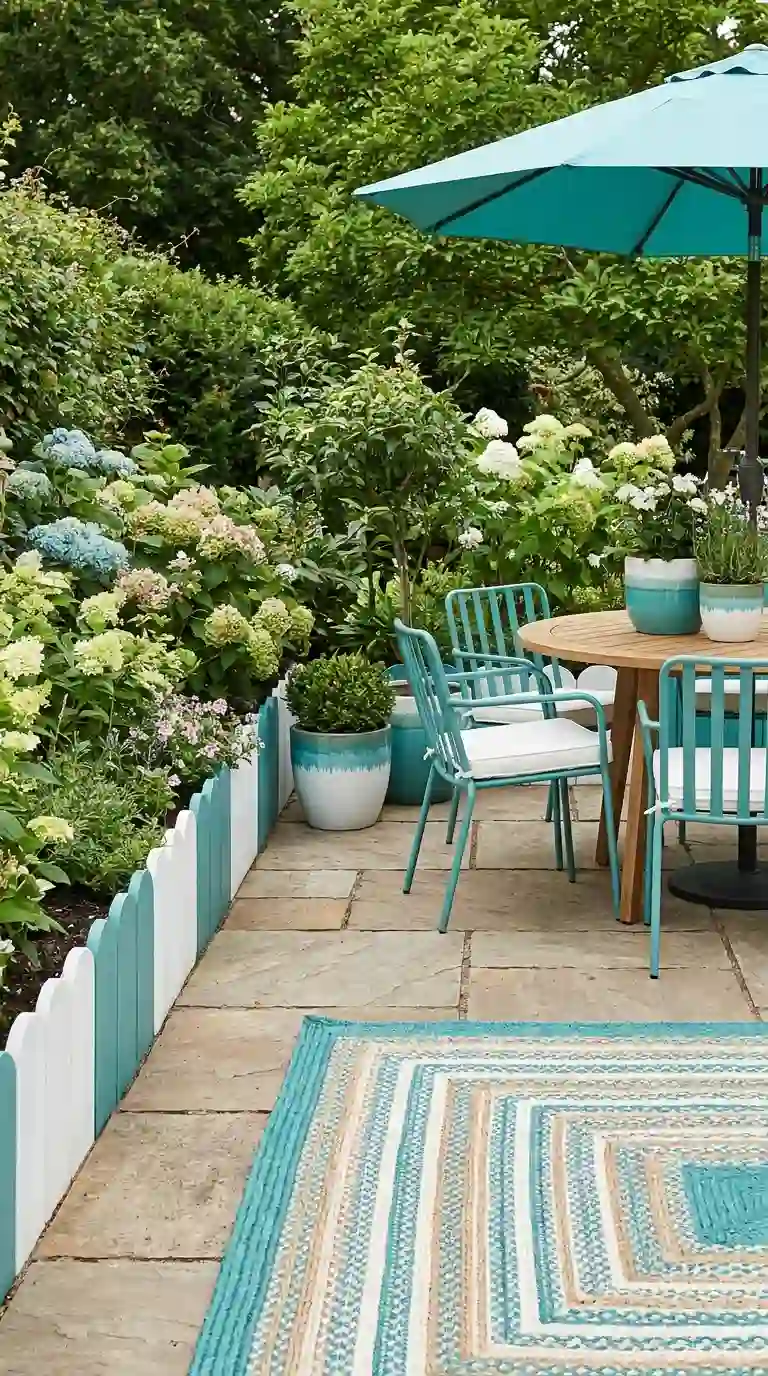
Color is an often overlooked aspect of garden curbing ideas that can make an enormous difference in the final result. The color of your curbing material should feel intentional and cohesive with the rest of your outdoor space. Natural materials like stone, unpainted concrete, and weathered wood have the advantage of being essentially color-neutral, meaning they work with almost any plant palette.
For painted or stained garden curbing ideas, the sky is the limit. I have seen painted log edging in deep navy blue that looked absolutely stunning against white gravel and silver artemisia. Terracotta-painted tile edging in a Mediterranean garden. Even charcoal-stained concrete curbing that created a dramatic modern look against golden ornamental grasses.
When choosing colors for garden curbing ideas, think about the whole picture. Your house color, your patio furniture, your plant choices, and your hardscaping should all tell a coherent story. If you have teal accents anywhere in your outdoor living space, consider whether a similar hue could work as a painted wooden edging detail. Bold color choices in garden edging are a design move that few homeowners make but that can be absolutely spectacular when executed well.
How to Choose the Right Garden Curbing Ideas for Your Yard
Consider Your Climate
Climate is one of the most practical factors when evaluating garden curbing ideas. In areas with hard winters and significant freeze-thaw cycles, mortar-set brick can crack, concrete can heave, and wood can rot quickly. In these climates, poured continuous concrete garden curbing ideas often outperform individual-unit materials because there are no joints to shift. Metal edging is another good cold-climate choice.
In hot, dry climates, some plastics become brittle and crack under UV exposure. Wood without proper treatment will dry out and split. Natural stone and concrete are generally your most reliable garden curbing ideas in hot climates because they handle heat and sun without degrading.
Consider Your Budget
Garden curbing ideas span an enormous range of price points. At the low end, simple plastic edging or DIY trench cutting costs almost nothing. At the high end, custom poured concrete or natural stone curbing installed professionally can cost thousands of dollars for a large yard. Most homeowners find their sweet spot somewhere in the middle with brick, metal edging, or standard poured concrete.
When budgeting for garden curbing ideas, remember to factor in not just installation cost but long-term maintenance cost too. Cheap plastic edging that needs replacing every three to five years might actually cost more over a decade than a more expensive material that lasts twenty years with no maintenance.
Consider Your Garden Style
The most beautiful garden curbing ideas are ones that feel consistent with the overall style of the garden and home. A formal English garden calls for brick or clipped hedge borders. A cottage garden suits tumbled stone or rustic timber. A modern minimalist garden demands the clean, invisible line of steel or aluminum. A Japanese-inspired garden looks magnificent with natural river stone curbing.
Take the time to look at your home, your existing plants, and your hardscaping before committing to any garden curbing idea. Walk around and take photos from different angles. Look at inspiration images online, pull what resonates, and notice whether there is a consistent style emerging. Your curbing choice should feel inevitable, not like an afterthought.
Installation Tips That Make Garden Curbing Ideas Look Professional
Even the best materials can look amateurish if installed carelessly. Here are the tips that genuinely separate professional-looking garden curbing ideas from messy DIY attempts.
First, always prepare your edge before installing any garden curbing material. This means removing existing grass and weeds, digging a clean trench at a consistent depth, and tying string lines or using a hose to define your exact line before a single piece of curbing goes in.
Second, work in sections and check your line constantly. It is very easy to drift off your intended curve or straight line when you get absorbed in the installation work. Step back every few feet and look at the big picture to make sure everything is tracking as intended.
Third, finish properly. After your garden curbing is installed, clean it up immediately. Remove soil from the face of the material, add mulch to the garden side, trim the lawn edge cleanly, and rake everything smooth. The finishing details are what take a garden curbing project from good to great.
Also Read: Fairy Garden Ideas: 50 Magical Garden Designs for Your Home
Maintaining Your Garden Curbing for Long-Term Results
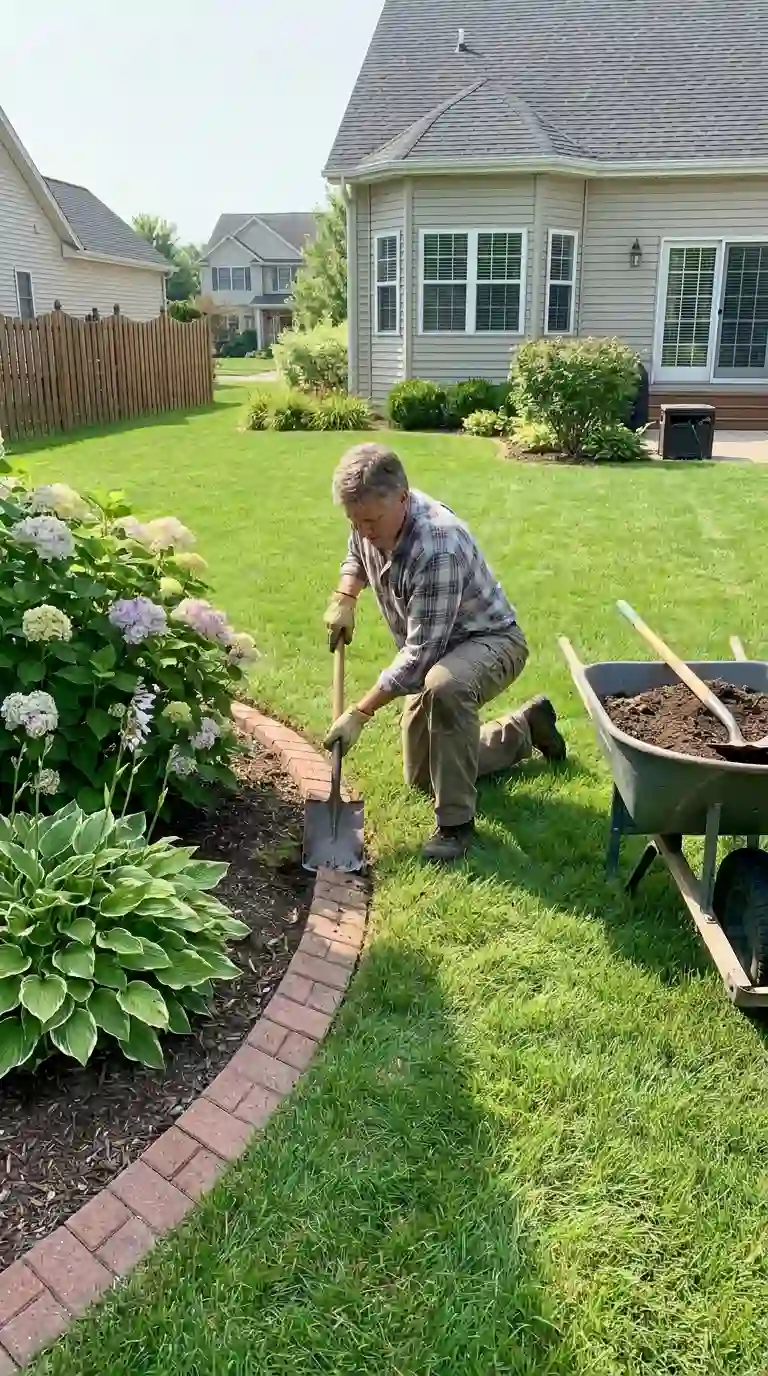
Even the most durable garden curbing ideas require some level of maintenance to keep looking their best. Understanding what maintenance your chosen material needs before you install it helps you make a realistic choice for your lifestyle and schedule.
Concrete curbing needs very little maintenance beyond occasional cleaning and monitoring for cracks. If you see a crack forming, address it early with a concrete patching compound before it grows. Brick curbing may need occasional resetting of shifted pieces and weeding between gaps. Natural stone similarly needs periodic releveling. Metal edging may need the occasional stake pushed back in if it has heaved.
All garden curbing ideas benefit from keeping the surrounding area clean. Regularly remove debris from the edge, keep mulch at the right level, and re-cut any lawn edge that has grown over the top of the curbing. This takes maybe thirty minutes a month during the growing season and makes a significant difference in how maintained and intentional your garden looks year-round.
How Much Do Garden Curbing Ideas Actually Cost
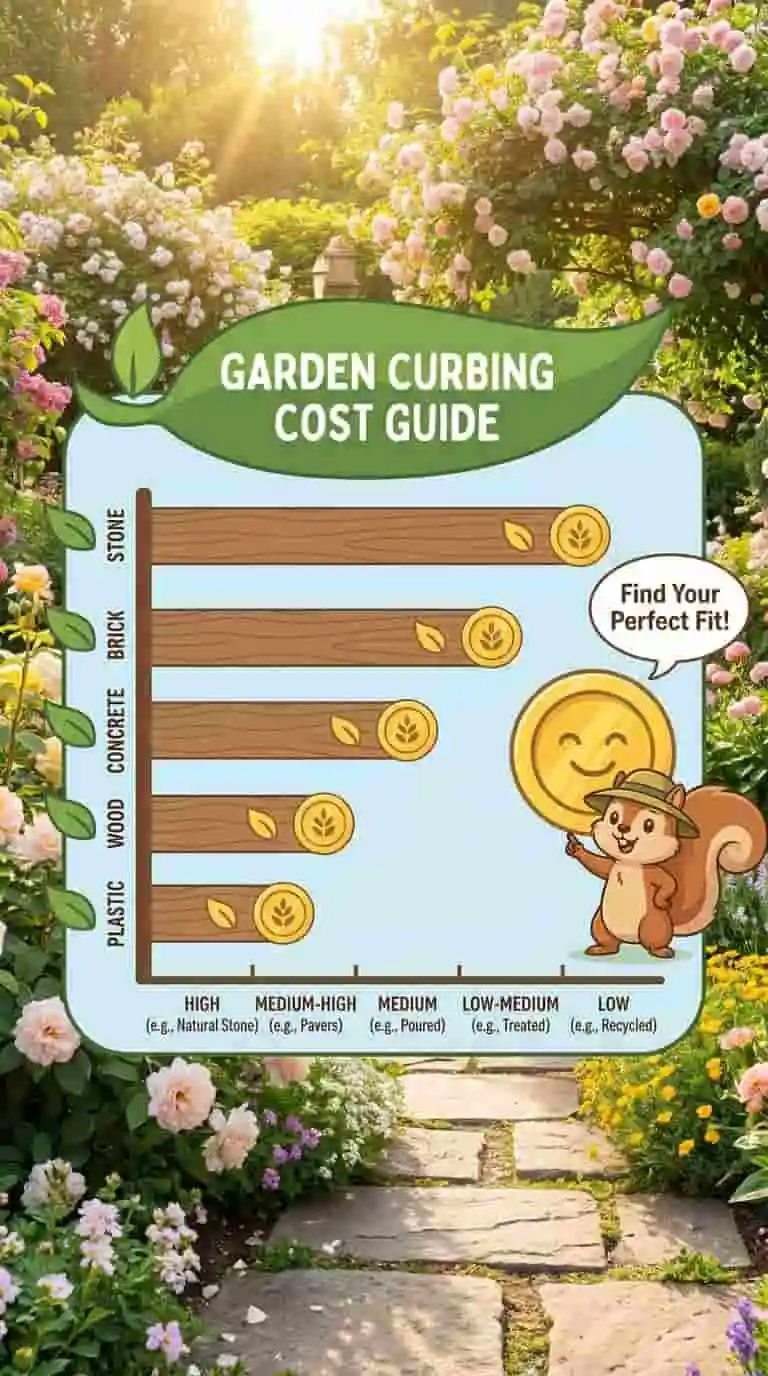
One question I get asked constantly is how much different garden curbing ideas actually cost in the real world. Here is a honest breakdown based on what most homeowners report spending.
Plastic and rubber edging typically costs between one and three dollars per linear foot including materials. You can easily install this yourself in an afternoon. Aluminum or steel edging runs two to six dollars per linear foot. Brick edging costs three to eight dollars per linear foot depending on brick type and whether you hire installation.
Natural stone curbing varies enormously, anywhere from four to twenty dollars per linear foot or more depending on stone type and your location. Poured concrete curbing professionally installed costs eight to fifteen dollars per linear foot and represents the premium end of the market. Landscape timber edging sits in the mid-range at three to seven dollars per linear foot.
When you are pricing out garden curbing ideas for your specific project, always get at least three quotes from local contractors and compare them carefully. Prices vary significantly by region, and local material availability can affect cost substantially.
Final Thoughts
There really is no single best answer when it comes to garden curbing ideas. The right choice depends on your climate, your budget, your garden style, your maintenance tolerance, and honestly, your personal taste. What I hope this article has shown you is that there are genuinely excellent options at every price point and skill level.
The most important thing I can tell you from experience is simply to commit. A half-hearted curbing job with a premium material looks worse than a careful, thoughtful installation with a modest material. Whatever garden curbing idea you choose, take the time to plan it properly, install it carefully, and finish it with attention to detail.
Your garden is an extension of your home and your personality. The edges you create for it define its character as much as the plants you grow. Good garden curbing ideas do not just make your yard tidier. They make it feel cared for, intentional, and beautiful. And that feeling, morning after morning as you look out at a yard that looks like someone really loves it, is absolutely worth the effort.
Frequently Asked Questions
1. What is the most durable type of garden curbing?
Poured concrete is generally considered the most durable of all garden curbing ideas. When properly installed, concrete curbing can last twenty to thirty years or more with minimal maintenance. Natural stone is also extremely long-lasting. Metal edging made from thick steel or aluminum ranks highly for durability as well.
2. Can I install garden curbing myself?
Many garden curbing ideas are very DIY-friendly. Brick, paver, metal, rubber, and plastic edging can all be installed by a motivated homeowner with basic tools over a weekend. Poured concrete curbing typically requires professional installation because it uses specialized equipment.
3. How deep should garden curbing be installed?
For most lawn-to-garden applications, garden curbing should be buried at least four to six inches deep. This depth is necessary to prevent grass rhizomes from growing under the curbing and invading your garden bed. For materials installed in a trench, ensure your trench is consistent in depth throughout.
4. What is the cheapest garden curbing idea?
Cutting a clean trench edge with a flat spade costs nothing if you already own the tool. Rubber or plastic edging is the cheapest material-based option, often available for as little as one dollar per linear foot. Simple wooden stake edging using untreated timber is another very affordable garden curbing idea.
5. How long does garden curbing last?
Lifespan varies significantly by material. Plastic edging may last three to seven years before becoming brittle. Metal edging typically lasts ten to twenty years. Brick and natural stone can last a lifetime if properly set. Poured concrete curbing generally lasts fifteen to thirty or more years.
6. Does garden curbing add value to a home?
Yes, well-executed garden curbing ideas do add to home value, primarily through improved curb appeal. Real estate professionals consistently note that clean, defined landscaping is one of the most cost-effective home improvements a seller can make. Garden curbing is part of that equation.
7. What type of garden curbing works best for curves?
Flexible materials like metal, rubber, and plastic edging handle curves most easily. Poured concrete curbing machines are specifically designed to follow curves smoothly. Brick and stone can follow curves but require more careful planning and smaller individual units.
8. Can garden curbing stop grass from growing into flower beds?
Yes, this is one of the primary functional purposes of garden curbing. For maximum effectiveness against grass, your curbing needs to extend at least four to six inches below grade to block underground rhizomes. Even then, periodic maintenance and vigilance are needed.
9. What is the best garden curbing for a slope?
For sloped areas, raised garden curbing ideas work best. Stacked stone, timber sleepers, and concrete blocks can be stepped or terraced to follow a slope while holding soil in place. Flat edging materials are generally less suitable for significant slopes.
10. How do I keep weeds from growing between garden curbing?
For mortared materials like brick set in mortar, weeds are rarely a problem once the mortar cures. For dry-set materials, applying polymeric sand between gaps helps prevent weed growth. A layer of landscape fabric under your mulch combined with good curbing dramatically reduces weeds overall.
11. Can garden curbing be painted or stained?
Yes. Concrete garden curbing can be painted or stained in a huge range of colors. Timber curbing takes stain and paint very well. Brick can be painted though it requires a masonry primer first and ongoing maintenance as paint chips. Metal can be painted with appropriate metal paint.
12. What is continuous concrete curbing?
Continuous concrete curbing, also called extruded concrete curbing, is created using a specialized machine that extrudes a continuous bead of concrete along your garden edge. Unlike individual concrete blocks, it has no joints and creates a seamless, professional-looking border. This is one of the most popular professional garden curbing ideas.