
I still remember the first time I stood on my cousin’s apartment balcony in the hills above the city. The view was incredible, but what really caught my eye was the railing. It was a combination of frosted glass panels and thin black steel frames, and somehow it made the whole balcony feel like a room you actually wanted to spend time in. That moment planted a seed in my brain that I have been nurturing ever since. Balcony railing design is one of those things most people overlook when they are planning or renovating an outdoor space, but the truth is it can completely define how a balcony looks and feels.
Whether you live in a high-rise apartment, a townhouse, or a standalone home, your balcony railing is one of the most visible architectural elements from both inside and outside. It frames your view, sets the safety standard, and adds personality to your home. A well-chosen balcony railing design can make a modest balcony look expensive and thoughtfully curated. A poorly chosen one can drag down even the most stunning outdoor space.
In this article, I have gathered 50 genuinely useful and visually inspiring balcony railing design ideas, ranging from budget-friendly to high-end, traditional to ultra-modern. Whether you are building from scratch or upgrading an existing railing, there is something here that will make you see your balcony in a whole new light. Let us get into it.
Related post: 31 Stunning Small Balcony Decor Ideas That Turn Tiny Spaces Into Beautiful Retreats
Why Balcony Railing Design Matters More Than You Think
Most homeowners spend hours choosing the right flooring for their balcony or picking out the perfect outdoor furniture, but give almost no thought to the railing. That is a mistake, and I say this from experience. The balcony railing design is literally the border of your outdoor space. It defines boundaries, provides safety, and sets the entire visual tone of the balcony.
From a practical standpoint, building codes in most countries require railings on elevated balconies to be at least 36 to 42 inches high. But just meeting the code minimum does not mean you have to settle for something ugly or generic. The best balcony railing designs are ones that marry function with form in a way that looks intentional and beautiful.
From an investment perspective, a high-quality balcony railing design can add real curb appeal and resale value to your home. Buyers notice these details. Real estate agents often mention outdoor spaces as a strong selling point, and a gorgeous railing can make a balcony feel like a legitimate extension of the living space rather than an afterthought.
Classic Wrought Iron Balcony Railing Design
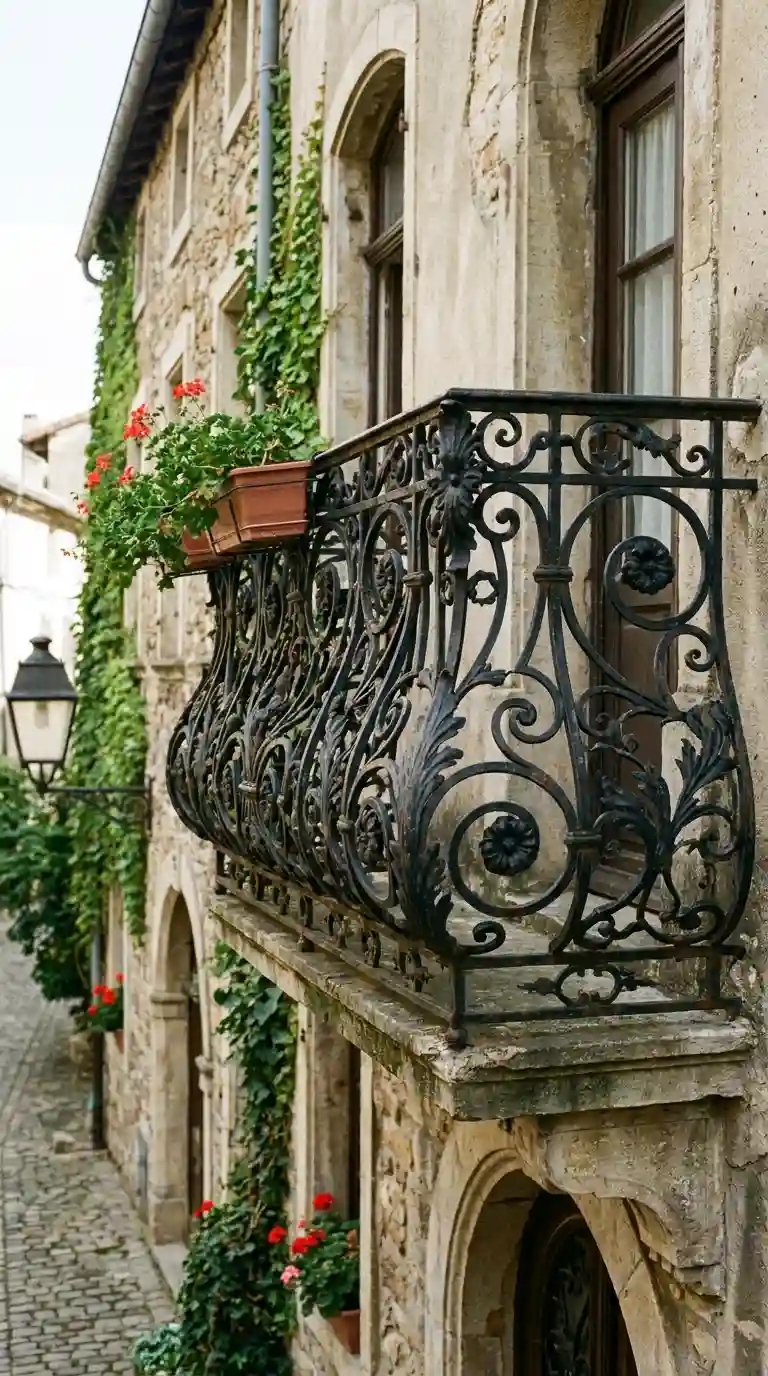
There is a reason wrought iron has been used in balcony railing design for centuries. It is durable, endlessly customizable, and carries a timeless elegance that suits everything from historic brownstones to modern farmhouse-style homes. Wrought iron railings can be forged into incredibly detailed patterns, from simple vertical balusters to elaborate scrollwork and floral motifs.
One thing I love about wrought iron balcony railing design is the contrast it can create. A dark iron railing against a white or light-colored building facade creates an instant visual impact. You see this a lot in European architecture, particularly in cities like Paris and Barcelona, where wrought iron balconies are almost a cultural signature.
The main downside of wrought iron is maintenance. It requires periodic painting or sealing to prevent rust, especially in humid climates. But if you are willing to put in that care, wrought iron is one of the most beautiful and lasting options for balcony railing design. Modern powder coating can extend the lifespan significantly and comes in a wide range of colors beyond the traditional black.
Glass Panel Balcony Railing Design for Unobstructed Views
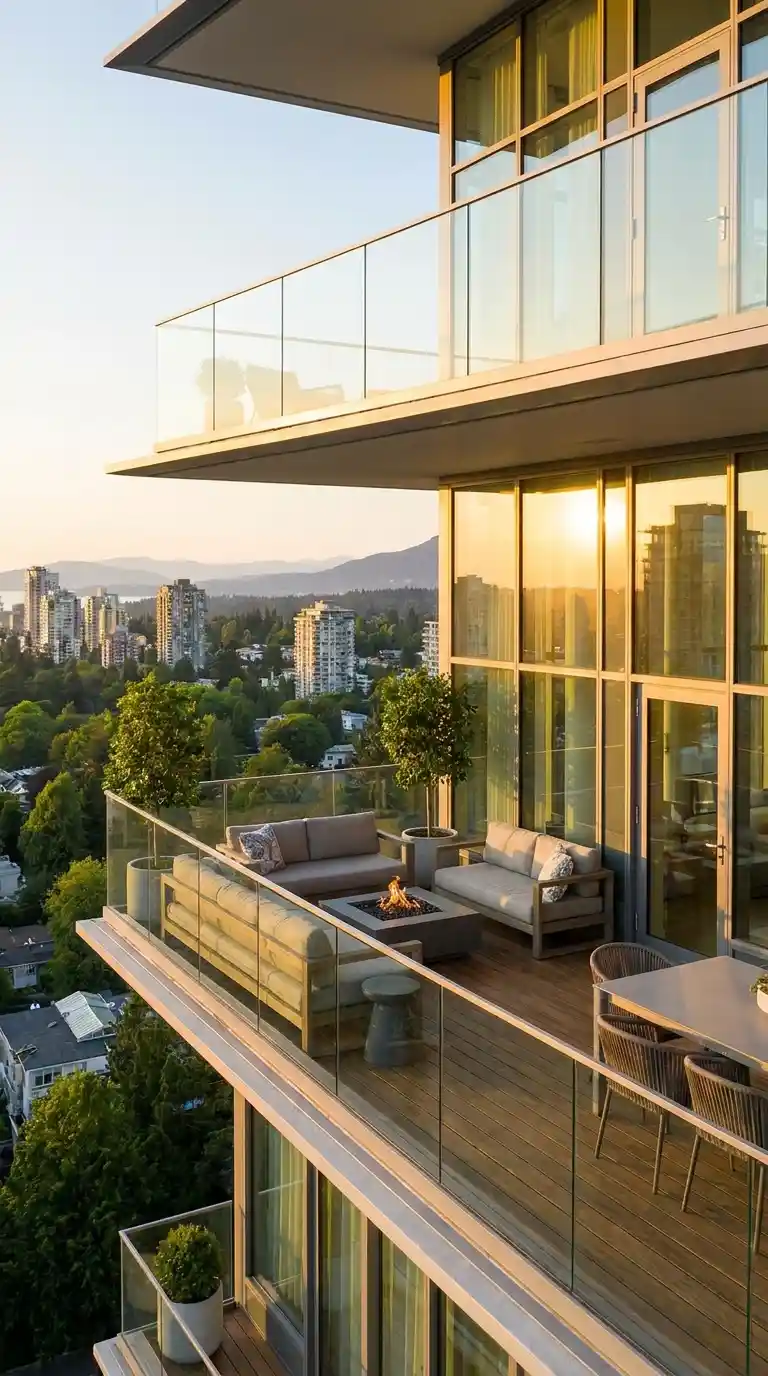
If you have a view worth preserving, glass panel balcony railing design is the answer. This style has exploded in popularity over the last decade, and it is easy to see why. Glass panels let you enjoy the full panorama from your balcony without any visual interruption. Whether you overlook the ocean, a mountain range, or just a beautifully landscaped backyard, glass railings make that view the centerpiece.
There are a few different ways to approach glass balcony railing design. Frameless glass systems use thick tempered glass panels anchored directly into the floor with minimal or no top rail, creating a truly invisible barrier. Semi-frameless systems use posts at regular intervals with glass panels between them, offering a bit more structural support and a more defined look. Framed systems have aluminum or steel frames around each glass panel for a more traditional grid appearance.
Tempered glass is the industry standard for balcony railing design, as it is far stronger than regular glass and shatters into small, relatively harmless pieces if it breaks. Many homeowners also opt for laminated safety glass, which holds together even when cracked. Frosted or tinted glass panels are also popular options that add privacy while still allowing light to pass through.
Also Read : French Balcony: Complete Guide to Designs, Cost, Safety, Railing, Installation & Decorating Ideas
Cable Railing Balcony Design for a Modern Industrial Look
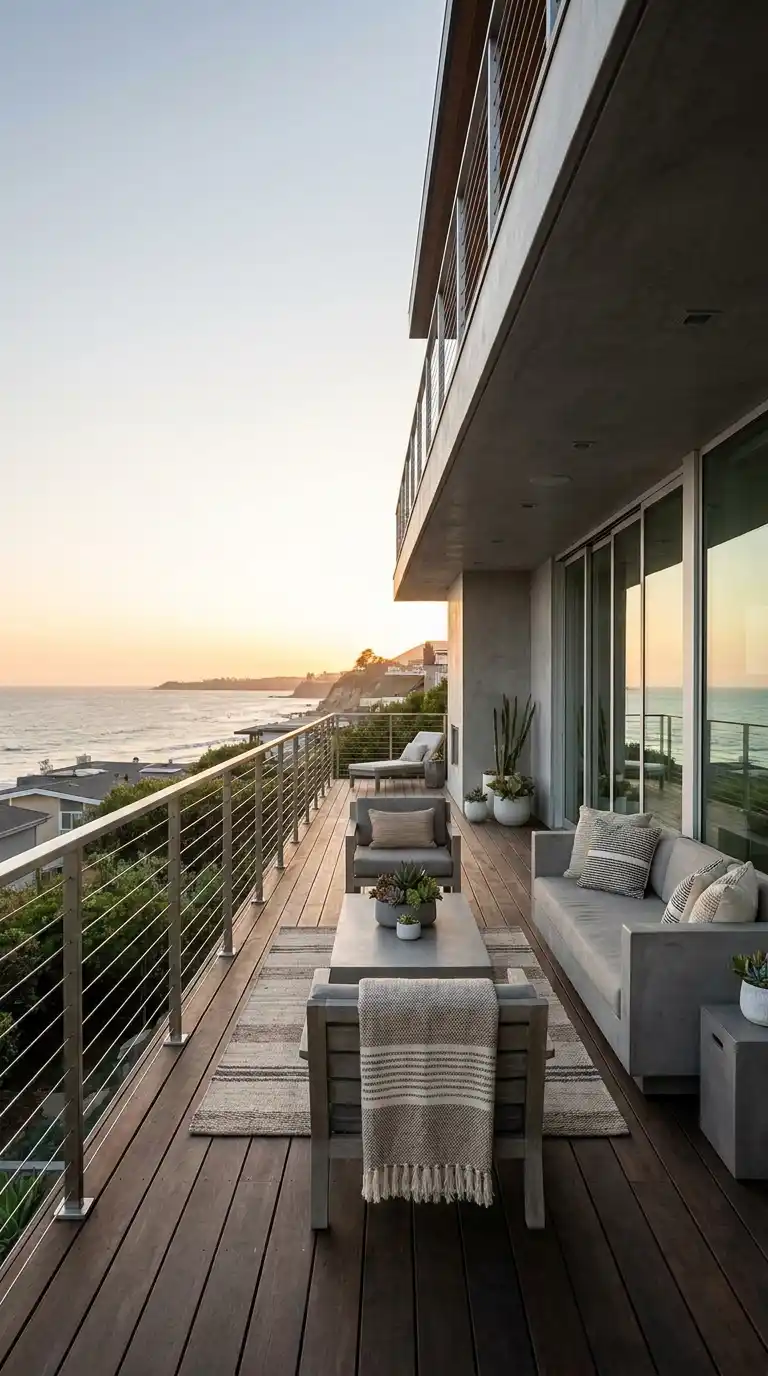
Cable railings have become one of the most sought-after options in contemporary balcony railing design, and once you see them in person, it is obvious why. The look is clean, minimal, and architectural in a way that nothing else quite matches. Horizontal or angled stainless steel cables are tensioned between vertical posts, creating an almost transparent barrier that preserves sightlines while still providing real safety.
This balcony railing design style works particularly well in modern and contemporary homes, especially those with clean lines, flat roofs, or an industrial-inspired aesthetic. Cable railings pair beautifully with weathered wood decking, concrete floors, or large-format porcelain tiles. The material contrast between the warm floor and the cool steel cables creates a sophisticated tension that designers love.
From a maintenance standpoint, stainless steel cable railings are excellent performers. They resist rust, require minimal upkeep, and age gracefully. The posts themselves are usually made from stainless steel or powder-coated aluminum. One thing to consider is that horizontal cables can sometimes be climbed by children, so some codes require them to be angled enough to discourage climbing. Always check local regulations when choosing your balcony railing design.
Wooden Balcony Railing Design for Warmth and Natural Character
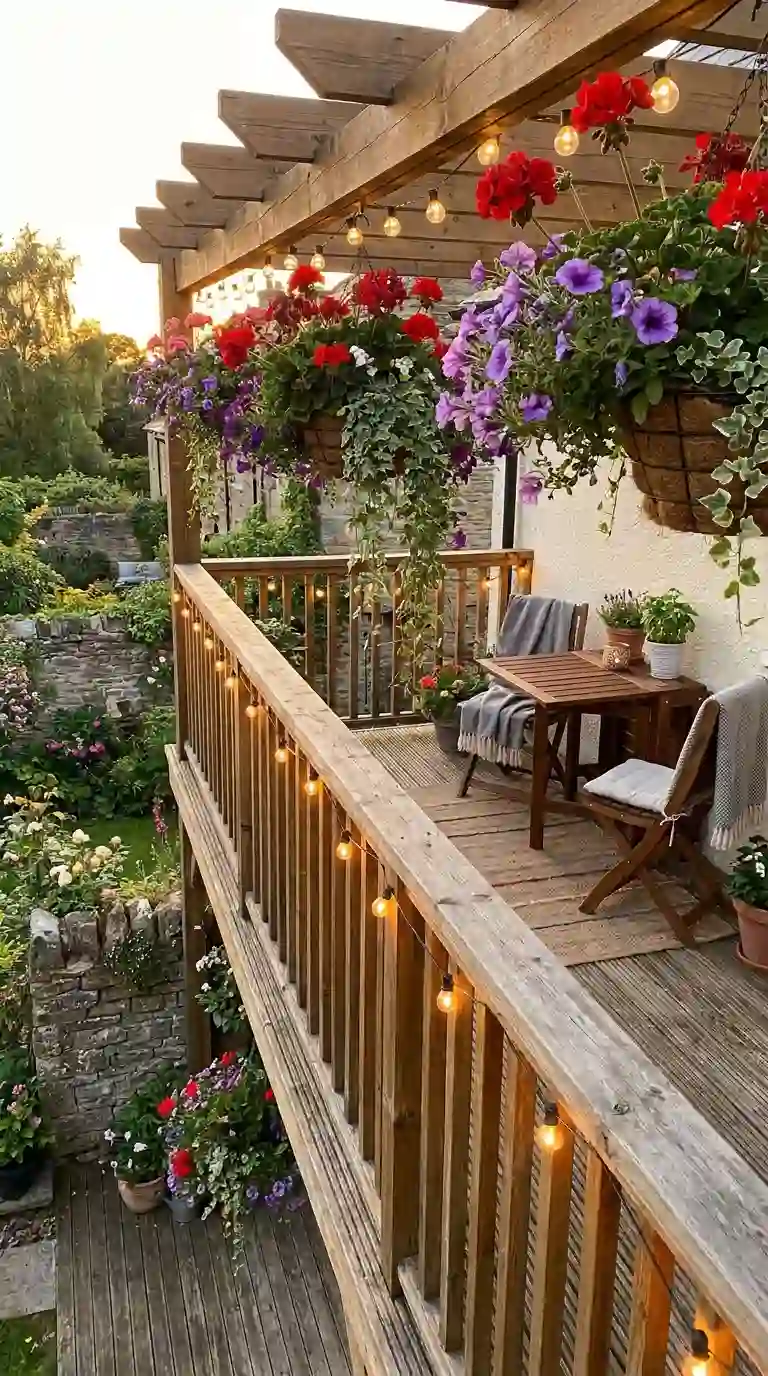
If there is one material that never goes out of style in balcony railing design, it is wood. Wood brings warmth, texture, and an organic quality that manufactured materials simply cannot replicate. Whether you choose a classic redwood, a tropical hardwood like teak or ipe, a rustic cedar, or even a painted pine, wooden railings feel inherently welcoming and personal.
There are many different styles within wooden balcony railing design. Traditional turned balusters create a cottage or craftsman-style look that suits older homes beautifully. Flat-board horizontal railings create a more modern, fence-like aesthetic that works well in contemporary settings. Mixed designs that combine a wood top rail with metal balusters are also very popular because they give you the warmth of wood in the most visible place while reducing maintenance on the vertical elements.
The key challenge with wood balcony railing design is maintenance. Wood needs to be sealed, stained, or painted regularly to protect it from moisture, UV rays, and pests. Composite wood alternatives offer a compelling middle ground because they look like real wood but require far less upkeep. Whatever you choose, wood railings reward you with a depth of character and natural beauty that genuinely improves with age when properly cared for.
Also Read : 38 Genius Apartment Balcony Ideas That Transform Even the Smallest Space Into a Dream Retreat
Aluminum Balcony Railing Design for Low Maintenance Appeal
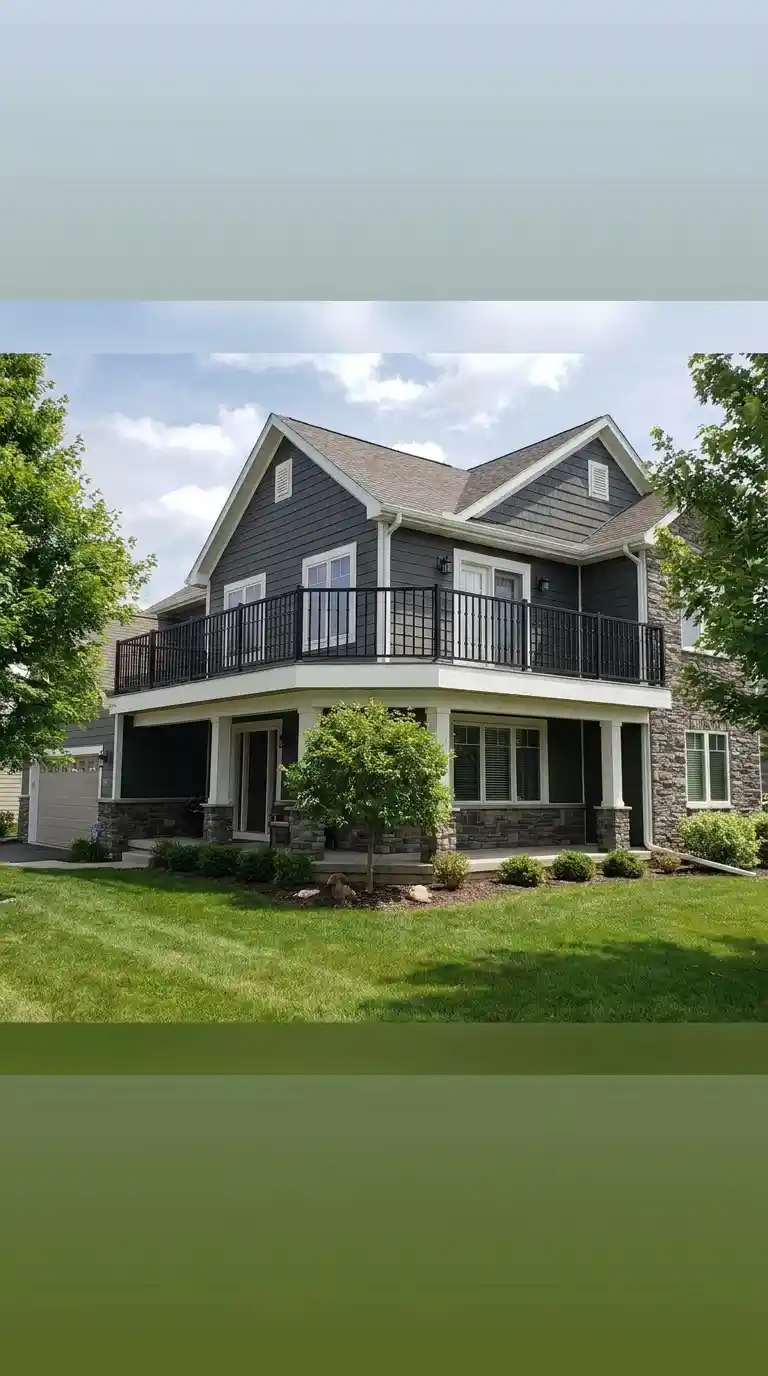
If you want a balcony railing design that looks great, lasts for decades, and asks almost nothing of you in return, aluminum is your best friend. Aluminum railings are lightweight, rust-proof, and available in an enormous range of styles, finishes, and colors. They can mimic the look of wrought iron, wood, or even cable systems while being significantly easier to install and maintain.
Modern powder-coated aluminum balcony railing design options come in virtually any color you can imagine, from classic black and white to bronze, bronze, slate grey, and even custom colors. The powder coating process bonds the color to the metal at a molecular level, creating a finish that is resistant to chipping, fading, and corrosion for many years.
Aluminum railings are also one of the most budget-friendly options in balcony railing design when you factor in lifetime cost. The initial investment is moderate, but because they require almost no maintenance, the long-term cost of ownership is very low. Many aluminum railing systems are also designed for DIY installation, which can save significant money on labor costs if you are comfortable with basic tools.
Horizontal Bar Balcony Railing Design for a Contemporary Look
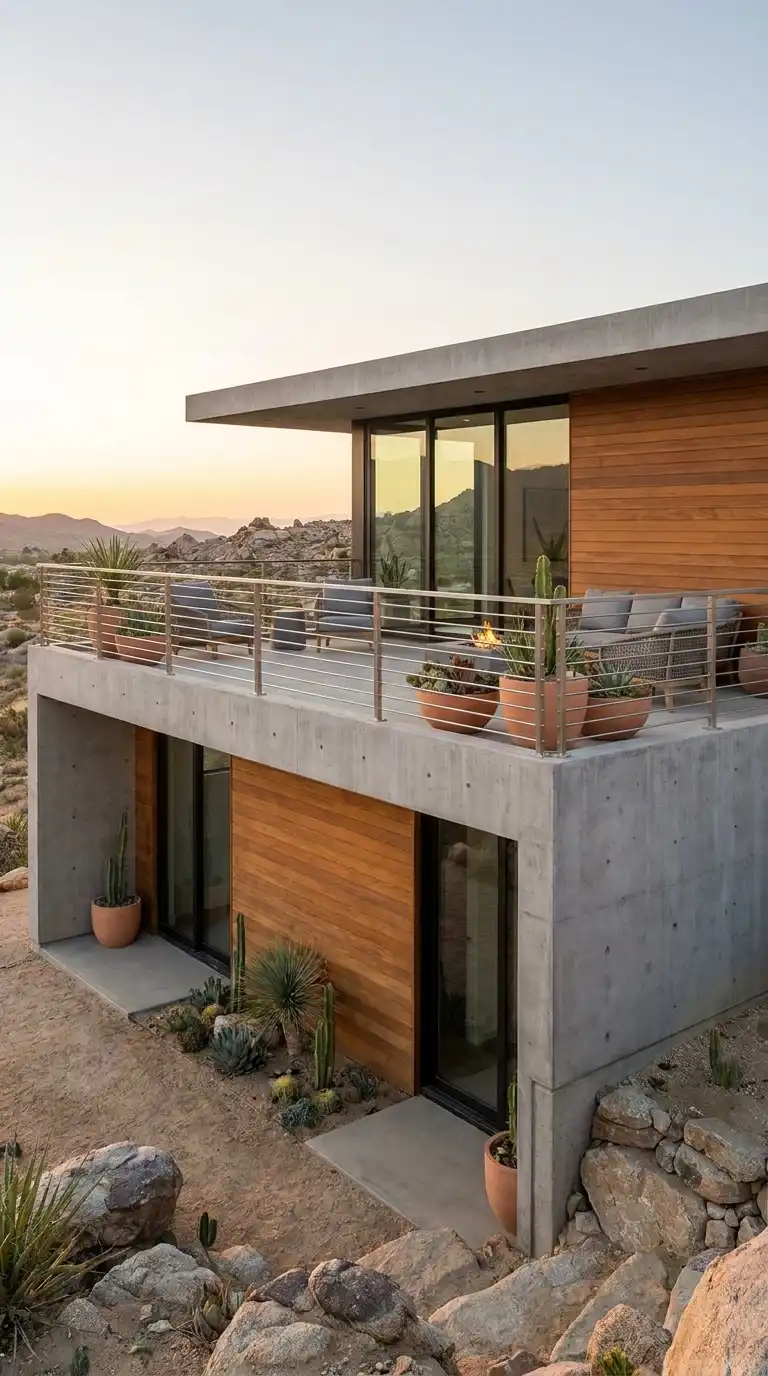
One of the biggest trends in modern balcony railing design is the horizontal bar style. Instead of vertical balusters running from top rail to bottom rail, horizontal bars run parallel to the ground at regular intervals. This seemingly simple change in orientation has a dramatic effect on the overall aesthetic, creating a look that feels distinctly contemporary and architectural.
Horizontal bar balcony railing designs work exceptionally well on homes with a modern or midcentury modern design sensibility. The parallel lines echo the horizontal emphasis that is common in these architectural styles, creating a sense of visual harmony between the railing and the broader structure of the home. Metal is the most common material for this style, with steel, aluminum, and stainless steel all being popular choices.
One thing to be aware of with horizontal bar balcony railing design is the climbing hazard for young children. Building codes in many jurisdictions specifically address this issue and may require that the spacing between horizontal bars does not allow for easy foot placement. Some homeowners address this by combining horizontal bars with a glass infill panel to create a hybrid design that is both safe and stylish.
Mixed Material Balcony Railing Design Ideas
Wood and Metal Combinations
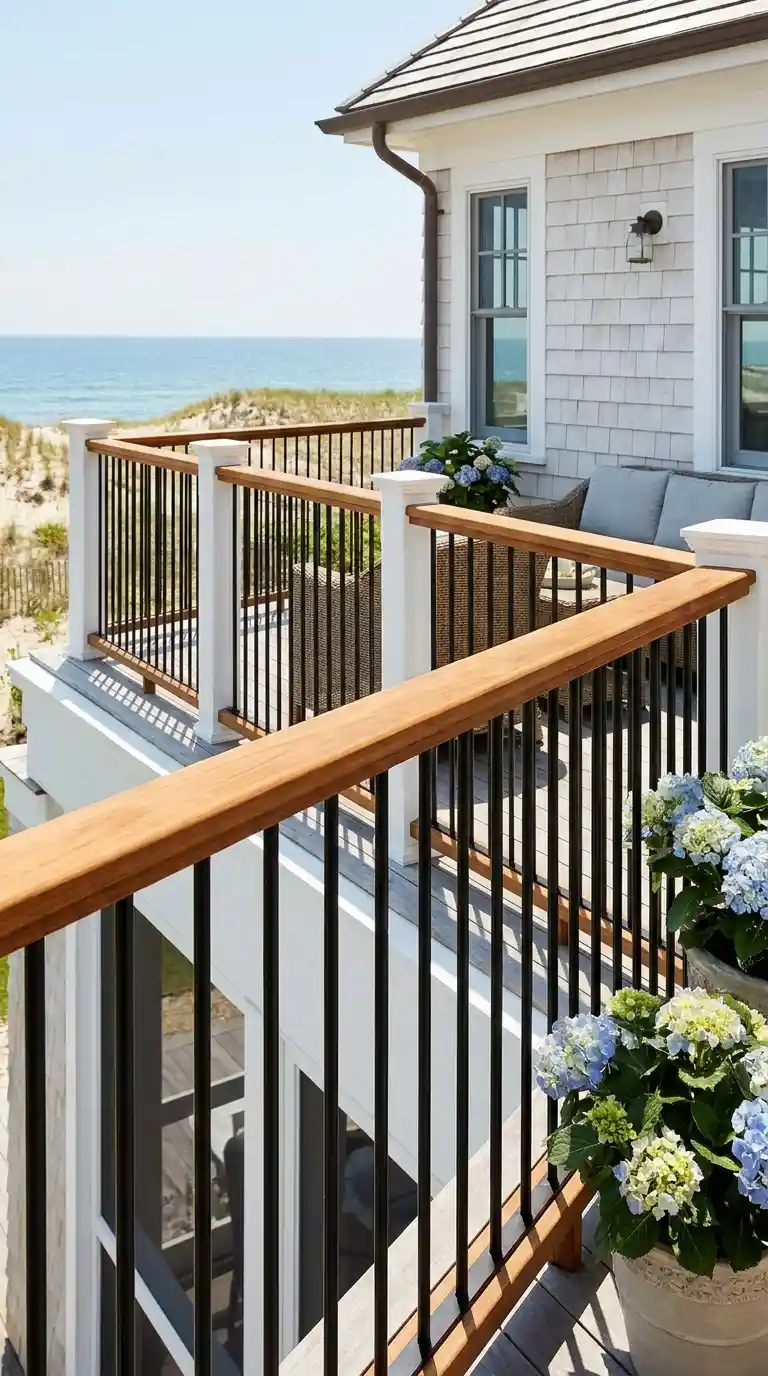
Some of the most visually interesting balcony railing designs combine two or more materials to create something that is more dynamic than any single material could achieve alone. Wood and metal combinations are particularly popular. A common approach is to use a thick wooden top rail, which provides a warm and inviting handrail surface, combined with slim metal balusters or cable infill below, which reduces the visual weight and keeps the look modern.
This mixed approach in balcony railing design also makes practical sense. The top rail is what you touch and hold most often, so having it be wood feels more comfortable and natural. The infill balusters take most of the weathering stress, and metal handles that far better than wood. You get the best of both worlds in terms of both aesthetics and function.
Glass and Steel Hybrid Balcony Railing
Another incredibly popular mixed-material approach in balcony railing design is the combination of glass panels with steel or aluminum frames and posts. This gives you the transparency and view-preservation of glass along with the structural confidence and visual definition of metal framing. The result is a railing that feels both open and purposeful.
This style is particularly common in newer construction and high-end renovations. Architects love it because the steel framing can be engineered to be very slim, which keeps the overall visual weight of the railing low, while the glass provides a solid, code-compliant barrier. From a purely visual standpoint, the interplay of light through the glass panels and the crisp lines of the metal framing is genuinely beautiful at any time of day.
Also Read : Ultimate Balcony Privacy Screen Guide: Transform Your Outdoor Space Into a Private Oasis
Privacy-Focused Balcony Railing Design Options
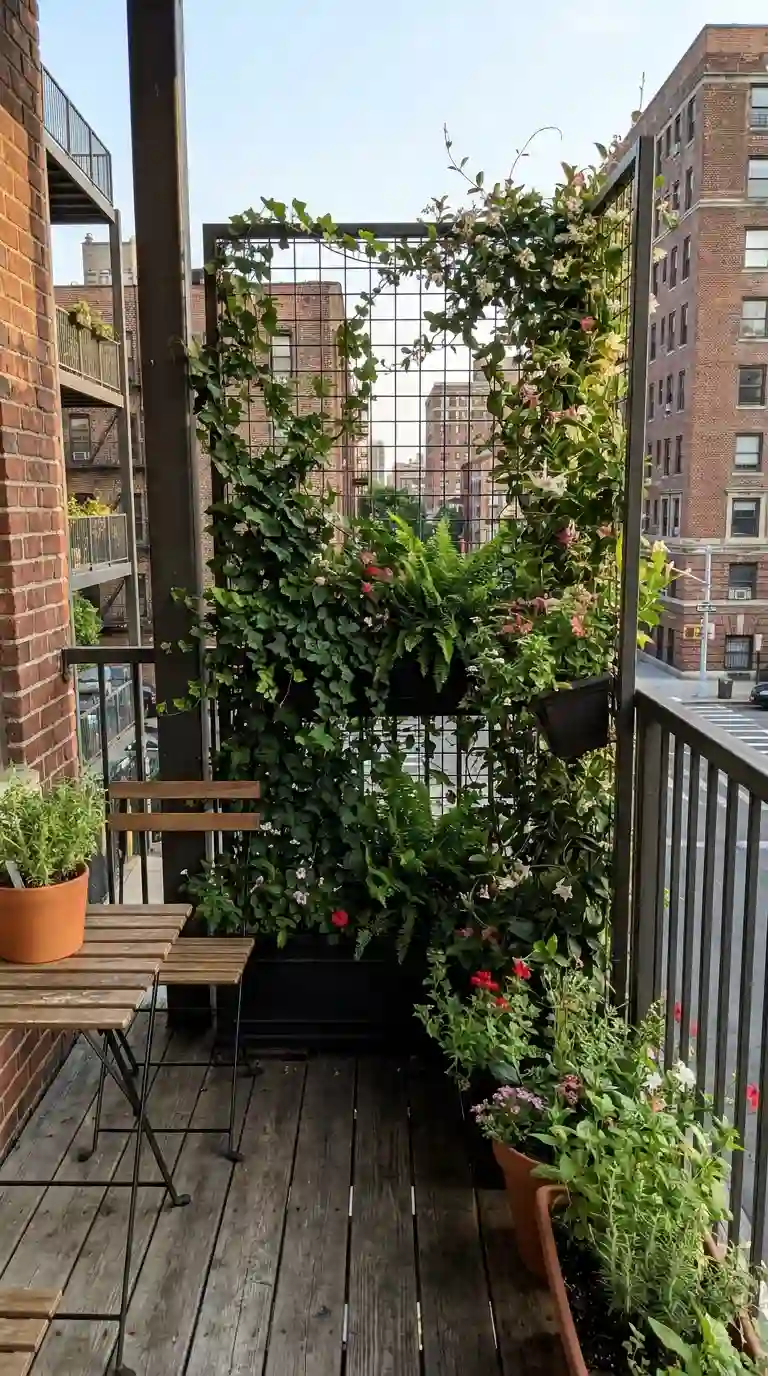
Not every balcony is perched on a hilltop with a gorgeous view. Many apartment and townhouse balconies are quite close to neighboring units or street level, and in those cases, privacy becomes just as important as aesthetics. Fortunately, there are balcony railing design options specifically built around privacy that do not sacrifice style.
Solid panel railings, whether made from composite board, weatherproof PVC panels, or even corrugated metal, create a genuinely private outdoor retreat. These work especially well when the panels are installed in the lower portion of the railing and combined with a more open top section to allow for airflow and some natural light. Frosted glass panels are another excellent option because they blur vision while still letting light in.
Living walls or vertical gardens integrated into balcony railing design are a creative and beautiful way to create privacy naturally. A simple metal railing frame with a wire mesh panel can support climbing plants, creating a green screen that grows more beautiful every season. This approach is popular in urban environments where a little bit of greenery makes a huge psychological difference in how a small outdoor space feels.
Balcony Railing Design Ideas for Small Balconies
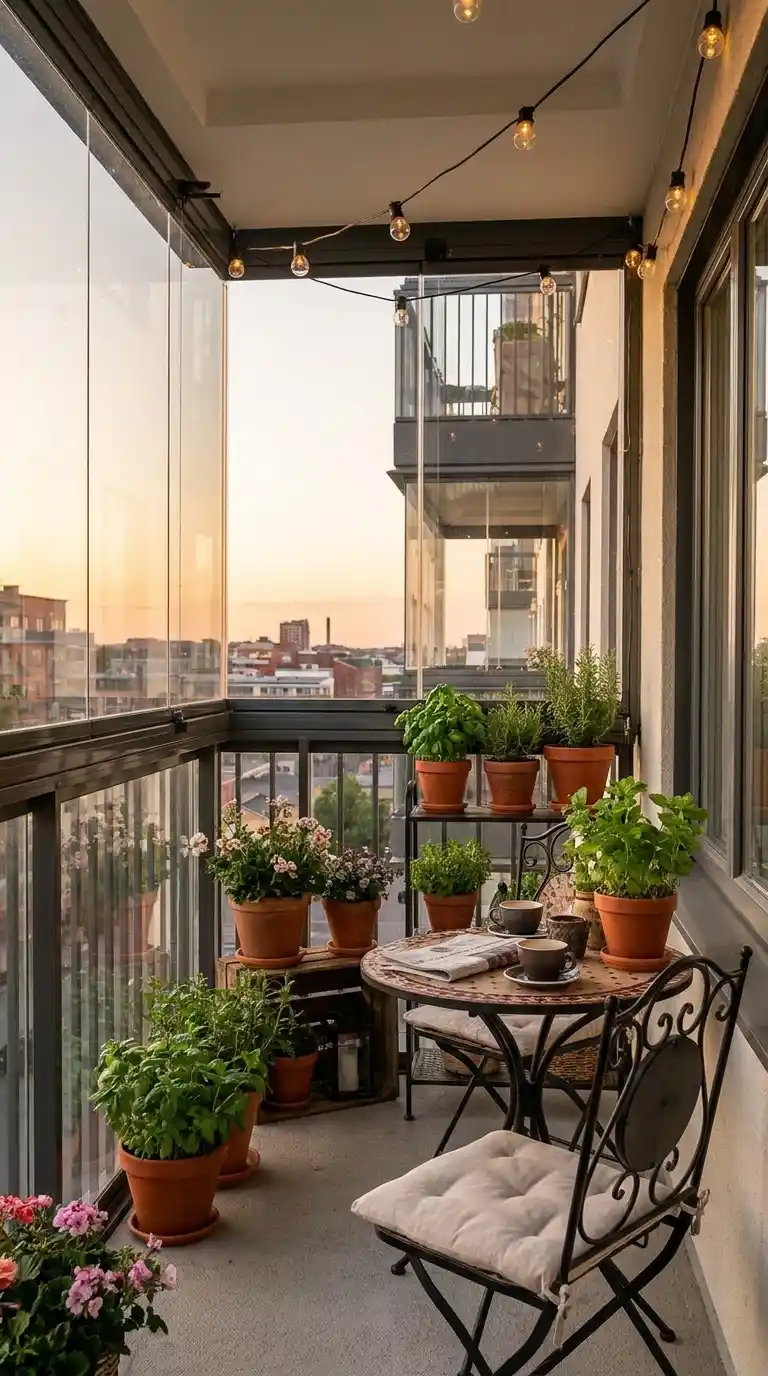
Small balconies present a unique design challenge. The wrong railing choice can make a tiny outdoor space feel even more cramped and boxed in. The right choice, on the other hand, can make a small balcony feel open, airy, and much larger than it actually is. Glass or cable balcony railing designs are typically the best choices for small spaces because their visual transparency prevents the railing from eating into the perceived size of the space.
For small urban balconies, I also love the idea of integrating the railing with other functional elements. A railing with a built-in horizontal shelf, for example, can serve as a planter rail, a place to rest a drink, or even a small work surface. These dual-purpose balcony railing design ideas are especially clever in tiny spaces where every square inch counts.
Color also matters on small balconies. Lighter-colored railings, or those that match the wall color of the building, tend to visually recede and make the space feel larger. Dark railings can look dramatic and beautiful, but they are best reserved for balconies with enough space that they will not feel visually heavy. When in doubt, choose a railing that is lighter or more transparent for a small outdoor space.
Luxury Balcony Railing Design for High-End Homes
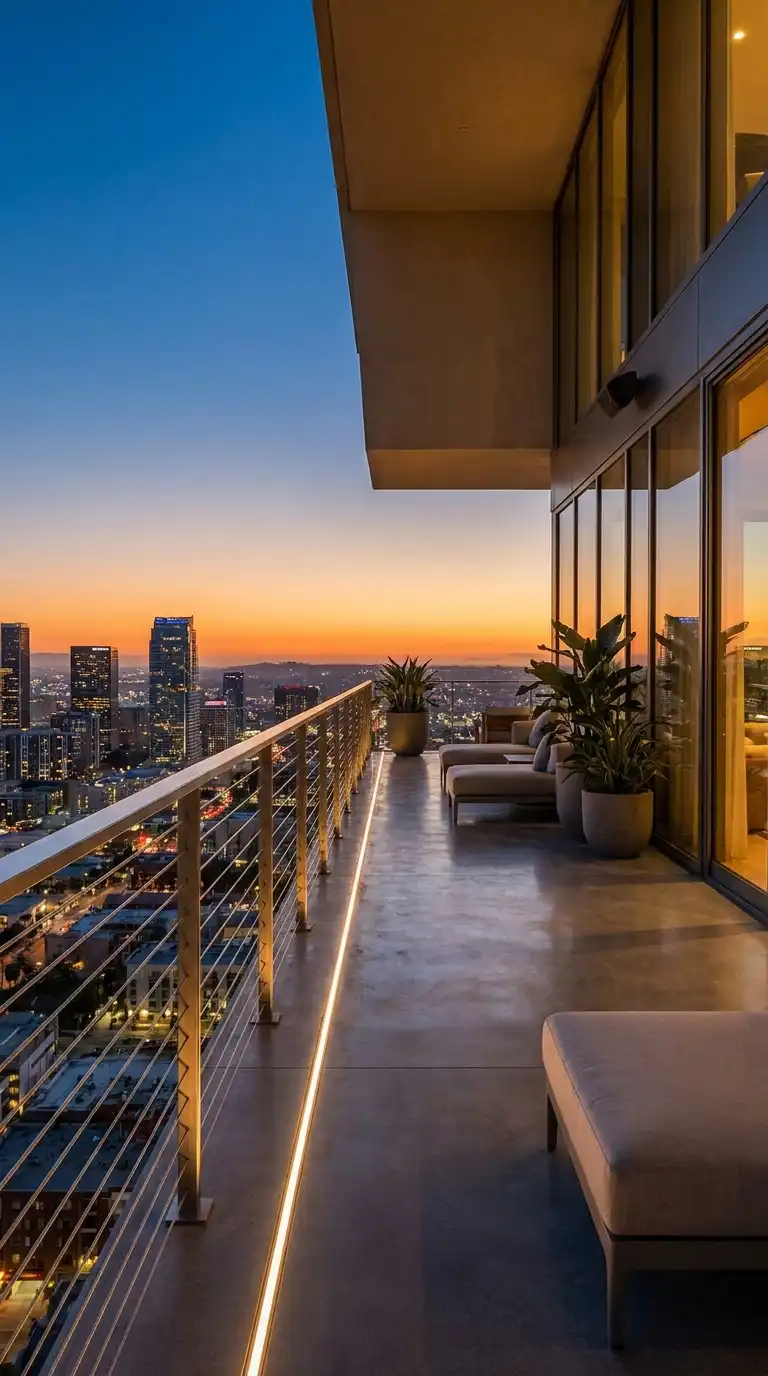
For homes at the higher end of the market, balcony railing design is an opportunity to make a genuine architectural statement. Custom-fabricated railings with hand-forged metal details, bronze hardware, and hand-finished surfaces can elevate a balcony from merely functional to genuinely extraordinary. Luxury balcony railing designs often draw on historical precedents, from Italian Renaissance ironwork to Art Deco geometric patterns.
In contemporary luxury homes, the trend is toward extremely refined, minimal balcony railing designs that feel almost invisible from a distance. Ultra-thin stainless steel cables or ultra-clear structural glass panels that barely seem to exist allow the architecture of the home to take center stage. This restraint is actually much harder to pull off than it looks, because when there is nothing to hide behind, every detail of material quality and installation precision becomes visible.
Custom stone or concrete balcony railing designs are another direction that luxury projects sometimes take. A thick concrete parapet rail can be sculpted, polished, or embedded with aggregate to create a one-of-a-kind railing that is genuinely unlike anything you can buy off the shelf. These designs often require an architect or structural engineer to specify correctly, but the results can be breathtaking.
Also Read : 35+ Brilliant Balcony Furniture Ideas That Actually Work
Budget Friendly Balcony Railing Design Ideas
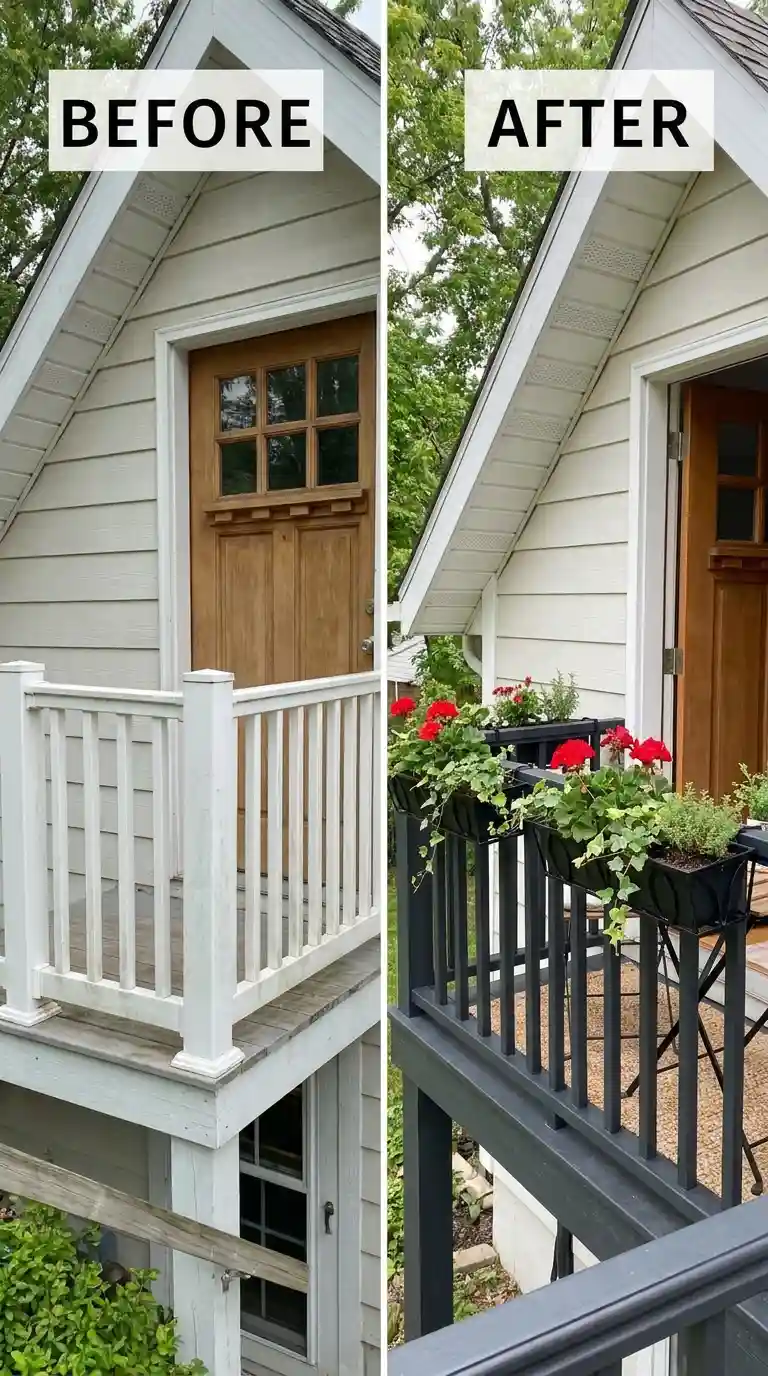
Great balcony railing design does not have to cost a fortune. There are several approaches that deliver excellent results without breaking the bank. Pre-fabricated aluminum railing systems, for example, are widely available at home improvement stores and can be cut to size and installed over a weekend with basic tools. These systems have improved dramatically in quality and appearance over the past decade.
Painting or refinishing an existing railing is one of the most cost-effective ways to transform a balcony. A coat of high-quality exterior paint in a fresh color can make a tired old railing look brand new. I have seen people take plain white vinyl railings, paint them a dramatic charcoal grey or deep navy, and completely change the personality of their balcony for the cost of a few cans of spray paint.
Adding decorative elements to a plain railing is another affordable way to enhance your balcony railing design. Railing planter boxes that hook onto the top rail, string lights woven through balusters, or simple weather-resistant fabric panels that clip to the railing for privacy are all inexpensive ways to add character and function. Sometimes the accessories make more of a difference than the railing itself.
Safety Considerations in Balcony Railing Design
Beauty is important in balcony railing design, but safety is non-negotiable. Building codes in most regions specify minimum height requirements for balcony railings, typically 36 inches for decks less than 30 inches above grade and 42 inches for higher elevations. The spacing between balusters is also regulated, generally no more than 4 inches apart, to prevent children from getting their heads trapped.
The structural integrity of your balcony railing design is paramount. Railings must be able to withstand significant lateral force, as people will lean against them, and in some scenarios, crowds can push against them. This is why proper anchoring and engineering matter so much, especially for glass and cable railing systems where the glass or cable does all the structural work with no balusters in between.
Material durability in the context of your local climate is also a key safety consideration. A wood railing that has been allowed to rot or a metal railing that has corroded can fail catastrophically. Regular inspection and maintenance of your balcony railing design is not optional, it is a fundamental safety responsibility that comes with the territory of elevated outdoor living.
Balcony Railing Design Trends for 2025 and Beyond
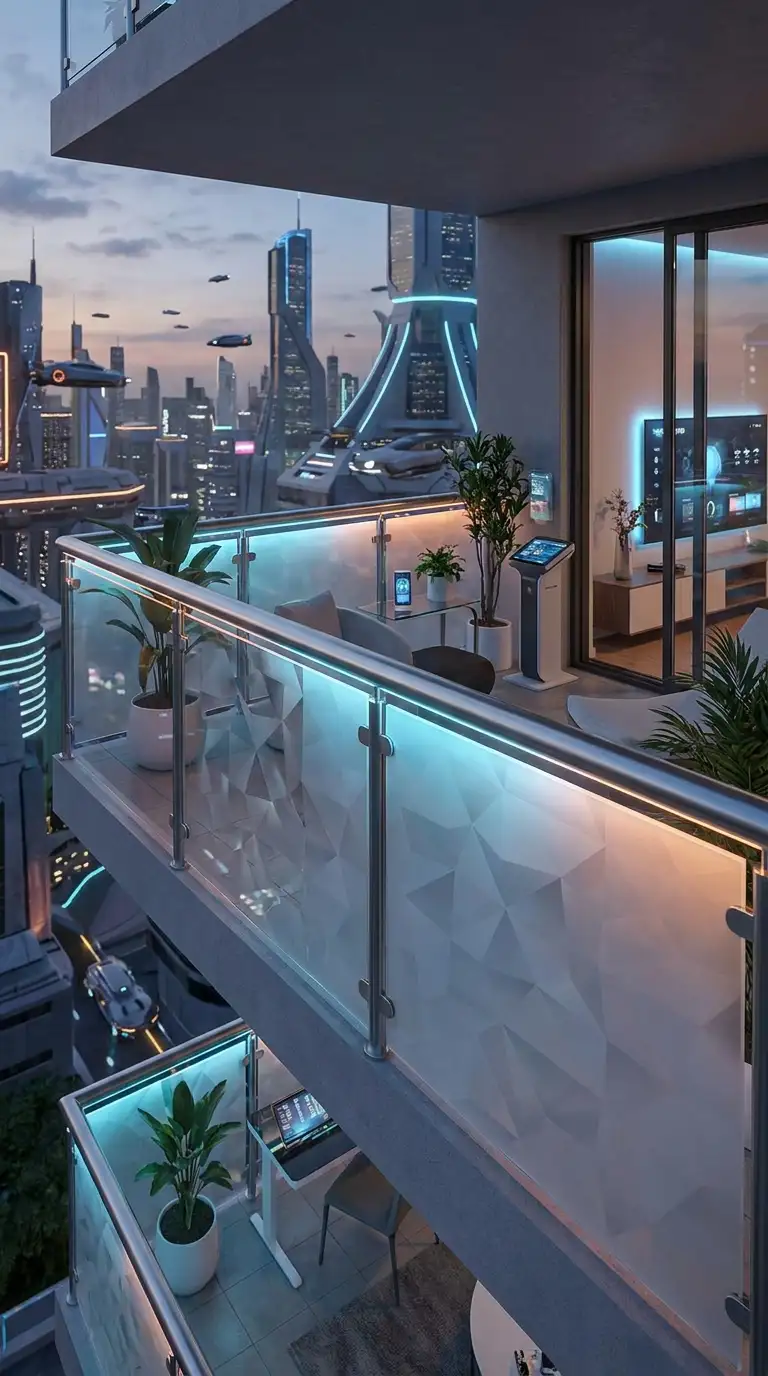
The world of balcony railing design is always evolving, and there are some genuinely exciting trends emerging right now. Black metal railings continue to be enormously popular, having moved from a niche design statement to a mainstream choice that suits everything from farmhouse to ultra-modern styles. The appeal is obvious because black frames views like a gallery wall frames a painting, giving everything behind it a sense of intentional composition.
Biophilic balcony railing design is another trend gaining real momentum. This approach integrates natural materials and living plants directly into the railing structure. From bamboo balusters to railing systems with integrated planter boxes and irrigation, homeowners are increasingly looking for ways to bring nature directly into their railing design rather than treating plants as separate accessories.
Smart railings are also starting to appear in high-end projects. Imagine a glass railing panel that can switch from transparent to frosted with the touch of a button for on-demand privacy, or LED lighting integrated directly into the railing structure for ambient evening illumination. These technologies are still relatively expensive, but they are becoming more accessible and represent the future direction of premium balcony railing design.
How to Choose the Right Balcony Railing Design for Your Home
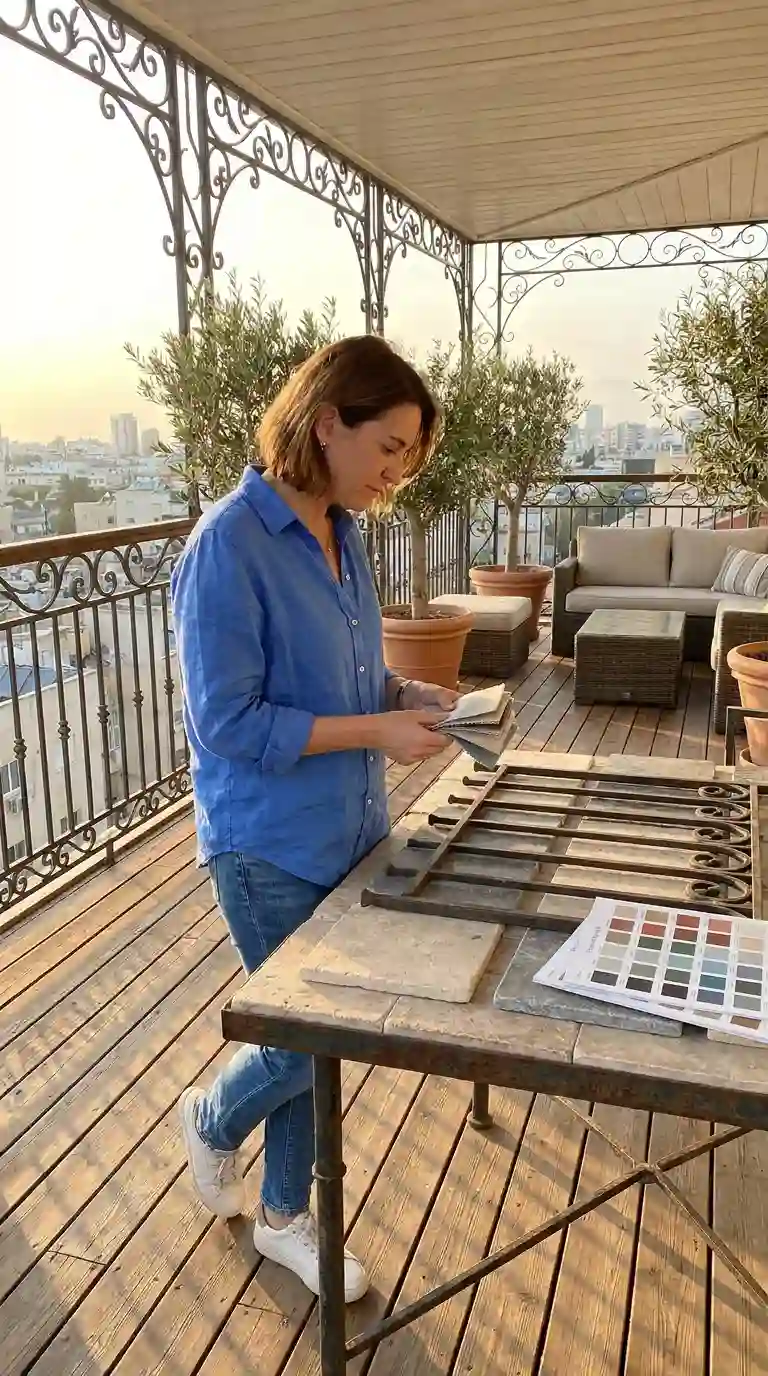
Choosing a balcony railing design can feel overwhelming when you are facing dozens of material, style, and color options. The simplest approach I know is to start with your home’s architectural style and let that guide your material and style choices. A Victorian home calls for something very different than a midcentury ranch or a contemporary glass house. When your railing design echoes and complements the architectural DNA of your home, it always looks right.
Budget is obviously a major factor, but think about lifetime cost, not just upfront cost. A cheap vinyl railing that you need to replace in ten years may ultimately cost more than a quality aluminum or stainless steel railing that lasts thirty years with minimal maintenance. Factor in the cost of installation, ongoing maintenance, and longevity when you are comparing options.
Finally, think about how you actually use your balcony. If you love to sit and enjoy the view, prioritize a balcony railing design with maximum visibility, like glass or cable. If privacy is your primary concern, look at solid panel options or living wall systems. If you have young children, safety features like spacing and climbability become the top priority. Your railing should serve your life, not just look good in photographs.
Read Also : Creative Balcony Garden Ideas Complete Guide for Beginners and Experts
Maintenance Tips for Every Type of Balcony Railing Design
No matter what type of balcony railing design you choose, some level of maintenance is required to keep it looking great and functioning safely. For wrought iron railings, inspect annually for rust spots and touch up with primer and paint before rust has a chance to spread. A full repaint every five to seven years is typically recommended in most climates.
Glass panel railings need regular cleaning to keep them looking their best, because fingerprints, water spots, and environmental grime accumulate quickly. A simple solution of warm water and vinegar applied with a squeegee is surprisingly effective and avoids the streaking that many commercial glass cleaners leave behind. Inspect the mounting hardware and seals annually to ensure nothing has loosened or degraded.
For wood railings, the maintenance routine involves annual inspection for rot, insect damage, or surface cracking, followed by cleaning and resealing or restaining as needed. Never let water pool on horizontal wood surfaces, as standing water is the primary accelerant of wood decay. Cable railing systems should have their tension checked periodically, as cables can stretch slightly over time and may need retensioning to remain safe.
Regional and Cultural Influences on Balcony Railing Design
Balcony railing design is not purely a matter of personal taste. Regional architectural traditions, climate, and cultural influences all play a significant role in shaping what looks natural and appropriate in different parts of the world. In the Mediterranean, elaborate wrought iron railings painted in dark colors against whitewashed walls have been the standard for centuries because they suit both the aesthetic and the climate. In Scandinavia, clean timber railings that echo the surrounding forest landscapes are more common.
In Japan, the influence of Zen minimalism on balcony railing design is clear in the preference for simple horizontal lines, natural materials, and a restrained color palette. In contrast, traditional Indian architecture features elaborately carved stone or hardwood railings with geometric patterns that reflect the country’s rich artisanal heritage. Understanding these regional traditions can be a great source of inspiration even if you are designing a balcony in a completely different context.
Climate is also a practical driver of balcony railing design choices. In coastal areas with salt air, stainless steel and aluminum are far preferable to iron because of their superior resistance to corrosion. In regions with heavy snow and ice, the structural requirements of railings are more demanding, and the expansion and contraction of materials through freeze-thaw cycles need to be accounted for in the design.
Frequently Asked Questions
1. What is the most popular balcony railing design for modern homes?
Glass panel and cable railing systems are the most popular choices for modern homes right now. They offer maximum visibility, clean lines, and a minimal aesthetic that suits contemporary architecture perfectly. Black powder-coated aluminum railings with horizontal bars are also extremely popular in the modern home market.
2. How much does it cost to install a new balcony railing design?
The cost varies widely depending on materials and labor. Basic aluminum railing systems start around $100 to $200 per linear foot installed. Mid-range options like powder-coated steel or composite wood run $200 to $400 per linear foot. High-end glass or custom cable systems can reach $500 to $1,000 or more per linear foot installed.
3. What type of balcony railing design is the safest for families with children?
For families with young children, vertical baluster designs with no more than 4 inches of spacing between balusters are generally the safest choice. Avoid horizontal bar designs that can be climbed. Glass panels with no footholds are also a safe option. Always ensure your chosen balcony railing design meets or exceeds local building codes.
4. Can I install a balcony railing myself?
Many aluminum and vinyl railing systems are designed specifically for DIY installation and come with detailed instructions. More complex systems like frameless glass or custom cable railings are better left to professionals because they require precise installation to be structurally safe. Always check whether your project requires a building permit before starting.
5. What is the minimum height for a balcony railing design?
Most building codes in the United States require a minimum railing height of 36 inches for balconies up to 30 inches above grade, and 42 inches for higher balconies. Many homeowners choose taller railings for added safety and a more substantial visual presence. Always check your specific local building codes before finalizing your balcony railing design.
6. How do I maintain a glass balcony railing design?
Glass railings need regular cleaning with a mild soap or vinegar solution to prevent buildup of water spots and grime. Inspect the mounting hardware, seals, and any frame connections at least once a year. Avoid abrasive cleaners that could scratch the glass surface. Tighten any loose bolts and replace worn seals promptly to maintain both appearance and structural integrity.
7. Which balcony railing design material lasts the longest?
Stainless steel and aluminum are the most durable balcony railing design materials in terms of resistance to corrosion and long-term structural integrity. Properly maintained wrought iron is also extremely long-lasting. Among non-metal options, composite wood and fiberglass outperform natural wood for longevity because they resist rot, insects, and UV damage without regular staining or sealing.
8. What is the difference between frameless and semi-frameless glass balcony railing?
Frameless glass balcony railing uses thick structural glass panels anchored at the base with no top rail or side frames, creating a nearly invisible barrier. Semi-frameless systems use posts at intervals with glass panels between them, plus typically a top handrail. Frameless systems offer the cleanest look but cost more. Semi-frameless is slightly more affordable and provides a more defined architectural presence.
9. Can I add privacy to my balcony without replacing the railing?
Yes, absolutely. You can add privacy screens, planter boxes with tall plants, fabric panels, or lattice panels to an existing railing without replacing it. Bamboo screening, frosted polycarbonate panels, or even a DIY vertical garden system can all be attached to an existing railing structure to create privacy without a full renovation.
10. What balcony railing design is best for coastal homes?
For coastal homes with salt air exposure, stainless steel and marine-grade aluminum are the best choices because they resist corrosion naturally. If you love the look of cable railings, choose 316-grade marine stainless steel rather than the more common 304 grade. Glass panels are also excellent for coastal locations as they resist salt spray and allow unobstructed views of the water.
11. How do I choose a balcony railing design that matches my home’s style?
Start by identifying your home’s architectural style and look at railings that complement it. Traditional and craftsman homes suit wood or wrought iron railings. Modern and contemporary homes look best with glass, cable, or horizontal metal designs. Farmhouse styles pair well with black powder-coated metal. When in doubt, pick a railing color that matches or coordinates with your home’s trim color.
12. Are cable railings safe for balconies?
Yes, properly installed cable railings are completely safe and meet building codes when correctly engineered. The key factors are using the right cable diameter and grade of stainless steel, maintaining proper cable tension, and ensuring adequate post strength. Cables should be tensioned so they cannot be deflected more than 4 inches at mid-span. Have your cable railing design reviewed by a structural professional to ensure code compliance.
Final Thoughts on Choosing Your Perfect Balcony Railing Design
If there is one thing I hope you take away from this guide, it is that balcony railing design is worth taking seriously. It is not just a structural necessity or an afterthought you rush through after all the more exciting decisions are made. Your balcony railing design is a genuine design opportunity, a chance to add beauty, character, and real value to your home.
Whether you fall in love with the timeless elegance of wrought iron, the modern clarity of frameless glass, the industrial cool of cable railings, or the natural warmth of wood, there is a balcony railing design out there that will make your outdoor space feel like exactly what it should be: an extension of how you live and who you are.
Take your time, do your research, visit showrooms if possible, and do not be afraid to mix materials or try something unexpected. The best balcony railing design is ultimately the one that makes you excited to step outside every single morning. And that is a feeling that is absolutely worth investing in.