
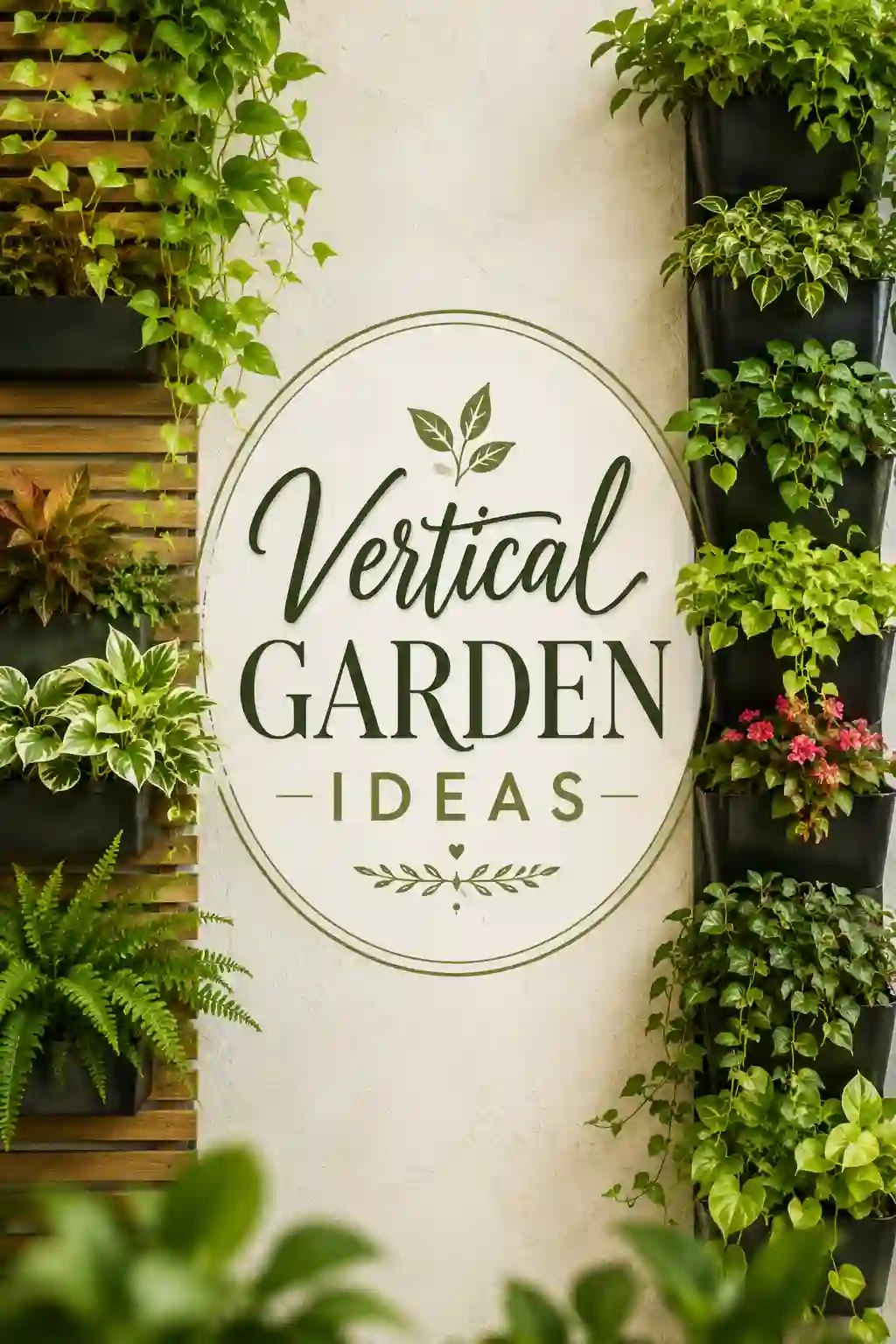
I still remember the day I looked at my cramped little balcony and thought, there is absolutely nothing I can do with this. Eight square feet of concrete, one wobbly railing, and the kind of sadness that only a plant lover with no yard fully understands. Then I discovered vertical garden ideas, and honestly, everything changed. What started as a single pallet leaning against the wall turned into a full-blown obsession and a balcony that my neighbors now stop to photograph.
Vertical gardening is one of the smartest things you can do with any kind of space, whether you have a sprawling backyard fence just sitting there doing nothing or a tiny apartment wall that needs some life. The idea is simple: instead of growing out, you grow up. And the results are nothing short of jaw-dropping when you get it right.
In this article, I am sharing 60 vertical garden ideas across every style, budget, and skill level. Whether you want something rustic and handmade, something sleek and modern, or something purely practical like a kitchen herb wall, there is something here for you. I have personally tried many of these, and I will share what actually works along the way.
Related Post : 60 Brilliant Small Garden Ideas to Transform Any Tiny Outdoor Space Into a Beautiful Green Retreat
Why Vertical Garden Ideas Are Taking Over Home and Outdoor Design

There is a reason vertical garden ideas have exploded in popularity over the last few years. Space is shrinking in cities, balconies are getting smaller, and people are becoming more intentional about bringing nature into their daily environment. A vertical garden solves all of that in one beautiful move. You get greenery, you get texture, you get color, and you do not sacrifice a single square foot of floor space.
Beyond the aesthetics, vertical gardens offer real practical benefits. They improve air quality indoors, reduce ambient temperature on sun-drenched walls, muffle noise in busy urban environments, and can even provide fresh food if you plant edibles. Researchers have found that exposure to indoor plants improves mood and reduces stress, and a vertical garden essentially multiplies that effect by turning an entire wall into a living thing.
From a design standpoint, a vertical garden adds depth and dimension to spaces that would otherwise feel flat and lifeless. A bare concrete wall becomes a statement. A chain-link fence becomes art. A kitchen backsplash becomes a herb garden. The possibilities genuinely never end, which is part of why vertical garden ideas continue to evolve and surprise.
60 Vertical Garden Ideas You Will Actually Want to Try

1 Through 10: Beginner-Friendly Vertical Garden Ideas Using Everyday Materials
If you are just getting started, do not let anyone convince you that you need a big budget or special skills. Some of the best vertical garden ideas I have ever seen came from people who repurposed what they already had. These first ten ideas are designed for beginners, renters, and anyone who wants results without the overwhelm.
Starting simple also means you can test what works in your specific light conditions and climate before investing in anything more permanent. I made the mistake of going big too fast with my first vertical garden and ended up replanting almost everything. Start small, observe, and then scale up.
1. Pallet Wall Planter — A wooden shipping pallet leaned against a fence or attached to a wall makes an instant vertical garden. Fill the slats with landscape fabric, add potting soil, and tuck in small annuals or herbs. This is genuinely one of the easiest vertical garden ideas on this list and costs almost nothing if you can find a free pallet.
2. Hanging Shoe Organizer — Those clear plastic shoe organizers that hang over doors? They are perfect for a vertical garden. Each pocket holds one plant beautifully. I have seen people grow herbs, strawberries, and even lettuce this way. Hang it from a fence rail or a curtain rod on your balcony and you have an instant vertical garden in minutes.
3. Stacked Terracotta Pots — By staggering terracotta pots at different heights on a wall-mounted rail, you create the look of a cascading vertical garden without any special equipment. Use climbing plants and trailing varieties to connect the levels visually.
4. Wooden Crate Grid — Wooden crates mounted in a grid pattern on a fence or exterior wall give you a modular vertical garden that you can rearrange anytime. Paint them all the same color for a polished look or leave them raw for a farmhouse feel.
5. Fence Pocket Planter — Fabric pocket planters designed for fences are sold at most garden centers and online. They create a clean, intentional vertical garden look and work well with succulents, herbs, or small flowering plants.
6. Mason Jar Wall Garden — Mount a wooden board, attach mason jar holders, and you have a charming rustic vertical garden perfect for a kitchen wall or covered porch. Grow herbs like basil, mint, and parsley and snip fresh from the wall while you cook.
7. Repurposed Ladder Planter — An old wooden ladder laid open against a wall becomes a surprisingly lovely vertical garden structure. Place pots on each rung, mix heights, and let trailing plants drape down for a romantic cottage effect.
8. Tin Can Wall Garden — Save soup and coffee cans, paint them, punch drainage holes, and mount them in rows on a fence or wooden backing. This budget vertical garden idea is fantastic for herbs and small succulents and looks incredibly charming when done with mismatched metallic tones.
9. Hanging Gutter Garden — Vinyl rain gutters mounted in horizontal rows at staggered heights make a brilliant vertical garden for strawberries, lettuce, spinach, and other shallow-rooted edibles. Drill drainage holes in the bottom of each gutter and you are good to go.
10. Twine and Nail Wall Trellis — For climbing plants like sweet peas, beans, or small cucumbers, a simple grid of nails and garden twine against a sunny wall creates a vertical garden structure that costs almost nothing and looks stunning in bloom.
Also Read : 50 Cheap DIY Garden Path Ideas That Instantly Upgrade Your Outdoor Space Without Breaking the Bank
11 Through 20: Indoor Vertical Garden Ideas for Every Room

Vertical garden ideas are not just for outdoors. Some of the most dramatic applications I have seen are inside homes, offices, and apartments. Indoor vertical gardens add humidity, clean the air, and create a living focal point that no piece of artwork can quite replicate. These ten ideas work beautifully inside.
The key to a successful indoor vertical garden is matching the plant selection to your light conditions. A north-facing wall needs shade-tolerant plants like pothos and peace lilies. A south-facing wall near a window can support herbs, succulents, and even trailing tomatoes with a grow light assist.
11. Living Wall Art Panel — Pre-planted living wall panels are available from many garden suppliers and make installation a one-afternoon project. They look like framed artwork but are alive and changing. Mount them above a sofa or along a hallway for a dramatic vertical garden effect indoors.
12. Floating Shelf Plant Display — Installing floating wooden shelves at varying heights and layering different plant heights and varieties creates a styled vertical garden feel without committing to a full living wall. This works especially well for plant collectors.
13. Magnetic Wall Planter — Small magnetic planters that attach to metal surfaces or specially coated magnetic paint are perfect for a kitchen vertical garden. Grow herbs right next to your stove for easy access while cooking.
14. Hanging Macrame Plant Holders — A series of macrame plant hangers at different heights along a wall or in a corner creates a bohemian vertical garden that works beautifully in living rooms and bedrooms. Choose trailing pothos, string of pearls, or small spider plants for the best effect.
15. Built-in Bookshelf Garden — Clearing some shelves in a bookcase and replacing books with plants in geometric planters is one of the most underrated vertical garden ideas for interiors. It is especially striking in home offices and reading rooms.
16. Pegboard Planter Wall — A painted pegboard mounted on a wall with hook-in planters is incredibly versatile. You can rearrange the vertical garden layout anytime, add grow lights above, and customize it endlessly. This works great in kitchens and studio apartments.
17. Bathroom Fern Wall — Bathrooms with good humidity are perfect for ferns, air plants, and orchids. A simple mounted rail with hanging wire baskets creates a spa-like vertical garden that turns a boring bathroom into a retreat.
18. Living Headboard — Training climbing plants up a trellis or mounting planters behind a bed creates a living headboard effect that is romantic and dramatic. Use low-maintenance plants like pothos or heartleaf philodendron for a bedroom vertical garden that practically cares for itself.
19. Staircase Wall Garden — The vertical wall space running alongside a staircase is almost always wasted. Mounting a series of small planters at staggered heights along the staircase wall creates a gallery-style vertical garden that gets noticed by every person who walks in the front door.
20. Office Moss Wall — Preserved moss walls require zero watering and zero light because the moss is preserved, not living. But they look incredible and bring the visual benefit of a vertical garden into office spaces, reception areas, and commercial environments with none of the maintenance.
Must Read : 45 Gorgeous Garden Wall Ideas That Will Completely Transform Your Outdoor Space
21 Through 30: Vertical Garden Ideas for Small Spaces and Balconies

This is where vertical garden ideas truly shine. When you are working with a tiny balcony, a narrow side yard, or even just a single wall, the vertical approach is not just an option — it is the solution. I lived in a 400-square-foot apartment for three years, and my vertical garden was the reason the space never felt suffocating.
Small space vertical gardens need to work harder than larger installations. Every plant choice matters, every container placement should be intentional, and weight becomes a real consideration when you are mounting things on balcony railings or rental walls. These ten ideas are optimized for small spaces.
21. Railing Planter Boxes — Hook-on railing planter boxes line the perimeter of any balcony instantly. Plant them with trailing petunias, cherry tomatoes, or herbs and you have a functional vertical garden along the entire perimeter without using any floor space.
22. Tower Planter — Stackable tower planters are literally designed for vertical gardens in small spaces. You can grow 30 strawberry plants, 20 herb varieties, or a mix of edibles in a footprint smaller than a dinner plate. They are one of my personal favorite vertical garden tools.
23. Tiered Plant Stand — A tiered metal or bamboo plant stand takes up about two square feet of floor space but displays six to ten plants at different heights, creating an instant vertical garden effect on even the smallest balcony.
24. Suction Cup Window Planter — Small planters with suction cups that attach to exterior windows allow you to create a vertical garden on the glass itself. Succulents and air plants are ideal here. This works especially well on sliding door glass panels.
25. Vertical Herb Tower — A terracotta herb tower, which is a series of pots stacked one inside the next, creates a charming small-scale vertical garden for a kitchen balcony or patio. Fill each pocket with a different herb and you have fresh cooking ingredients arm’s reach away.
26. Tension Rod Herb Garden — Inside a window frame, install two tension rods horizontally and hang S-hook planters between them. This creates a sunny, space-saving indoor vertical garden for herbs that does not require any drilling.
27. Recycled Bottle Vertical Garden — Empty plastic bottles with the fronts cut away and mounted in vertical rows create a zero-cost vertical garden perfect for small spaces. Paint them bright colors for a cheerful look on a balcony or porch wall.
28. Pocket Panel Garden — Felt or canvas pocket panels designed for vertical gardens can be hung on a single hook on any wall. They hold six to twelve plants in individual pockets, take up zero floor space, and are easily removed in rental situations.
29. Corner Vertical Garden — Corners are wasted in most small spaces. Install a corner vertical garden shelf system or mount planters at alternating heights in the corner of a balcony and suddenly you have gained meaningful planting space from dead air.
30. Hanging Basket Column — Stacking three or four hanging baskets vertically from a single ceiling hook, each at a different height, creates a beautiful cascading vertical garden in a corner of a small patio or balcony without any wall mounting required.
31 Through 40: Outdoor Vertical Garden Ideas for Fences, Walls, and Yards

Outdoor vertical garden ideas give you the most dramatic results because you have access to natural sunlight, rainwater, and the visual backdrop of sky and trees. A well-designed outdoor vertical garden can become the defining feature of an entire garden or backyard.
Outdoor vertical gardens also allow you to play with larger-scale plants including climbing roses, espaliered fruit trees, jasmine, and wisteria that would be impossible indoors. The ten ideas in this section are all designed for outdoor walls, fences, and open garden areas.
31. Espalier Fruit Tree Wall — Training a fruit tree flat against a sunny wall, a technique called espalier, creates a living vertical garden that is also productive. Apple, pear, and fig trees all respond beautifully to this method and look architectural even in winter.
32. Climbing Rose Wall — A classic for a reason, climbing roses trained on a wall trellis create a romantic, fragrant vertical garden that blooms prolifically all summer. Choose disease-resistant varieties and install sturdy wire supports for the best results.
33. Jasmine Covered Fence — Star jasmine or summer jasmine allowed to grow freely over a fence creates a lush, fragrant green wall that functions as a living privacy screen. This low-effort vertical garden idea is perfect for covering ugly fences fast.
34. Bamboo Trellis Feature — A bamboo grid trellis installed against an exterior wall creates a natural vertical garden support perfect for passion flower, black-eyed Susan vine, or climbing hydrangea. The bamboo itself adds texture even before anything grows.
35. Wisteria Pergola Wall — Training wisteria along one side of a pergola creates a waterfall of purple blooms in spring that looks impossible to believe. This is one of the most dramatic vertical garden ideas available if you have patience for it to establish.
36. Garden Art Trellis — Metal trellis panels designed as decorative garden art — think geometric shapes, bird silhouettes, or botanical patterns — make beautiful vertical garden supports that look great even in winter when plants die back.
37. Gabion Wall Planter — Gabion cages (wire cages filled with stone) built as raised walls can incorporate planting pockets on the face, creating a unique vertical garden with incredible visual texture. Plants like sedums, creeping thyme, and alpine strawberries work perfectly.
38. Log Planter Wall — Split logs mounted horizontally on stakes create a rustic tiered vertical garden perfect for a cottage or farmhouse style garden. Fill the natural hollows with trailing plants and let moss grow on the wood for an aged, romantic effect.
39. Cinder Block Vertical Garden — Stacking cinder blocks in a staggered pattern and planting in the hollow centers creates a budget-friendly, incredibly durable vertical garden wall. Paint the blocks a bold color for a modern look or leave them gray for industrial chic.
40. Iron Pipe Grid Wall Garden — Black iron pipes arranged in a grid on an exterior wall, with plants hung from them in industrial containers, create an edgy, architectural vertical garden perfect for modern and contemporary outdoor spaces.
41 Through 50: Edible Vertical Garden Ideas for Fresh Food at Home

Growing food vertically is one of the most satisfying vertical garden ideas possible. There is something deeply rewarding about walking to your wall and snipping a handful of herbs, picking cherry tomatoes from a hanging basket, or pulling fresh lettuce from a pocket panel. These ten ideas are focused entirely on edible vertical garden growing.
Edible vertical gardens do require more attention to watering and feeding than ornamental ones because fruiting and cropping plants are heavy feeders. I recommend installing a drip irrigation system if you are growing food in any kind of vertical garden larger than a few pots. It makes the difference between thriving and barely surviving.
41. Herb Spiral Tower — A spiral herb tower is a classic kitchen garden vertical garden feature. Arrange different herbs by water needs from top to bottom — Mediterranean herbs like rosemary and thyme at the dry top, moisture-loving basil and parsley at the base.
42. Strawberry Tower Planter — Stackable strawberry towers are specifically designed to maximize fruit yield in minimal space. A single tower can produce several pounds of strawberries across a season, making it one of the most productive vertical garden ideas for small spaces.
43. Tomato Cage Column — Using a tall, sturdy tomato cage as a vertical garden support inside a large container allows you to grow cherry or grape tomatoes in a space as small as two square feet. Train the plant around the cage spirally for maximum fruit production.
44. Cucumber Trellis Wall — Cucumbers grow naturally by climbing and thrive on a simple trellis vertical garden. The fruits hang down straight rather than curling on the ground, and they are easier to spot and harvest. A single trellis can support four or five plants.
45. Bean Tepee Column — Three or four bamboo poles lashed together at the top and pushed into a large container create a tepee vertical garden perfect for runner beans, pole beans, or even climbing peas. Kids love this style because the plants grow so dramatically fast.
46. Lettuce and Salad Pocket Wall — Fabric pocket planters are ideal for salad greens because the plants are shallow-rooted and grow quickly. A single panel can supply enough lettuce for weekly salads for a family of four through the cooler growing months.
47. Kale and Chard Vertical Garden — These tall, architectural brassicas look beautiful in a vertical garden wall system and provide months of leafy harvest. Choose rainbow chard for incredible ornamental and edible value simultaneously.
48. Pepper Plant Grid — Compact hot and sweet pepper varieties do very well in vertical garden container systems. They are heavy enough to need sturdy support but small enough to grow happily in eight to ten inch pots mounted on a wall grid.
49. Gutter Strawberry Row — Vinyl gutters mounted in staggered horizontal rows create a productive, low-maintenance edible vertical garden for strawberries or salad greens. The gutters channel water naturally and are easy to clean between growing seasons.
50. Espaliered Apple or Pear Wall — As mentioned earlier, espalier fruit trees are one of the most productive and beautiful edible vertical garden options for a sunny wall. A single espaliered apple tree in a six-foot wall space can produce 15 to 20 pounds of fruit per season with proper care.
Read Also : 75 Brilliant Garden Fencing Ideas That Transform Your Outdoor Space Into a Private Paradise
51 Through 60: Vertical Garden Ideas for Unique, Creative, and Statement Installations

These final ten vertical garden ideas push beyond the conventional. They are for people who want their garden to be a genuine conversation starter, a piece of art that also grows, or a functional solution to a unique problem. Some of these are more involved to install, but the results are extraordinary.
I want to encourage you to not skip over these ideas even if they feel ambitious. Many of them can be scaled down significantly. A small version of a living wall in a shadowbox frame, for instance, is a weekend project. A small moss art piece using preserved moss can be done in an afternoon. The concept scales to any size.
51. Living Wall Shadowbox — A deep picture frame filled with a grid of small plants creates a portable, hang-anywhere vertical garden. Use succulents or air plants since they need minimal watering and thrive in the shallow depth of a frame.
52. Geometric Planter Grid — Identical geometric planters (hexagons, diamonds, or circles) arranged in a precise grid pattern on a wall create a structured, architectural vertical garden that looks more like installation art than a garden.
53. Water Feature Wall Garden — Combining a wall-mounted water feature with integrated planters creates a multi-sensory vertical garden experience. The sound of trickling water plus lush greenery makes any outdoor space feel like a private retreat.
54. Moss Art Panel — Preserved moss arranged in a pattern, map shape, or abstract design on a mounted panel is a maintenance-free vertical garden art piece that works beautifully indoors and out. Combine green, forest, and reindeer moss for texture and variation.
55. Painted Wall with Pocket Garden — Paint a feature wall with an outdoor mural or bold color, then add planters that complement the painted design, letting plants and art interact. The painted wall becomes the backdrop of an intentional vertical garden.
56. Lantern and Plant Wall — Mixing wall-mounted lanterns or solar lights with vertical garden planters creates a vertical garden that is beautiful both day and night. Illuminate the plants from below for a dramatic evening effect.
57. Terrarium Wall Bubbles — Round glass terrariums mounted at different heights on a wall, each containing a miniature plant world, create a whimsical vertical garden effect that is especially magical in children’s rooms and playful interiors.
58. Antique Door Vertical Garden — An old door painted and mounted on an exterior wall, with hooks and brackets for hanging planters, creates a charming, character-filled vertical garden that looks like it belongs in a French countryside garden.
59. Bicycle Wheel Planter — Old bicycle wheels mounted on a wall at different angles, with small pots wired to the spokes, make an artsy, industrial-style vertical garden that is completely original and endlessly customizable.
60. Colorblock Container Wall — Choosing containers in a deliberate color palette (for example, all terracotta and blush, or all navy and brass) and arranging them in a color-blocked pattern on a wall creates a graphic, design-forward vertical garden that feels intentional and curated.
How to Plan and Set Up Your Own Vertical Garden
Before you dive into any of these vertical garden ideas, taking time to plan properly will save you a lot of frustration later. I learned this the hard way after my first attempt at a vertical garden started drooping within two weeks because I had not thought through the drainage properly.
The most important factors to assess before building your vertical garden are: available light (how many hours of direct sunlight does the wall or space receive per day), structural support (can the wall, fence, or railing safely bear the weight of plants, soil, and containers), water access (how close is the nearest hose or tap), and drainage (where will excess water go). Getting these four elements right before you pick a single plant makes the entire project much more likely to succeed.
Choosing the Right Plants for Your Vertical Garden

Plant selection is where many first-time vertical garden builders make mistakes. It is tempting to choose plants purely on looks, but in a vertical garden, the practical requirements matter enormously. Trailing plants, compact plants, and shallow-rooted plants are generally the best performers in vertical garden systems.
For a sunny vertical garden, consider: lavender, rosemary, thyme, trailing petunias, calibrachoa, nasturtiums, alpine strawberries, and compact geraniums. For a shaded vertical garden: ferns, hostas, impatiens, begonias, mind-your-own-business, and mosses. For an indoor vertical garden in indirect light: pothos, philodendron, peace lily, fittonia, and spider plants are all reliable performers.
Avoid plants with very deep root systems or those that grow extremely large, since the shallow containers in most vertical garden systems cannot support them long-term. Also pay attention to water requirements — mixing drought-tolerant plants with water-loving varieties in the same vertical garden often means one group is always either stressed or drowning.
Watering and Maintenance Tips for Vertical Garden Success
Watering is the single biggest challenge in maintaining a vertical garden. Plants in wall-mounted containers dry out much faster than ground-level plants because they are exposed to more air movement and often more direct sun. Checking soil moisture daily, especially in summer, is essential for any vertical garden.
For larger vertical garden installations, a drip irrigation system is genuinely worth the investment. Small drip lines can be run behind the planter panels and set on a timer, ensuring plants receive consistent moisture without daily manual watering. This is how most professional living walls maintain their health.
Feeding your vertical garden is equally important. Because the plants are in small containers with limited soil volume, nutrients deplete quickly. Use a slow-release granular fertilizer at planting time and supplement with liquid fertilizer every two to three weeks during the growing season. I use a seaweed-based liquid feed that my vertical garden plants respond to brilliantly.
Also Read : Stunning Garden Curbing Ideas That Actually Work
Vertical Garden Structural Considerations

A vertical garden full of soil and water is significantly heavier than it looks when empty. A single square meter of planted vertical garden wall can weigh anywhere from 10 to 40 kilograms depending on the system and soil used. Before mounting anything to a wall, confirm that the structure can support that weight.
For exterior walls, use stainless steel or galvanized fixings to prevent rust staining. For interior vertical garden installations, locate wall studs before drilling and use appropriate wall anchors for the weight being supported. If you are renting, freestanding vertical garden systems that do not require any fixings are your safest and most practical option.
Also consider the material your vertical garden will cover. Wooden fences need breathable backing so moisture does not accelerate rot. Brick and concrete walls are generally ideal behind living walls because they are moisture-resistant and structurally strong. Plasterboard interior walls need careful waterproofing behind any wet vertical garden installation.
Also Read : Mini Fairy Garden Ideas: 40 Small Fairy Gardens for Tiny Spaces
Vertical Garden Ideas by Style: From Modern to Cottage and Everything Between
One thing I love about vertical garden ideas is that they cross every design style. There is no aesthetic they cannot serve. Whether your home is sleek and contemporary or cozy and cottagecore, a well-designed vertical garden can feel completely native to the space.
Modern and Minimalist Vertical Garden
For a modern aesthetic, think clean lines, limited plant variety, and monochromatic containers. A grid of identical white geometric planters containing a single variety of plant — all pothos, all succulents, or all ferns — is deeply satisfying in a minimalist interior. Less is genuinely more when it comes to a modern vertical garden.
Materials matter enormously in a modern vertical garden. Matte black metal, brushed concrete, and pale oak timber all complement contemporary architecture beautifully. Avoid anything ornate or fussy. The plants themselves should be the visual interest, not the containers.
Cottage and Romantic Vertical Garden
A cottage-style vertical garden should feel like it grew there by itself, even though of course it did not. Mix plants freely — roses, foxgloves, sweet peas, lavender, clematis, and honeysuckle all tumbling over each other in glorious profusion. Use weathered wood, aged terracotta, and wrought iron for containers and supports.
The key to a convincing cottage vertical garden is controlled wildness. Plan the structure carefully but choose plants that will blur the lines between them as they grow. Allow some self-seeding. Let moss grow on the pots. Let things overflow their edges. The more imperfect it looks, the more right it feels.
Industrial and Urban Vertical Garden

Galvanized metal pipes, wire mesh panels, and raw concrete are the visual language of the industrial vertical garden. Plants in this style should feel almost unexpected — lush green against hard metallic grey. Ferns in tin cans, succulents in steel mesh frames, and trailing pothos draped over pipe grids all work beautifully.
This style of vertical garden works especially well on rooftop terraces, warehouse loft balconies, and commercial spaces. The contrast between the hardness of industrial materials and the softness of living plants is exactly what makes this aesthetic so striking.
Must Read : Fairy Garden Ideas: 50 Magical Garden Designs for Your Home
Keeping Your Vertical Garden Looking Great Through Every Season

One of the questions I get asked most about vertical garden ideas is how to keep them looking good all year. The honest answer is that it requires some seasonal thinking and occasional replanting, but the effort is absolutely worth it.
In spring, refresh your vertical garden with new seasonal plants. Replace any that did not survive winter. Add fresh compost or potting mix to containers and apply a slow-release fertilizer. This is also the time to prune climbing plants and neaten up the overall structure of the vertical garden.
Summer is high-performance season for most vertical garden plants, but it is also when watering becomes most critical. Check your vertical garden daily in hot weather and consider shading the most sun-exposed sections during heat waves to prevent scorching.
In autumn, swap summer annuals for winter pansies, cyclamen, ornamental kale, and evergreen trailing plants that will maintain color through the colder months. Hardy perennials can stay in place year-round and actually benefit from the slight protection a wall provides.
Winter vertical garden maintenance is mostly about protection. Wrap terracotta containers to prevent frost cracking, move tender plants indoors, and use evergreen ferns and structural plants to maintain the visual presence of the vertical garden even when color is limited.
Frequently Asked Questions
Q1. What are the best plants for a vertical garden?
The best plants for a vertical garden depend on your light conditions and whether the garden is indoors or out. For outdoor sunny walls, trailing petunias, herbs, strawberries, succulents, and climbing roses work beautifully. For shaded outdoor walls, ferns, hostas, and impatiens are excellent. Indoors, pothos, philodendron, peace lily, and spider plants are reliable low-maintenance choices. The key is always to match plant requirements to your actual growing conditions rather than choosing on aesthetics alone.
Q2. How do I start a vertical garden for beginners?
Start with a simple pallet planter, a hanging shoe organizer, or a set of railing planters. Choose three to five easy-care plants suited to your light conditions. Focus on getting drainage right and developing a consistent watering routine before adding complexity. Many beginners are tempted to go large immediately, but starting small lets you learn what works in your specific environment before investing in a bigger vertical garden system.
Q3. What is the cheapest way to make a vertical garden?
The cheapest vertical garden options include repurposed wooden pallets, recycled tin cans or plastic bottles, fabric shoe organizers, and salvaged wooden crates. Many of these cost nothing if you source materials creatively. Combine recycled containers with budget-friendly plants like cuttings shared from friends or inexpensive annuals from a garden center and you can create a stunning vertical garden for very little money.
Q4. How do you water a vertical garden?
Vertical gardens can be watered manually with a watering can or hose, but because wall-mounted containers dry out faster than ground-level pots, daily checking is important in warm weather. For larger vertical garden installations, a drip irrigation system on a timer is the most effective and time-efficient solution. Water from the top and ensure each container has adequate drainage so water flows through rather than pooling and causing root rot.
Q5. Can a vertical garden grow indoors?
Absolutely. Indoor vertical gardens are incredibly popular and can work in almost any room with at least some natural light. North-facing walls suit shade-tolerant plants like pothos and ferns. Sunny windows support herb gardens and succulents. For walls with very limited light, preserved moss walls or a vertical garden supplemented with grow lights are excellent alternatives that still bring the green wall effect indoors.
Q6. What vegetables can be grown in a vertical garden?
Many vegetables thrive in a vertical garden. Salad leaves, lettuce, spinach, and kale are ideal for pocket planters because of their shallow roots. Strawberries do brilliantly in tower planters and gutter gardens. Climbing vegetables like beans, peas, cucumbers, and small-fruited tomatoes grow naturally upward on a trellis vertical garden. Herbs including basil, parsley, mint, chives, and thyme are some of the most popular and practical choices for an edible vertical garden.
Q7. How do you make a vertical garden on a wall without drilling?
There are several no-drill vertical garden options. Over-the-door shoe organizers hang on any door or railing. Railing planters hook on without any fixing. Freestanding tiered plant stands need no wall attachment. Tension rod planters fit inside window frames. Leaning pallet gardens rest against a wall without mounting. For interior walls, heavy-duty adhesive hooks can support lightweight planters safely without drilling.
Q8. How much does it cost to build a vertical garden?
Vertical garden costs range from almost nothing (repurposed materials and propagated plants) to several thousand dollars for professional living wall installations with integrated irrigation. A basic DIY vertical garden using a pallet or fabric pocket panel costs between ten and fifty dollars. A mid-range vertical garden with purpose-built modular planters and a drip system might cost two to five hundred dollars. Professional installed living walls for commercial spaces typically run much higher depending on scale.
Q9. Do vertical gardens need a lot of maintenance?
The maintenance level depends entirely on the plants you choose and the system you use. A vertical garden planted with hardy succulents and preserved moss needs almost no maintenance. A living wall planted with tropical foliage in an indoor setting needs regular watering, occasional fertilizing, and periodic pruning or replanting. Most home-scale vertical garden installations fall somewhere in between — a weekly check, regular watering, and seasonal refreshing is typically sufficient.
Q10. What is the best structure for a vertical garden?
The best structure depends on your setting and budget. For beginners, a wooden pallet or modular pocket panel system is the most accessible. For permanent outdoor installations, a welded steel grid frame or cable wire system is incredibly durable and versatile. For indoor vertical gardens, pre-built living wall panels or floating shelf systems offer a clean, finished look. Whatever structure you choose, prioritize stability and ensure it can bear the full weight of saturated soil and mature plants.
Q11. Can vertical gardens grow on fences?
Yes, fences are one of the best locations for a vertical garden. Wooden fences support hanging pocket planters, mounted crates, and clip-on rail planters easily. Metal fences and chain link can support climbing plants like jasmine, clematis, and climbing roses that will eventually cover the entire fence. Vinyl fences work well with hook-on railing planters. The key is to use fixings appropriate to the fence material and to spread weight evenly rather than overloading one section.
Q12. How deep do containers need to be for a vertical garden?
Container depth requirements vary by plant. Most herbs, salad greens, and shallow-rooted flowers grow happily in containers as shallow as six to eight inches deep. Strawberries need eight to ten inches. Larger vegetables like tomatoes and cucumbers need at least twelve inches of depth to develop properly, which is why they are usually grown in larger base containers with vertical support above rather than in mounted wall pockets.
Q13. What is the difference between a living wall and a vertical garden?
The terms are often used interchangeably, but technically a living wall refers specifically to a fully planted wall system where plants grow in integrated modules, felt panels, or hydroponic systems attached directly to the wall surface. A vertical garden is a broader term that includes any approach to growing plants vertically — this encompasses living walls, trellis gardens, stacked container systems, railing planters, and more. Living walls are generally more complex and require more maintenance than simpler vertical garden forms.
Q14. How do I prevent pests in my vertical garden?
Regular inspection is your first line of defense against pests in any vertical garden. Check both sides of leaves weekly, especially in humid conditions, where spider mites, aphids, and fungus gnats are most likely to appear. Good air circulation around your vertical garden reduces fungal problems significantly. Neem oil spray is a highly effective organic treatment for most common vertical garden pests. Avoid overwatering, which creates conditions that attract pests and cause root rot simultaneously.
Q15. Can a vertical garden improve air quality?
Yes, research has consistently shown that plants improve indoor air quality by absorbing carbon dioxide, releasing oxygen, and filtering certain volatile organic compounds from the air. A vertical garden with multiple plants multiplies these effects significantly compared to a few individual pots. Species particularly noted for air-purifying properties include spider plants, peace lilies, pothos, snake plants, and rubber plants — all of which perform well in indoor vertical garden installations. The humidity benefit of a large indoor vertical garden also makes the air feel fresher and more comfortable, particularly in dry winter conditions.
Final Thoughts on Vertical Garden Ideas
I have been growing things in small spaces for over a decade, and vertical garden ideas remain the single most transformative approach I have found for making any space feel alive, lush, and intentionally designed. Whether you start with a simple pallet leaned against a fence or invest in a full living wall installation, the impact is immediate and deeply satisfying.
What I love most about vertical garden ideas is that they invite creativity in a way that horizontal gardening sometimes does not. When the canvas is a wall instead of the ground, the whole project feels more like art than gardening. You are curating a living composition that changes and grows and surprises you throughout the seasons.
Start somewhere. Start small if you need to. Try one of the beginner ideas in section one, observe how your plants respond, learn what your space needs, and then build from there. Sixty vertical garden ideas are a lot of inspiration, but the best vertical garden is always the one you actually make.
If you try any of these vertical garden ideas, I would love to hear how it goes. Share your results, ask questions, and keep growing vertically and otherwise.