
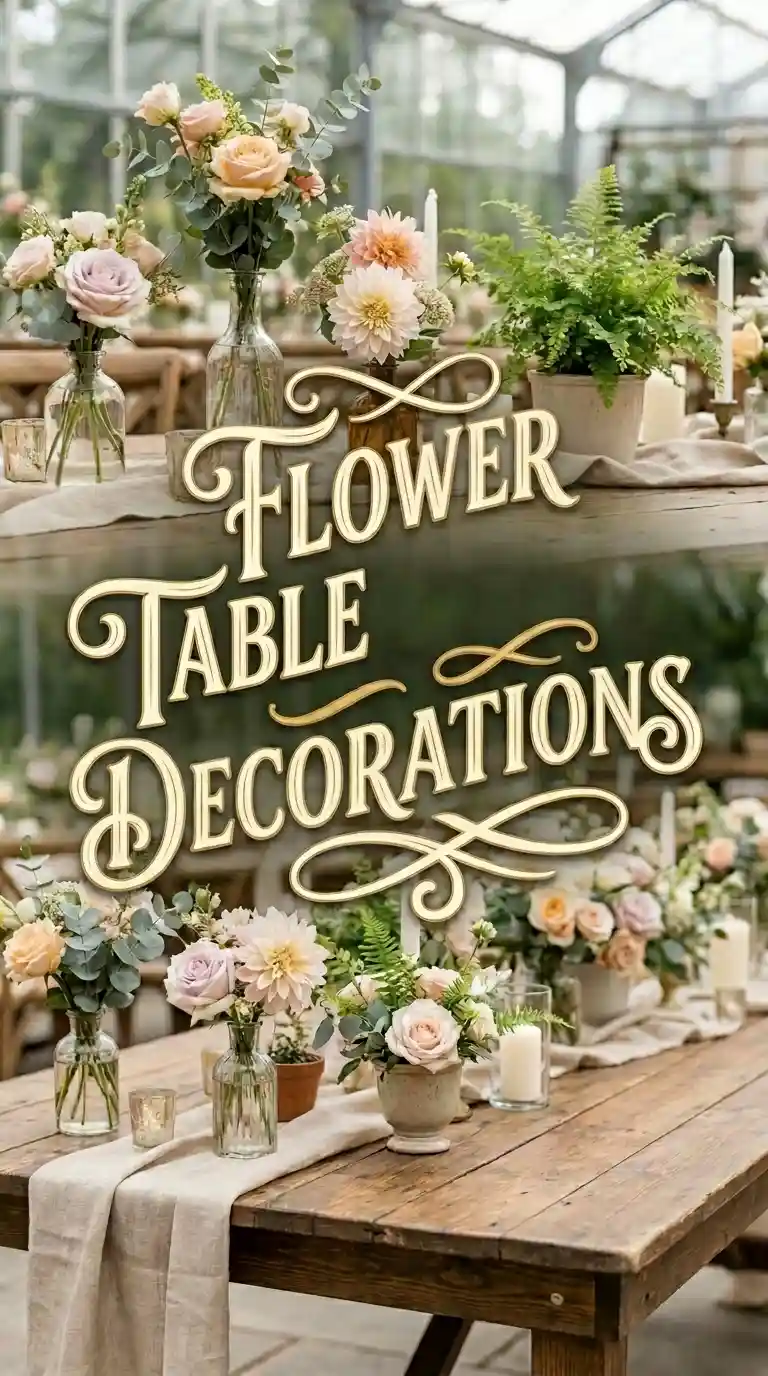
There are moments in life when a table becomes more than a surface for plates and glasses. A wedding reception where guests catch their breath at the floral centerpieces. A dinner party where the conversation pauses because someone notices how beautiful the flowers are. A holiday gathering where the table itself becomes the memory. Flower table decorations do all of that. They are the difference between a table that is set and a table that is styled, and once you understand how they work, you will never look at a bare table the same way again.
I came to love flower table decorations later than most people who are passionate about them. For years I relied on a single supermarket bunch dropped into a mason jar and called it done. It was fine. It was perfectly nice. But it was not what I wanted. It was not the kind of table I had seen at my aunt’s dinner parties, where the flowers always looked effortless but always made everything feel more beautiful. Then she showed me her process, and I realized that creating beautiful flower table decorations is not about talent or training. It is about knowing a few principles and caring enough to apply them.
This article covers everything I have learned about flower table decorations since that conversation. We are going to talk about seasonal flowers, vessel choices, proportion and height, color theory for floral arrangements, specific occasions from weddings to casual Sunday lunches, budget-conscious approaches, and all the small details that separate flower table decorations that look good from ones that look genuinely stunning. Whether you are decorating a table for one hundred guests or a dinner table for four, the ideas here will serve you well.
Also Read : 90 Stunning Tea Party Table Decor Ideas That Create a Magical and Elegant Tea Party Experience
Why Flower Table Decorations Change the Entire Feeling of a Room
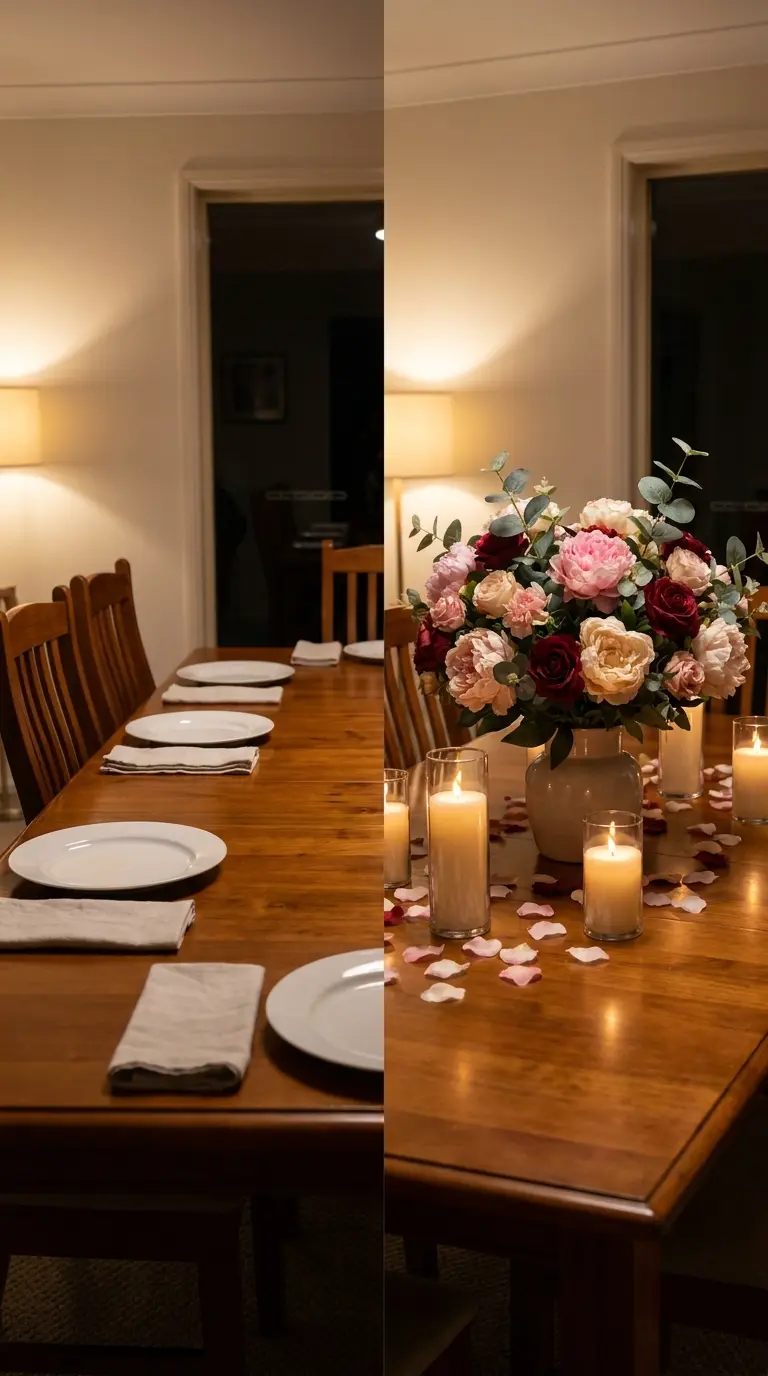
There is a reason professional event stylists spend a disproportionate amount of their budgets on flower table decorations. Among all the elements that create the atmosphere of a beautifully set table, fresh flowers are the ones that guests notice first and remember longest. They are the living element in an otherwise static arrangement, which gives them a vitality and warmth that no manufactured decoration can quite replicate.
Flower table decorations also change the sensory experience of a table in ways that go beyond the visual. The fragrance of fresh flowers, whether the intense sweetness of stargazer lilies, the delicate green freshness of sweet peas, or the soft rose-water quality of peonies, fills the air around the table and creates an atmosphere that is felt as much as seen. This multisensory dimension is what makes flower table decorations so effective at transforming the mood of a gathering.
From a purely practical design standpoint, flower table decorations provide the one element that ties all the other table components together. The colors in your floral arrangement can pick up tones from the tablecloth, the crockery, the candles, and the napkins, creating a cohesive visual palette that makes the whole table look designed rather than assembled. A well-chosen floral arrangement for the table center is the glue that holds the entire tablescape together.
The psychology of flowers at a table also matters in ways that research consistently confirms. Studies show that the presence of fresh flowers in a dining environment increases people’s sense of wellbeing, encourages longer and more enjoyable meals, and creates stronger feelings of connection between people at the table. Flower table decorations are not just beautiful. They are genuinely good for the experience of sharing a meal.
The Most Popular Flower Table Decorations by Season
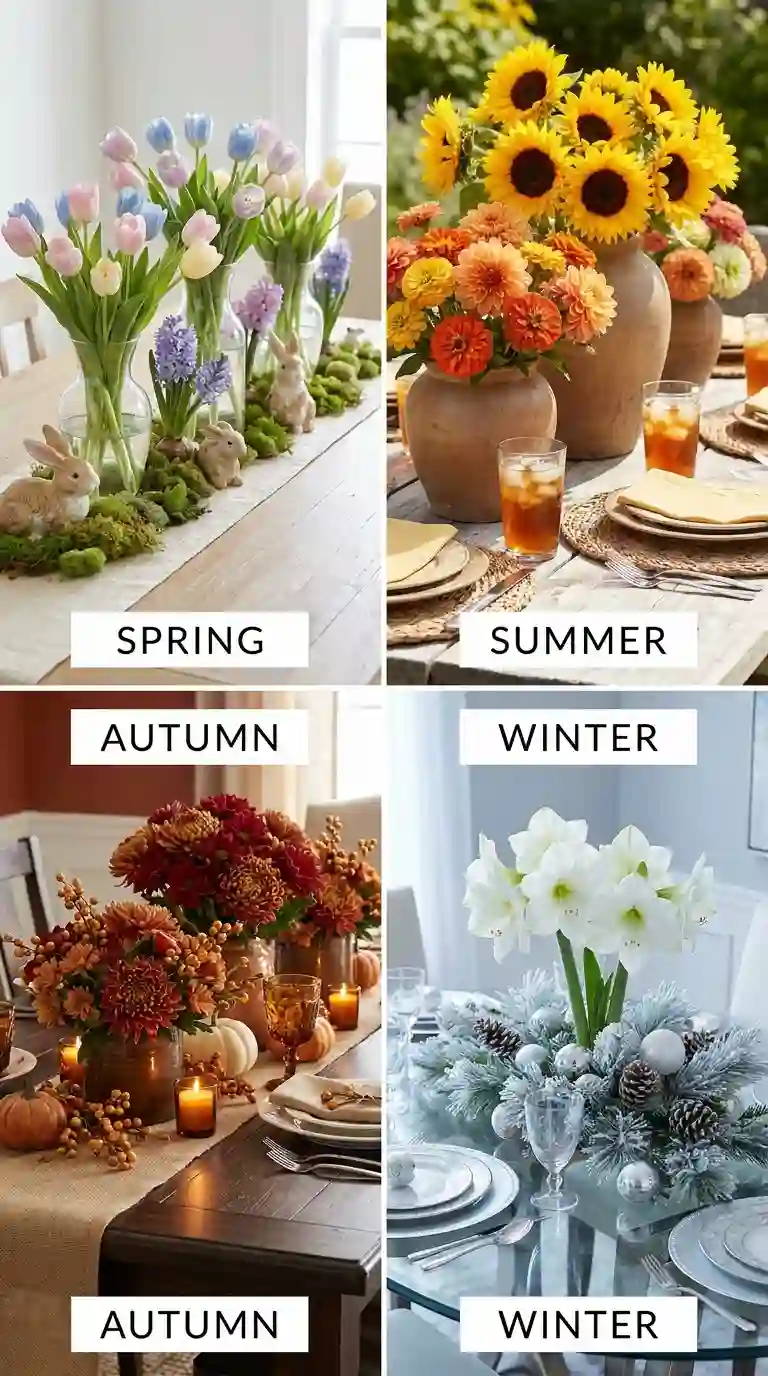
Seasonal awareness is one of the most important principles in creating beautiful flower table decorations, both for aesthetic reasons and practical ones. Flowers that are in season locally are more affordable, more abundant, and fresher than those that have been imported or grown out of season. They are also more connected to the natural world in a way that reads as intentional and sophisticated rather than generic.
Spring Flower Table Decorations
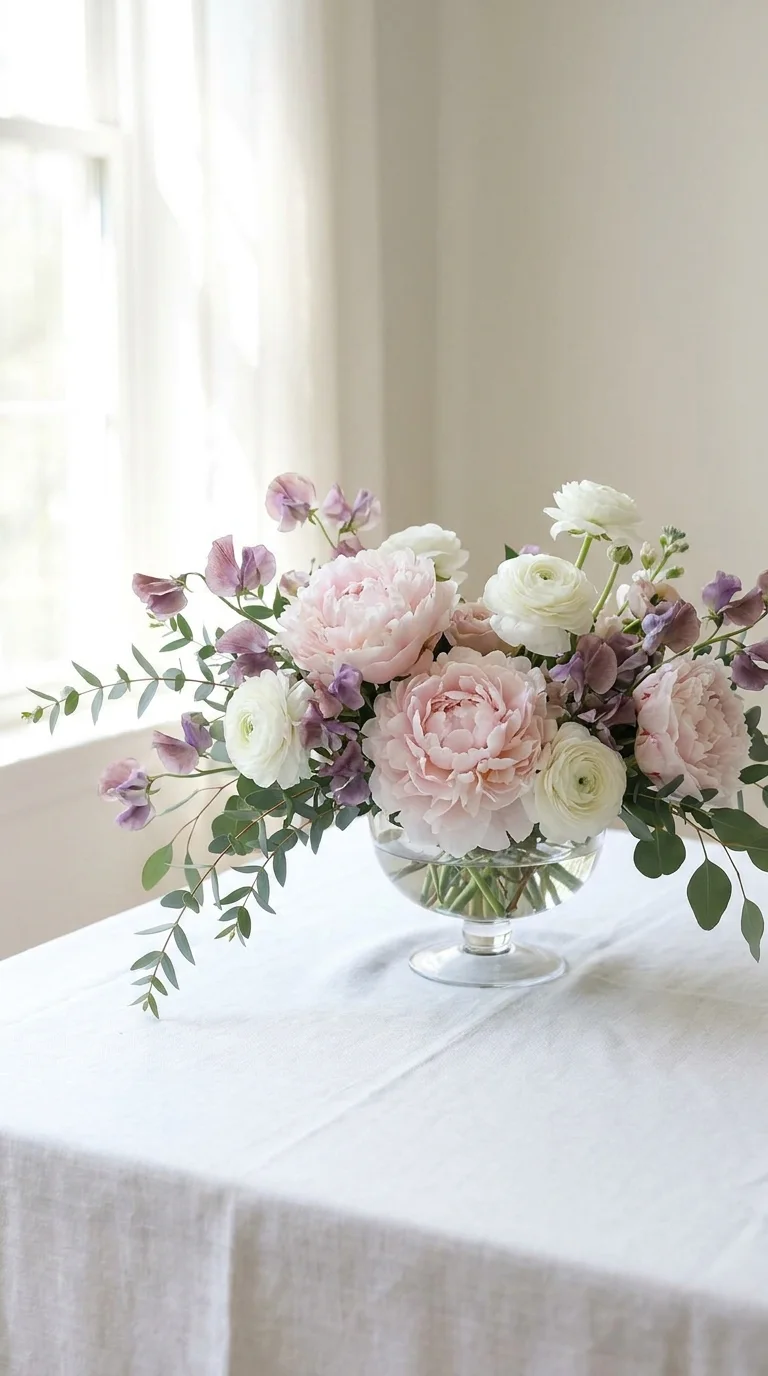
Spring is probably the most abundant season for flower table decorations because the sheer variety of blooms available in March through May is extraordinary. Tulips are the iconic spring flower and deserve their status. They come in hundreds of varieties, from the simple classic cup shapes to the dramatic parrot tulips with their fringed, feathery petals, and their color range covers virtually every possibility from pure white to almost black. Tulips make beautiful low and simple flower table decorations because they soften as they open, creating a more romantic shape a few days after purchase than they have straight out of the florist bucket.
Peonies are the most beloved flower for spring and early summer flower table decorations among brides, event stylists, and passionate home decorators alike, and the reason is not hard to understand. A fully open peony is one of the most extravagantly beautiful things in nature. The layers of petals, the subtle fragrance, the way they go from a tight bud to a fully open bloom over two to three days: every stage is beautiful. Peonies as flower table decorations create an immediate impression of luxury and celebration that few other flowers match.
Hyacinths, ranunculus, sweet peas, and daffodils are other spring favorites for flower table decorations that offer different aesthetic qualities for different occasions and styles. Ranunculus in particular is having a moment in contemporary flower table decorations because their layered, rose-like form creates a lush, full arrangement even when you use relatively few stems. Their color range, from the palest blush to the deepest burgundy, makes them incredibly versatile across different tablescape palettes.
Summer Flower Table Decorations
Summer flower table decorations have an exuberance and boldness that perfectly suits the season. Dahlias are the summer equivalent of peonies in terms of their impact and their admirers. They come in an enormous range of forms, from the tight ball dahlias that look almost architectural to the dinner plate dahlias with their dramatic dinner-plate-sized blooms, and their color range covers the entire warm spectrum from pale cream through every shade of yellow, orange, pink, and red to deep burgundy.
Sunflowers are another quintessential summer choice for flower table decorations that offer warmth and cheerfulness in ways that no other flower quite replicates. A simple arrangement of sunflowers in a vintage enamel pitcher or a glass mason jar creates immediate summer atmosphere with almost no effort. For more formal occasions, sunflowers can be combined with chocolate cosmos, orange dahlias, and deep burgundy amaranth to create a sophisticated warm palette that retains the energy of summer without the simple cheerfulness of pure yellow.
Zinnias, cosmos, and sweet Williams round out the summer flower table decorations palette beautifully. These cottage garden flowers have a charm and informality that suits relaxed summer gatherings, garden parties, and outdoor dining where the natural setting outside the table calls for flower table decorations that feel connected to the garden rather than to a formal florist.
Also Read : Brilliant Small Hallway Ideas That Make Every Inch Count and Every Guest Stop to Look
Autumn Flower Table Decorations
Autumn flower table decorations lean into the rich, warm, deeply saturated palette of the season with copper, rust, amber, burgundy, and deep plum tones that create table arrangements of extraordinary warmth and depth. Dahlias continue into early autumn and provide some of the most beautiful deep tones available in flower table decorations. Chrysanthemums, which have shed their outdated association with institutional arrangements, are now embraced by contemporary floral designers for their extraordinary variety of forms and their rich warm tones.
Seasonal berries and branches play a supporting role in autumn flower table decorations that moves them decisively beyond simple floral arrangements into something more complex and more connected to the natural world. Rosehip branches, pyracantha with its orange berries, cotoneaster, and autumn-colored foliage all contribute texture and seasonal character to autumn flower table decorations in ways that flowers alone cannot achieve.
Winter Flower Table Decorations
Winter flower table decorations work with a more limited natural palette but use that limitation creatively to create arrangements of particular elegance and drama. Amaryllis is the great winter flower for table decorations, with its architectural stems and enormous trumpet-shaped blooms in red, white, pink, and salmon that create an immediate festive impact. A single stem of amaryllis in a simple glass vase is a complete flower table decoration in itself, a quality that few other flowers possess.
White and cream flower table decorations using flowers like white anemones, white ranunculus, white hellebores, and white tulips create a pure, almost ethereal winter table arrangement that suits both festive occasions and everyday winter dining. Combined with winter greenery, silver eucalyptus, and the warm flicker of candles, white flower table decorations in winter create a table atmosphere of genuine beauty and calm.
Choosing the Right Vessels for Flower Table Decorations
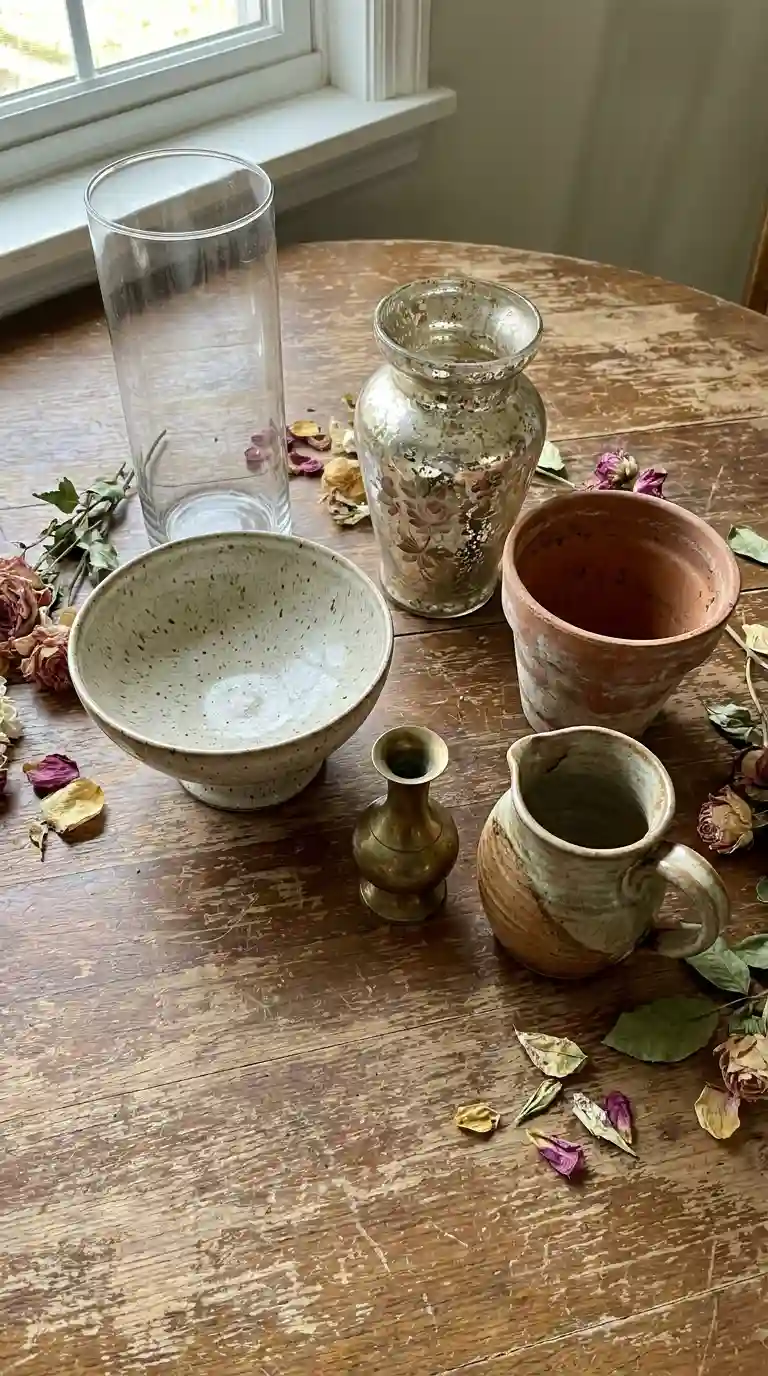
The vessel in which you arrange your flowers is as important as the flowers themselves in flower table decorations, and it is the element that most directly affects the proportion, height, and overall character of the arrangement. Understanding what different vessel shapes do to the flowers placed in them is one of the most practical skills in creating beautiful flower table decorations at home.
The height of your vessel determines whether your flower table decorations create a low, intimate atmosphere or a dramatic, vertical impact. For dinner tables where guests are seated across from each other, low and wide vessels that keep flower table decorations below eye level are almost always the right choice. Nothing is more frustrating than being separated from your dinner companions by a wall of flowers that you have to peer around or through to maintain a conversation. Low flower table decorations let the blooms be beautiful without interrupting the social experience of the table.
Also Read : 27 Brilliant Small Terrace Ideas to Turn Any Tiny Outdoor Space Into a Dream Retreat
Tall Vessels for Statement Flower Table Decorations
Tall vessel flower table decorations have their place at tables where the height works in their favor rather than against it. Long banquet tables at events where guests are seated along one side rather than facing each other, cocktail tables where people stand rather than sit, and entrance tables, buffet tables, or mantelpieces where there is no conversation to interrupt are all situations where tall flower table decorations create maximum visual impact without any practical drawback.
Glass cylinder vases are the most popular tall vessels for flower table decorations because they are transparent, which means the stems and water become part of the visual composition, they are inexpensive and widely available, and they work with virtually any style of flower and arrangement. Filling a tall glass cylinder with decorative elements before placing the flowers, submerged orchid blooms, lemon slices, cranberries, or smooth stones, is a popular and effective approach in flower table decorations for events.
Low Vessels and Loose Arrangements
For everyday flower table decorations and for dining tables where conversation matters, low vessels are the most practical and often the most beautiful choice. A low footed bowl, a wide mouth vase, a flat-bottomed glass trough, or even a vintage enamel baking dish can all serve as the vessel for low and lush flower table decorations that feel relaxed and abundant. The key with low vessels is creating enough width and volume in the arrangement to balance the lack of height.
Single-stem arrangements in simple bud vases clustered in groups are one of the most charming and most accessible approaches to flower table decorations. A collection of three to five small vases of different heights but similar character, each holding a single stem or small cluster of flowers, creates a looser and more natural-looking flower table decoration than a single formal arrangement. This approach is also more economical since you can create a beautiful table with fewer total stems.
Flower Table Decorations for Weddings and Special Occasions
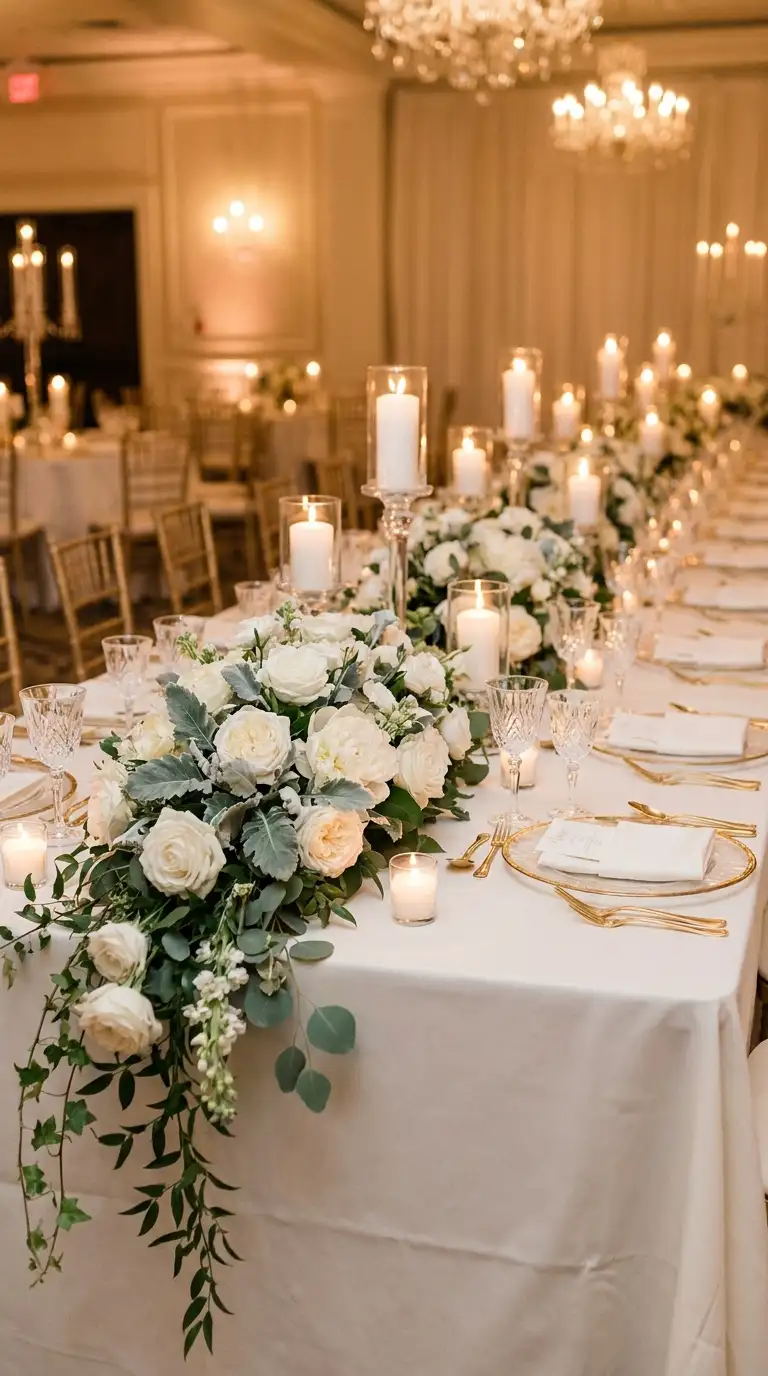
Wedding flower table decorations are where the combination of beauty, symbolism, and practical requirement reaches its most complex and most rewarding expression. A wedding reception table carries more emotional weight than any other table most of us will ever decorate. It needs to be beautiful in photographs, practical for guests to dine comfortably, consistent with the overall wedding aesthetic, and memorable enough to live in the couple’s minds for years.
The most enduring trend in wedding flower table decorations over the last decade has been the move away from single tall centerpieces toward long, low table runners of flowers that spill across the table in a more relaxed and abundant way. These garden-style flower table decorations look as though the flowers have simply grown there naturally, which creates a romantic and luxurious impression that formal, architectural arrangements cannot quite achieve. The loose, slightly undone quality of a flower runner is one of the hardest effects to achieve while also being one of the most beautiful.
Color choice in wedding flower table decorations typically flows from the overall wedding palette, but the best floral designers know how to create depth within a palette that might initially seem limiting. An all-white wedding palette, for example, might use pure white garden roses, cream peonies, white anemones with their dark centers, ivory scabiosa, and white sweet peas, each with different forms and slightly different tones, to create flower table decorations of extraordinary variety and richness within what appears to be a single color.
Birthday and Celebration Flower Table Decorations
Birthday and celebration flower table decorations have more freedom than wedding floral design because there is less constraint from a formal aesthetic program. The flowers can be chosen purely on the basis of the guest of honor’s preferences, the season, the color palette of the celebration, or simply what is most beautiful and most affordable at the time. This freedom allows for flower table decorations that are more personal and more joyful than those constrained by formal event requirements.
For milestone birthday celebrations, flower table decorations in the guest of honor’s favorite flowers create an immediate personal connection that generic decorations cannot achieve. If someone has always loved dahlias or has a garden full of sweet peas, those flowers on the table tell them that the celebration has been planned with specific love and attention. That personal dimension elevates simple flower table decorations into something genuinely meaningful.
Christmas and Holiday Flower Table Decorations
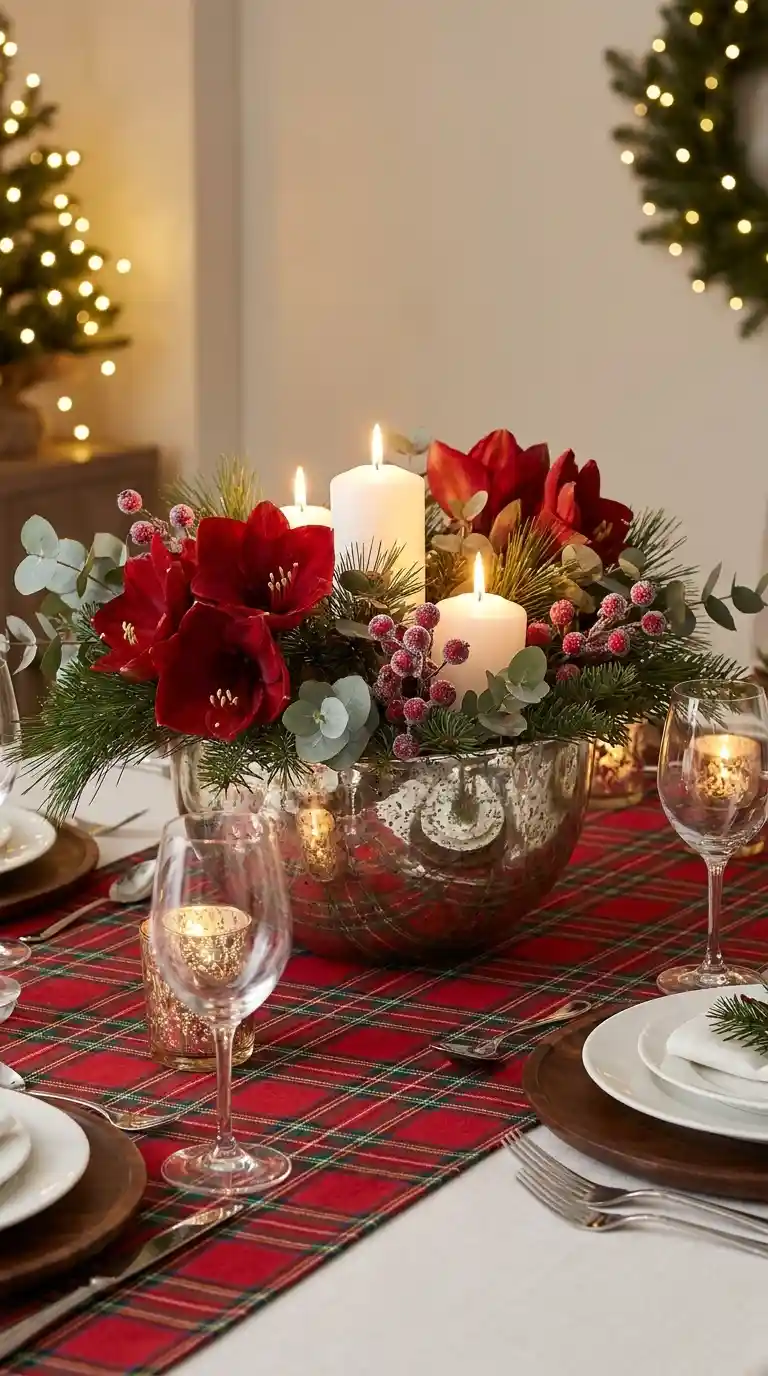
Christmas flower table decorations occupy a special category because they need to work with the broader visual language of the holiday season while also standing as beautiful objects in their own right. The most successful Christmas flower table decorations use a combination of traditional seasonal elements with fresh flowers in a way that feels more sophisticated than a purely manufactured decoration while retaining the festive character of the occasion.
Amaryllis, white or red, combined with pine branches, eucalyptus, and small berries or baubles is one of the most beautiful and most versatile Christmas flower table decoration formulas. The amaryllis provides the fresh flower element with its dramatic architectural form. The pine and eucalyptus provide fragrance and the deep green of the season. The berries or baubles add the festive accent color without reducing the composition to something purely decorative. This combination works equally well on a dining table for Christmas dinner, on a console table in the entry, or as a gift.
Budget-Friendly Flower Table Decorations That Look Expensive
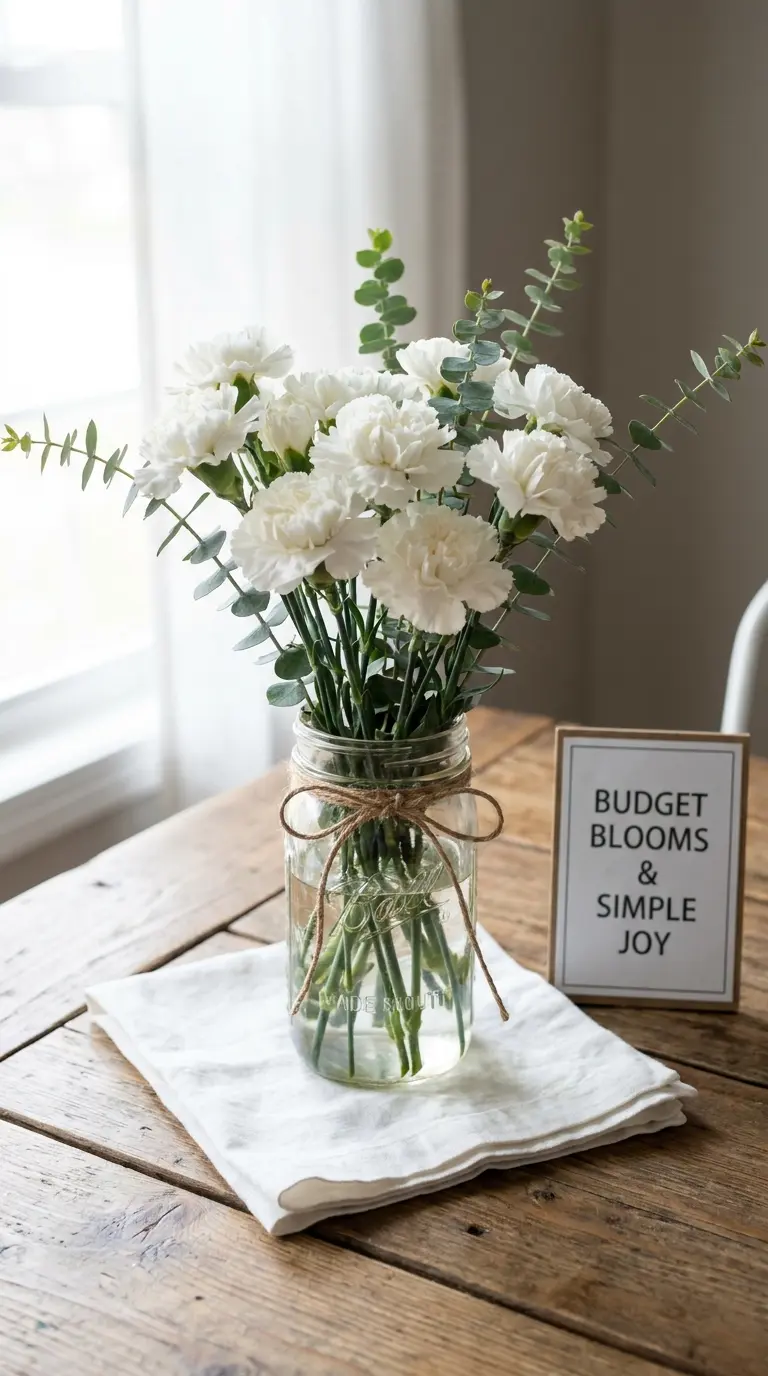
One of the most persistent myths about flower table decorations is that beautiful results require expensive flowers. This is simply not true. Some of the most beautiful flower table decorations I have seen were created with supermarket bunches, garden cuttings, and vessels from the kitchen cupboard. The quality of the arrangement, not the price of the flowers, determines how beautiful the result is.
Carnations have had an unfair reputation for decades as a cheap and cheerful substitute for real flowers, but contemporary florists and flower stylists have rehabilitated them completely. Modern carnation varieties, particularly the spray carnations in blush, coral, and deep burgundy, are beautiful flowers in their own right that create lush, full flower table decorations at a fraction of the cost of roses or peonies. Mixed with greenery and displayed in a simple vessel, carnations in contemporary flower table decorations look genuinely lovely.
Growing your own cutting flowers is the most sustainable and ultimately the most rewarding approach to regular flower table decorations. A small cutting garden with zinnias, sweet peas, cosmos, dahlias, and sunflowers produces an abundance of fresh flowers through the summer months that can create beautiful flower table decorations every week for the cost of seed packets and soil. The intimate connection between growing something and arranging it on your table adds a dimension of meaning that purchased flowers simply cannot provide.
Grocery Store Flowers Made Beautiful
The key to making grocery store flowers into beautiful flower table decorations is the same as the key to making any flowers beautiful: preparation, the right vessel, and thoughtful arrangement. Strip all the leaves from the lower portion of each stem before placing them in water. Cut each stem at a sharp angle with a clean knife rather than scissors. Use a clean vessel with fresh water. These three simple preparation steps make grocery store flowers last significantly longer and look significantly better in any flower table decoration.
Mixing grocery store flowers with foliage and greenery from the garden or from a separate bunch of eucalyptus or ruscus elevates the flower table decoration substantially. Florists know that greenery is as important as flowers in creating beautiful arrangements. A bunch of garden roses from the supermarket transformed by the addition of trailing ivy, garden herbs, or eucalyptus sprigs becomes something that looks florist-crafted rather than supermarket-bought. The foliage adds depth, movement, and a natural quality that transforms the character of the whole arrangement.
Also Read : 27 Brilliant Living Room Lamp Ideas That Instantly Make Your Space Feel Warm and Stylish
Color Theory for Flower Table Decorations
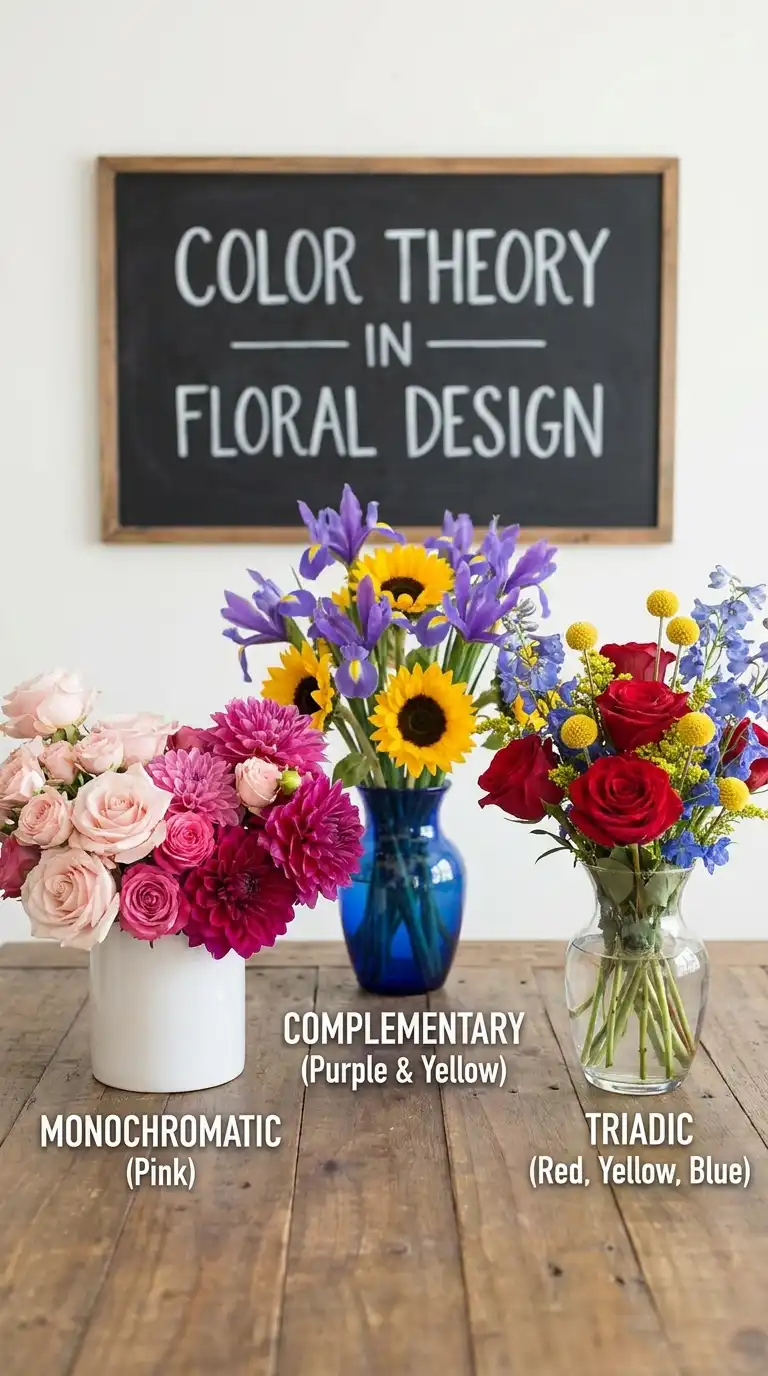
Understanding basic color theory transforms the quality of flower table decorations because it gives you a framework for making color decisions that feel confident and intentional rather than random. You do not need to be a professional florist to benefit from understanding how colors work together in floral arrangements, and even a basic grasp of the principles makes an immediate and noticeable difference.
The most reliable approach to flower table decoration color is the monochromatic palette, which uses variations of a single color across a range from light to dark. An arrangement using the palest blush roses alongside deep magenta sweet peas and mid-toned pink dahlias creates a flower table decoration with enormous depth and visual richness while feeling completely cohesive. The eye moves through the tonal range and finds it satisfying in the same way it finds a well-designed interior satisfying.
Complementary color palettes, which pair colors from opposite sides of the color wheel, create flower table decorations with high visual energy and contrast. Purple and yellow is perhaps the most classic complementary pairing in flower table decorations, using lavender, purple irises, or lilac sweet peas alongside yellow ranunculus, yellow tulips, or golden sunflowers. The contrast is striking without being jarring because both colors have a similar natural quality.
Neutral and White Flower Table Decorations
White and neutral flower table decorations deserve their own category because they operate by different principles from colored arrangements. The visual interest in a white arrangement comes entirely from form, texture, and the subtle tonal variations between different white flowers. A white peony and a white anemone are both white, but they are so different in form and texture that together they create considerable visual richness within a single tonal range.
The most elegant neutral flower table decorations often use white and cream flowers combined with abundant greenery and natural texture from seed heads, berries, and botanicals that are technically not flowers at all. White anemones with their dramatic dark centers, cream hellebores with their downturned faces, white sweet peas, and trailing hops or eucalyptus together create a flower table decoration of great sophistication that works beautifully across a wide range of table settings and occasions.
Arranging Flower Table Decorations: Techniques That Make a Difference
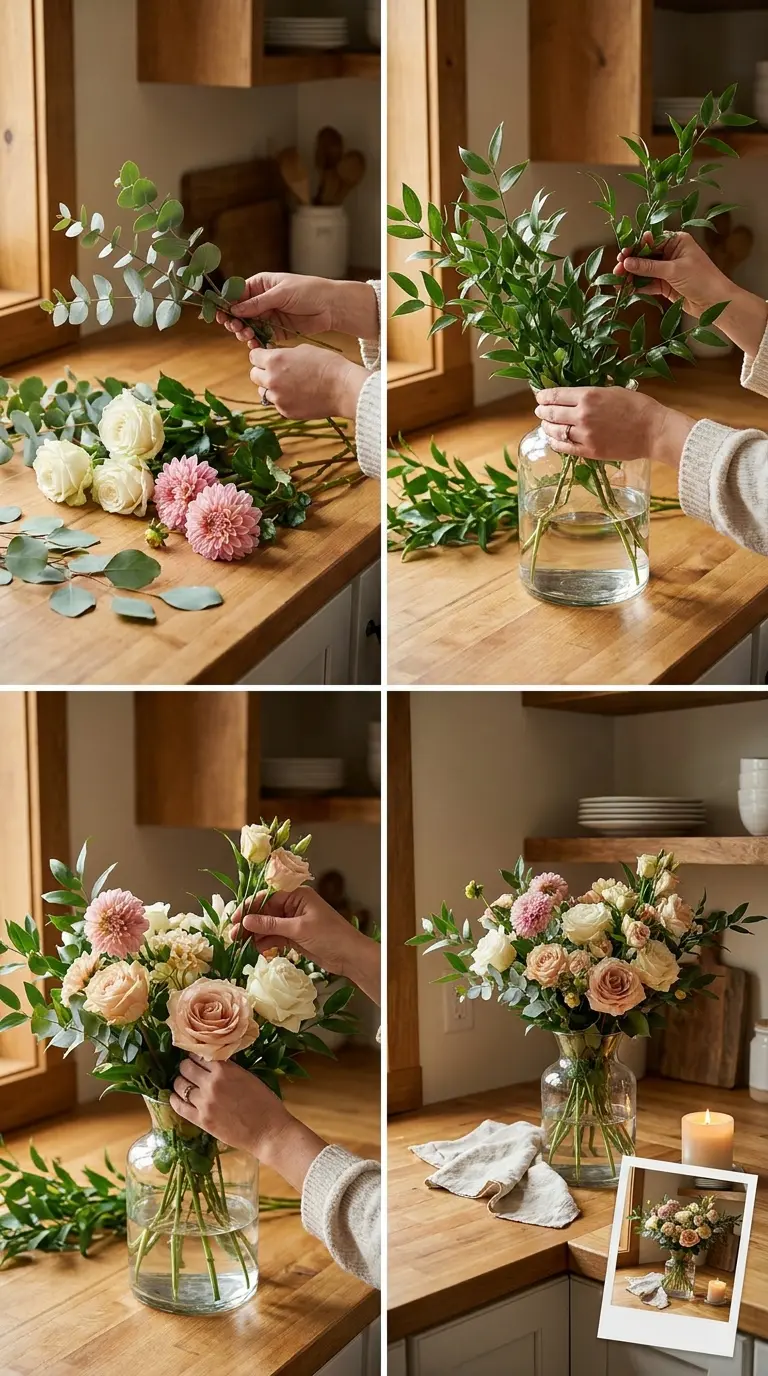
The difference between flower table decorations that look professionally arranged and ones that look like a bunch of flowers dropped into water is almost entirely about technique rather than the quality of the flowers themselves. A few simple arranging principles, applied consistently, produce arrangements that genuinely look considered and beautiful.
Start with greenery to build the structure of the arrangement before adding any flowers. This is the single most transformative technique in flower table decorations and it is the one that most home arrangers skip. A framework of eucalyptus, ruscus, ivy, or even garden herbs placed in the vessel first creates a natural grid that holds the flower stems in position and distributes them evenly. Without this structure, flower stems tend to fall to the sides of the vessel and cluster together rather than distributing evenly across the arrangement.
Work in odd numbers when creating flower table decorations. Three stems, five stems, seven stems. The odd number creates a visual dynamic that even numbers lack, because the eye cannot simply bisect an odd-numbered arrangement and find two equal halves. The resulting visual tension, which sounds negative but is actually aesthetically pleasing, is what distinguishes flower table decorations that feel alive from those that feel static.
The Importance of Different Heights in Flower Table Decorations
Creating variety in the heights of flowers within a single flower table decoration arrangement is what gives it depth and dimension. If every stem is cut to the same length, the arrangement reads as flat and uniform even if the flowers themselves are beautiful. Cutting some stems shorter so the blooms sit down in the arrangement while others extend higher creates a landscape within the vase that is far more interesting and natural-looking.
The general principle for flower table decorations is that the arrangement should be roughly one and a half times the height of the vessel for a low arrangement and up to two times the height for a more formal upright arrangement. Within those proportions, varying the individual stem heights creates the naturalistic quality that makes contemporary flower table decorations look like they have been gathered from a garden rather than constructed by formula.
Also Read : Stunning Garden Curbing Ideas That Actually Work
Sustainable and Long-Lasting Flower Table Decorations
The conversation around sustainable flower table decorations has shifted significantly in recent years as awareness of the environmental footprint of the cut flower industry has grown. Most commercially sold cut flowers in Western countries are flown in from growing regions around the world, which creates a significant carbon footprint before the flowers even reach the florist. This reality has inspired a growing interest in more sustainable approaches to flower table decorations.
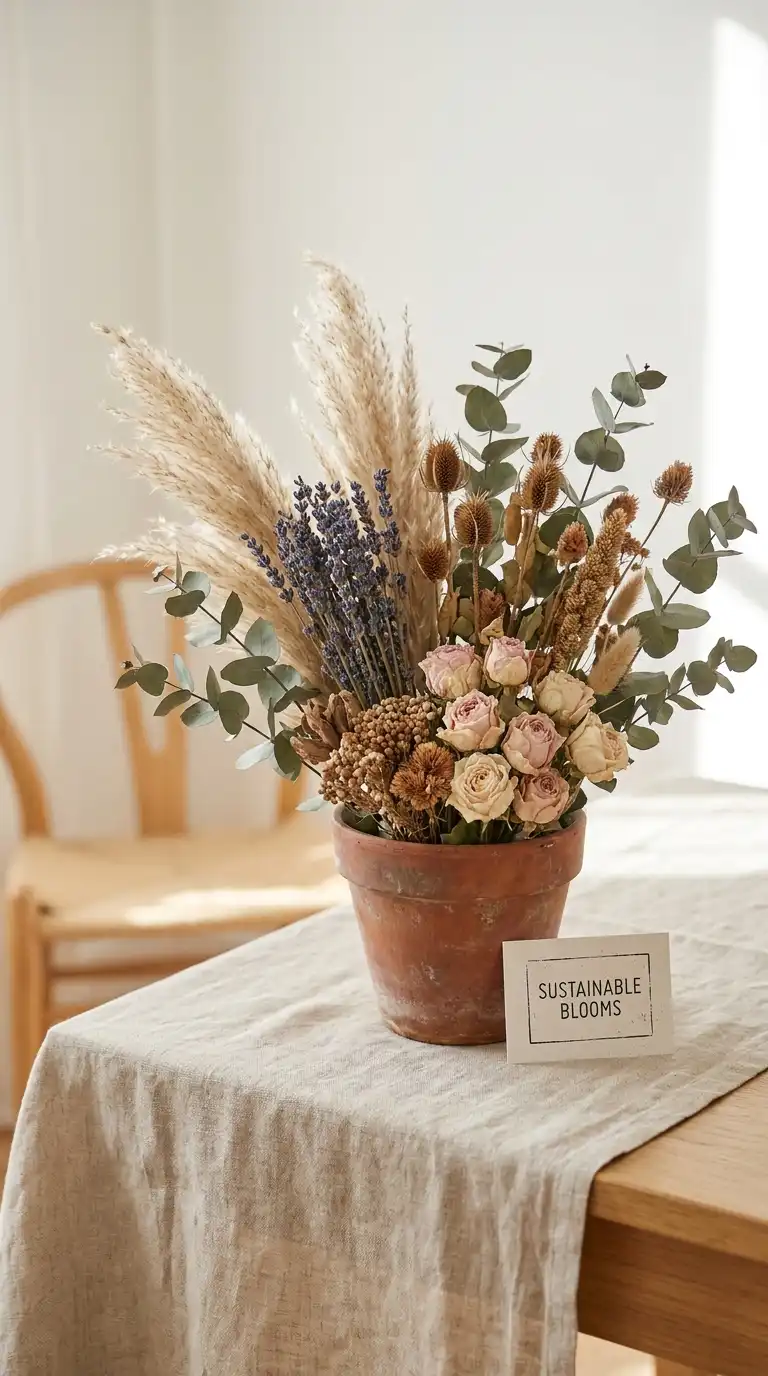
Dried and preserved flowers represent one of the most sustainable approaches to permanent flower table decorations because they last for months or even years without water, transportation, or replacement. The aesthetic of dried flower table decorations has shifted completely from the dusty, faded arrangements of previous decades to something genuinely beautiful and contemporary. Dried pampas grass, dried cotton, preserved eucalyptus, dried rose heads, and dried seed heads in natural colors create flower table decorations of real warmth and character that suit many home aesthetics perfectly.
Potted plants as flower table decorations are another sustainable alternative to cut flowers. A cluster of small potted herbs, a collection of flowering bulb plants, or a single beautiful orchid in a decorative pot creates a living flower table decoration that lasts for weeks or months rather than days. After the table occasion, the plants continue to grow and can be kept as houseplants, moved outdoors, or given as gifts.
Extending the Life of Cut Flower Table Decorations
Extending the life of fresh cut flower table decorations is both economical and sustainable, and several simple practices make a significant difference. Always cut flower stems under running water or submerged in water to prevent air bubbles from blocking the stem. Use clean vessels with fresh water changed every two days. Remove any leaves that fall below the waterline immediately since they decompose quickly and create bacteria that shortens the life of all the flowers. Keep flower table decorations away from direct sunlight, heating vents, and fruit bowls since the ethylene gas released by ripening fruit accelerates flower aging dramatically.
Flower food sachets that come with commercial cut flowers are worth using because they contain a combination of sugar for energy, acidifier to improve water absorption, and biocide to reduce bacteria. Homemade alternatives, a teaspoon of sugar, a few drops of bleach, and a splash of lemon juice in a vase of water, achieve a similar effect. These simple steps can extend the life of flower table decorations by several days, which matters both economically and aesthetically.
Flower Table Decorations for Every Style of Home and Table
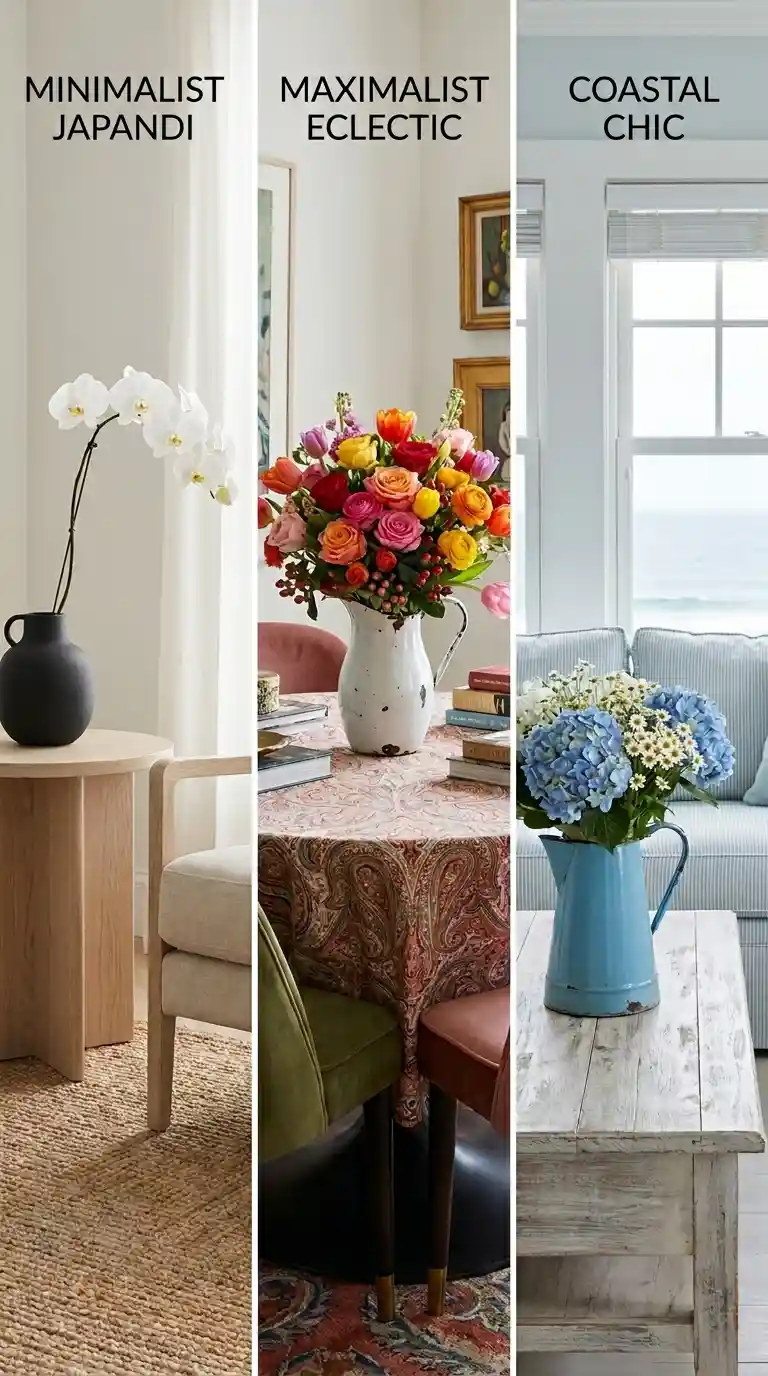
The style of flower table decorations that works best in any given home is the one that feels consistent with the broader aesthetic of the space. A minimalist, Japandi-inspired interior calls for flower table decorations with architectural restraint, a single perfect stem in a dark ceramic vase, or a spare arrangement of three stems with no additional foliage. A maximalist, eclectic interior can support and celebrate abundant, overflowing flower table decorations with multiple varieties, bold colors, and lush trailing greenery.
Contemporary and modern interior styles typically suit flower table decorations that use sculptural forms and restrained color. Single-variety arrangements in which the form of the flower itself creates the visual interest, a cluster of identical ranunculus in a single tone, a mass of globe-shaped alliums, or a grouping of calla lilies, suit modern aesthetics because they share the commitment to simplicity and quality over complexity and abundance.
Rustic, farmhouse, and country interiors suit flower table decorations that feel gathered rather than arranged. Loose bundles of wildflowers in mismatched jugs, garden flowers that include their foliage and a few imperfect elements alongside the blooms, and vessels that have their own history and character all create flower table decorations that feel genuinely at home in a rustic or farmhouse setting. The imperfection is intentional and beautiful.
Flower Table Decorations for Outdoor Dining
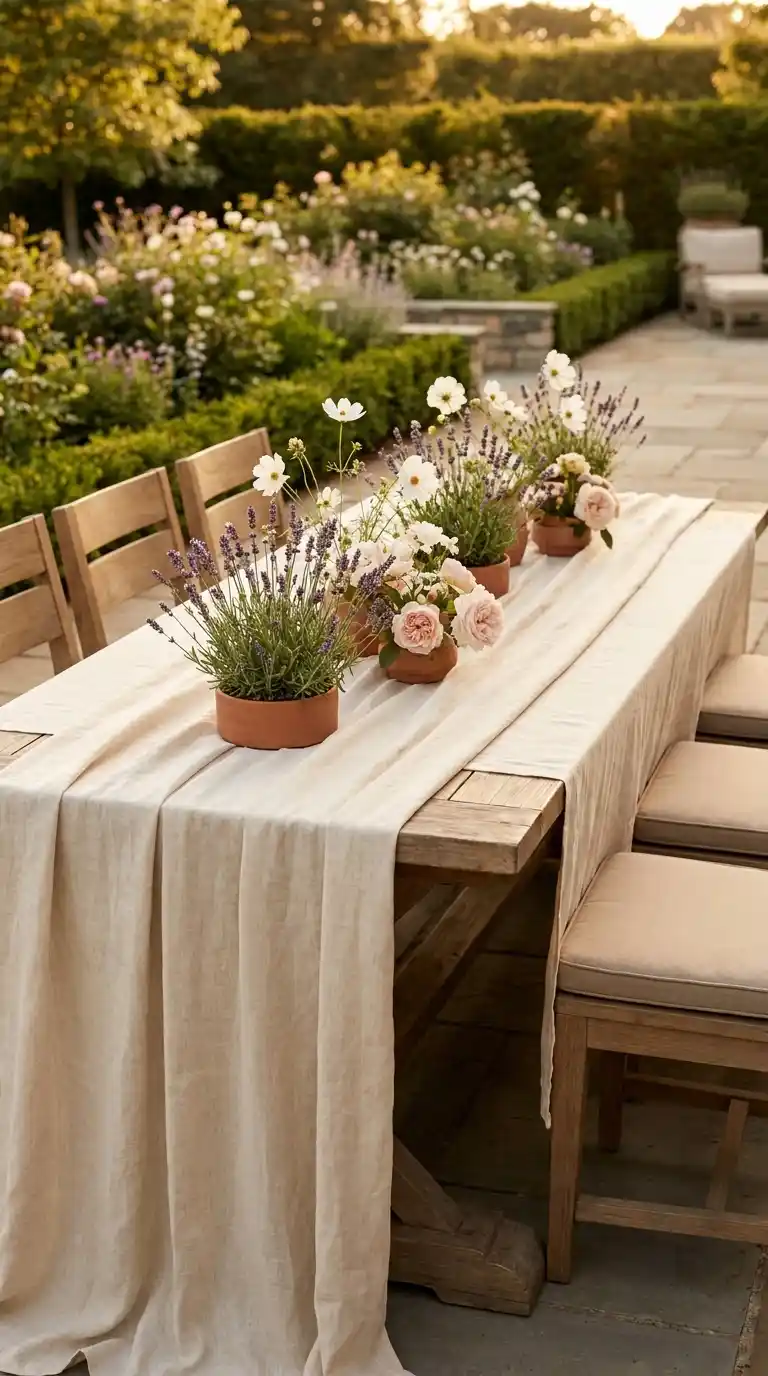
Outdoor flower table decorations face practical challenges that indoor arrangements do not, specifically wind, heat, and the fact that natural light at different times of day changes the color of flowers in ways that indoor lighting does not. Wind is the primary practical concern, and the solution for outdoor flower table decorations is using lower, wider arrangements that are less vulnerable to toppling and using heavier vessels that stay put in a breeze.
For casual outdoor dining, wildflower and herb bunches in weighted vessels create flower table decorations that feel completely appropriate to the outdoor setting. Lavender, rosemary in flower, chamomile, and various wildflowers combined with a few garden roses create outdoor flower table decorations that smell extraordinary and look as natural in an outdoor setting as they do beautiful. The fragrance is a particular asset outdoors where it can drift across the entire dining area rather than being concentrated around a single vase.
Quick and Easy Flower Table Decorations for Last-Minute Occasions
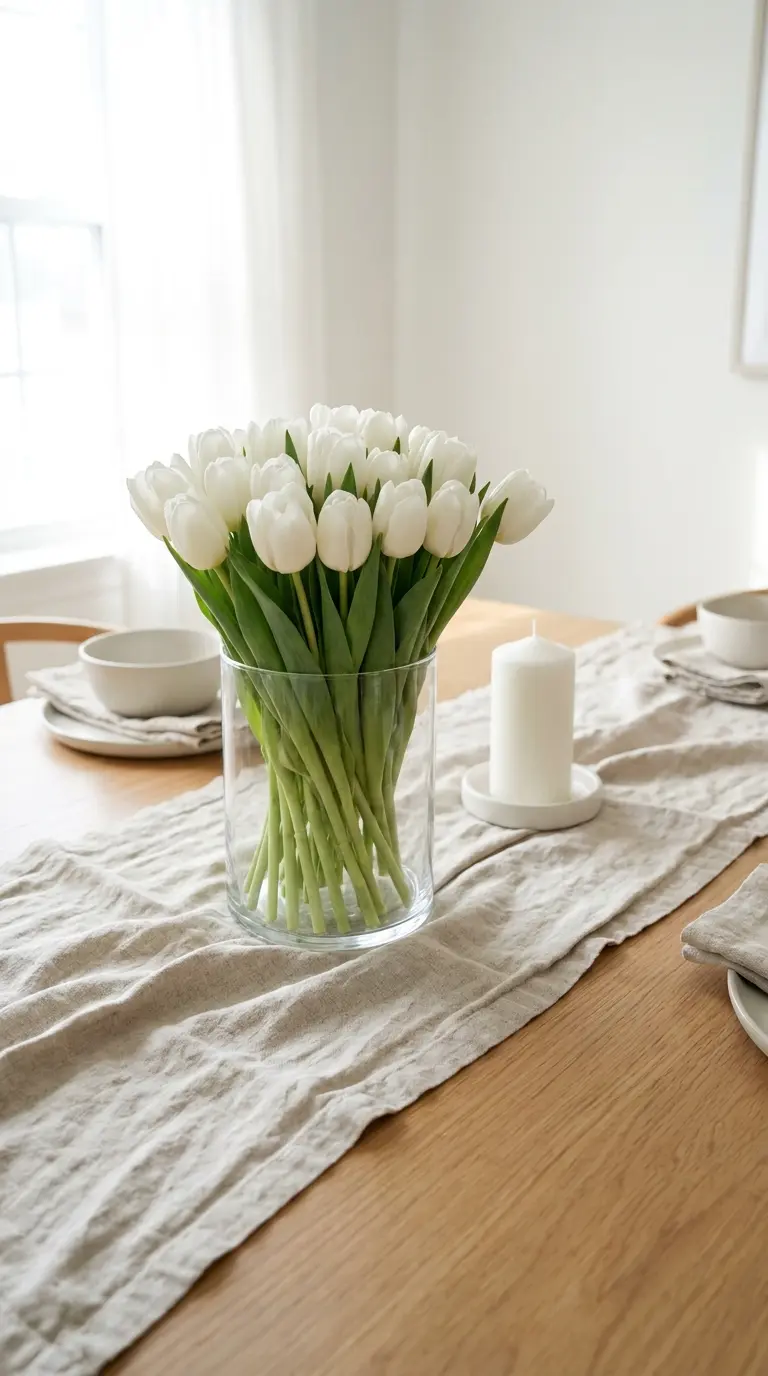
Not every flower table decoration opportunity comes with advance notice or planning time. Sometimes guests arrive unexpectedly. Sometimes you forget that you were hosting dinner tonight. Sometimes the flowers you planned to use are not looking their best on the day and you need a backup plan. Quick and easy flower table decoration approaches that deliver beautiful results in twenty minutes or less are genuinely useful things to know.
The single most reliable quick flower table decoration is the single-variety bunch. Buy the largest bunch of a single flower available, whatever is freshest and most available, whether that is carnations, tulips, sunflowers, or chrysanthemums. Cut all the stems to the same length, strip the lower leaves, and place them all together in a single vessel. The massed effect of identical flowers in a single type creates an arrangement that looks intentional and considered despite requiring essentially no arranging skill. This approach works with almost any flower and almost any vessel.
Garden cuttings in a collection of small vessels is another fast flower table decoration approach for those who have a garden or access to outdoor space. A handful of whatever is blooming, even including interesting foliage, seed heads, or herbs, divided between three or five small containers of different heights and grouped in the center of the table creates a charming, seasonal flower table decoration in the time it takes to gather the cuttings and fill the vessels with water.
Also Read : Nautical Home Decor: The Ultimate Guide to Bringing Coastal Charm Into Every Room of Your Home
Final Thoughts on Flower Table Decorations
What I keep coming back to, after all the research and all the experimenting with flower table decorations over the years, is how disproportionate the impact of flowers is relative to everything else on a table. You can set a table beautifully with the right linens, the right crockery, the right glasses and cutlery, and it will look lovely. Add fresh flowers and it becomes something that people feel when they walk into the room. That feeling is what flower table decorations are really for.
The principles are simple enough that anyone can apply them regardless of budget or floristry experience. Work with what is in season. Use greenery to build structure before adding flowers. Keep dining table flower table decorations low enough to allow conversation. Vary the heights of stems within an arrangement. Choose vessels that complement the flowers and the setting. These five principles, applied consistently, produce flower table decorations of genuine beauty from whatever flowers you have available.
The only thing I would add is this: do not wait for a special occasion. The best flower table decorations are the ones that happen on an ordinary Tuesday because you walked past a flower stall and something caught your eye. The most beautiful table is not always the one prepared most elaborately for guests. Often it is the one you set for your family on a regular evening because you found a bunch of something wonderful and wanted to bring it home. Flower table decorations are a practice of attention and pleasure, and the more regularly you practice them, the more naturally beautiful they become.
Frequently Asked Questions
1. What flowers are best for table decorations?
The best flowers for flower table decorations depend on the season, the occasion, and the aesthetic you are aiming for. For universally beautiful and widely available options, roses, peonies, ranunculus, and dahlias are consistently reliable choices that work across a wide range of styles and settings. For budget-conscious flower table decorations, carnations, chrysanthemums, and sunflowers deliver excellent visual impact at low cost. The freshest flowers available at the time of decorating, whatever their variety, will always produce better flower table decorations than expensive flowers past their prime.
2. How do you make flower table decorations for a wedding?
Wedding flower table decorations typically begin with identifying the desired height, either low for dining tables where conversation is important or tall for cocktail and entrance tables. Choose a color palette that complements the wedding theme. Select a primary flower that will define the arrangement, usually a lush statement bloom like a peony or garden rose, and supporting flowers and greenery that add texture and movement. For DIY wedding flower table decorations, work with a florist or flower market to source flowers three to four days before the wedding and condition them in water before arranging on the day.
3. How tall should flower table decorations be?
For dining table flower table decorations where guests sit across from each other, the general rule is to keep arrangements either below twelve inches or above twenty-four inches so they do not obstruct sightlines and conversation. Low, lush arrangements under twelve inches create an intimate, garden-style atmosphere that suits most dining occasions. Tall arrangements over twenty-four inches that guests can see under work well for formal occasions and long banquet tables but require confident execution to avoid looking top-heavy.
4. How do I make flower table decorations last longer?
Extending the life of flower table decorations involves several simple practices. Cut stems at a sharp diagonal angle before placing in water. Change the water every two days and re-cut the stems each time. Use clean vessels since bacteria in dirty vases dramatically shortens flower life. Remove leaves that fall below the water line. Keep flower table decorations away from fruit bowls, direct sun, and heating vents. Use flower food sachets or a homemade equivalent of sugar, lemon juice, and a drop of bleach in the water. Starting with the freshest possible flowers is the single most important factor.
5. What do you put in the center of a table for decoration?
The most popular center table decorations are flower table decorations because they bring color, life, fragrance, and beauty to the table simultaneously. Beyond flowers, candles, lanterns, fruit bowls, potted plants, and sculptural objects all serve as table center decorations. The most beautiful table centerpieces often combine elements, a flower table decoration alongside candles and a few meaningful objects creates a richness and layering that a single element alone cannot achieve. The scale of the centerpiece should always be proportionate to the size of the table.
6. What are the cheapest flowers for table decorations?
The most affordable flowers for flower table decorations include carnations, chrysanthemums, alstroemeria, sunflowers, statice, and gypsophila. These flowers are widely grown domestically, require less specialist handling, and are consistently less expensive than imported or specialty flowers. Using these affordable blooms generously, rather than using expensive flowers sparingly, often produces more beautiful flower table decorations than the reverse approach. Seasonal locally grown flowers, whatever variety those are in your area, are typically the most affordable and the freshest option available.
7. How many flowers do I need for a table centerpiece?
The number of flowers needed for flower table decorations depends on the size of the arrangement and the size of the individual blooms. For a small to medium low arrangement using medium-sized flowers like roses or ranunculus, twelve to twenty stems plus greenery creates a full, lush result. For a tall arrangement in a glass cylinder, fewer flowers are needed since the height compensates for number. A helpful approach is to buy slightly more than you think you need since flower table decorations almost always look better when they are slightly more abundant than slightly sparse.
8. Can I use artificial flowers for table decorations?
Artificial flowers have improved dramatically in quality and are genuinely beautiful options for flower table decorations in settings where fresh flowers are impractical, such as outdoor events in very hot weather, allergy-sensitive environments, or permanent display situations. High-quality silk and latex artificial flowers used in well-designed arrangements can create flower table decorations that are indistinguishable from fresh in photographs and highly attractive in person. The key is using genuinely high-quality artificial flowers rather than obviously plastic ones, and arranging them with the same attention to proportion and greenery that fresh flower table decorations require.
9. What greenery should I use in flower table decorations?
Greenery is essential in most flower table decorations because it provides the structural framework, the visual contrast that makes flowers appear brighter and more vivid, and the natural movement that makes an arrangement look gathered rather than constructed. The most widely used greens in flower table decorations include eucalyptus in its many varieties, which is fragrant, beautiful, and long-lasting. Ruscus and Italian ruscus provide structure and longevity. Ivy trails beautifully for loose garden-style arrangements. Ferns add delicate texture. Garden herbs including rosemary, sage, and mint provide fragrance alongside visual interest.
10. How do I style a table with flowers for a dinner party?
Styling a dinner party table with flower table decorations begins with choosing a palette that works with your tablecloth, crockery, and candles. For seated dinners, keep flower table decorations low enough to allow easy conversation across the table. Combine your central flower table decoration with smaller individual bud vases at intervals along the table for a more layered effect. Add candles of varied heights around the flowers for warmth after dark. Scatter a few individual flower heads or petals on the tablecloth for a deliberately relaxed and abundant feeling. The goal is a table that looks considered and beautiful without feeling so formal that guests are afraid to disturb it.