
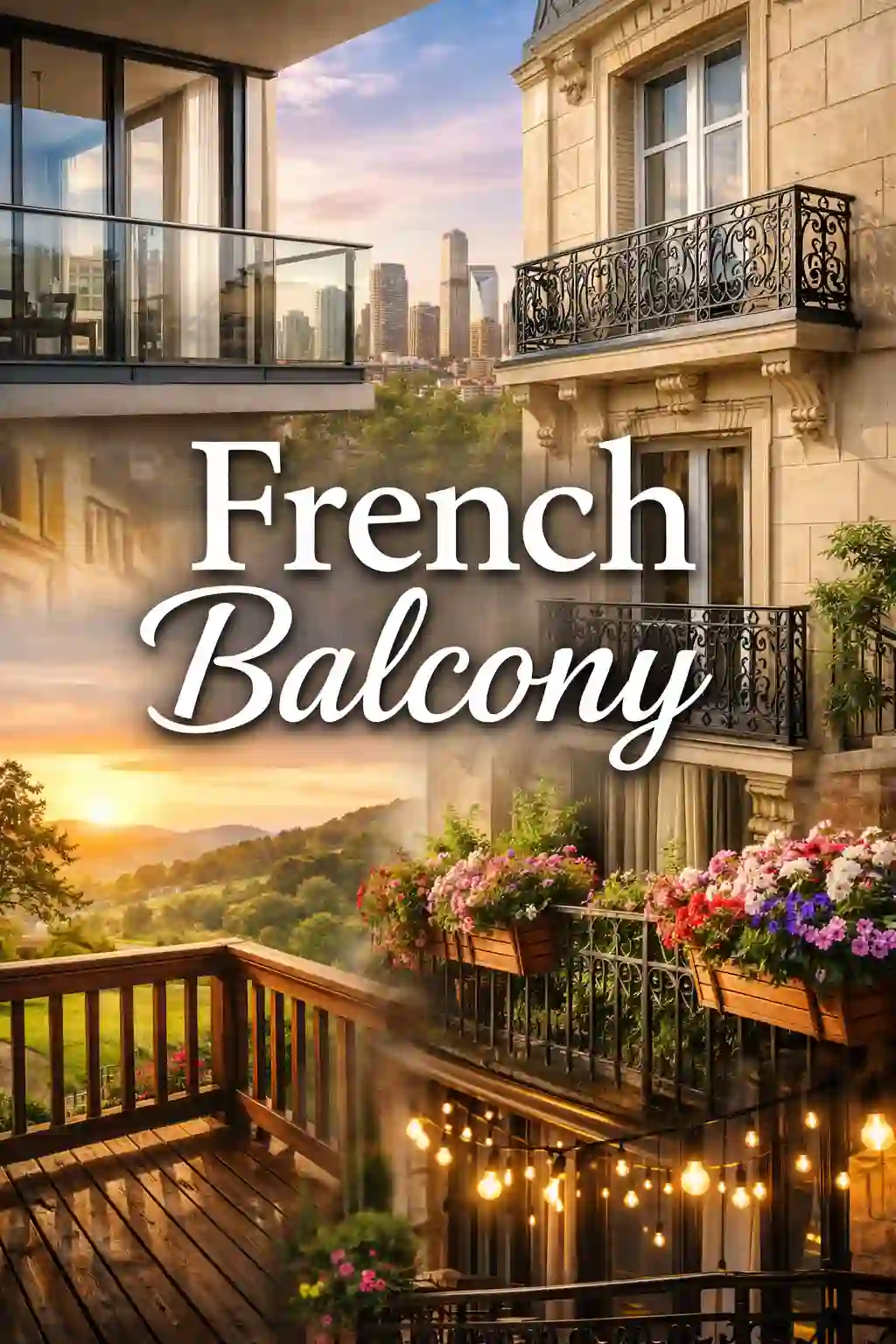
A French balcony is one of the most elegant architectural features used in modern homes and apartments. While it doesn’t extend outward like a traditional balcony, it still creates the feeling of openness, fresh air, and beautiful views.
Instead of having a floor platform, a French balcony usually consists of a railing installed outside full-height windows or doors. When the doors open, the railing provides safety while allowing sunlight and fresh air to enter the room.
Because of their stylish appearance and space-saving design, French balconies are extremely popular in urban apartments, hotels, and modern homes.
In this complete guide you will learn:
- What a French balcony is
- History and origin of French balconies
- French balcony vs regular balcony
- Popular French balcony designs
- Best materials for French balcony railings
- Standard dimensions and building rules
- French balcony cost and installation
- Decorating ideas for French balconies
- Safety and maintenance tips
- Advantages and disadvantages
- Modern design trends
By the end of this guide, you’ll understand everything you need to know before installing a French balcony.
What Is a French Balcony?
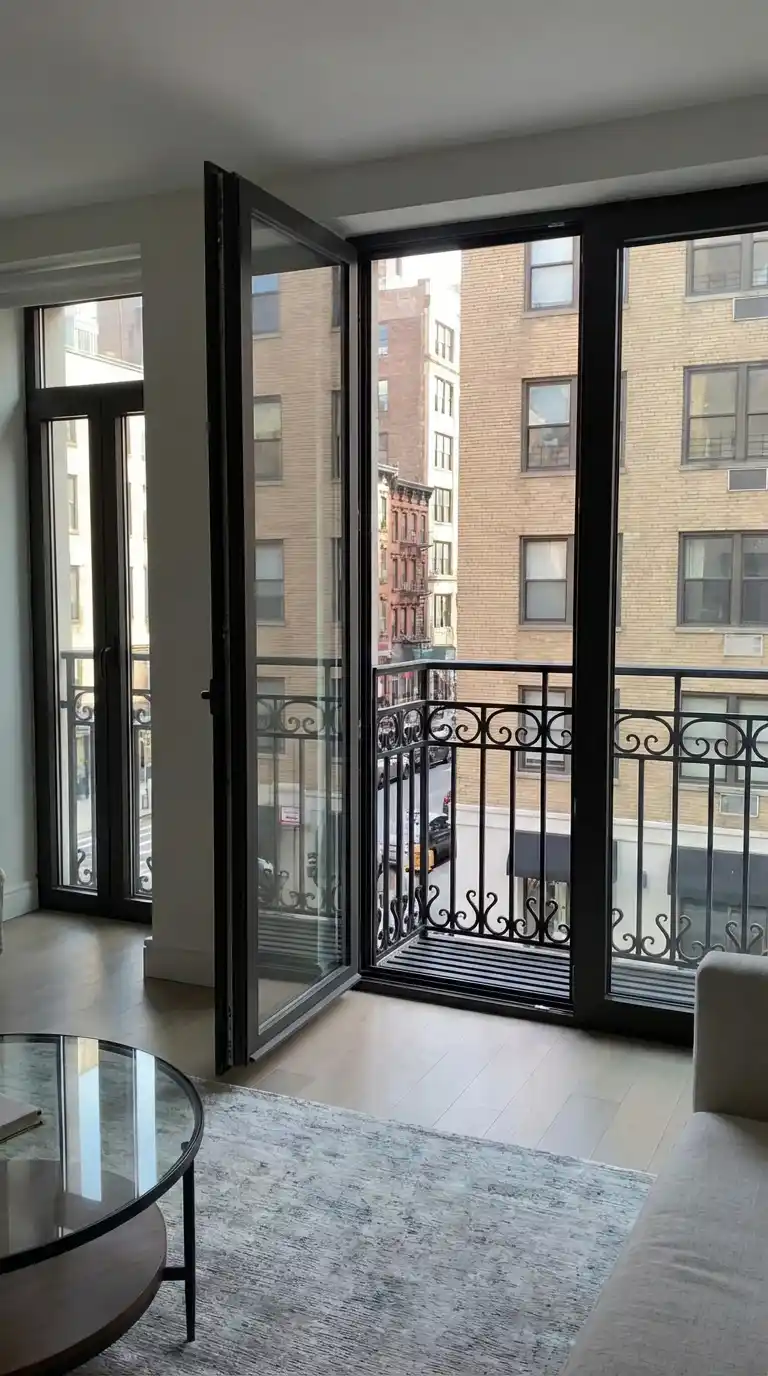
A French balcony (sometimes called a Juliet balcony) is a railing installed outside a large window or glass door that opens inward. Unlike traditional balconies, it does not have a floor platform where people can stand.
Instead, the railing acts as a protective barrier while allowing the doors to open fully.
Key Characteristics
• No outward platform
• Installed outside full-height doors or windows
• Allows fresh air and natural light
• Improves building aesthetics
• Saves space in small buildings
History of the French Balcony
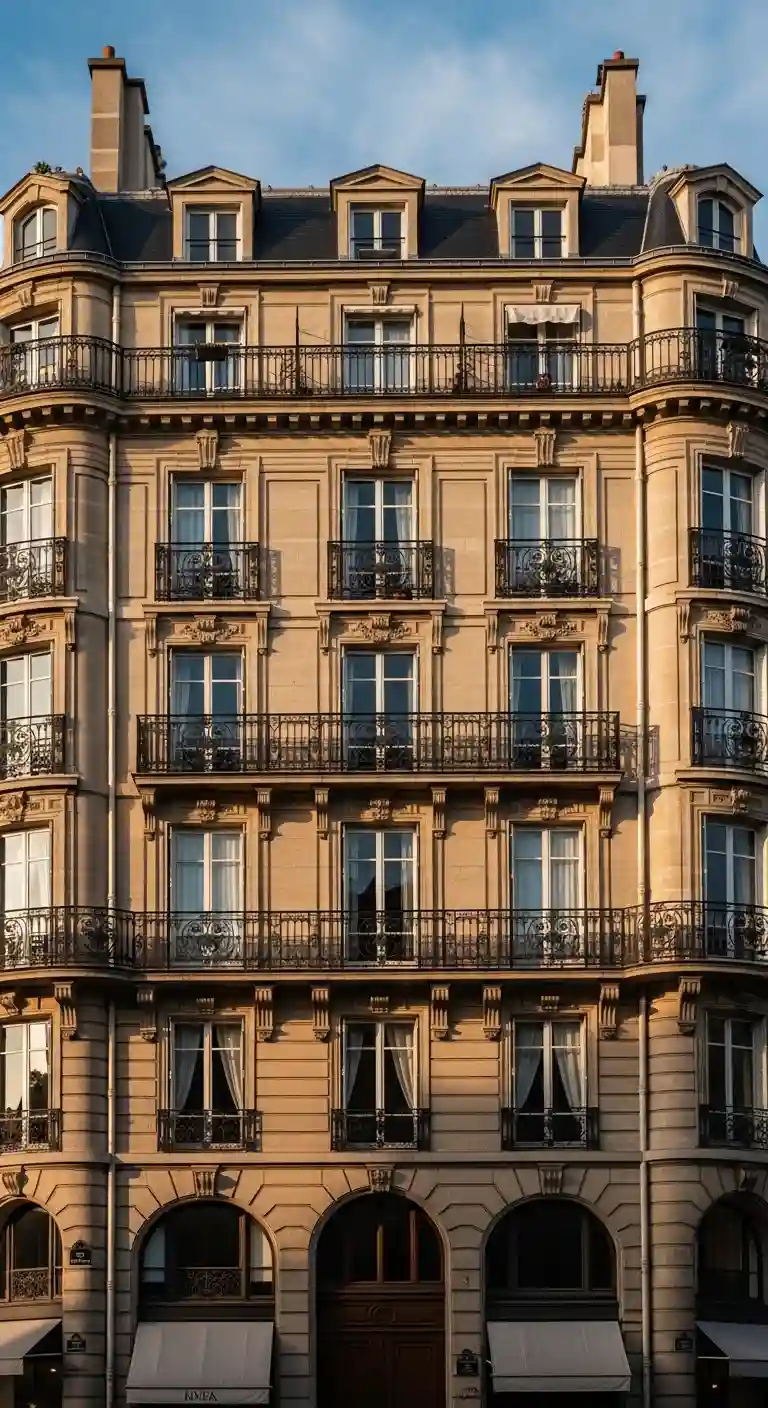
French balconies originated in European architecture during the Renaissance period.
Many historic buildings in cities like Paris, Venice, and Rome included decorative railings outside tall windows. These railings provided safety while allowing windows to open fully.
Over time, the design became associated with elegant French architecture, which is why it is now called a French balcony.
Today, this style is used worldwide in both traditional and modern buildings.
French Balcony vs Regular Balcony
Understanding the difference between a French balcony and a traditional balcony is important when planning a building design.
| Feature | French Balcony | Traditional Balcony |
|---|---|---|
| Platform | No | Yes |
| Space required | Minimal | Large |
| Purpose | Ventilation & design | Outdoor space |
| Cost | Lower | Higher |
| Installation | Simple | Complex |
A French balcony works best when you want the appearance of a balcony without structural extension.
Standard French Balcony Dimensions
Before installing a French balcony, it is important to understand common size standards.
| Element | Typical Size |
|---|---|
| Railing height | 42 inches (106 cm) |
| Door height | 80–96 inches |
| Door width | 36–72 inches |
| Gap between bars | Less than 4 inches |
These dimensions help ensure safety and compliance with building codes.
Popular French Balcony Designs
French balconies can be designed in many different styles depending on the architecture of the building.
Wrought Iron French Balcony
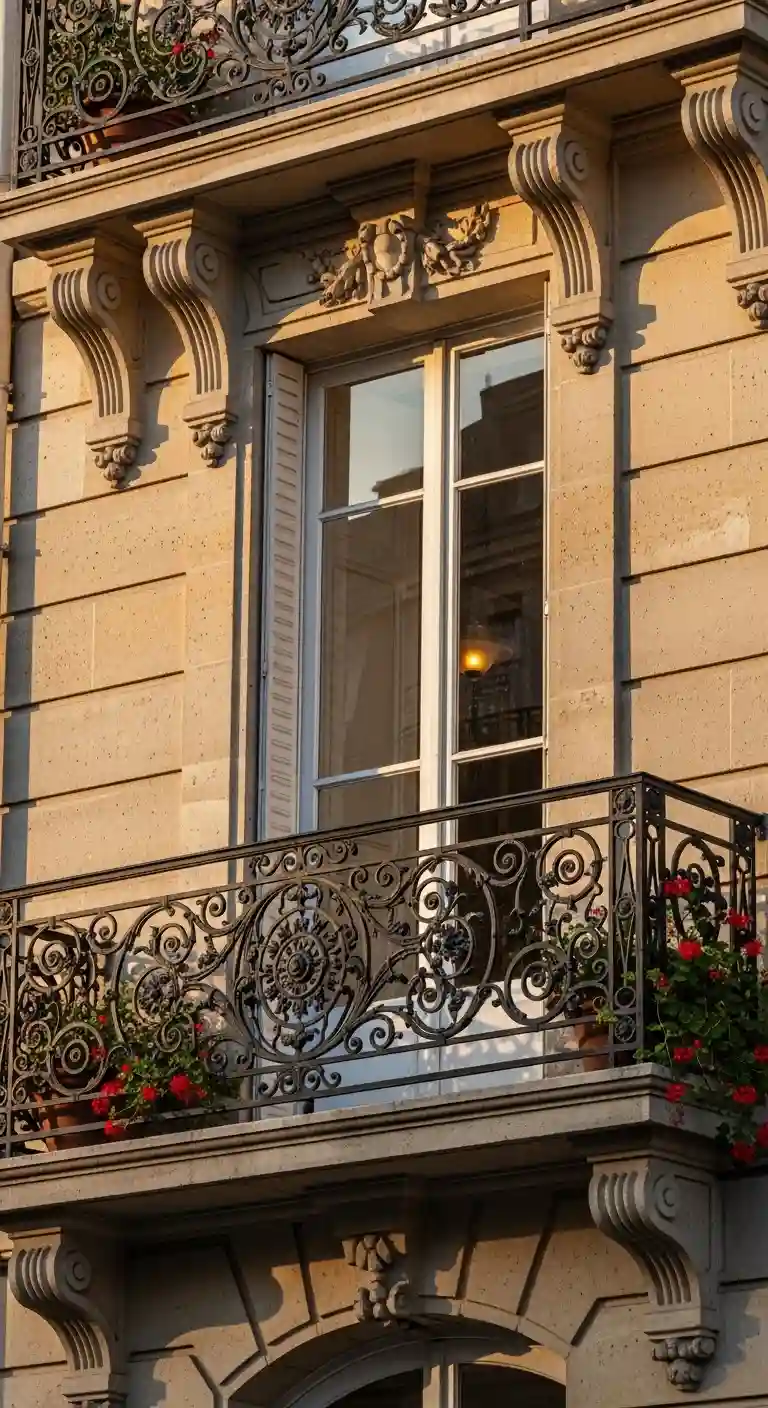
Wrought iron railings are the most traditional option.
Benefits:
• Elegant decorative patterns
• Extremely durable
• Classic European style
Glass French Balcony
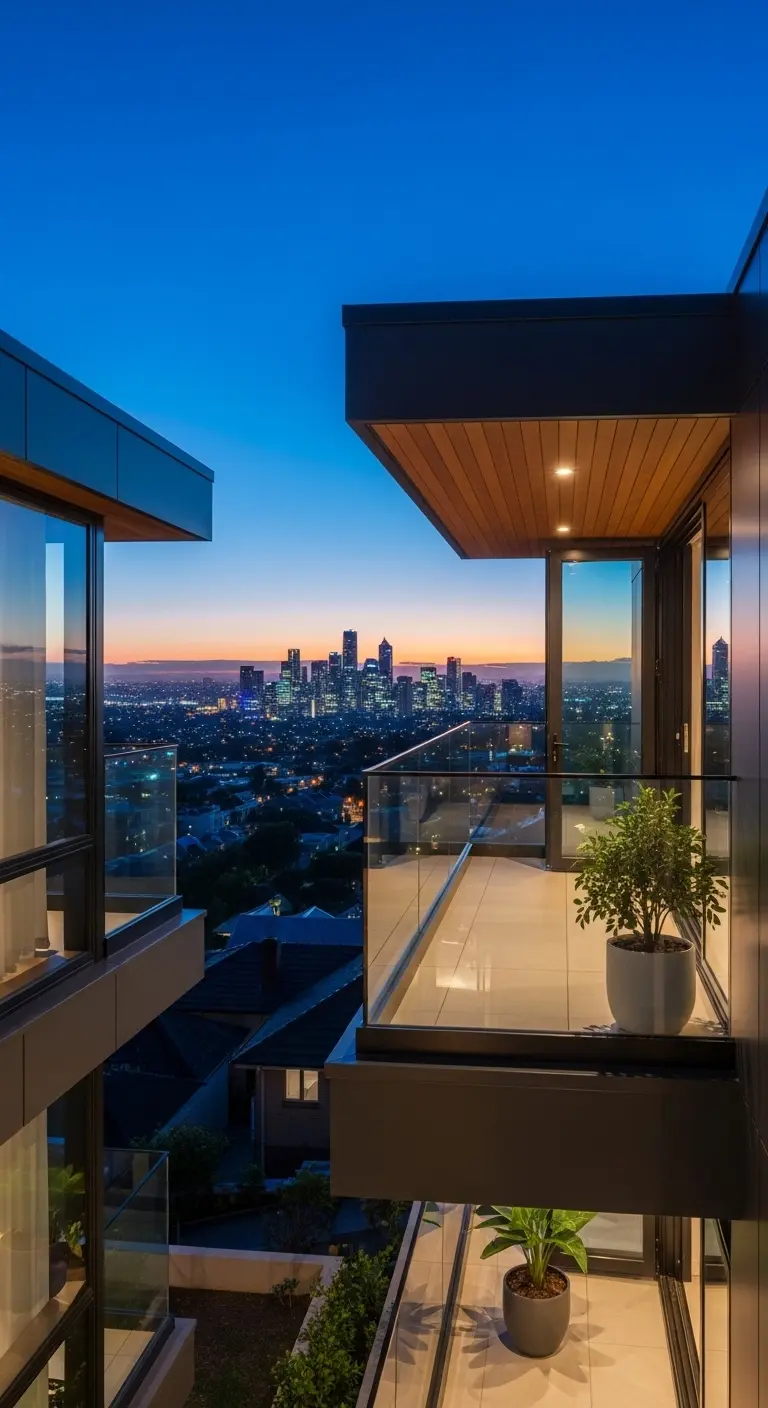
Glass railings are popular in modern architecture.
Advantages:
• Clear unobstructed view
• Modern minimalist design
• Allows maximum sunlight
Stainless Steel French Balcony
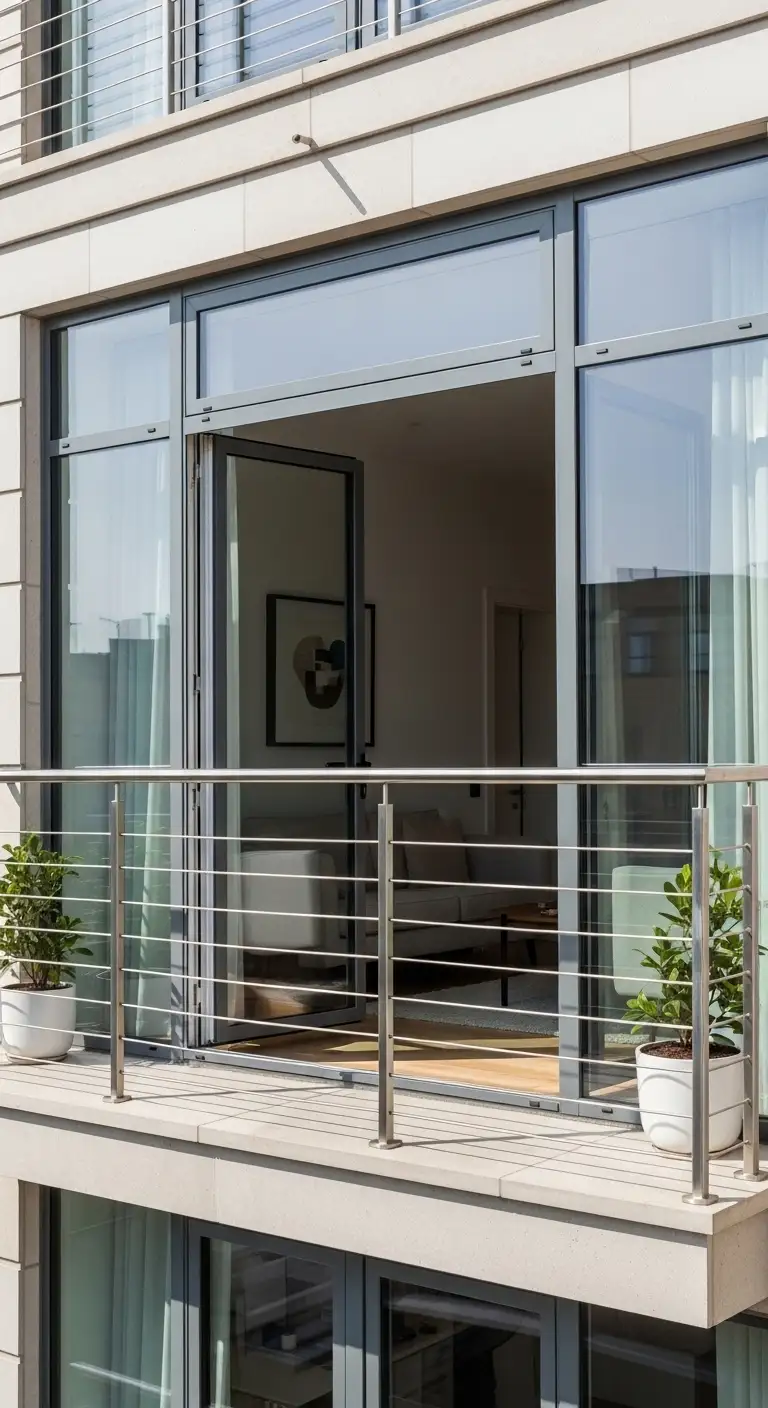
Stainless steel railings offer durability and a modern appearance.
Benefits:
• Weather resistant
• Low maintenance
• Contemporary style
Wooden French Balcony
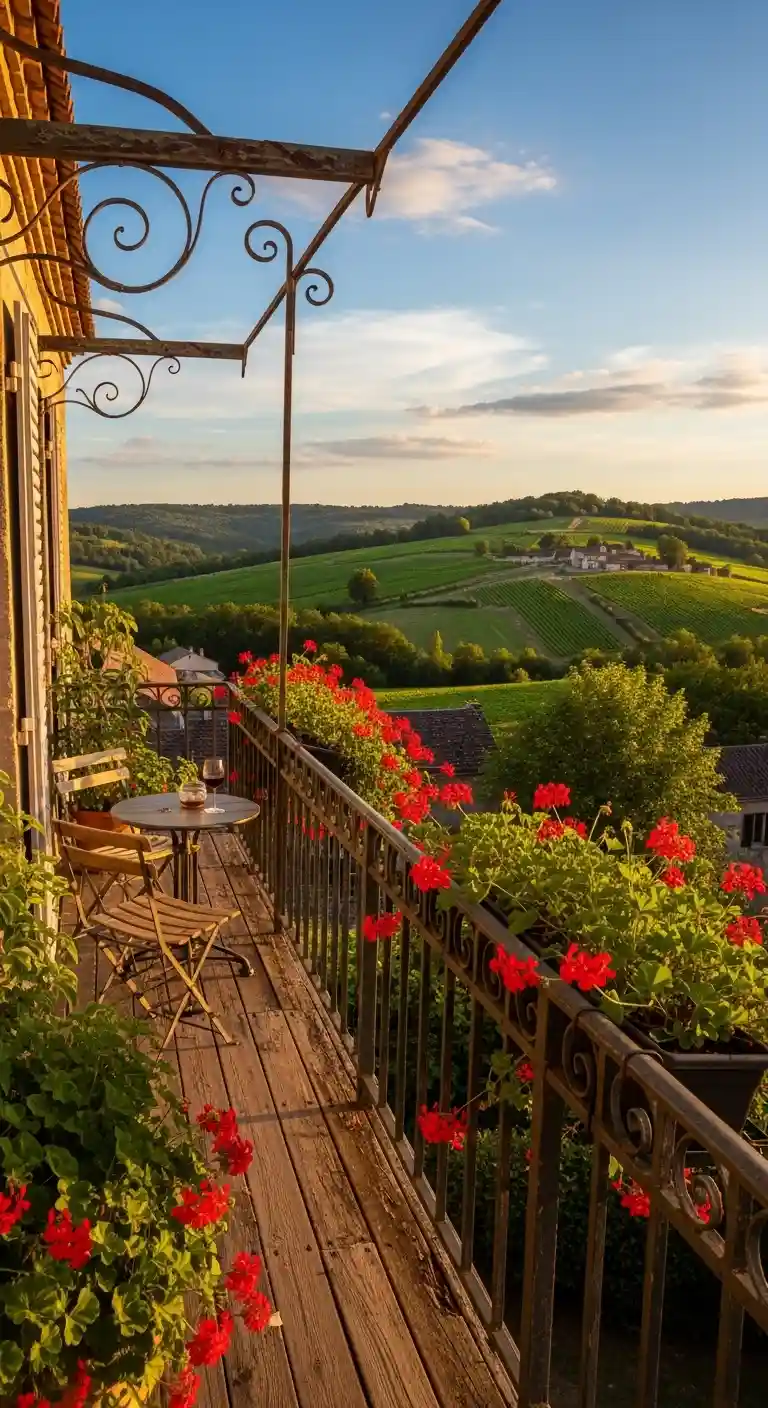
Wood creates a warm and natural look.
Best suited for:
• countryside homes
• mountain cabins
• rustic architecture
French Balcony Railing Materials Comparison
Choosing the right railing material is very important.
| Material | Durability | Maintenance | Style |
|---|---|---|---|
| Wrought Iron | Very high | Medium | Classic |
| Aluminum | High | Low | Modern |
| Stainless Steel | Very high | Low | Contemporary |
| Glass | Medium | Medium | Minimalist |
Each material offers a different balance of strength, design, and maintenance.
French Balcony Installation Process
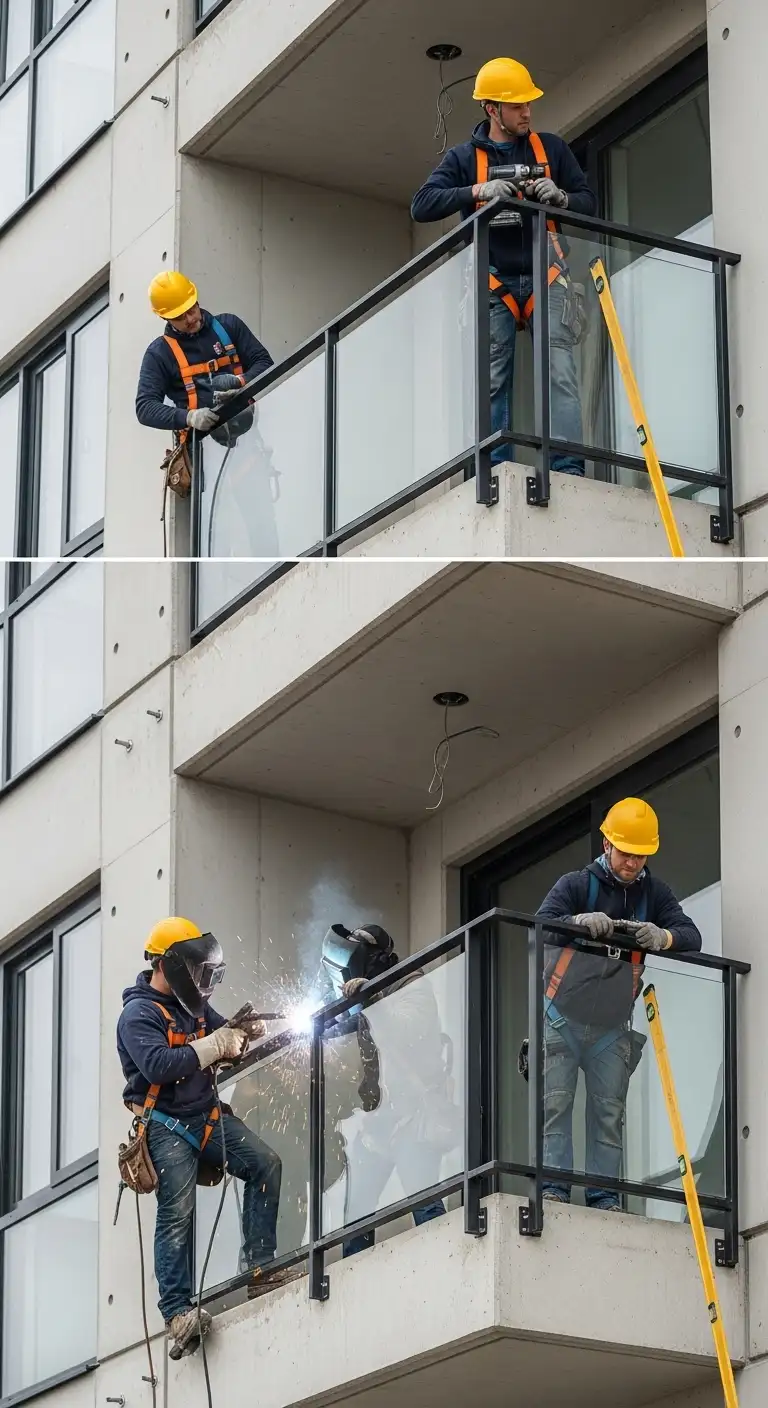
Installing a French balcony requires proper planning and structural support.
Step 1: Measure the Door or Window Opening
The railing must match the width of the opening.
Step 2: Install Structural Anchors
Heavy-duty anchors are fixed into the wall.
Step 3: Attach Mounting Brackets
Brackets hold the railing securely.
Step 4: Install the Railing
The railing frame is attached to the brackets.
Step 5: Safety Inspection
Check all bolts and connections for stability.
French Balcony Cost
The cost of installing a French balcony depends on material, size, and customization.
| Type | Average Cost |
|---|---|
| Metal railing | $600 – $1500 |
| Glass railing | $1200 – $3000 |
| Custom designer railing | $2000+ |
Additional costs may include installation, permits, and door replacement.
Compared to traditional balconies, a French balcony is significantly cheaper.
French Balcony Decorating Ideas
Even though it doesn’t have floor space, a French balcony can still be beautifully decorated.
Flower Boxes
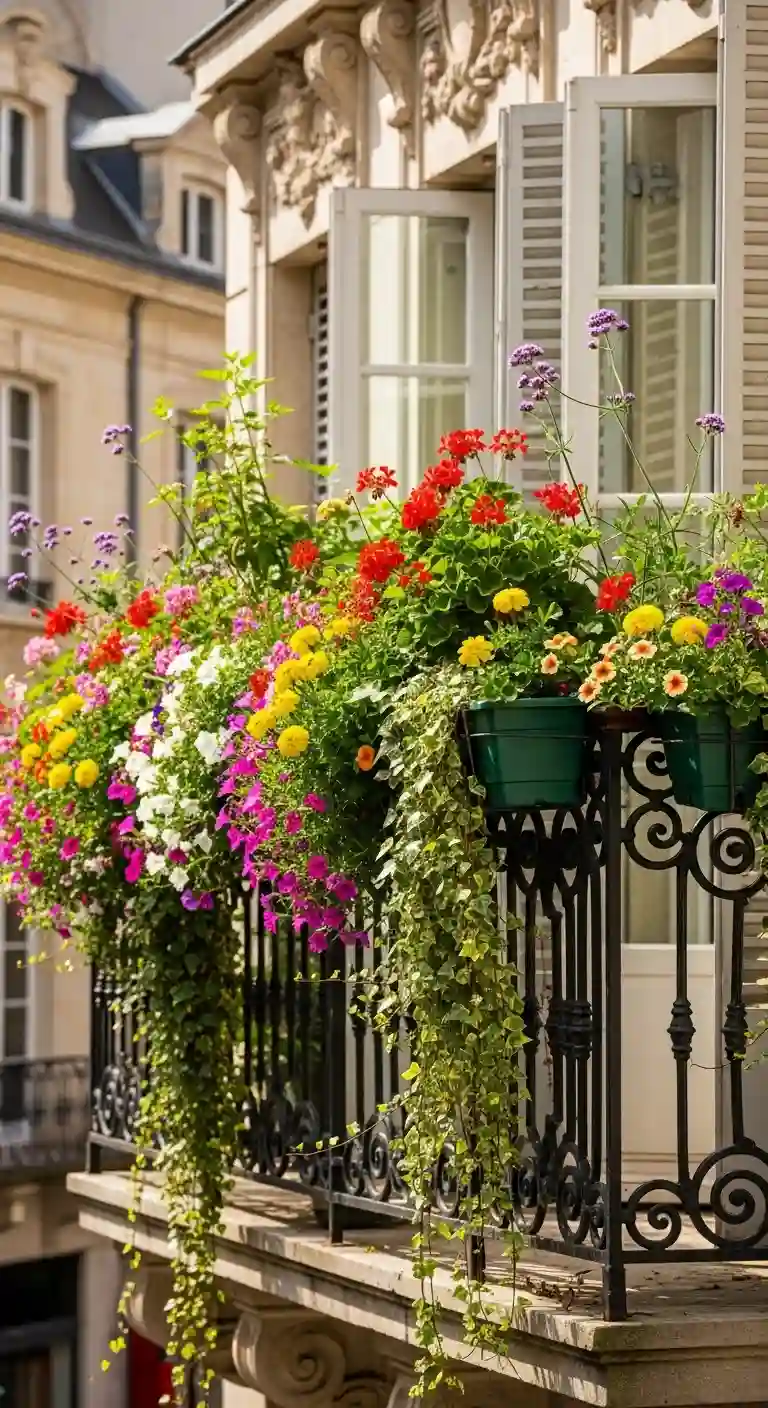
Attaching flower boxes to the railing creates a charming European look.
Popular flowers include:
• petunias
• geraniums
• lavender
• ivy
Hanging Plants
Hanging planters add greenery without taking space.
Good options include trailing plants such as ivy or pothos.
Fairy Lights
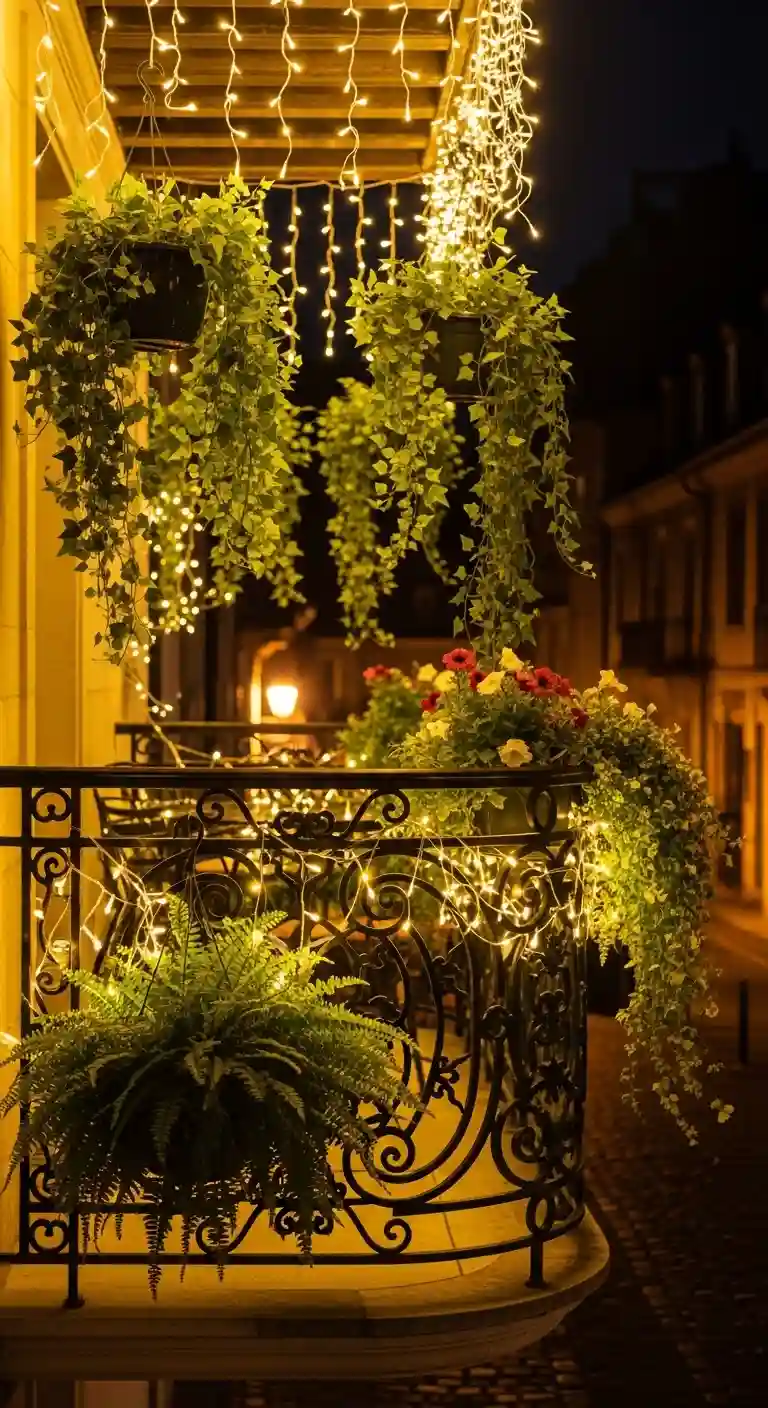
Small LED string lights create a magical atmosphere at night.
French Balcony for Small Apartments
One of the biggest advantages of a French balcony is that it works perfectly in small homes.
In compact apartments:
• it allows more sunlight
• improves air circulation
• creates the illusion of a larger room
This is why many modern urban apartments include French balconies.
Advantages of French Balconies
French balconies offer many benefits.
• Affordable compared to traditional balconies
• Improve natural lighting
• Increase airflow
• Add architectural elegance
• Perfect for small spaces
Disadvantages of French Balconies
Despite their beauty, French balconies also have limitations.
• No outdoor seating space
• Mostly decorative
• Cannot place furniture
• Limited functionality
However, they still provide great aesthetic value.
French Balcony Safety Rules
Safety is extremely important.
Important guidelines include:
• minimum railing height around 42 inches
• strong wall anchors
• no wide gaps between bars
• durable materials
Always follow local building regulations.
French Balcony Maintenance Tips
Maintaining a French balcony ensures long-term durability.
Recommended steps:
• clean glass panels regularly
• repaint metal railings when needed
• check bolts and brackets
• remove rust from steel components
Proper maintenance keeps the balcony safe and attractive.
Modern French Balcony Design Trends
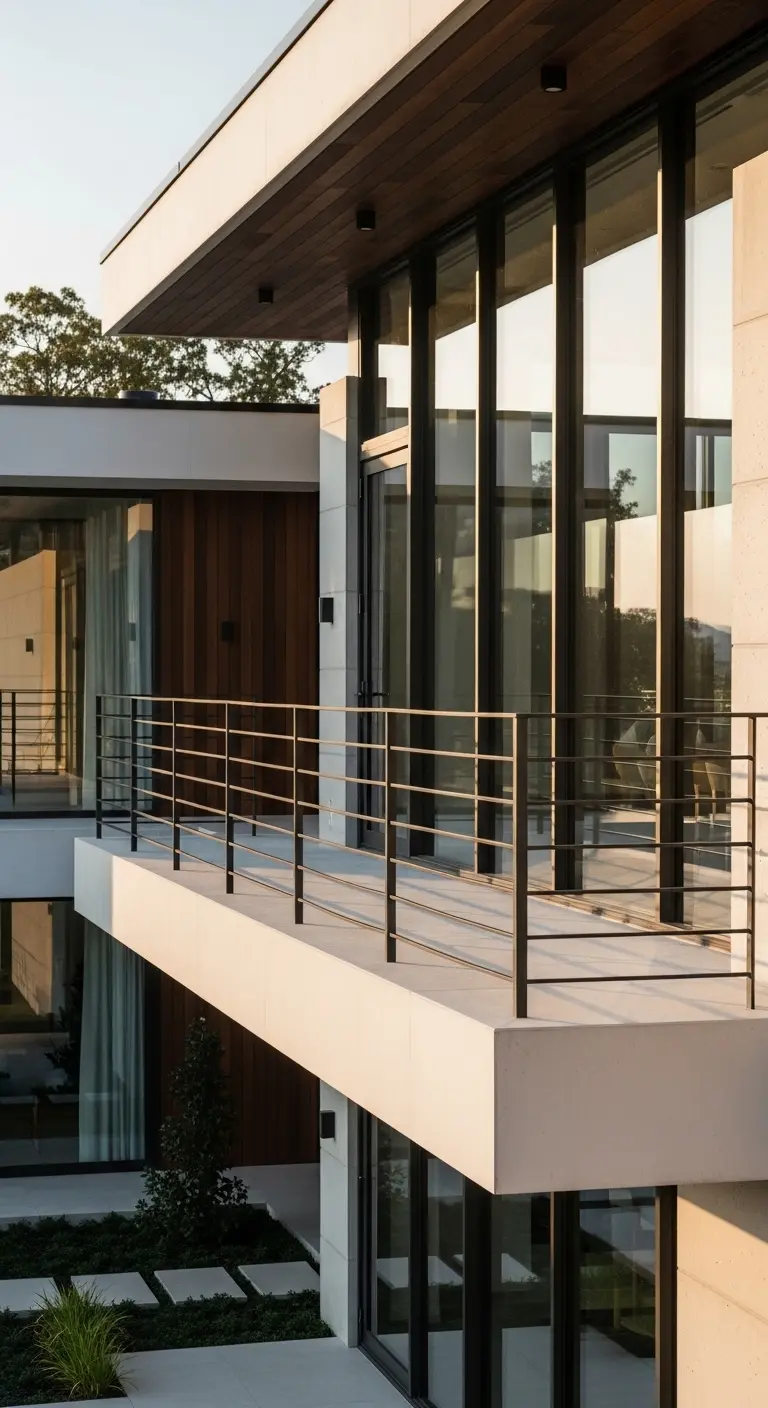
Recent architectural trends include:
• frameless glass railings
• black minimalist steel designs
• mixed glass and metal railings
• integrated LED lighting
• vertical plant gardens
These modern styles combine elegance with functionality.
Final Thoughts
A French balcony is a beautiful architectural feature that provides the charm of a balcony without requiring extra structural space. By combining elegant railings with large windows or doors, it allows natural light, fresh air, and stunning views to enter a room.
Whether you prefer classic wrought iron railings or modern glass panels, French balconies offer a stylish solution for apartments and homes with limited outdoor space.
With proper installation, decoration, and maintenance, a French balcony can become one of the most attractive features of any building.
FAQs
1. What is a French balcony?
A French balcony is a railing installed outside full-height windows or doors without a platform.
2. Can you stand on a French balcony?
No, a French balcony does not have a floor platform.
3. Are French balconies safe?
Yes, when installed properly with strong railings and secure anchors.
4. What is the difference between a French balcony and a Juliet balcony?
Both terms refer to the same architectural feature.
5. Do French balconies add value to a home?
Yes, they improve aesthetics, lighting, and ventilation.
6. Can French balconies be added to existing homes?
Yes, they can be installed during renovations if the wall structure allows it.
7. What materials are best for French balcony railings?
Wrought iron, aluminum, stainless steel, and tempered glass are common choices.
8. How tall should a French balcony railing be?
Most building codes require around 42 inches.
9. Can plants be placed on a French balcony?
Yes, flower boxes and hanging plants are popular decorations.
10. Are French balconies common in apartments?
Yes, especially in urban apartments where space is limited.
11. Do French balconies require permits?
Some locations require permits depending on building codes.
12. Are glass French balconies safe?
Yes, they use tempered safety glass.
13. How long does installation take?
Most installations take one to two days.
14. Do French balconies require maintenance?
Yes, regular cleaning and inspections are recommended.
15. What doors work best with French balconies?
French doors, sliding glass doors, and tilt-and-turn windows.