
I still remember the day I brought home my first big monstera. I had no idea what I was doing I just saw it at a local nursery, fell in love with those dramatic split leaves, and somehow squeezed it into the back seat of my car. That one plant changed everything about the way my living room felt. It went from a perfectly fine, neutral space to somewhere I actually wanted to spend time. That is the real magic of interior decor plants they do not just fill empty corners, they completely shift the energy of a room.
Over the past several years I have filled my home with dozens of plants, made every mistake imaginable, killed a few along the way, and slowly learned what actually works. This guide is everything I wish I had known from the start. Whether you are completely new to houseplants or you already have a few and want to take things further, you will find practical advice here that goes beyond the generic tips you read everywhere else.
Interior decor plants have exploded in popularity for good reason. They add colour, texture, and life to any space. They improve air quality, reduce stress, and make your home feel more personal and intentional. But more than all of that they make a space feel alive. And once you experience that, it is very hard to go back.
Also Read : 60+ Gorgeous Hanging Indoor Plants That Will Completely Transform Your Home
Why Interior Decor Plants Are the Easiest Way to Upgrade Any Room

Most home decor decisions are expensive and permanent. New furniture costs a fortune. Repainting takes a weekend and commitment. Changing flooring or tiles is an entire project. But interior decor plants are different — they are affordable, flexible, and completely reversible. You can move them from room to room, swap them out with the seasons, or simply bring in new ones as your taste evolves. No other decorating element gives you that kind of freedom.
There is also the emotional dimension that people often underestimate. Multiple studies have shown that being around greenery reduces cortisol levels, improves mood, and even increases focus and creativity. When I started working from home, adding interior decor plants to my desk area made a noticeable difference in how I felt during long work days. It sounds simple, almost too simple, but it genuinely works.
The visual impact is equally powerful. Interior decor plants introduce organic shapes that contrast beautifully with the rigid lines of modern furniture and architecture. They bring in natural colour — not just green, but the warm burgundy of a rubber plant, the silver-green of a eucalyptus, the deep purple of a tradescantia. They add layers, depth, and movement to a space in a way that nothing else quite replicates.
Choosing the Right Interior Decor Plants for Your Space
The biggest mistake people make when buying interior decor plants is falling in love with something beautiful at the shop without thinking about whether it will actually work in their home. Light, humidity, and temperature all matter enormously. Before you buy anything, spend a day noticing how light moves through your rooms. Which windows get direct sun? Which spots are fairly dim all day? This will tell you more about what plants will thrive than any generic plant care guide.
Best Interior Decor Plants for Low Light Rooms
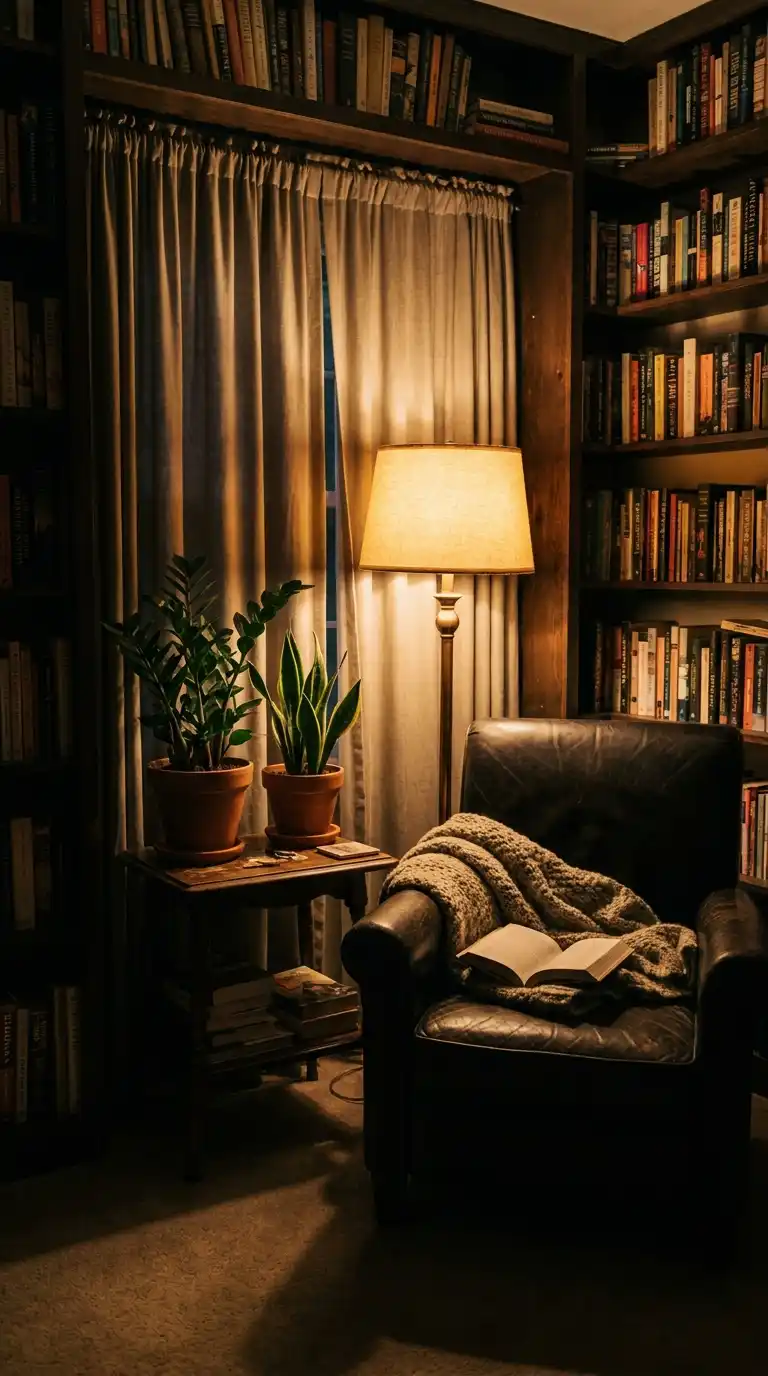
Not every home is a sun-drenched paradise, and that is completely fine. Some of the most beautiful interior decor plants actually prefer lower light conditions. The ZZ plant is my top recommendation for dark corners it has gorgeous glossy leaves, grows slowly and steadily, and can go weeks without water. Snake plants are another classic that work beautifully in low light. Their tall, architectural silhouette makes them excellent for adding vertical interest to a room without taking up floor space.
Pothos is probably the most forgiving plant I have ever grown. In low light it grows more slowly, but it keeps going. I have one in a corner of my hallway that gets almost no natural light and it has been thriving for three years. The trailing vines look stunning on a shelf or in a hanging planter. Cast iron plants live up to their name nearly indestructible and perfectly happy in shade. Peace lilies are another beautiful option for low light spaces, with the added bonus of elegant white blooms that last for weeks.
Must Read : The Ultimate Guide to Low Lights Plant Indoor That Instantly Transform Your Home in 2026
Interior Decor Plants That Love Bright Indirect Light
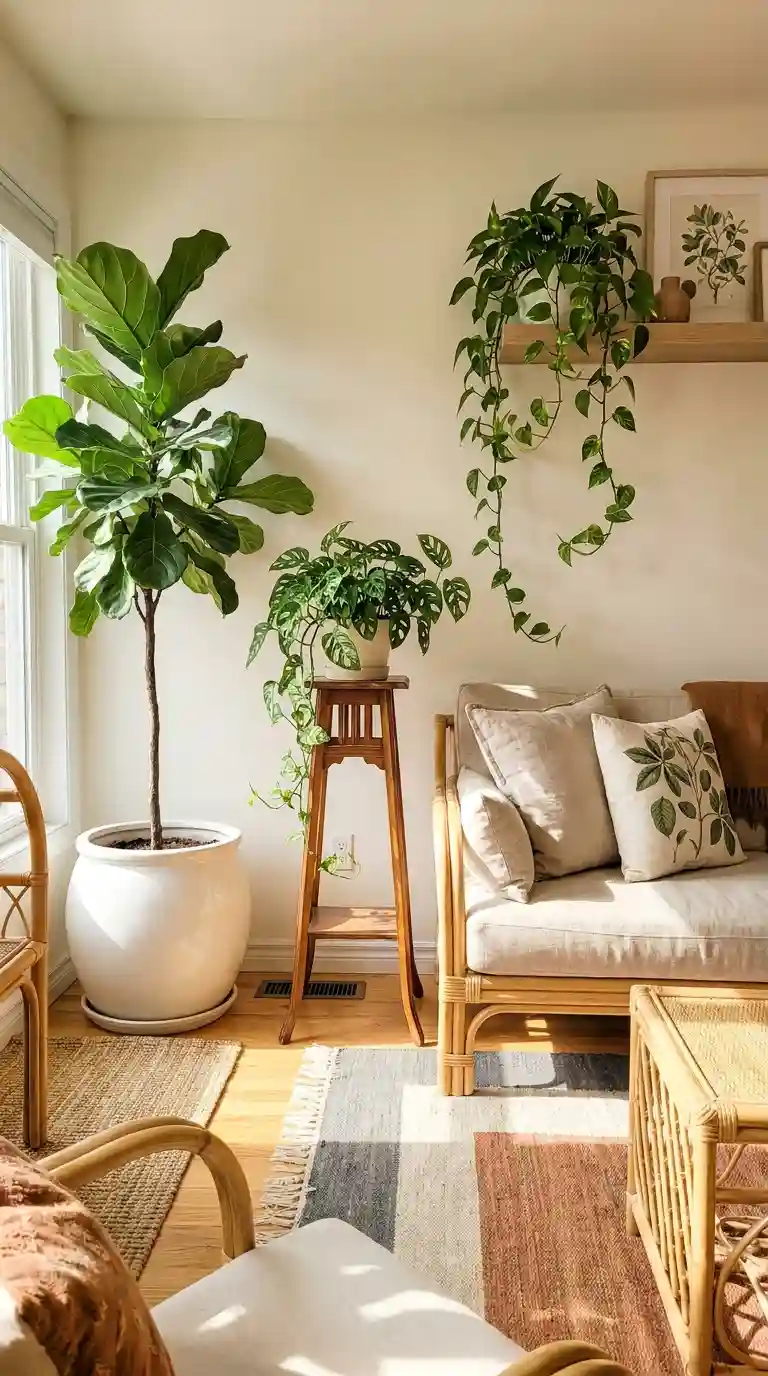
Bright indirect light is the sweet spot for most popular interior decor plants, and if you have a room that gets this — perhaps a few feet back from a south or east-facing window — you are in luck. The fiddle leaf fig is the icon of modern interior plant styling and it thrives in this condition. Yes, it has a reputation for being dramatic, and it is, but once you find the right spot and leave it alone, it is genuinely stunning. A large fiddle leaf fig in a good ceramic pot can completely anchor a living room.
Monsteras are similarly spectacular. The Swiss cheese plant with its iconic split leaves has become synonymous with modern interior decor plants for good reason — it is bold, tropical, and grows fast. Give it a bright spot, a good-sized pot, and a moss pole to climb, and it will reward you with leaves that get bigger and more dramatic every season. Bird of paradise plants are another showstopper in bright indirect light — when the conditions are right, their broad paddle-shaped leaves grow enormous and the whole plant commands attention in a space.
Rubber plants deserve far more credit than they get. The dark green or burgundy varieties have a richness and solidity that makes them feel almost like sculpture. They grow steadily, handle some inconsistency in watering, and look incredibly elegant in both modern and bohemian interiors. I have a burgundy rubber plant in my dining room that draws a compliment from almost every guest.
Interior Decor Plants for Every Room in the House
Part of what I love about interior decor plants is that there is something suitable for every single room. The trick is matching the plant to the specific environment rather than just placing whatever looks good and hoping for the best. When you align the right plant with the right conditions, everything becomes easier — the plant thrives, you do not stress about care, and the visual result is so much more satisfying.
Living Room Interior Decor Plants
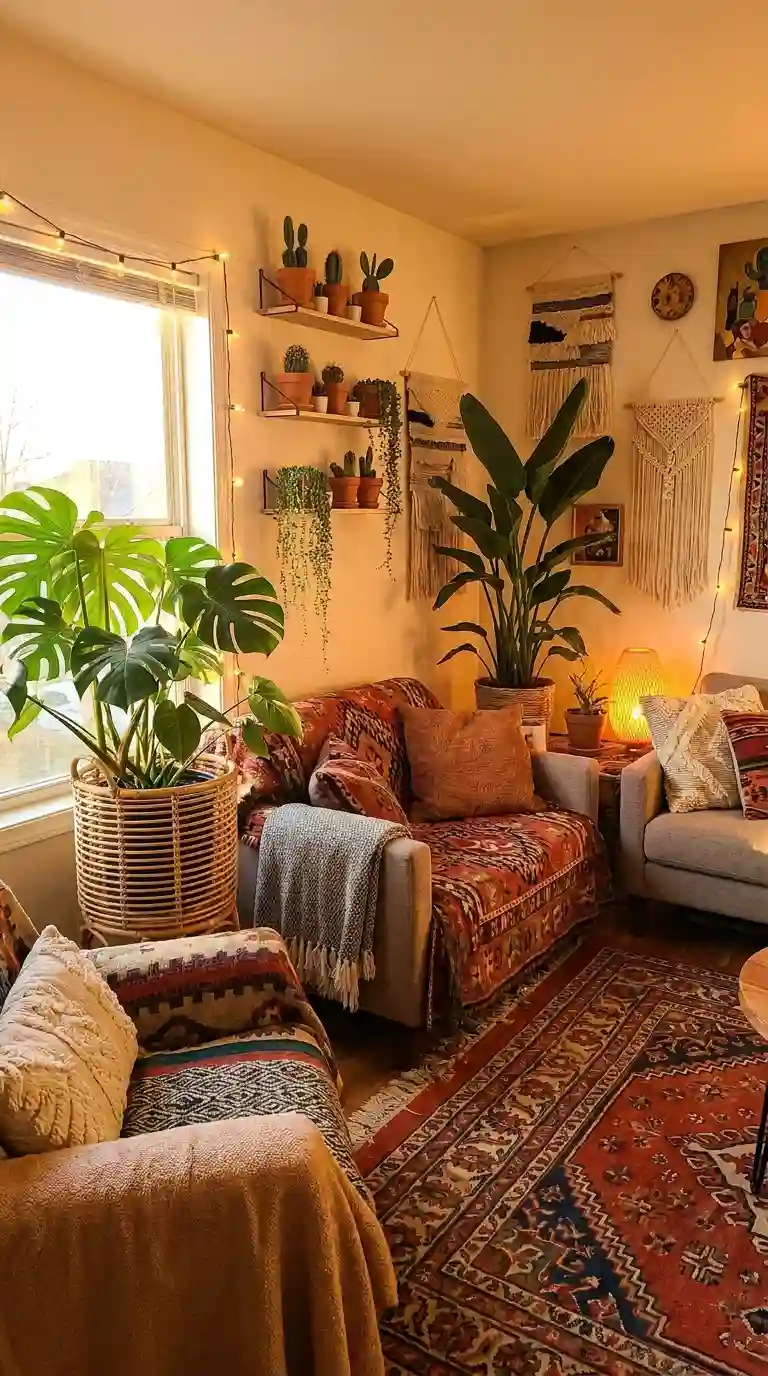
The living room is usually where people put the most effort into their interior decor plants, and rightly so — it is the space you spend the most time in and the one that guests see first. Large statement plants work brilliantly here. A tall monstera, a bold fiddle leaf fig, or a dramatic bird of paradise can become the focal point of an entire room. Place them in an interesting pot — terracotta, ceramic, or woven basket and they instantly become part of the decor rather than just an add-on.
For styling, think about varying heights. A tall floor plant paired with medium plants on a side table and small succulents or trailing plants on a shelf creates a layered, intentional look. Interior decor plants work best when they feel curated rather than random. Grouping odd numbers — three or five plants together almost always looks more natural than even groupings.
Bedroom Interior Decor Plants

There is a persistent myth that you should not have plants in your bedroom because they release carbon dioxide at night. In reality, the amount any houseplant produces overnight is negligible — far less than what your own breathing produces. The benefits of having interior decor plants in a bedroom far outweigh any concern about this. Several plants, like snake plants and orchids, actually continue producing oxygen at night through a different photosynthesis pathway.
For the bedroom, I tend to go for plants with softer, more relaxing energy. Lavender is wonderful if you have a bright enough window — the scent genuinely promotes relaxation. Peace lilies are elegant and calming in their appearance. A single, well-chosen trailing plant on a high shelf above a dresser or nightstand adds so much without crowding the space. The bedroom is also a great place for smaller interior decor plants that you might not have room for elsewhere — a delicate fern on the windowsill, a small cactus garden on the dresser.
Kitchen Interior Decor Plants
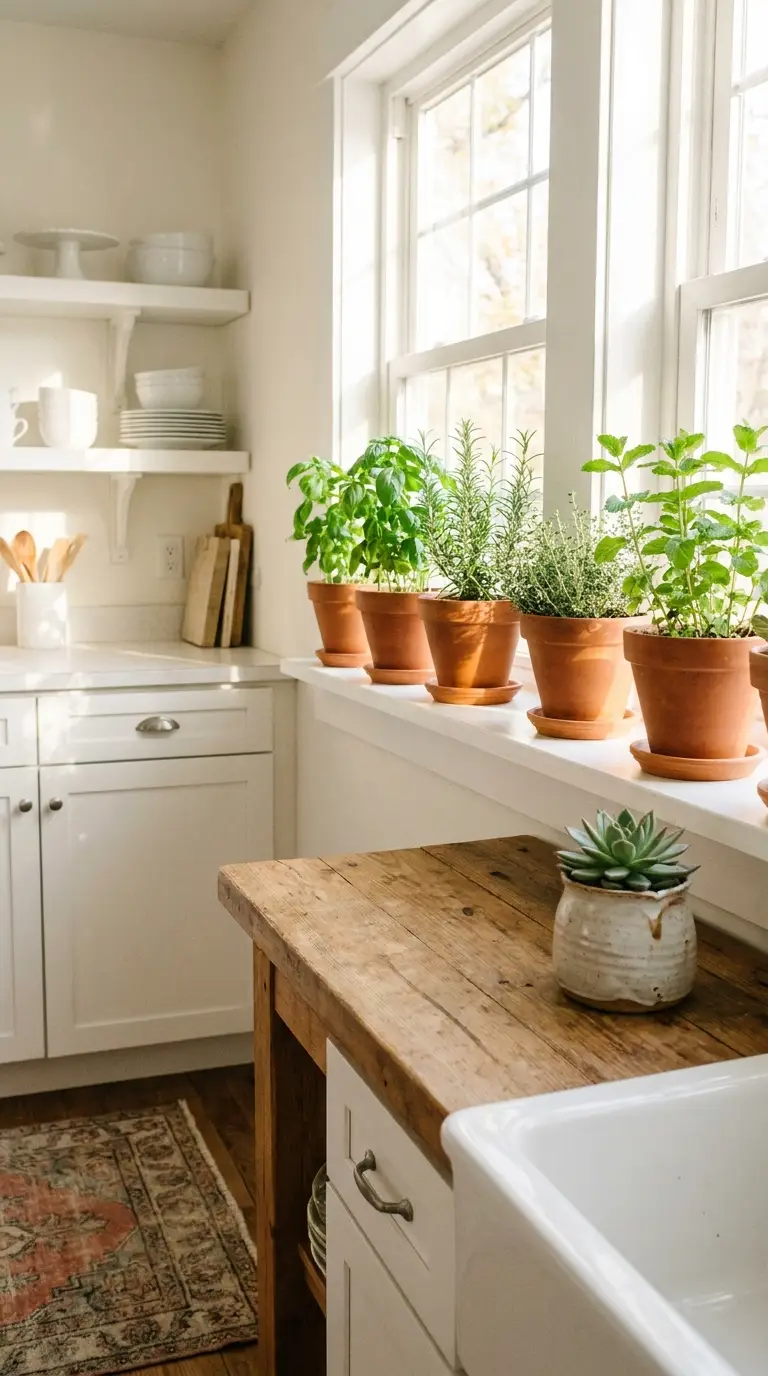
Kitchens are often overlooked when it comes to interior decor plants, which is a shame because they can be absolutely beautiful with the right greenery. Herbs are the obvious choice and they are genuinely useful — fresh basil, rosemary, thyme, and mint on a sunny windowsill look wonderful and serve double duty. But do not stop there. A small succulent arrangement on the counter, a trailing pothos above the cabinets, or a pretty aloe vera plant near the window all add life to a space that can otherwise feel quite utilitarian.
Kitchens tend to have decent humidity from cooking, which many interior decor plants actually enjoy. However, watch out for spots that get too hot or have dramatic temperature fluctuations — near the stove or directly above the oven, for instance, is not ideal for most plants. A well-lit kitchen windowsill is genuinely one of the best spots in the entire house for plants, so make the most of it.
Bathroom Interior Decor Plants
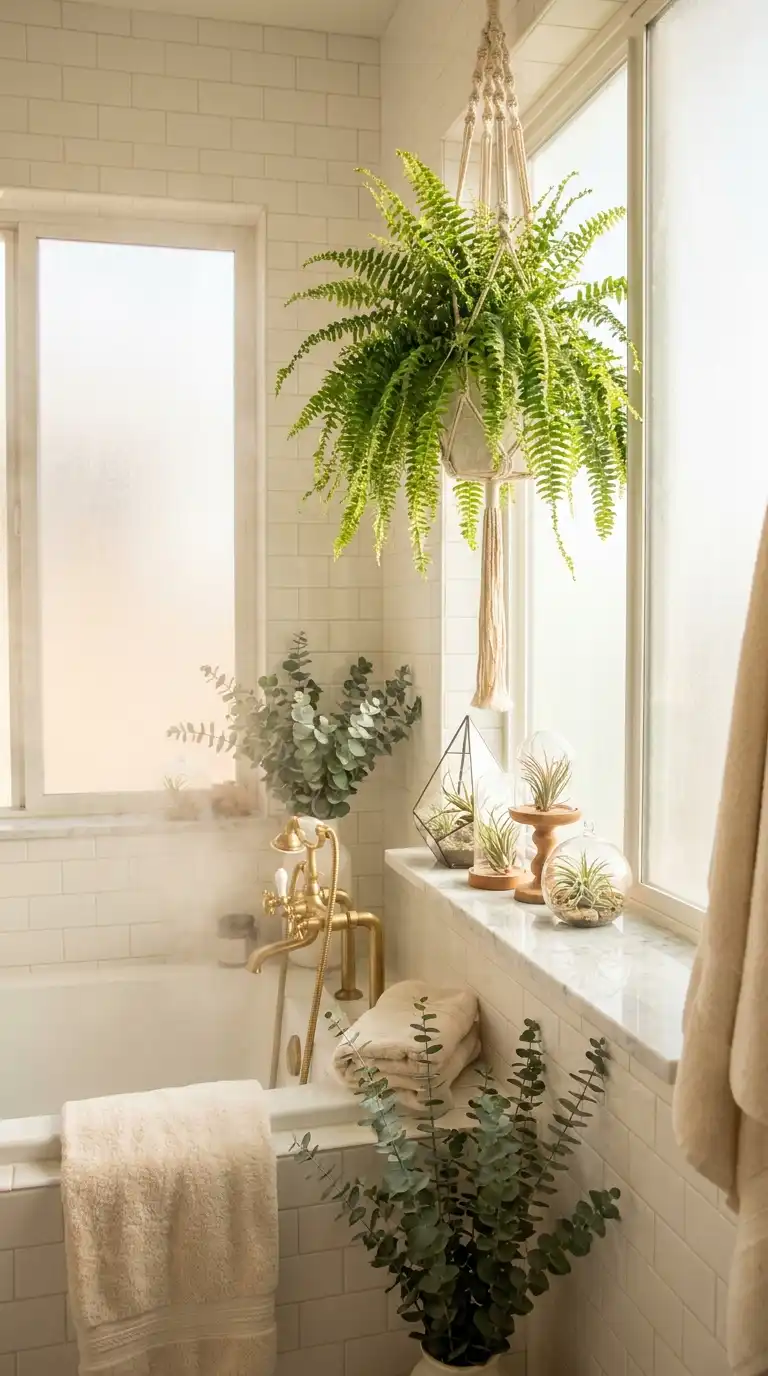
If your bathroom has any natural light at all, it is one of the very best places in the house for interior decor plants. The natural humidity from showers creates conditions that tropical plants absolutely love. Ferns, in particular, tend to struggle everywhere except bathrooms — the steam and moisture keep them lush and happy when they would otherwise brown and crisp in drier indoor air. I moved a Boston fern into my bathroom a year ago and it has never looked better.
Air plants — tillandsias are another perfect bathroom plant because they absorb moisture directly from the air and need no soil at all. You can place them in decorative holders, glass globes, or simply on a shelf. They look sculptural and modern and require almost no maintenance beyond the occasional mist. Orchids are another beautiful option for bathrooms with some light — they love the humidity and will bloom for months at a time.
How to Style Interior Decor Plants Like a Professional
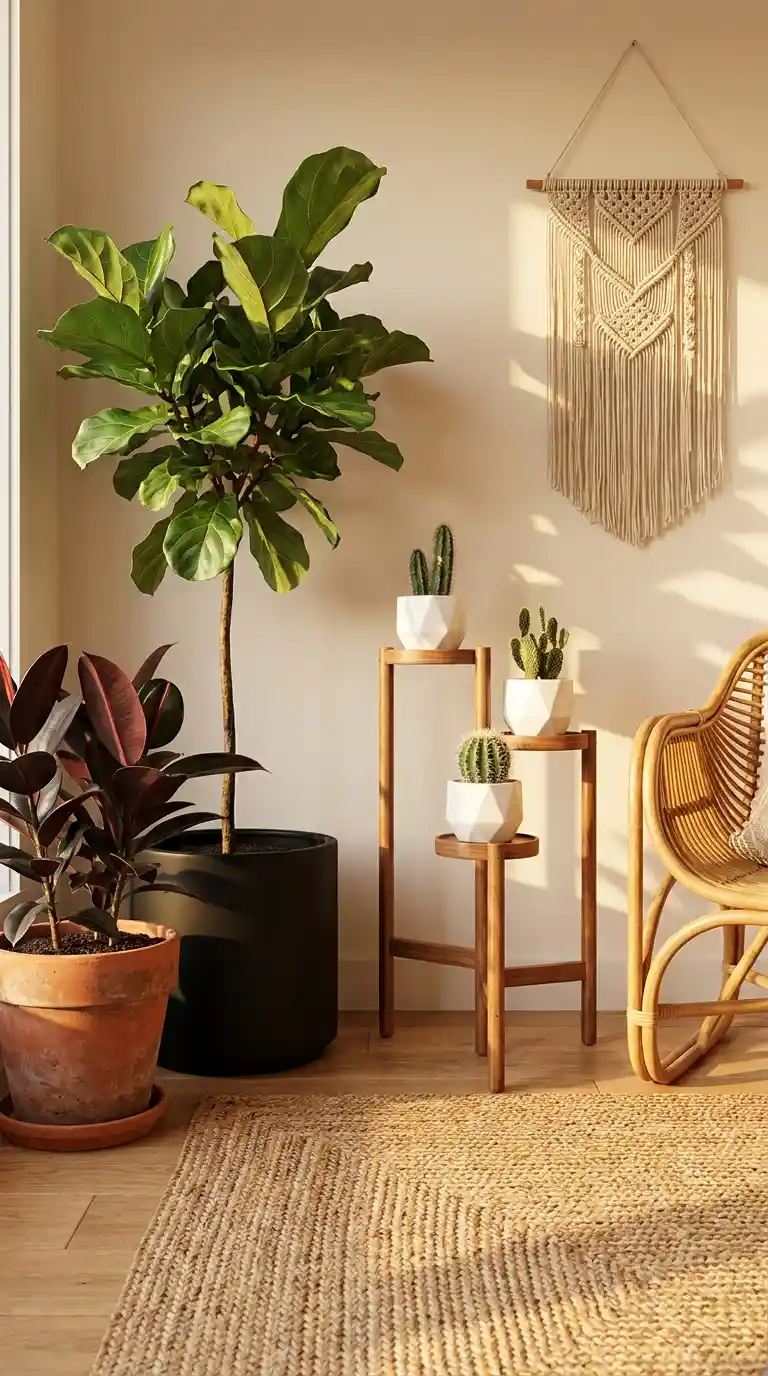
Having the right plants is only half the equation. How you display your interior decor plants matters just as much as which ones you choose. This is where people often get stuck — they have beautiful plants but they feel somehow random or cluttered rather than intentional. A few simple styling principles can make a huge difference.
First, think about height variation. A grouping of plants that are all the same height looks flat and uninteresting. Mix tall floor plants with medium table-height plants and low trailing or climbing ones. This creates a natural, layered look that feels organic and deliberate at the same time. Floor-to-ceiling arrangements are particularly impactful — tall plants, mid-level plants on plant stands, small plants on lower shelves, and trailing vines hanging below.
Second, consider the pots as seriously as you consider the plants. The pot is part of the overall aesthetic, and mismatched or generic plastic nursery pots can undermine even the most beautiful plant. I tend to collect interesting pots whenever I see them — at markets, charity shops, pottery studios. Terracotta is eternally beautiful and creates a warm earthy feel. Matte ceramic pots in earthy or neutral tones suit modern and Scandinavian interiors. Woven rattan or jute baskets add a bohemian warmth. The pot communicates just as much about your style as the plant does.
Grouping Interior Decor Plants for Maximum Impact
One of the simplest and most effective styling tricks is grouping plants together rather than scattering them individually around a room. A collection of five or six different interior decor plants in one corner creates a genuine indoor garden moment that is far more impactful than the same plants spread thinly throughout the space. When grouping, vary the sizes, leaf shapes, and textures — the contrast between a large-leaved monstera and a delicate maidenhair fern is visually much more interesting than a collection of similarly-sized, similarly-shaped plants.
Clustering plants together also has practical benefits. Plants in groups create a local microclimate with higher humidity as they respire together, which is particularly helpful for tropical species that like moisture. And honestly, grouped plants are just easier to water and maintain — you go to one spot instead of walking around to twenty different locations.
Using Plant Stands and Shelves for Interior Decor Plants
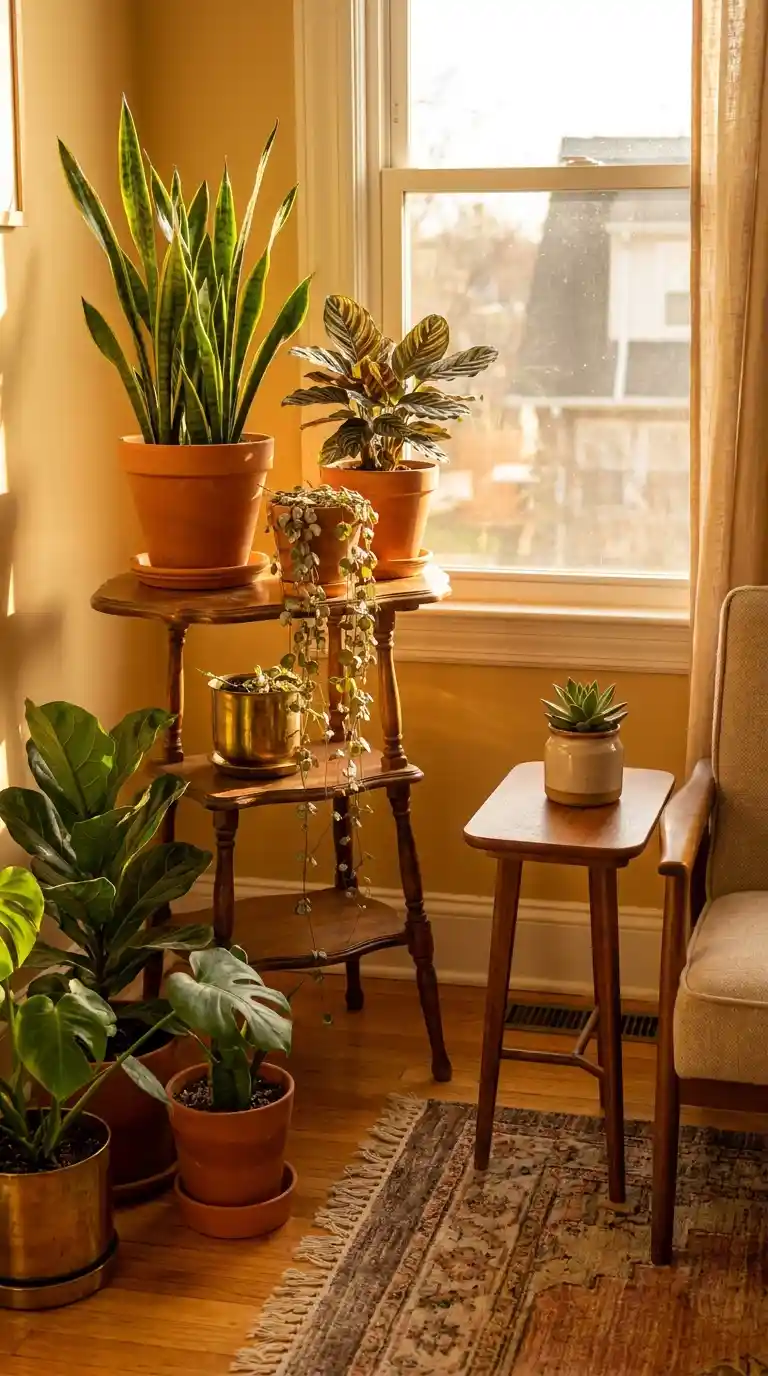
Plant stands have become one of my favourite accessories for displaying interior decor plants. They lift plants off the floor or counter, create breathing room, and give each plant a moment to shine. Wooden plant stands in natural finishes work in almost any interior style. Metal plant stands with a more industrial look suit modern or loft-style spaces. Ladder shelves dedicated entirely to interior decor plants are a beautiful way to create a full wall of greenery without structural commitment.
Floating wall shelves are another excellent option. A row of three or four shelves staggered at different heights, filled with a mix of small interior decor plants and trailing varieties that cascade down, looks incredible and uses wall space that might otherwise go to waste. Just make sure the shelves are securely anchored and that the plants you place up high are the kinds that do not need constant attention — you do not want to be climbing a step ladder every time you need to water something.
Caring for Your Interior Decor Plants Without Stress
Plant care does not have to be complicated. Most people who kill houseplants do so by overwatering — ironically, from giving the plant too much attention rather than too little. Interior decor plants die far more often from soggy roots than from neglect. Understanding a few basic principles will make you a significantly more successful plant parent.
Watering Interior Decor Plants the Right Way

The single most important thing you can do for your interior decor plants is water them correctly. For the vast majority of houseplants, this means watering thoroughly when the top inch or two of soil is dry, then letting the excess water drain fully before putting the pot back in its saucer. Never let a plant sit in standing water for more than an hour or two, as this leads to root rot, which is essentially a death sentence for most plants.
The finger test is your best tool — simply poke your finger an inch into the soil. If it feels damp, wait. If it feels dry, water. This is more reliable than any schedule because the drying rate depends on season, temperature, light levels, and pot size, all of which change constantly. In summer I water my thirstier interior decor plants every five to seven days. In winter the same plants might go two to three weeks between waterings as the growth slows and soil dries more slowly in cooler temperatures.
Light Requirements for Indoor Plants
Light is the other major variable in plant health. Interior decor plants need light to photosynthesise, and without enough of it they will slowly decline no matter how well you water or fertilise them. If your home is genuinely quite dark, stick to the most shade-tolerant species — ZZ plants, snake plants, cast iron plants, and certain ferns. If you have a bright room, you have many more options. One thing people consistently underestimate is how dramatically light levels drop as you move away from a window. A plant sitting three metres from a window gets only a fraction of the light compared to one sitting right beside the glass.
If your light situation is limited, grow lights are a genuine solution and the technology has improved enormously in recent years. Modern LED grow lights are compact, efficient, and look far less clinical than old-school fluorescent tubes. A well-placed grow light can make it possible to keep interior decor plants healthy in spots that would otherwise be too dark, opening up your styling options considerably.
Trending Interior Decor Plants You Need to Know About
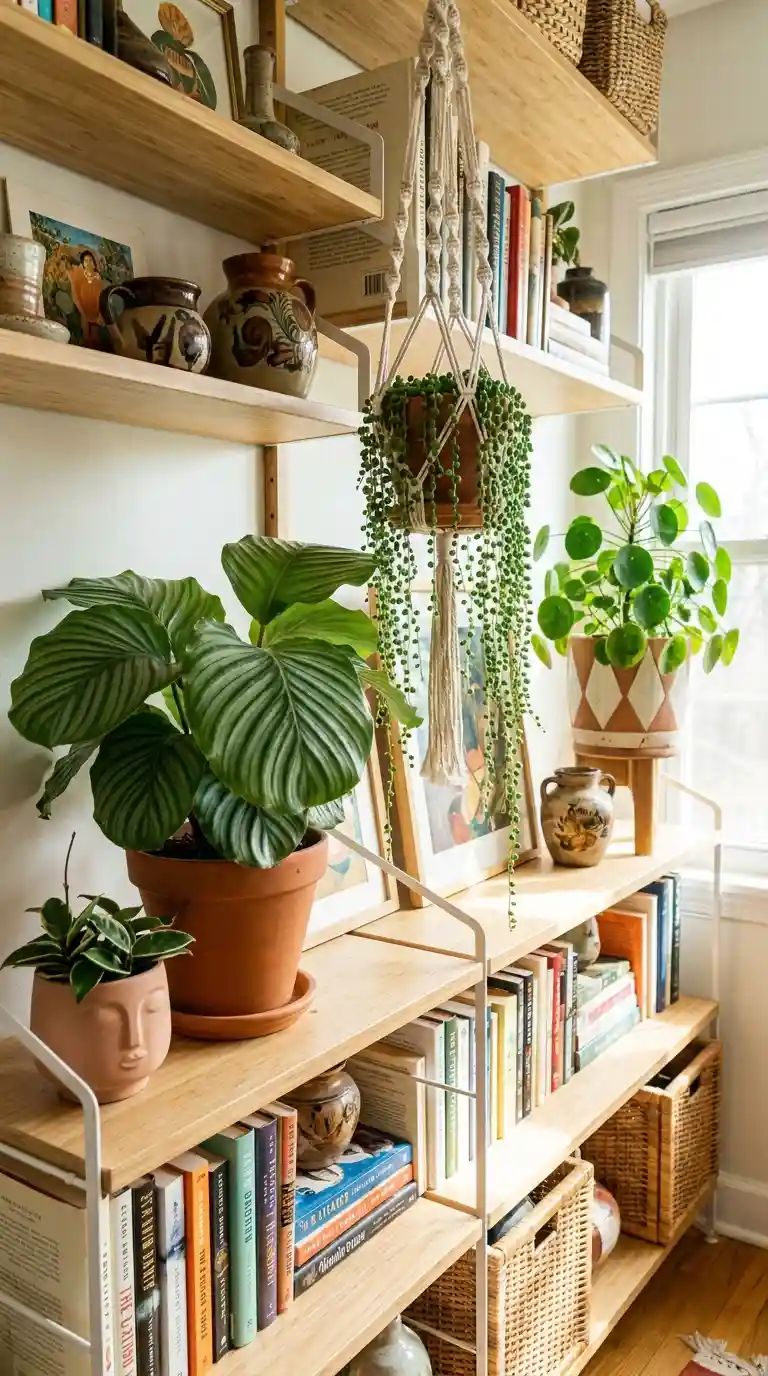
The world of interior decor plants moves surprisingly fast. New varieties are constantly being introduced, certain plants become style icons overnight, and others fade as tastes evolve. Staying aware of what is trending is useful not just for aesthetics but because it also means you can find these plants more easily — when something is trending, nurseries stock it. Here are the interior decor plants that are having a real moment right now.
The banana plant has emerged as a major statement piece for large, tropical-inspired interiors. Its enormous paddle leaves bring instant drama and a resort-like feel. Calatheas are having a continued moment thanks to their stunning patterned leaves — the orbifolia, the rattlesnake, the peacock calathea all look more like living artwork than ordinary houseplants. The string of pearls has become a fixture in modern bohemian interiors — those unusual round leaves on trailing strings are genuinely unlike anything else.
Pilea peperomioides — the Chinese money plant — has gone from niche to mainstream and for good reason. Its perfectly round leaves on upright stems are charming and distinctive, and the plant is happily easy to propagate, giving little offset plants that make wonderful gifts. Hoya plants are another group that has grown from a niche obsession into genuine mainstream popularity — their waxy leaves, unusual growth habits, and occasional clusters of waxy, honey-scented flowers make them genuinely special interior decor plants.
Budget-Friendly Ways to Build Your Interior Decor Plants Collection
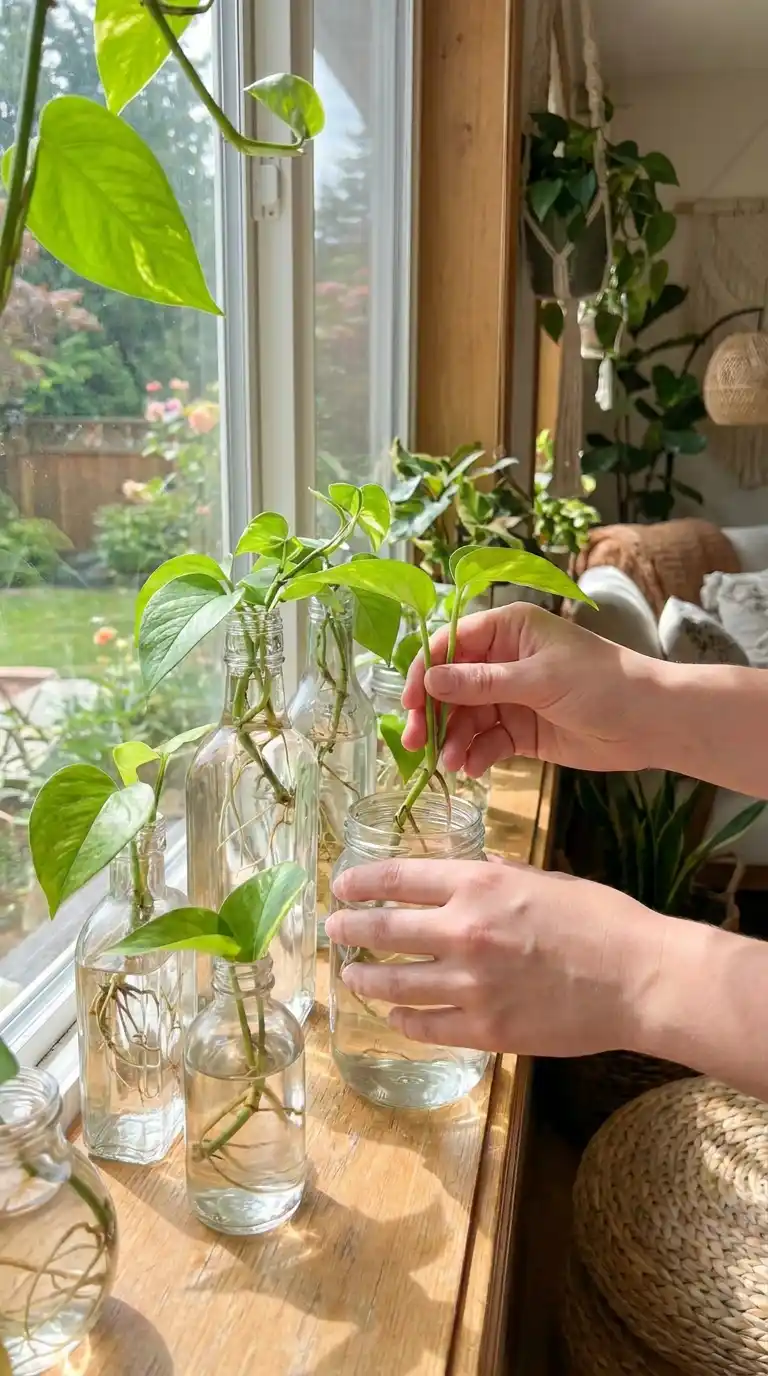
Building a beautiful collection of interior decor plants does not have to cost a fortune. Some of the most prolific plant people I know spend very little because they propagate, swap, and grow from cuttings rather than always buying new. Propagation is genuinely one of the most satisfying parts of plant keeping — watching a cutting develop roots and eventually become a whole new plant is a slow-motion miracle that never gets old.
Many popular interior decor plants propagate incredibly easily in water. Pothos, tradescantia, spider plants, and heartleaf philodendrons all root within a few weeks when placed in a glass of water on a bright windowsill. Once the roots are an inch or two long, pot them up in fresh potting mix and you have a free plant. Spider plants produce little plantlets on long runners that are practically begging to be propagated — a single mature plant can give you dozens of babies over a season.
Plant swaps are another wonderful way to diversify your interior decor plants collection. Many cities have plant swap groups online or in-person events where enthusiasts trade cuttings and small plants. This is also a great way to get hold of rarer varieties that you would struggle to find in a standard garden centre and might not be able to justify the cost of buying. The plant community tends to be enormously generous and welcoming to beginners.
Common Mistakes People Make with Interior Decor Plants
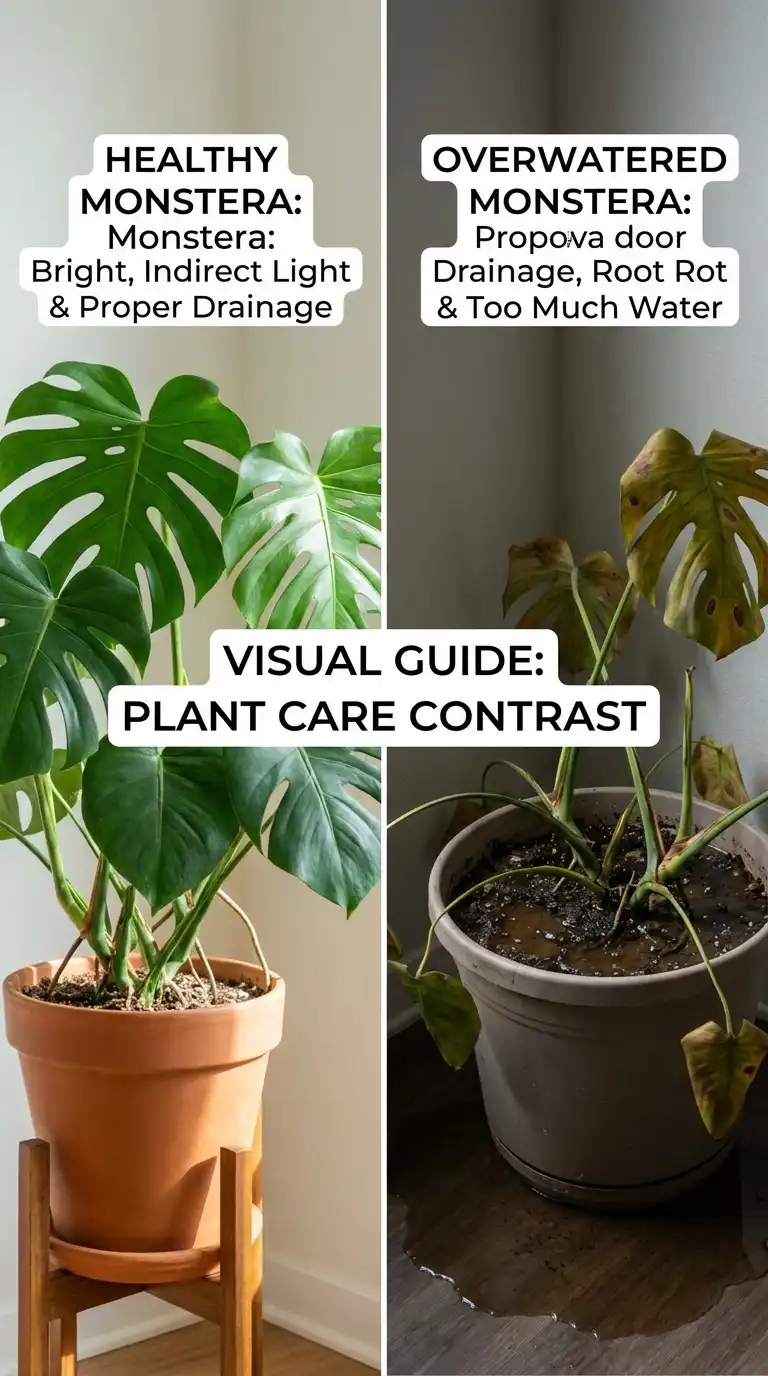
I have made just about every mistake it is possible to make with interior decor plants, and I want to save you the same heartbreak. The most common error, as I mentioned earlier, is overwatering. But there are a handful of others that catch people out regularly.
Buying plants without checking light requirements is a classic mistake. I have done it myself — bought something beautiful that turned out to need direct sunlight, then watched it slowly decline in my relatively dim apartment. Always check light requirements before you buy and be honest with yourself about what your space offers. Similarly, buying the wrong pot size is something people get wrong constantly. A pot that is too large for the plant holds too much moisture and sets up perfect conditions for root rot. As a general rule, when repotting, only go up one pot size at a time.
Placing interior decor plants near heating vents or radiators is another common mistake that causes unnecessary decline. The hot, dry air that comes from heating systems is the opposite of what most tropical houseplants want. Similarly, cold draughts near doors or single-glazed windows can chill sensitive plants. Position your interior decor plants thoughtfully, away from extreme temperature sources, and they will reward you with steady, healthy growth.
Seasonal Care for Interior Decor Plants Throughout the Year
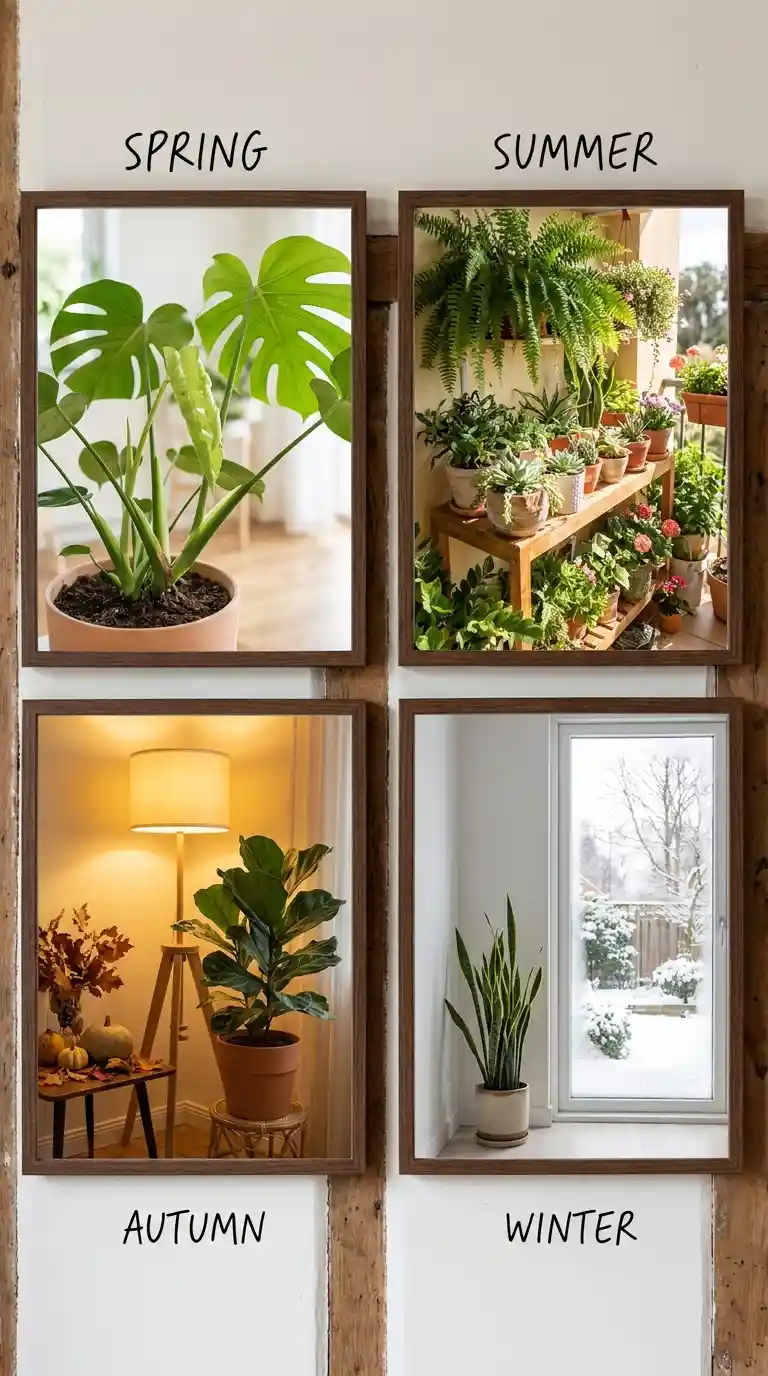
One thing that took me a while to understand properly is that interior decor plants have seasonal rhythms even indoors. They are not growing at the same rate all year, and treating them identically in January and July will lead to problems. Understanding this seasonal rhythm transforms your plant care from reactive to proactive.
Spring is the season of growth. As day length increases and light levels improve, most interior decor plants come alive. This is the time to repot anything that has become root-bound, to start fertilising again after the winter rest, and to begin propagating cuttings. New growth appears faster than at any other time of year and it is genuinely exciting to watch. Summer continues this growth but brings its own challenges — higher temperatures mean plants dry out more quickly and may need more frequent watering.
Autumn is the time to pull back. I start reducing watering frequency in September or October, stop fertilising by the end of September, and keep a close eye on plants near windows as temperatures drop. Winter is the rest period — most interior decor plants slow significantly, some almost completely. They need less water, no fertiliser, and protection from cold window glass. They also need whatever natural light you can give them, so cleaning dusty leaves and moving plants closer to windows during the darker months makes a real difference.
Creating a Plant-Forward Interior Design Aesthetic
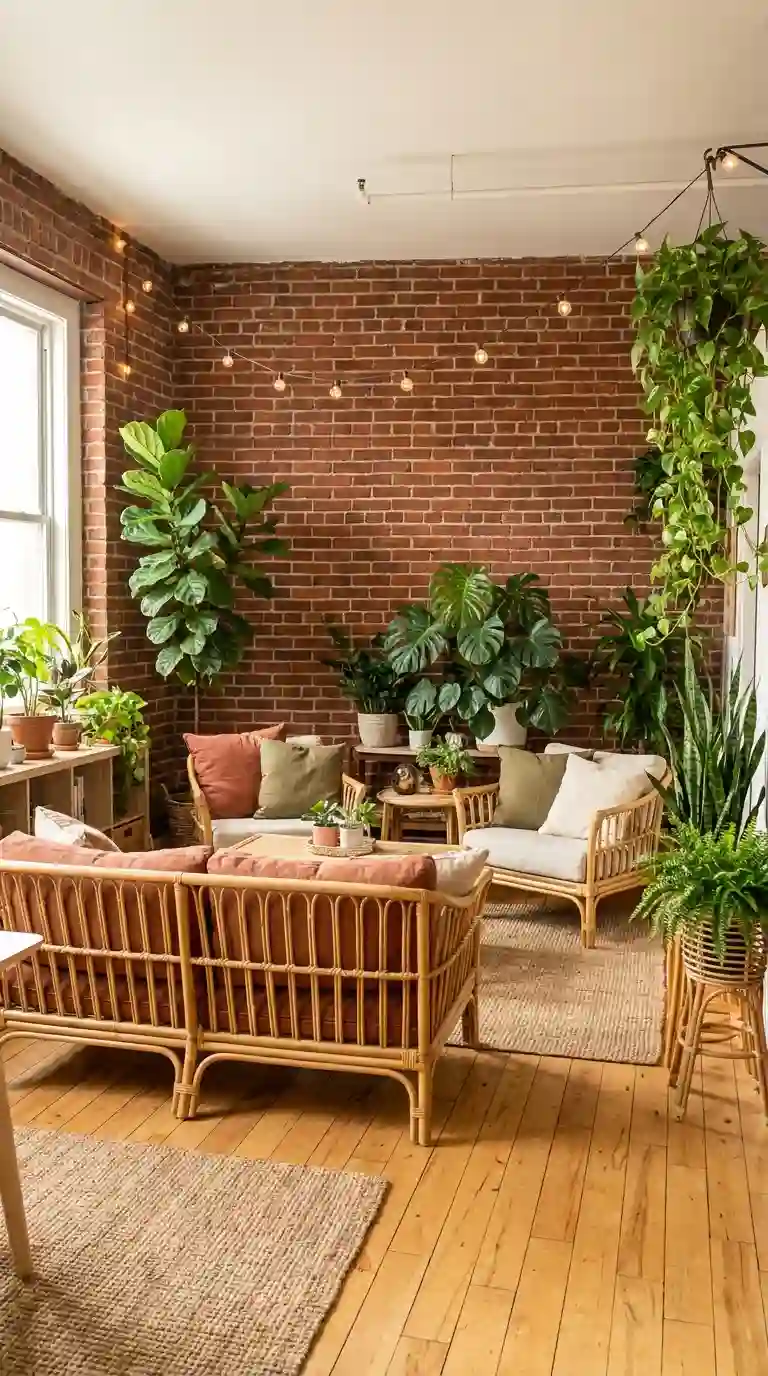
If you really love interior decor plants — and by this point in the article I hope you do — then it is worth thinking about how to build your entire interior aesthetic around them rather than treating them as add-ons. A truly plant-forward home is a specific and beautiful aesthetic that balances greenery with complementary design elements.
Natural materials work best alongside interior decor plants. Wood, stone, linen, rattan, jute, ceramic — these all create a cohesive, organic feel that makes the plants feel at home. Neutral wall colours in whites, creams, warm greys, and earthy terracottas let the green of the plants really sing. Pops of warm colour — terracotta, ochre, dusty pink — can create beautiful contrast without competing with the plants themselves.
Lighting matters enormously in a plant-forward home. Natural light should be maximised wherever possible — sheer curtains rather than heavy drapes, mirrors strategically placed to bounce light into darker corners. In the evening, warm-toned lighting creates an atmosphere that makes both the space and the plants feel cosy and inviting. A few thoughtfully placed LED grow lights, disguised as ordinary lamps, can keep interior decor plants healthy in spots that do not get enough natural light.
Pet-Friendly Interior Decor Plants for Animal-Loving Homes
This is something I wish someone had told me much earlier — not all popular interior decor plants are safe for pets. If you share your home with cats or dogs, this needs to be a key consideration when choosing your plants. Some of the most beautiful and popular houseplants are actually quite toxic to animals, including pothos, philodendrons, and certain lilies. This does not mean you cannot have beautiful interior decor plants — it just means you need to choose and position them carefully.
Spider plants are one of the best pet-safe options — they are non-toxic, incredibly easy to grow, and look beautiful trailing from a hanging planter. Boston ferns, areca palms, orchids, and prayer plants are also considered pet-safe and can create genuinely stunning displays. If you do want to keep plants that are potentially harmful to pets, positioning is key — place them high on shelves that your animals cannot reach rather than on the floor or at accessible heights.
The ASPCA has a comprehensive list of toxic and non-toxic plants that I always recommend checking before buying new interior decor plants if you have animals. A quick search before you buy can prevent a stressful trip to the vet and give you peace of mind that your plant-filled home is safe for every member of the family.
Where to Buy Interior Decor Plants and What to Look For

Where you buy your interior decor plants matters. Garden centres and plant nurseries are almost always the best option — the plants tend to be healthier, better cared for, and the staff usually have genuine knowledge. Supermarket and hardware store plants are convenient but variable in quality — you often cannot tell how long they have been sitting there or whether the care has been adequate. Online plant shops have expanded enormously in recent years and many offer excellent quality, shipping plants carefully wrapped to arrive in good condition.
When choosing a specific plant, there are a few things to look for. First, check the roots if possible — healthy roots are white or light tan, not brown and mushy. Check the leaves for signs of pests — look on the undersides for spider mites, check the soil surface for fungus gnats, and look for any sticky residue that might indicate scale insects. Choose plants with dense, healthy growth rather than leggy, stretched-looking ones. And choose a plant that looks right for its pot size — it should fill the pot without being dramatically root-bound.
Frequently Asked Questions
Q1. What are the best interior decor plants for beginners?
The best interior decor plants for beginners are those that are forgiving and resilient. Snake plants, pothos, ZZ plants, and spider plants are the top recommendations because they tolerate low light, irregular watering, and general neglect without giving up. Peace lilies are also excellent — they visibly droop when they need water, which takes all the guesswork out of the equation.
Q2. Which interior decor plants are best for low light rooms?
ZZ plants, snake plants, pothos, cast iron plants, and peace lilies are all excellent choices for low light rooms. These interior decor plants have adapted to thrive in the shaded understory of tropical forests, which means they handle dim indoor conditions better than most. Avoid placing them in complete darkness — some ambient light is always necessary for any plant.
Q3. How often should I water my interior decor plants?
There is no single answer to this because it depends on the plant, pot size, temperature, and season. The most reliable method is to check the soil — if the top inch or two is dry, it is time to water. Most tropical interior decor plants prefer to dry out slightly between waterings. Succulents and cacti want to dry out completely. Ferns prefer consistently moist soil. When in doubt, wait another day.
Q4. What are the best large interior decor plants for living rooms?
For a bold statement in a living room, consider a monstera deliciosa, fiddle leaf fig, bird of paradise, rubber plant, or banana plant. These large interior decor plants have presence and personality. They work best placed in a good-sized decorative pot and positioned where they get plenty of indirect light. Give them room to breathe and grow rather than crowding them into corners.
Q5. Can interior decor plants improve air quality?
NASA research famously identified certain plants that can filter airborne toxins, and this has been widely cited. However, to have a truly significant effect on indoor air quality, you would need a very large number of plants per square metre. That said, interior decor plants do contribute to air quality, increase humidity slightly, and reduce stress — all of which benefit your overall wellbeing even if the air-purification effect is modest at the scale of a typical home.
Q6. What are the best interior decor plants for bathrooms?
Bathrooms with natural light are ideal for ferns, orchids, air plants, peace lilies, and spider plants. The natural humidity from showers creates conditions that these tropical interior decor plants love. If your bathroom has no natural light, stick to very hardy, low-light tolerant species or use a small grow light to supplement.
Q7. Which interior decor plants are safe for cats and dogs?
Pet-safe interior decor plants include spider plants, Boston ferns, areca palms, orchids, prayer plants, and calatheas. Avoid pothos, philodendrons, peace lilies, and snake plants if your pets chew on plants. Always verify on the ASPCA website before bringing a new plant into a home with animals.
Q8. How do I know if my interior decor plants need repotting?
Signs that interior decor plants need repotting include roots growing out of the drainage holes, the plant drying out very quickly after watering, the plant becoming top-heavy or falling over, and visibly compacted or depleted soil. Spring is the ideal time to repot, and always go only one pot size up to avoid excess moisture retention.
Q9. What causes yellow leaves on interior decor plants?
Yellow leaves on interior decor plants most commonly indicate overwatering, which causes root rot and prevents the plant from absorbing nutrients. However, yellowing can also be caused by underwatering, too little light, nutrient deficiency, or natural ageing of older leaves at the base of the plant. Check the soil moisture first, then consider light levels, before drawing conclusions.
Q10. How can I style interior decor plants on a budget?
Building a beautiful collection of interior decor plants on a budget is very achievable. Propagate from cuttings, join plant swap groups, start with small plants and let them grow, and look for interesting secondhand pots at charity shops and markets. Spider plants, pothos, and tradescantia are among the fastest and easiest to propagate for free.
Final Thoughts
Interior decor plants have genuinely transformed the way I experience my home. Every room feels more alive, more personal, more like a place I chose intentionally rather than just inhabiting. The process of learning what different plants need, watching them grow, propagating new ones, and slowly building a collection has also given me a creative outlet and a form of daily mindfulness that I did not expect.
The most important thing I can tell you is to start. Do not wait until you have the perfect light or the perfect pot or the perfect knowledge base. Buy one plant that appeals to you, put it somewhere bright, learn its needs, and grow from there. Every experienced plant person started as a beginner who killed things and learned from it. Interior decor plants are endlessly forgiving as long as you pay attention and care.
Whether you want a single sculptural statement plant or dream of walls covered in trailing vines and towering tropical specimens, the world of interior decor plants has something for you. This guide has given you the foundation — now go fill your home with green.