

Whether you’re decorating from scratch or giving your space a well-deserved refresh, finding the right sofa is the single most important decision you’ll make for your living room. It sets the tone, anchors the furniture arrangement, and tells every guest something about your taste the moment they walk in the door. This guide covers everything from sofa ideas for small living room setups to sprawling statement pieces for large open-plan spaces so you can shop with confidence and design with clarity.
Why the Sofa Is the Heart of Your Living Room
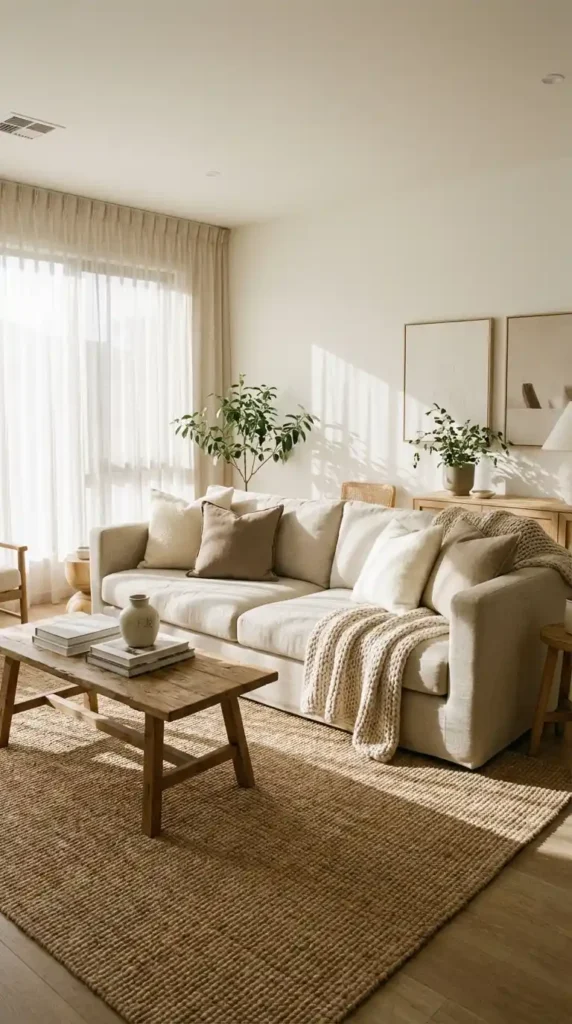
Let’s be honest: we don’t just sit on sofas. We curl up on them with a good book, host movie marathons, nap through Sunday afternoons, and squeeze in family conversations that actually matter. The sofa is the most lived-in piece of furniture in most homes, which is exactly why choosing it deserves more than a five-minute scroll through a catalog.
The best sofa ideas for living room spaces aren’t just about picking a color you like. They’re about understanding your room’s proportions, your lifestyle, your existing décor, and even how the natural light falls throughout the day. When all of those pieces align, the result is a living room that feels effortlessly put together and genuinely comfortable to spend time in.
This guide is built around real decisions real people face. By the end, you’ll know how to choose the right sofa size, style, fabric, and arrangement for your specific space whether it’s a cozy studio apartment or a grand double-height family room.
Related Post : The Complete Guide to Green and Gold Living Room Ideas (20 Practical ideas)
Understanding Your Space Before You Shop
Before you fall in love with a sofa online, you need to do some honest homework about your room. This is the step most people skip — and then regret when the sofa arrives and barely leaves space to walk around.
Measure First, Dream Second
Pull out a tape measure and write down the exact dimensions of your living room. Note the width of your doorways, hallways, and any corners or stairs the sofa will need to pass through during delivery. A sofa that looks perfect in a showroom can be a nightmare to move into a third-floor apartment with a tight stairwell.
As a general rule:
- Small rooms (under 12 feet wide): Look for sofas between 72–84 inches long
- Medium rooms (12–18 feet wide): Sofas between 84–96 inches work well
- Large rooms (over 18 feet wide): Go for a sectional or large sofa above 96 inches
Leave at least 18 inches between the sofa and the coffee table, and 30–36 inches for main walkways. These aren’t just design guidelines — they’re the difference between a room that flows and one that feels cramped no matter how beautiful the furniture is.
Identify Your Room’s Layout Type
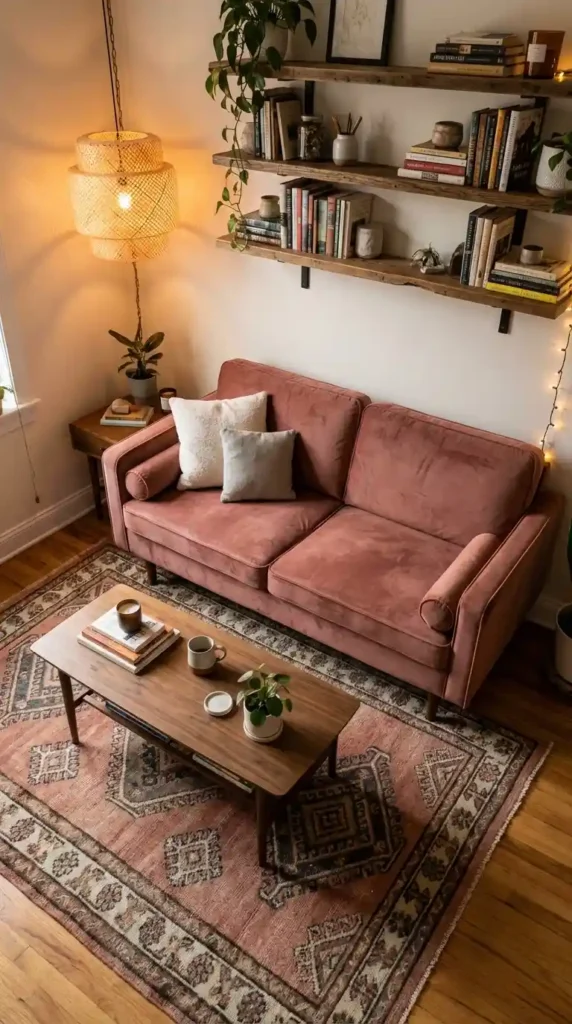
Living rooms generally fall into a few common layout categories:
- Open-plan living: Connected to the kitchen or dining area, requires the sofa to help define zones
- Enclosed/formal sitting room: Has clear walls and boundaries, giving you more placement freedom
- L-shaped or awkward rooms: Need a sofa that can anchor a conversation area without blocking natural pathways
- Studio or multi-purpose rooms: Demand space-saving solutions like loveseats, compact two-seaters, or modular sofas
Knowing your layout type upfront narrows your options in a genuinely helpful way — not a limiting one.
Sofa Ideas for Small Living Room Spaces That Actually Work
If you’re working with a smaller space, you’re not alone — and you’re definitely not out of options. In fact, some of the most beautifully styled living rooms on the planet are compact. The key is to think smart, not small.
Sofa ideas for small living room setups revolve around one central idea: scale. A small room with a correctly sized sofa looks intentional and elegant. A small room with an oversized sofa looks cramped and chaotic, no matter how gorgeous the fabric is.
Go Vertical With Slim-Profile Designs
Slim-arm sofas with raised legs are your best friend in a small space. The exposed legs create visual breathing room beneath the sofa, making the room feel less heavy and more airy. Look for:
- Mid-century modern two-seaters: Tapered wooden legs, tight seat cushions, clean lines
- Camelback or lawson sofas with thin arms: Classic silhouettes that don’t eat up floor space
- Loveseat-sized sectionals: Yes, they exist — compact L-shaped sofas designed specifically for small rooms, typically under 90 inches on each side
Avoid deep-seat, skirt-to-the-floor sofas in small rooms. They visually weigh down the space and make the room feel shorter and darker.
Use Color Strategically
In a small living room, sofa color does a lot of heavy lifting:
- Light colors (cream, pale grey, ivory): Expand the visual size of the room
- Bold colors (emerald, navy, terracotta): Add personality without needing extra furniture — the sofa becomes the statement
- Matching the wall color: A sofa in a similar tone to your walls creates a seamless, expansive look
One of the most underrated sofa ideas for small living room spaces is choosing a sofa that doubles as a focal point. If the sofa is beautiful enough on its own, you need less surrounding furniture to fill the room and less furniture always means more breathing space.
Also Read : Best Small Living Room Decor Tips to Make Your Space Feel Bigger & Stylish
Small Sofa Ideas for Living Room Multi-Use Setups
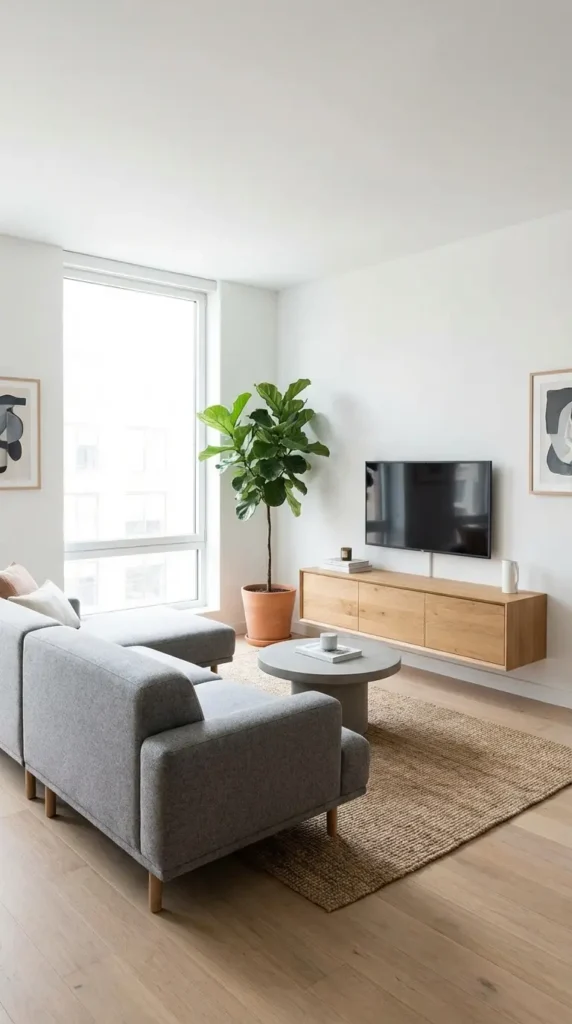
If your living room also needs to function as a guest room, office, or hobby space, consider:
- Sofa beds with a slim profile: Modern sofa beds have evolved dramatically — some are genuinely comfortable to sleep on and look nothing like a fold-out from 2005
- Modular seating systems: Individual pieces that can be rearranged or separated when you need extra floor space
- Storage sofas: Ottoman-style bases or side-opening chaise sections that hide blankets, toys, or remote controls
These small sofa ideas for living room multi-purpose setups let your furniture work twice as hard without the room feeling twice as cluttered.
Also Read : 10 Best Neutral Living Room Ideas for a Calm and Stylish Space
Modern Living Room Sofa Ideas for a Contemporary Feel
If your design sensibility leans toward clean lines, thoughtful materials, and a “less is more” philosophy, modern sofa design has never been more exciting. The contemporary market has moved far beyond the boxy, sterile look that once defined “modern” furniture — today’s modern living room sofa ideas blend function with genuine warmth.
Key Characteristics of Modern Sofas
A modern sofa tends to share a few defining features:
- Low profile: Seat height typically around 16–18 inches, giving a grounded, intentional feel
- Geometric forms: Straight lines, squared edges, and minimal curves
- Visible structure: Exposed legs, frames, or bases that become part of the design
- Restrained palette: Neutral bases with carefully chosen accent cushions
But “modern” doesn’t mean cold. The best modern couch ideas bring warmth through texture — bouclé fabric, chunky knit cushions, warm-toned leather, or hand-stitched detailing that adds artisanal character to an otherwise clean silhouette.
Top Modern Sofa Styles to Consider
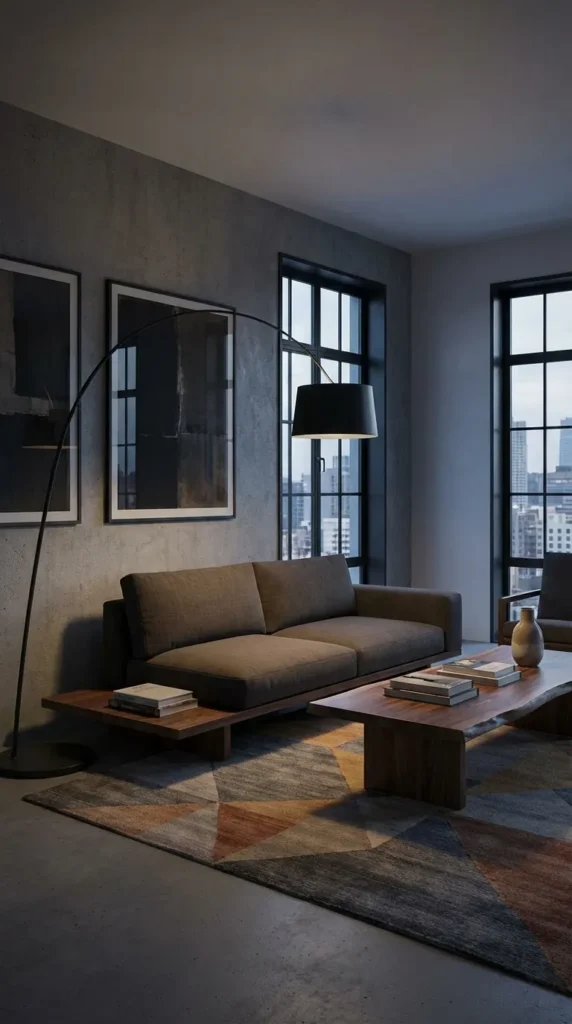
The Track-Arm Sofa With arms that sit flush with the back and align perfectly with the seat cushions, the track-arm sofa is pure geometry. It pairs beautifully with concrete floors, metal accents, and bold abstract art. In a neutral fabric like warm grey or oat linen, it’s the cornerstone of a genuinely sophisticated space.
The Low-Slung Platform Sofa Inspired by Japanese interior design, the platform sofa sits very close to the floor, often on a solid base rather than individual legs. It creates a strong horizontal line across the room, making ceilings feel higher and the space more expansive. Pair with floor cushions, low coffee tables, and natural materials for a cohesive look.
The Modular Sectional One of the most popular modern living room sofa ideas, the modular sectional lets you configure your seating exactly as you need it. Add a chaise here, an ottoman there, and rearrange as your life changes. This flexibility is invaluable for people who move frequently or have evolving family needs.
The Curved Sofa Technically more contemporary than strictly “modern,” the curved sofa has had a massive resurgence. Its organic form softens a room full of sharp architectural lines and creates a natural conversation circle — perfect for social households who entertain regularly.
Also Read : 12 Best Open Kitchen Living Rooms for 2026
Sofa Set Designs Photo Gallery — Classic Looks That Never Go Out of Style
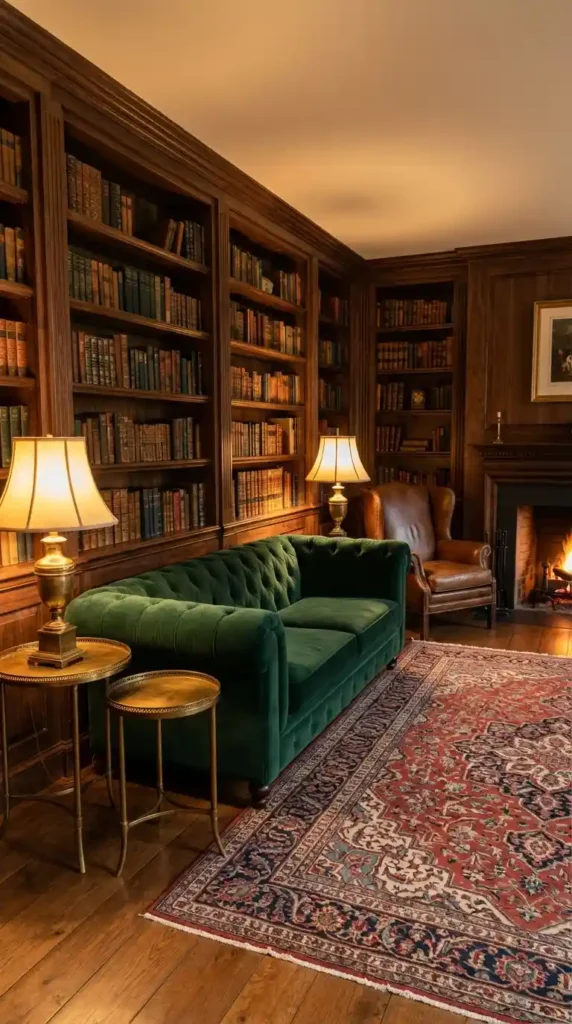
While trends come and go, certain sofa set designs have proven their staying power across decades. These aren’t the sofas that’ll feel dated in three years — they’re the ones that get photographed again and again in interior magazines, pinned endlessly on living room sofa ideas Pinterest boards, and handed down through families.
The Chesterfield
Possibly the most recognizable sofa silhouette in the world. The Chesterfield is defined by its deep button tufting, high rolled arms that sit level with the back, and usually a leather or velvet upholstery. It brings immediate gravitas and old-world sophistication to a space.
Best in: Library-style rooms, maximalist interiors, rooms with dark wood floors, velvet or leather upholstery
Pro tip: A Chesterfield doesn’t have to be brown leather. A deep teal velvet Chesterfield in a white room is one of the most striking design choices you can make.
The Camelback
Named for the distinctive double-humped back (resembling a camel’s silhouette), the camelback sofa is a formal, traditional choice that works exceptionally well in historically styled homes or rooms with antique accents. It’s one of those sofa set designs that looks genuinely elegant rather than simply old-fashioned.
The Mid-Century Modern
With its tapered wooden legs, gently angled back, and tight upholstery, the mid-century modern sofa (think 1950s Danish design) is perpetually in style. It’s on virtually every living room sofa ideas Pinterest board because it hits the sweet spot between retro charm and contemporary simplicity. Works in almost any room size.
The Sectional
From L-shapes to U-shapes to curved configurations, the sectional is today’s most practical sofa choice for families and large spaces. Modern sectionals have shed their bulky reputation and come in sleek, tailored versions that look just as designed as any vintage silhouette.
Sofa Ideas for Big Living Room Spaces — Going Large With Confidence
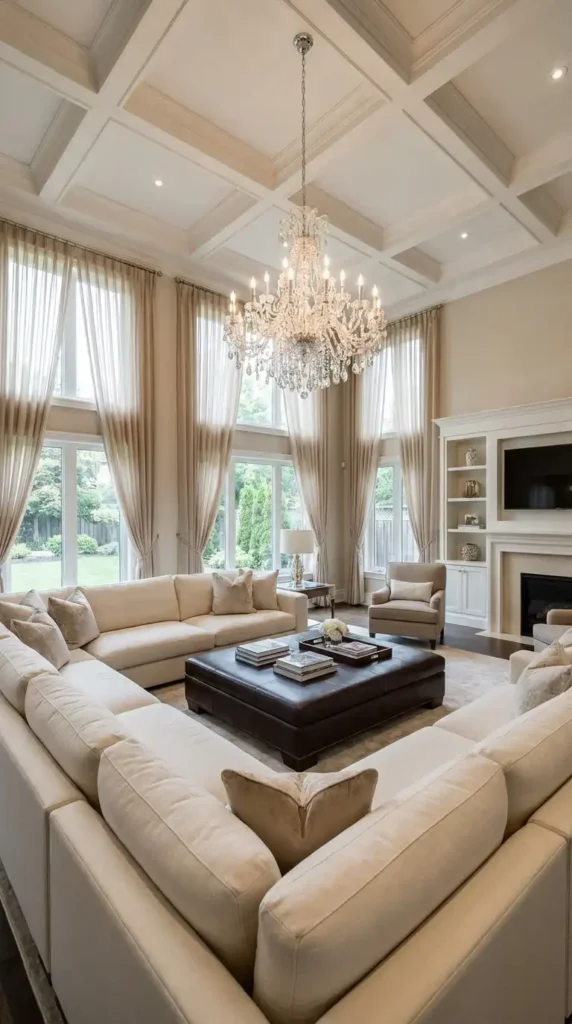
A large living room is a privilege and a challenge in equal measure. Without the right furniture, big rooms feel cold, directionless, and strangely unwelcoming — like a hotel lobby rather than a home. The right sofa ideas for big living room setups are about creating warmth and definition, not just filling square footage.
The Double Sofa Configuration
One of the most elegant solutions for a large living room is placing two identical sofas facing each other, with a coffee table or ottoman between them. This creates a formal, symmetrical conversation area that feels intentional and social rather than just “furniture arranged around a TV.”
Pair this configuration with a large area rug to anchor the whole grouping, and add accent chairs at the ends for extra seating and visual interest.
The U-Shape Sectional
In a very large room, a U-shape sectional acts as both a seating area and a room divider. It defines the living space within the larger room and creates a cozy, enveloping atmosphere that actually makes the big room feel intimate — which is exactly what you want.
Look for sectionals with a central ottoman instead of a closed corner — this allows easy movement in and out of the seating area and gives the piece a more refined look.
Mix Scales Deliberately
In a large room, you can use a large sofa as the anchor and then layer in smaller seating pieces — a pair of elegant accent chairs, a loveseat, a chaise — to create a dynamic seating arrangement that works from multiple angles. This layered approach reads as sophisticated rather than thrown-together.
A key rule for large rooms: Never buy one large sofa and then scatter small furniture around it hoping it’ll work. Everything in the room should relate to the sofa’s scale, color, and style.
Couch Decor Ideas — Styling Your Sofa Like a Pro
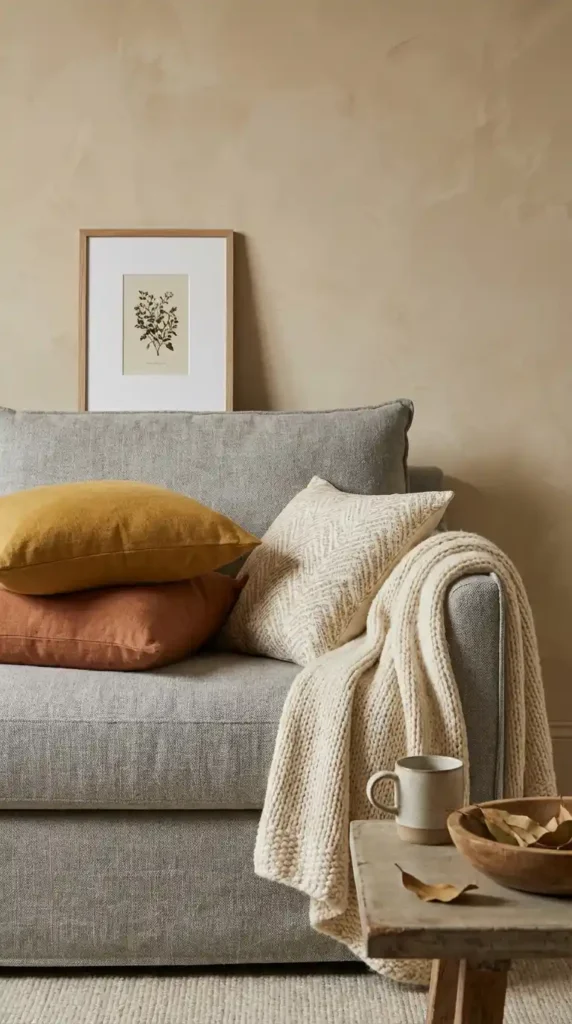
Choosing the right sofa is half the equation. Styling it well is the other half. The most beautiful sofa in the world can look flat and uninspiring without thoughtful couch decor ideas to bring it to life.
The Art of Cushion Layering
Cushion styling is where most people either overthink or underthink. The goal is to create a deliberately imperfect, layered look — not a stiff row of identical pillows.
A foolproof formula:
- Start with two large square cushions (22–24 inches) in a solid color or simple texture — these are your foundation
- Add two medium rectangular lumbar pillows in a complementary pattern or contrasting texture
- Finish with one small accent cushion in a bold color, interesting shape, or unique material
Mix textures liberally: velvet against linen, wool against cotton, fringe against smooth. The contrast is what creates visual richness.
The Throw Blanket
An artfully arranged throw is one of the most powerful couch decor ideas for adding instant warmth and livability. The key is to drape it naturally rather than fold it perfectly. Toss it over one arm, let it pool slightly on the seat cushion, or drape it diagonally across one corner of the sofa.
Choose a throw that’s either complementary or deliberately contrasting to your sofa color. A chunky cream knit over a dark navy sofa is a classic for a reason.
The Coffee Table Relationship
Your sofa and coffee table are in a relationship. They need to match in scale, coordinate in style, and maintain a respectful distance. The coffee table should be roughly two-thirds the length of your sofa, at about the same height as your seat cushions, and placed 14–18 inches away.
Style by sofa type:
- Modern sofa → Geometric coffee table in metal or glass
- Chesterfield sofa → Round drum table in wood or marble
- Sectional → Large rectangular table or a cluster of small round tables
- Mid-century sofa → Teak or walnut table with tapered legs
Living Room Ideas — Building a Complete Design Around Your Sofa
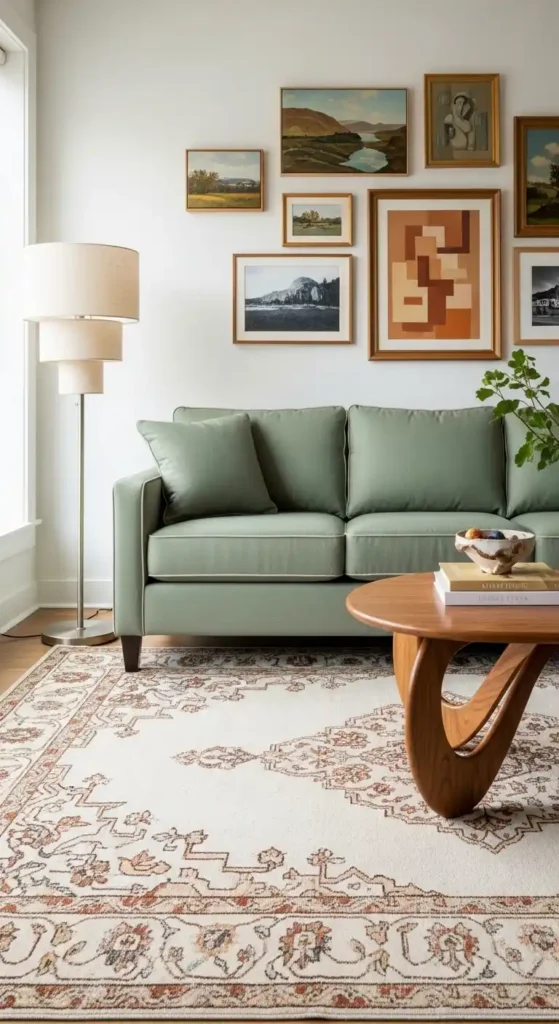
Once you’ve chosen your sofa, every other design decision in the room should respond to it. Your living room ideas should work outward from the sofa as the anchor — not the other way around.
Choose Your Color Palette From the Sofa
Your sofa’s color is the dominant tone in the room. Build a palette of three to four colors from there:
- The dominant color: Your sofa
- The secondary color: Your wall color or main rug — slightly lighter or darker than the sofa
- Accent colors: Cushions, throws, artwork, and accessories — these can be bolder
- Neutral base: Floor color, ceiling, larger furniture pieces
If your sofa is a neutral (grey, beige, cream), you have enormous freedom with your accents. If your sofa is a statement color (emerald, navy, terracotta), keep everything else more restrained.
Lighting Is Everything
The best-designed living room looks wrong in bad lighting. Layer your lighting around the sofa:
- Ambient light: Overhead fixture or recessed lights for general illumination
- Task light: Floor lamp beside the sofa for reading
- Accent light: Table lamp on the console behind the sofa, or wall sconces flanking it
Warm bulbs (2700K–3000K) are almost always the right choice for living rooms — they flatter both the furniture and the people sitting on it.
Rugs Anchor Everything
A rug beneath the sofa defines the conversation area within the larger room. As a rule: the rug should be large enough that the front two legs of the sofa sit on it, at minimum. Ideally, all legs of all seating pieces in the arrangement rest on the rug.
This single decision choosing a rug that’s large enough — is the difference between a living room that looks designed and one that looks assembled.
Fabric Guide — Choosing the Right Sofa Upholstery for Your Life
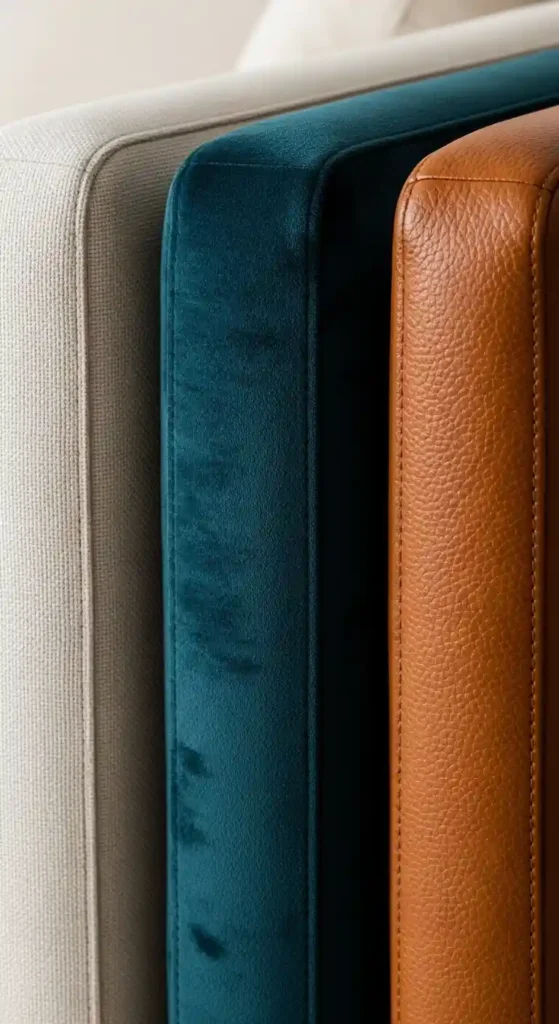
The most gorgeous sofa in the world is useless if the fabric doesn’t suit your lifestyle. This section breaks down your main options so you can choose honestly.
Linen and Cotton Blends
Best for: Style-forward homes without young children or pets Pros: Breathable, naturally textured, incredibly photogenic Cons: Stains easily, wrinkles with use, not pet-friendly
Linen gives a sofa an effortlessly lived-in quality that photographs beautifully — which is why it dominates living room sofa ideas Pinterest boards. Just be honest with yourself about your lifestyle before committing.
Velvet
Best for: Low-traffic spaces, adult households, rooms with controlled sunlight Pros: Luxurious look and feel, rich color depth, surprisingly durable if performance velvet Cons: Shows pet hair, marks from brushing, can fade in direct sunlight
Performance velvet (a synthetic blend engineered to resist stains and wear) gives you most of the visual payoff with far more practical durability. It’s one of the most popular choices in upscale sofa set designs today.
Leather and Faux Leather
Best for: High-traffic homes, pet owners, families with children Pros: Extremely durable, easy to wipe clean, improves with age (genuine leather), timeless look Cons: Cold in winter, hot in summer, not vegan-friendly (genuine leather), can crack if poorly maintained
Full-grain leather is a genuine investment — a quality leather sofa can last 20+ years and genuinely get better-looking over time. Faux leather (PU or PVC) has improved dramatically in quality and is a solid budget-conscious choice.
Performance Fabrics
Best for: Families, pet owners, anyone who values practicality alongside style Pros: Engineered to repel stains, moisture, and pet hair while mimicking natural textures Cons: Less breathable than natural fabrics, slightly less beautiful up close
Performance fabrics have genuinely revolutionized the sofa market. You can now find modern living room sofa ideas in performance versions of linen, velvet, bouclé, and tweed — meaning you don’t have to sacrifice beauty for practicality.
Modern Couch Ideas by Room Style
Every interior style has its ideal sofa match. Here’s how to find yours.
Scandinavian Minimalism
Pale oak legs, solid neutral upholstery (ivory, light grey, warm white), track arms, tight cushions. Keep it low-profile and uncluttered. Add texture through a chunky throw and simple geometric cushions. No fringe, no excessive tufting.
Best sofa pick: Mid-century two-seater or compact three-seater with exposed wood legs in a light natural tone.
Maximalist and Eclectic
Go big, go bold. A jewel-toned velvet Chesterfield, an oversized curved sectional in blush, or a patterned sofa in an intricate textile — maximalism rewards confidence. Layer the cushions heavily, mix patterns freely, and don’t be afraid of color.
Best sofa pick: Velvet Chesterfield, curved sofa in a saturated color, or a boldly patterned upholstered sofa.
Bohemian/Boho
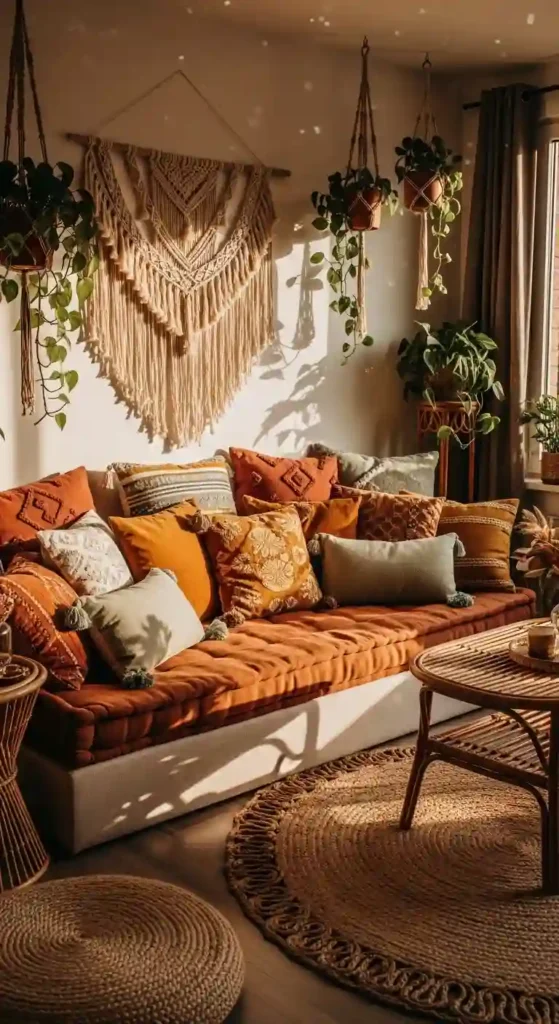
Look for natural, earthy upholstery — warm linen, woven cotton, or macramé-textured fabric. Add layers of cushions in terracotta, sage, rust, and ochre. Pair with rattan side tables, jute rugs, and trailing plants. The sofa should feel like it’s been collected, not purchased.
Best sofa pick: A low-slung sofa in warm beige or rust linen with oversized cushions and a woven throw.
Industrial Chic
Leather is the natural partner for industrial interiors. A brown or black leather sofa beside exposed brick, metal shelving, and factory-style pendant lighting is one of the most cohesive design combinations available. Go for a simple, structured silhouette without decorative details.
Best sofa pick: Two-seater or three-seater leather sofa with metal legs and minimal detailing.
Coastal and Relaxed
Think white or pale blue upholstery, slipcovered sofas that can be washed, natural wood tones, and relaxed, generous proportions. The coastal living room feels like a place you’d actually want to spend a lazy afternoon, not a room that’s too precious to use.
Best sofa pick: Slipcovered three-seater in white or sky blue, or a wicker-based sofa for true beachside vibes.
Sofa Arrangement Ideas — Where to Place Your Sofa for Maximum Impact
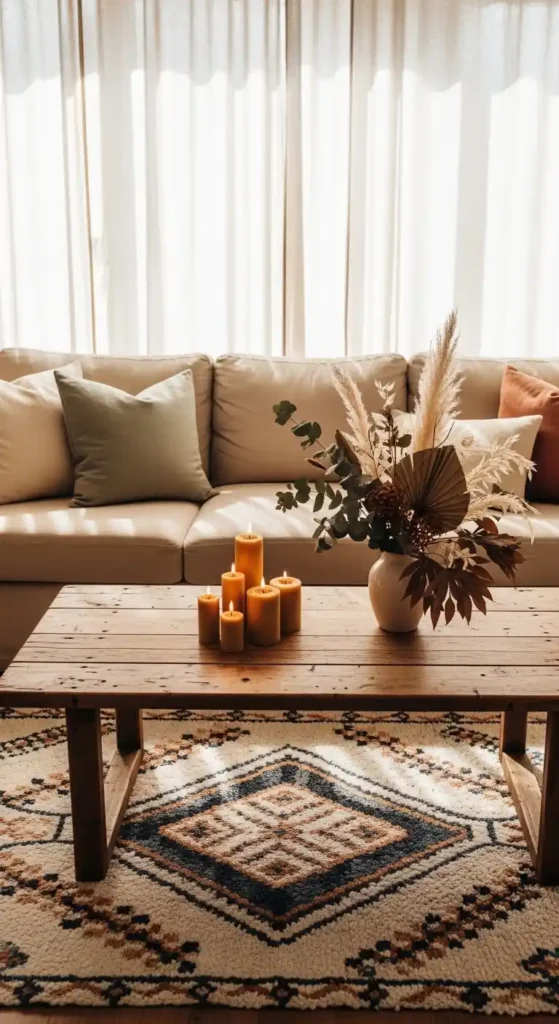
Even a perfect sofa can underperform if it’s in the wrong position. Here are the most effective arrangement strategies based on room type.
Floating the Sofa
One of the most common mistakes in living room design is pushing the sofa against the wall. This feels instinctively “safe” but actually makes large rooms feel less intimate and conversational. Try pulling your sofa 12–24 inches away from the wall and see how the room opens up.
A floating sofa with a console table behind it creates a natural boundary that defines the seating area without visual heaviness.
Facing the Focal Point
Every living room has (or should have) a focal point — a fireplace, a large window, a feature wall, or a TV. Your sofa should face this focal point as its primary orientation. This is non-negotiable for comfort and logical for conversation.
The Opposite-Sofa Arrangement
In large rooms, placing two sofas facing each other (with a coffee table or ottoman between them) is one of the most sophisticated arrangements possible. It creates a defined conversation area, feels generous and welcoming, and visually grounds even the largest spaces.
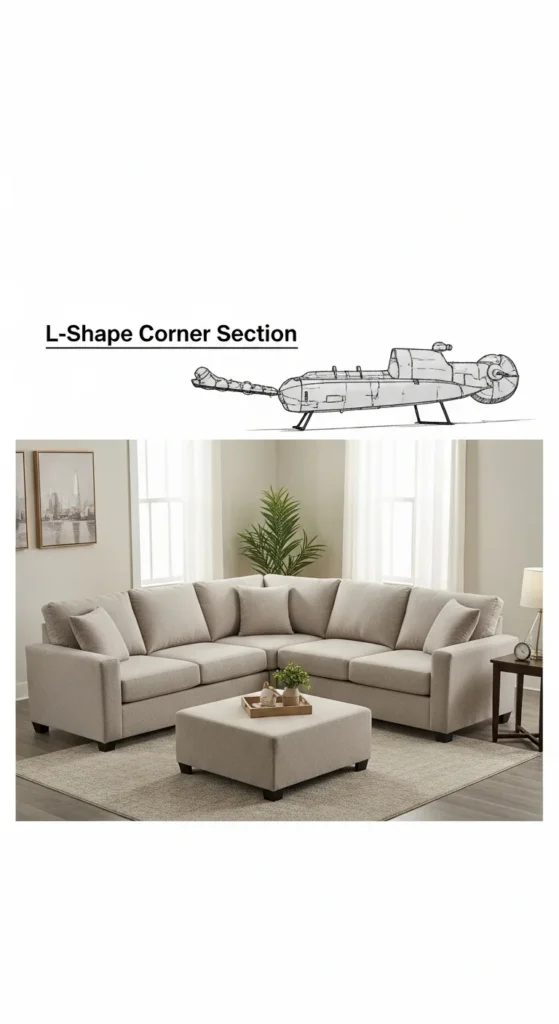
The L-Shape for Corner Rooms
If your room has a prominent corner, an L-shaped sectional is designed specifically for this scenario. The chaise or longer arm goes into the corner while the main sofa body faces into the room. This maximizes seating without wasting corner space.
Budget Guide — What to Expect at Every Price Point
Quality sofas exist at every price point, but knowing what to expect prevents disappointment and misplaced spending.
Under $800 — Entry Level
At this price point, you’re primarily choosing appearance over longevity. Entry-level sofas can look great, but expect to replace them in 3–5 years. Look for solid wood frames (avoid particleboard), spring-based seat support rather than just foam, and performance fabric if you have children or pets.
Best for: Renters, first apartments, spaces in transition.
$800–$2,000 — Mid-Range
This is where quality starts to matter in a meaningful way. At this price point, you should be getting hardwood frames, higher-density foam cushions (1.8+ lb/cubic foot), and better construction throughout. Many of the best modern couch ideas in terms of value-to-quality live in this range.
Best for: Primary living rooms, established homes, anyone who wants a sofa that lasts 8–12 years.
$2,000–$5,000 — Upper-Mid Range
Genuine craftsmanship territory. Expect hand-tied spring coils (not just webbing), down-wrapped cushions, superior fabric options, and customization — choose your fabric, leg finish, cushion firmness, and dimensions. These sofas often come with meaningful warranties and last 15+ years with care.
Best for: Homeowners making a long-term investment, anyone who cares deeply about comfort.
$5,000+ — Luxury
At this level, you’re paying for exceptional materials, artisanal construction, and brand heritage. Italian leather, hand-stitched details, bespoke customization, and frames built to last a generation. Worth every penny if you’re building a forever home — or can’t justify settling for anything less.
Sustainable and Ethical Sofa Buying — What to Look For
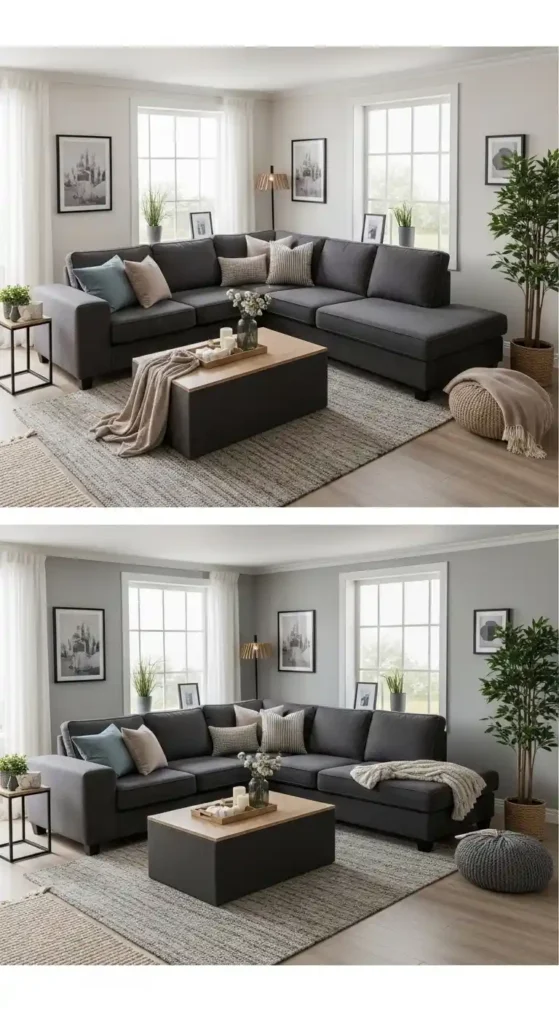
As awareness of environmental impact grows, more shoppers are asking questions about where their furniture comes from and how it was made. The good news is that sustainable sofa ideas for living room spaces are increasingly accessible.
What Makes a Sofa Sustainable?
- FSC-certified timber frames: Ensures wood comes from responsibly managed forests
- Natural, non-toxic fills: Natural latex, wool, or certified foam alternatives instead of conventional polyurethane foam
- GREENGUARD-certified fabrics: Independently tested for low chemical emissions
- Made-to-order production: Reduces waste from unsold inventory
- Durable construction: The most sustainable sofa is one you never have to replace
Brands Making Strides
Several furniture brands have made meaningful commitments to sustainable practices using recycled materials, reducing carbon footprints in shipping, offering take-back or recycling programs for old furniture, and being transparent about their supply chains.
When shopping, don’t be afraid to ask. A brand that’s serious about sustainability will be proud to answer questions about its practices.
Common Sofa Buying Mistakes and How to Avoid Them
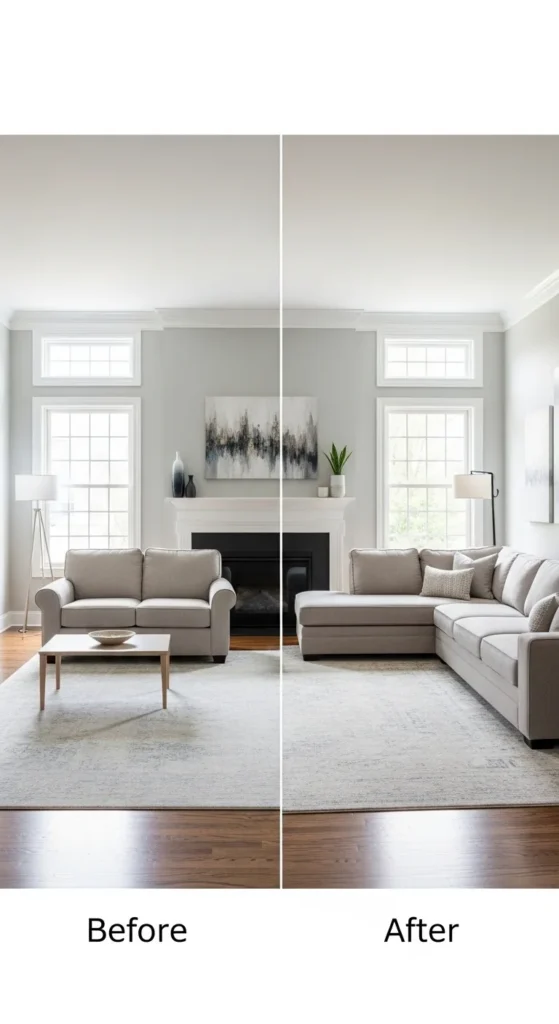
Even well-intentioned, research-forward buyers make these mistakes. Knowing them in advance can save you considerable time, money, and frustration.
Mistake 1: Buying before measuring Always measure the room, the sofa, and the delivery path before purchasing. No exceptions.
Mistake 2: Prioritizing looks over comfort Sit in a sofa for at least 10 minutes in a showroom. Lie down if you’re a napper. Ask about seat depth a 24-inch deep seat is very different from a 20-inch deep seat in daily use.
Mistake 3: Choosing the wrong fabric for your lifestyle Light linen in a house with two dogs and three children will be ruined within months. Be honest about your life.
Mistake 4: Buying too small for the room This is the more common mistake — people buy small out of fear and end up with a sofa that looks lost in the space. If you’re unsure, go slightly larger.
Mistake 5: Not considering delivery logistics Third-floor apartment with a tight stairwell? Measure the doorway, the hallway, AND the stairwell before ordering anything wider than 30 inches.
Mistake 6: Matching everything perfectly A room where everything matches is a room that lacks character. Let the sofa be the anchor, but let other pieces have their own personality.
How to Refresh Your Existing Sofa Without Replacing It
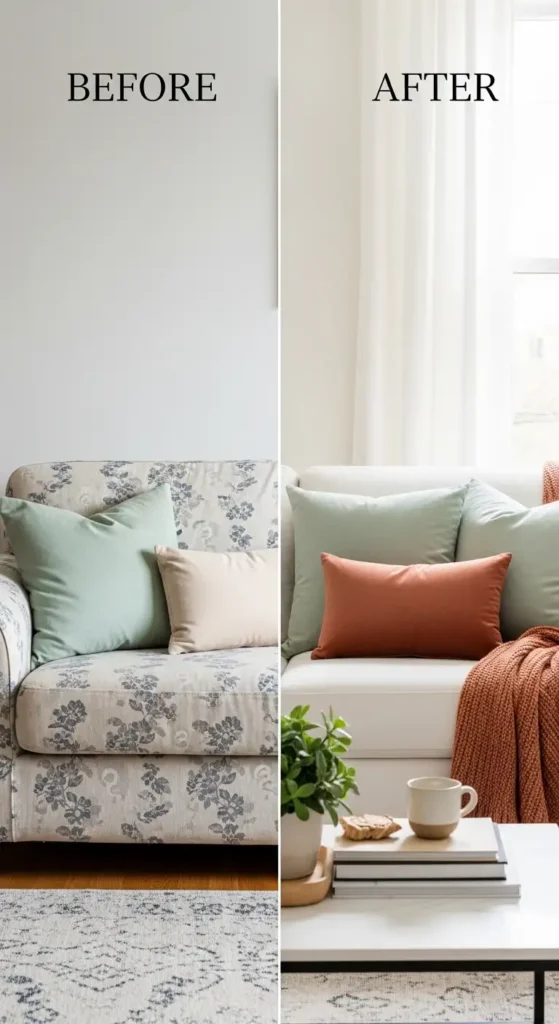
Not every sofa situation requires a brand-new purchase. Sometimes the right couch decor ideas can completely transform a sofa you already own saving money and reducing waste at the same time.
Reupholstering
A quality sofa frame with tired fabric is an excellent reupholstering candidate. A skilled upholsterer can refresh the fabric, replace the cushion foam, and structurally reinforce the frame effectively giving you a new sofa with the bones of a high-quality original. This often costs 40–60% of a new sofa’s price, but the result is a piece built to your exact specifications.
Slipcovers
Modern slipcovers have come a long way from the saggy, ill-fitting versions of the past. Well-made, tailored slipcovers can completely change the color and feel of a sofa in an afternoon. They’re washable, seasonal, and affordable a genuinely brilliant solution for renters or anyone who likes to refresh their space with the seasons.
New Cushion Covers and Inserts
Sometimes the frame and cushions are fine the covers are just dated or worn. Replacing cushion covers is an inexpensive way to dramatically update the sofa’s appearance. New, firmer cushion inserts can also restore a saggy sofa to its former comfort levels.
Styling Updates
New throw pillows, a fresh throw blanket, and a different coffee table arrangement can make an old sofa feel like a new purchase especially if you update the rug and lighting at the same time. Never underestimate the power of good couch decor ideas applied to a sofa you already love.
Frequently Asked Questions
1: What size sofa is best for a living room?
The ideal sofa size depends on your room’s dimensions. As a general guide, your sofa should take up roughly two-thirds of the main wall it sits against. Leave at least 18 inches between the sofa and coffee table, and 30–36 inches for main walkways. For most average-sized living rooms, a 84–96 inch sofa is a safe starting point.
2: How many sofa ideas for small living room actually work in practice?
More than most people think. The most effective strategies include choosing a slim-profile sofa with raised legs, keeping the color light or using a bold statement color, opting for a compact sectional rather than a sprawling L-shape, and floating the sofa away from the wall to create the illusion of more space.
3: What is the most durable sofa fabric?
Full-grain leather is the most durable natural material, capable of lasting 20+ years with proper care. Among fabric options, performance weaves (often polyester-based or solution-dyed acrylic) offer the best combination of durability, stain resistance, and aesthetic appeal — making them the top choice for families and pet owners.
4: How do I style cushions on a sofa?
Use the layering formula: start with two large square cushions at the back corners, add two medium lumbar cushions in front, and finish with one small accent cushion in the center. Mix textures and patterns within a cohesive color palette. Odd numbers of cushions tend to look more natural than even numbers.
5: Can I put a sectional sofa in a small room?
Yes as long as you choose a compact sectional specifically designed for smaller spaces. Look for sectionals with overall dimensions under 90 inches on each leg, slim arms, and no bulky corner pieces. Many brands offer “apartment-sized” sectionals built exactly for this purpose.
6: What are the most popular sofa styles right now?
Currently trending are curved sofas, boucle fabric sofas, modular sectionals, and earth-tone velvet sofas. On Pinterest and interior design platforms, living room sofa ideas Pinterest boards are heavily featuring organic shapes, warm neutrals, and handcrafted textures as a reaction to the overly stark minimalism of recent years.
7: How far should a sofa be from the wall?
Ideally, 2–6 inches minimum behind the sofa for air circulation and cleaning access. However, floating the sofa 12–24 inches from the wall is a design strategy that makes rooms feel more intentional and spacious — especially effective in large rooms.
8: What sofa color is easiest to keep clean?
Mid-toned colors like warm grey, camel, and medium brown show neither every piece of lint (like dark colors) nor every stain (like light colors). In fabric terms, patterned upholstery hides daily wear and spills better than solid colors, regardless of the specific hue.
9: Are L-shaped sofas good for small rooms?
It depends on the size of the L-shape. Compact L-shaped sectionals designed for smaller spaces can work beautifully — they maximize seating while using corner space that would otherwise be wasted. Avoid oversized L-shaped sectionals (over 110 inches on the long side) in rooms under 14 feet wide.
10: How long should a sofa last?
A well-made sofa with a hardwood frame, quality cushion fills, and durable fabric should last 10–15 years with normal use and proper care. Entry-level sofas often last 3–7 years. Luxury custom-made pieces can last 20–30 years and are worth the investment for homeowners building a long-term space.
11: What’s the difference between a sofa and a couch?
While the terms are used interchangeably today, traditionally a sofa was a more formal piece designed for sitting, while a couch (from the French “coucher,” to lie down) was more casual and designed for reclining. In contemporary usage, the distinction is largely irrelevant — both words refer to the same piece of furniture.
12: Should my sofa match my other furniture?
Not necessarily and in many cases, a perfect match creates a dull, showroom-like effect. A better approach is to coordinate: choose pieces that share a common color palette, material family, or stylistic era without being identical. This creates harmony without monotony.
13: How do I choose between a sofa and a sectional?
If you have a large room, frequently host people, or want maximum lounging space, a sectional is usually the better choice. If you have a smaller room, prefer more formal seating, or want to keep your arrangement flexible, a standard sofa is typically better. Consider both your current lifestyle and your anticipated needs over the next 5–10 years.
14: What are the best colors for living room sofas in 2025?
The most popular sofa colors right now include warm terracotta, sage green, warm ivory/cream, camel/caramel, and dusty rose. Neutral grey sofas remain consistently popular as a versatile, long-lasting choice. Jewel tones like emerald and deep navy are having a strong moment in maximalist interiors.
15: How do I keep my sofa looking new?
Rotate and flip cushions regularly to distribute wear evenly. Vacuum fabric sofas weekly. Wipe leather sofas with a dry cloth and condition periodically. Keep the sofa out of direct sunlight to prevent fading. Use armrest covers if you notice wear in high-contact areas. And address spills immediately — the longer a stain sits, the harder it is to remove.
FAQ 1: What size sofa is best for a living room?
The ideal sofa size depends on your room’s dimensions. As a general guide, your sofa should take up roughly two-thirds of the main wall it sits against. Leave at least 18 inches between the sofa and coffee table, and 30–36 inches for main walkways. For most average-sized living rooms, a 84–96 inch sofa is a safe starting point.
FAQ 2: How many sofa ideas for small living room actually work in practice?
More than most people think. The most effective strategies include choosing a slim-profile sofa with raised legs, keeping the color light or using a bold statement color, opting for a compact sectional rather than a sprawling L-shape, and floating the sofa away from the wall to create the illusion of more space.
FAQ 3: What is the most durable sofa fabric?
Full-grain leather is the most durable natural material, capable of lasting 20+ years with proper care. Among fabric options, performance weaves (often polyester-based or solution-dyed acrylic) offer the best combination of durability, stain resistance, and aesthetic appeal — making them the top choice for families and pet owners.
FAQ 4: How do I style cushions on a sofa?
Use the layering formula: start with two large square cushions at the back corners, add two medium lumbar cushions in front, and finish with one small accent cushion in the center. Mix textures and patterns within a cohesive color palette. Odd numbers of cushions tend to look more natural than even numbers.
FAQ 5: Can I put a sectional sofa in a small room?
Yes — as long as you choose a compact sectional specifically designed for smaller spaces. Look for sectionals with overall dimensions under 90 inches on each leg, slim arms, and no bulky corner pieces. Many brands offer “apartment-sized” sectionals built exactly for this purpose.
FAQ 6: What are the most popular sofa styles right now?
Currently trending are curved sofas, boucle fabric sofas, modular sectionals, and earth-tone velvet sofas. On Pinterest and interior design platforms, living room sofa ideas Pinterest boards are heavily featuring organic shapes, warm neutrals, and handcrafted textures as a reaction to the overly stark minimalism of recent years.
FAQ 7: How far should a sofa be from the wall?
Ideally, 2–6 inches minimum behind the sofa for air circulation and cleaning access. However, floating the sofa 12–24 inches from the wall is a design strategy that makes rooms feel more intentional and spacious — especially effective in large rooms.
FAQ 8: What sofa color is easiest to keep clean?
Mid-toned colors like warm grey, camel, and medium brown show neither every piece of lint (like dark colors) nor every stain (like light colors). In fabric terms, patterned upholstery hides daily wear and spills better than solid colors, regardless of the specific hue.
FAQ 9: Are L-shaped sofas good for small rooms?
It depends on the size of the L-shape. Compact L-shaped sectionals designed for smaller spaces can work beautifully — they maximize seating while using corner space that would otherwise be wasted. Avoid oversized L-shaped sectionals (over 110 inches on the long side) in rooms under 14 feet wide.
FAQ 10: How long should a sofa last?
A well-made sofa with a hardwood frame, quality cushion fills, and durable fabric should last 10–15 years with normal use and proper care. Entry-level sofas often last 3–7 years. Luxury custom-made pieces can last 20–30 years and are worth the investment for homeowners building a long-term space.
FAQ 11: What’s the difference between a sofa and a couch?
While the terms are used interchangeably today, traditionally a sofa was a more formal piece designed for sitting, while a couch (from the French “coucher,” to lie down) was more casual and designed for reclining. In contemporary usage, the distinction is largely irrelevant — both words refer to the same piece of furniture.
FAQ 12: Should my sofa match my other furniture?
Not necessarily — and in many cases, a perfect match creates a dull, showroom-like effect. A better approach is to coordinate: choose pieces that share a common color palette, material family, or stylistic era without being identical. This creates harmony without monotony.
FAQ 13: How do I choose between a sofa and a sectional?
If you have a large room, frequently host people, or want maximum lounging space, a sectional is usually the better choice. If you have a smaller room, prefer more formal seating, or want to keep your arrangement flexible, a standard sofa is typically better. Consider both your current lifestyle and your anticipated needs over the next 5–10 years.
FAQ 14: What are the best colors for living room sofas in 2025?
The most popular sofa colors right now include warm terracotta, sage green, warm ivory/cream, camel/caramel, and dusty rose. Neutral grey sofas remain consistently popular as a versatile, long-lasting choice. Jewel tones like emerald and deep navy are having a strong moment in maximalist interiors.
FAQ 15: How do I keep my sofa looking new?
Rotate and flip cushions regularly to distribute wear evenly. Vacuum fabric sofas weekly. Wipe leather sofas with a dry cloth and condition periodically. Keep the sofa out of direct sunlight to prevent fading. Use armrest covers if you notice wear in high-contact areas. And address spills immediately — the longer a stain sits, the harder it is to remove.
Final Thoughts
Finding the perfect sofa is one of the most impactful decisions you can make for your home. The right piece transforms a living room from a collection of furniture into a space that genuinely reflects who you are and how you live. Whether you’re hunting for sofa ideas for small living room setups, exploring modern living room sofa ideas for a contemporary renovation, or looking for sofa ideas for big living room spaces that actually fill the room with warmth rather than just furniture — the answer always starts with knowing your space, your lifestyle, and your priorities.
Take your time with this decision. Measure twice. Sit in showrooms. Order fabric samples. And when you find the one that checks every box — style, comfort, scale, and practicality — trust your instincts. Because the best sofa is the one you can’t wait to come home to.
Related searches: sofa ideas for small living room | modern living room sofa ideas | living room sofa ideas pinterest | sofa set designs photo gallery | sofa ideas for big living room | modern couch ideas | couch decor ideas | living room ideas | small sofa ideas for living room