
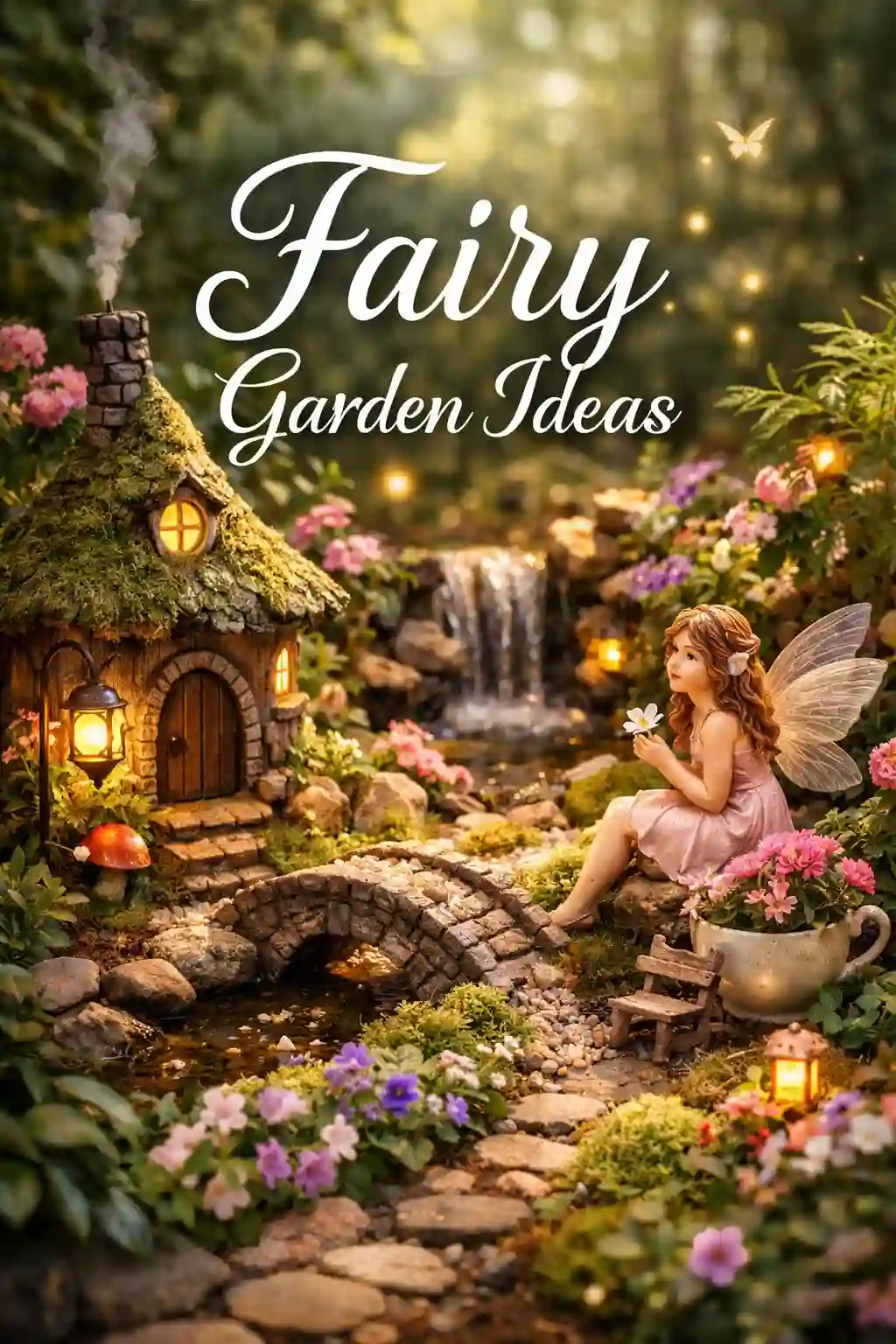
Fairy gardens are tiny, magical gardens that look like they belong in a storybook. They are small enough to fit in a pot, a jar, or even a teacup, yet full of life, charm, and creativity. Over the past few years, fairy garden ideas have become extremely popular because anyone, whether a child or adult, can enjoy creating them.
A fairy garden usually includes small plants, tiny houses, miniature furniture, decorative mushrooms, and other fun accessories. People love building them in their backyards, on balconies, inside terrariums, or even on tabletops. The best part is you don’t need a large garden or expensive materials to get started. With a bit of imagination, you can create a magical world.
In this complete guide, we will cover:
- DIY fairy garden ideas
- Mini fairy garden ideas
- Indoor and outdoor fairy garden designs
- The best plants for fairy gardens
- Accessories that make your fairy garden come alive
- Seasonal fairy garden ideas
- Step-by-step tips to build your own magical garden
By the end of this article, you’ll have all the inspiration you need to create your own fairy garden.
What is a Fairy Garden?
A fairy garden is a miniature garden designed to look like a magical place where fairies could live. These gardens can be as simple as a small container with moss and tiny decorations, or as elaborate as a backyard landscape filled with bridges, pathways, and miniature cottages.
Most fairy gardens include:
- Small plants or moss
- Tiny fairy houses or cottages
- Decorative pathways made from pebbles, stones, or gravel
- Mini furniture like benches, swings, or tables
- Fairy figurines
- Decorative elements such as bridges, mushrooms, lanterns, and tiny animals
One of the reasons fairy garden ideas are so popular is because each garden is unique. You can design yours to tell a story, create a magical village, or just make a beautiful, peaceful corner of your home or garden.
Also Read: The Ultimate Guide to Low Lights Plant Indoor That Instantly Transform Your Home in 2026
Why Fairy Gardens are Popular
Fairy gardens are loved for many reasons:
1. Creativity and Fun
Creating a fairy garden allows you to use your imagination. Every stone, plant, or miniature decoration adds to the story.
2. Great for Small Spaces
Even if you don’t have a backyard, you can still create a fairy garden in a pot, jar, or teacup.
3. Relaxing Hobby
Designing and arranging a fairy garden can be very relaxing. It’s a peaceful activity that can help reduce stress.
4. Family-Friendly
Kids love fairy gardens because they feel like building a tiny magical world. It’s a fun family project.
5. Beautiful Decor
Fairy gardens are not just fun; they are also beautiful. They add charm to your home, balcony, or garden.
DIY Fairy Garden Ideas
DIY fairy gardens are the easiest way to start building your miniature world. You don’t need fancy tools or expensive materials. Here are some beginner-friendly ideas.
1. Fairy Garden in a Flower Pot
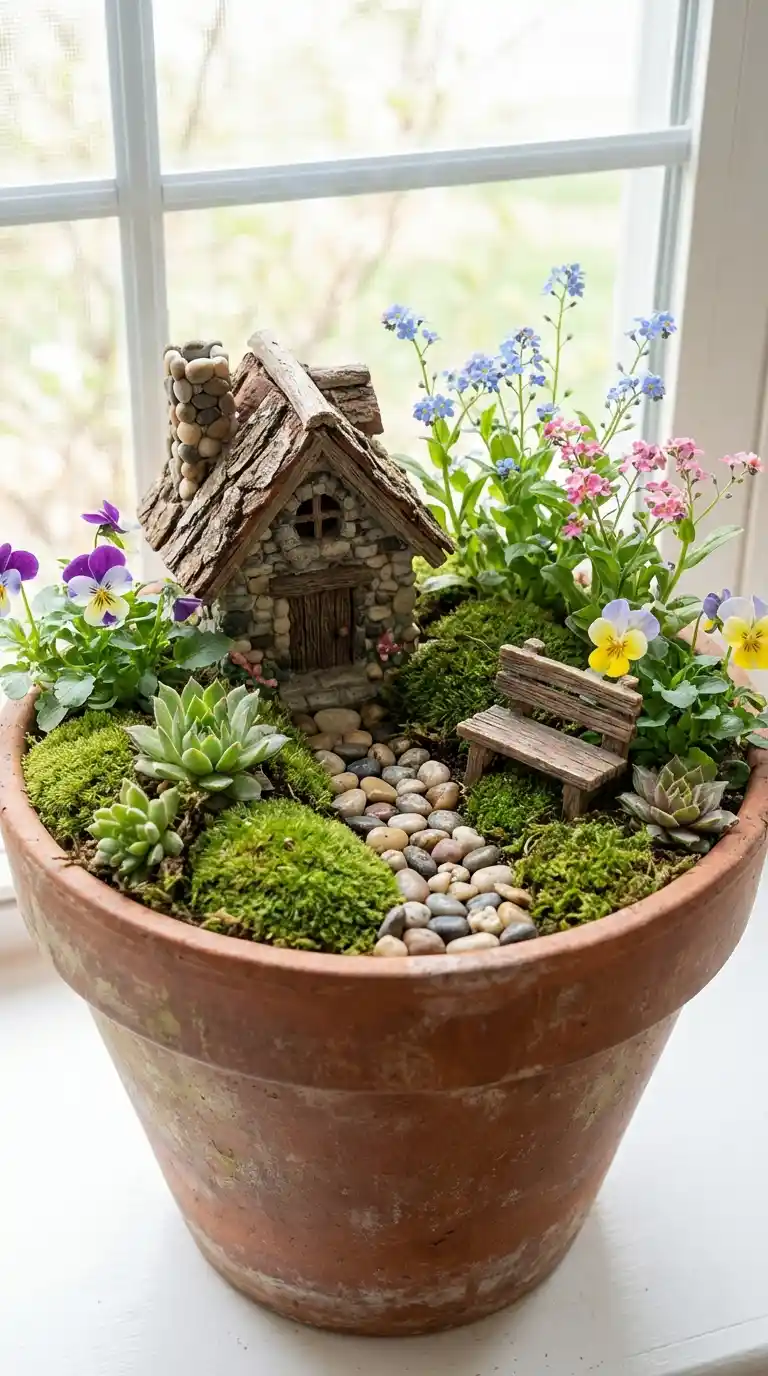
A simple flower pot can be the starting point for your fairy garden.
Steps:
- Fill a pot with soil.
- Plant small succulents or moss.
- Add a tiny fairy house.
- Create a pathway with small pebbles.
- Place miniature furniture like a bench or swing.
2. Broken Pot Fairy Garden
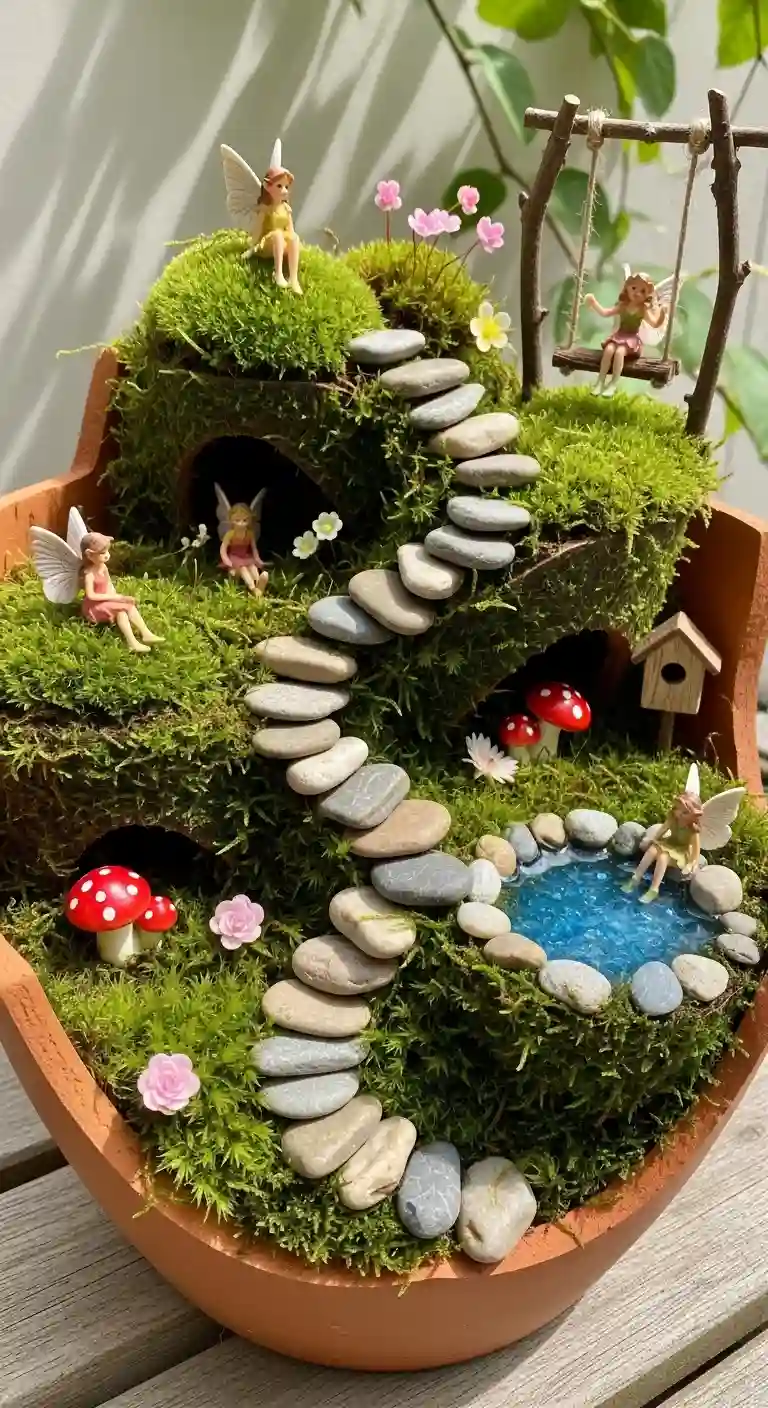
Instead of throwing out a broken pot, turn it into a multi-level garden.
Steps:
- Stack broken pieces to create layers.
- Add soil and plants to each level.
- Place miniature furniture and fairy figurines.
- Use small stones to create stairs or paths.
This is one of the most creative DIY fairy garden ideas, giving the garden a layered, magical look.
3. Teacup Fairy Garden
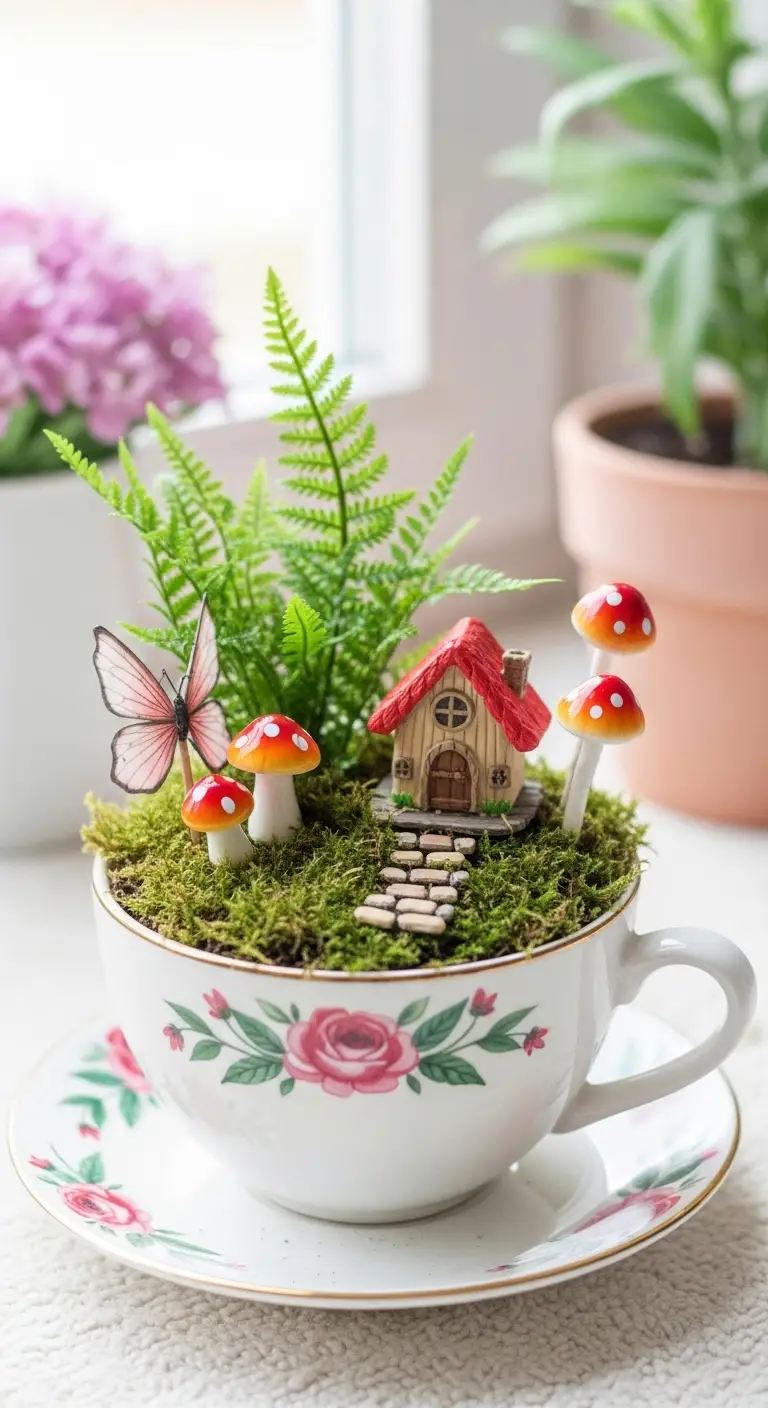
A teacup fairy garden is adorable and perfect for small spaces.
Steps:
- Fill a large teacup with soil.
- Add moss or small plants.
- Place a tiny fairy house or mushroom decoration.
Teacup gardens are cute enough to sit on a desk or windowsill.
4. Mason Jar Fairy Garden
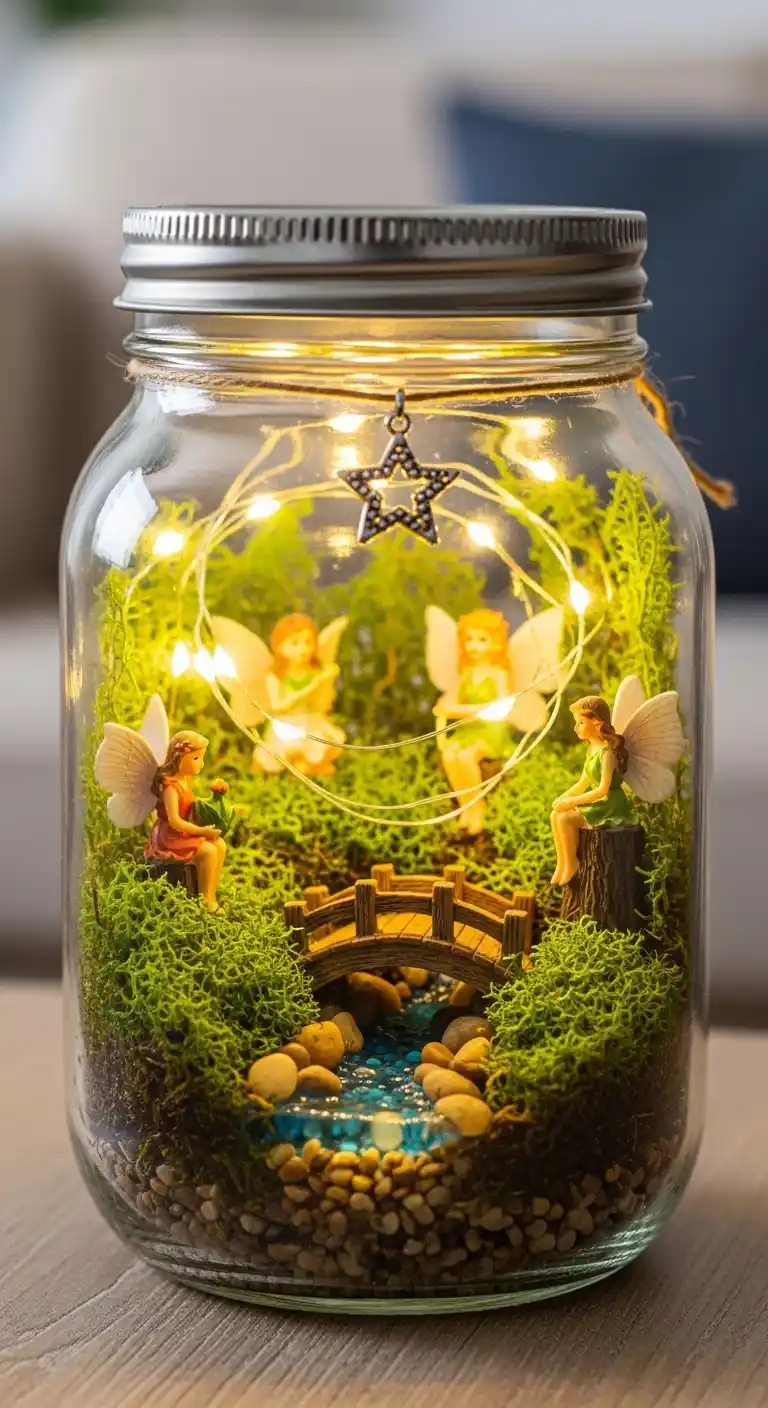
Mason jars can make beautiful miniature terrariums.
Steps:
- Add a layer of small stones for drainage.
- Add soil and moss.
- Plant tiny plants.
- Add miniature decorations such as a fairy figurine or bridge.
This is one of the most popular indoor fairy garden ideas.
Mini Fairy Garden Ideas
If you don’t have a lot of space, mini gardens are perfect. They can be created in containers, bowls, jars, or small outdoor patches.
1. Succulent Fairy Garden
Succulents are ideal because they grow slowly and need minimal care.
Great succulents:
- Echeveria
- Sedum
- Jade plant
- Haworthia
Place them around a tiny house or figurine to create a miniature landscape.
2. Tiny Fairy Village
You can create a miniature fairy village using:
- Small houses
- Bridges
- Benches
- Decorative mushrooms
Each corner can tell a story. Children especially enjoy creating these tiny worlds.
3. Fairy Garden Pathways
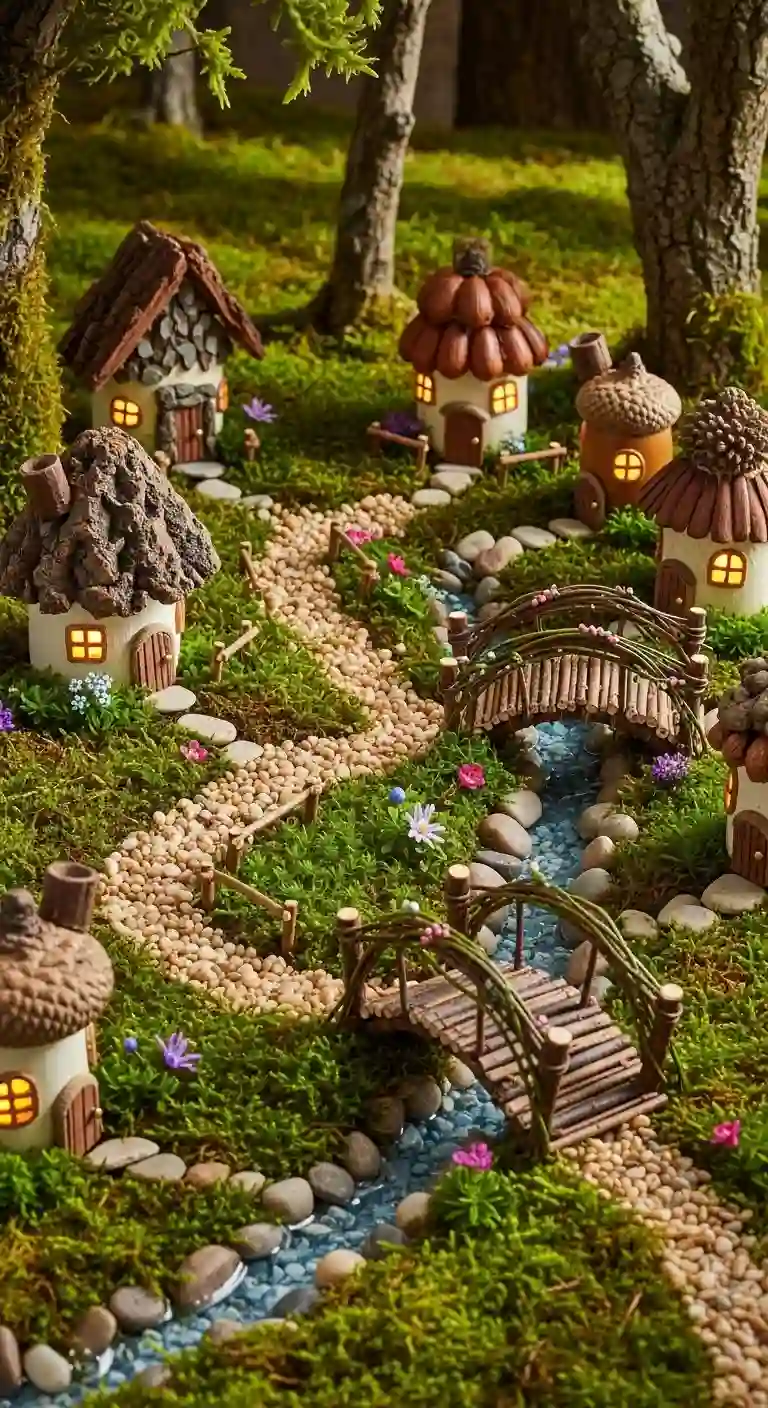
Create winding paths using:
- Pebbles
- Crushed shells
- Tiny wooden sticks
- Mosaic stones
A pathway adds charm and realism.
Indoor Fairy Garden Ideas
Indoor gardens are ideal for apartments or rooms without outdoor space.
- Fairy garden terrariums
- Bowls with moss and tiny decorations
- Windowsill gardens with small plants
These indoor fairy garden ideas make beautiful decorative pieces.
Fairy Garden Terrarium
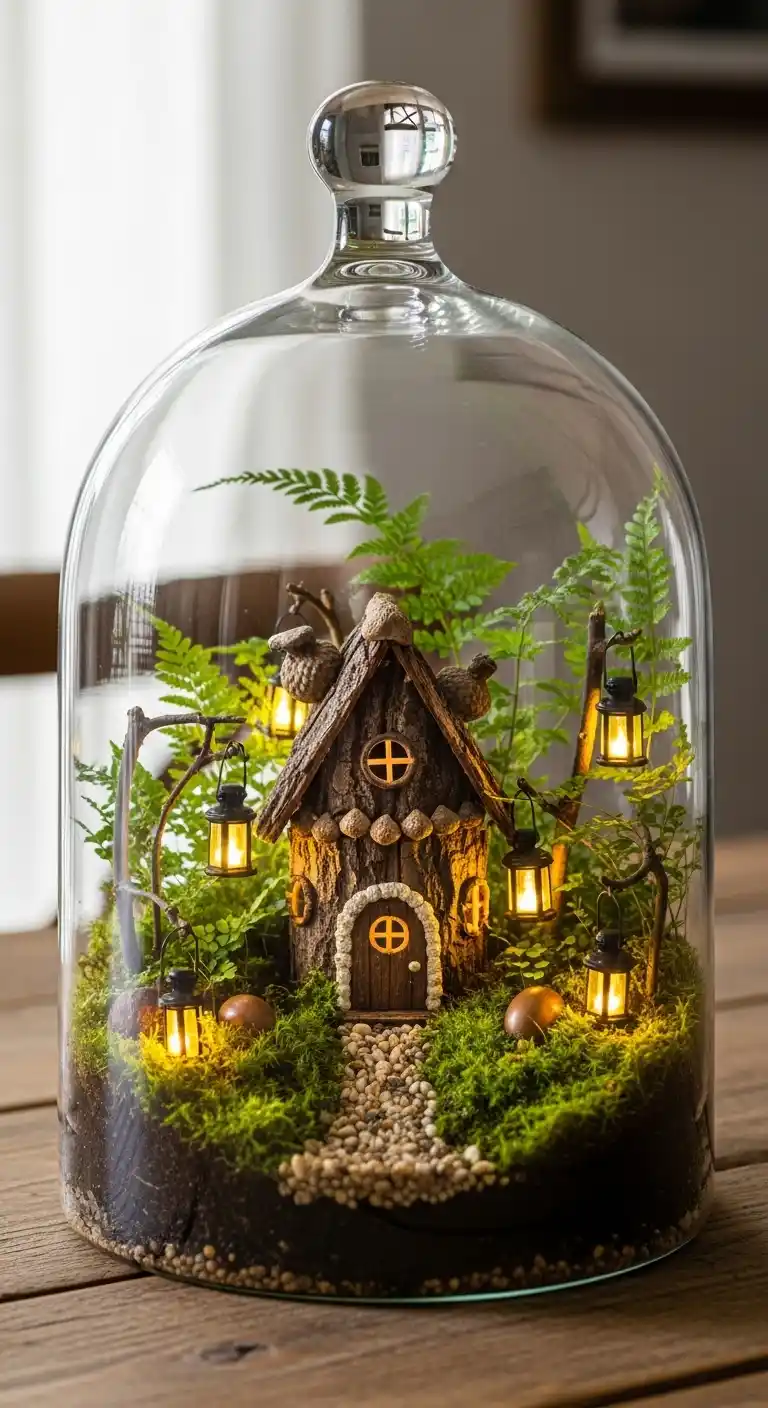
Glass terrariums are perfect for creating tiny landscapes. Plants like moss, baby tears, or mini ferns work well.
Outdoor Fairy Garden Ideas
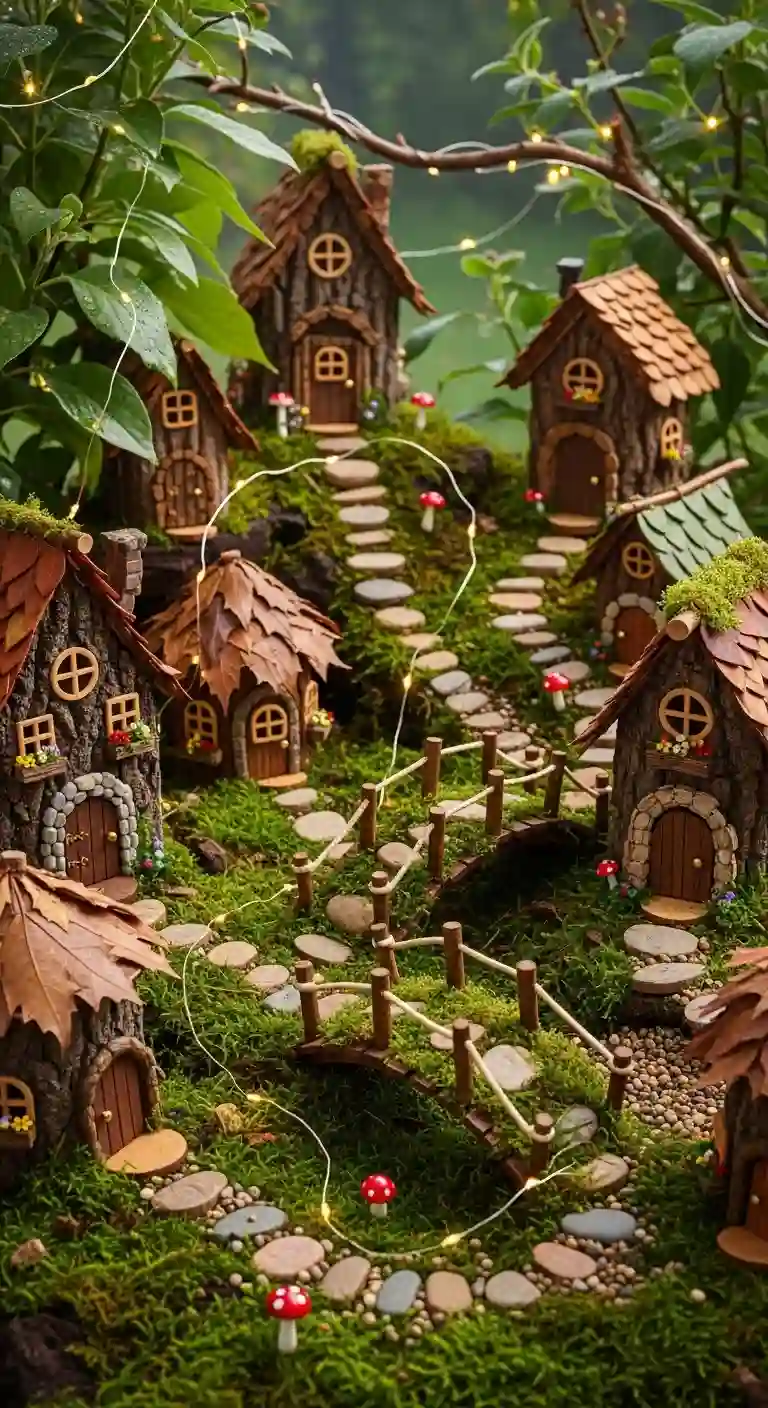
If you have a backyard, you can go bigger.
1. Fairy Garden Under a Tree
- Place a tiny door on the tree trunk
- Create pebble pathways
- Add mini furniture and lanterns
2. Backyard Fairy Village
- Create multiple tiny houses
- Add bridges and stone pathways
- Use moss and flowers to decorate
Best Plants for Fairy Gardens
Plants make a fairy garden come alive.
- Moss: Soft green carpet
- Baby Tears: Tiny leaves perfect for miniature landscapes
- Mini Ferns: Great for woodland themes
- Succulents: Easy to maintain
- Creeping Thyme: Lovely around paths
Fairy Garden Accessories
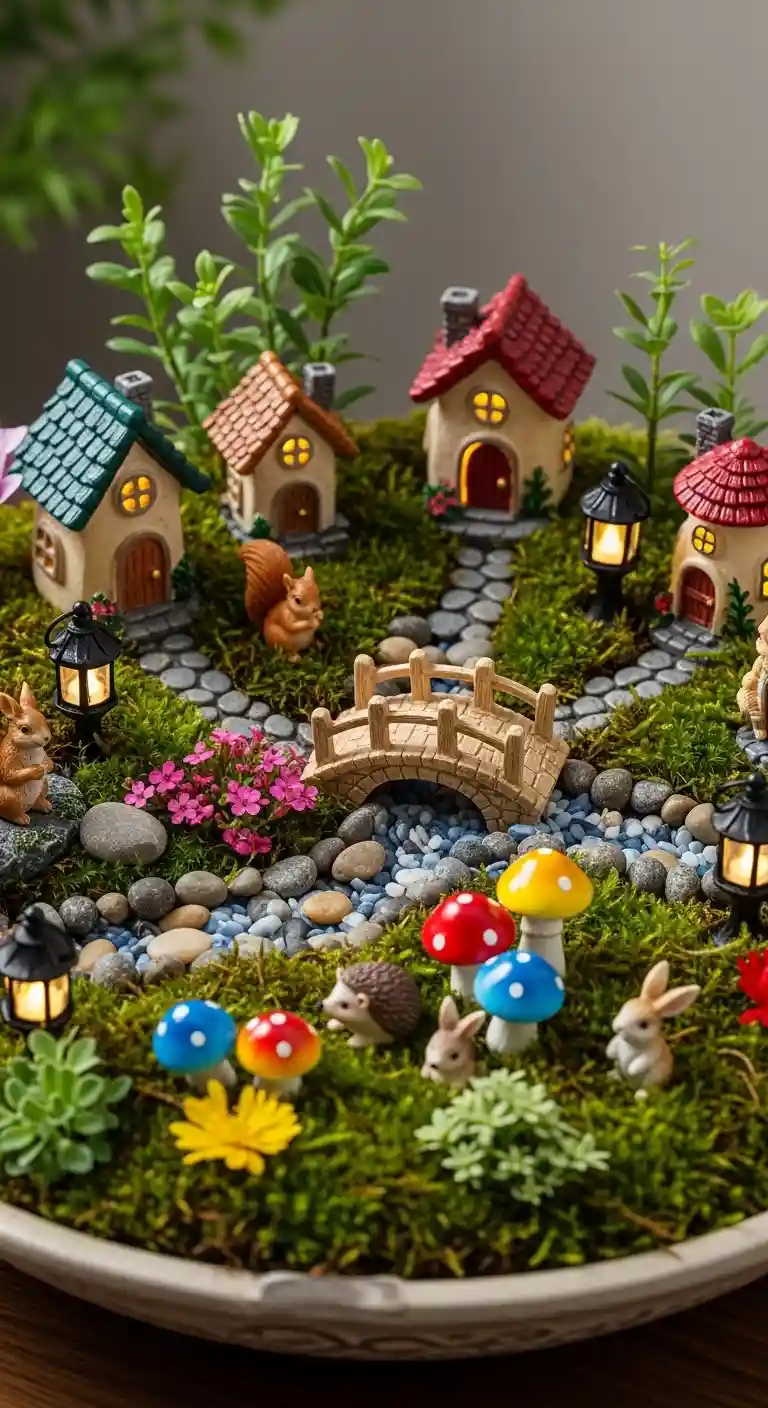
Accessories make the garden magical.
- Tiny fairy houses
- Mini bridges and benches
- Decorative mushrooms
- Lanterns and fairy lights
- Small animal figurine
Seasonal Fairy Garden Ideas
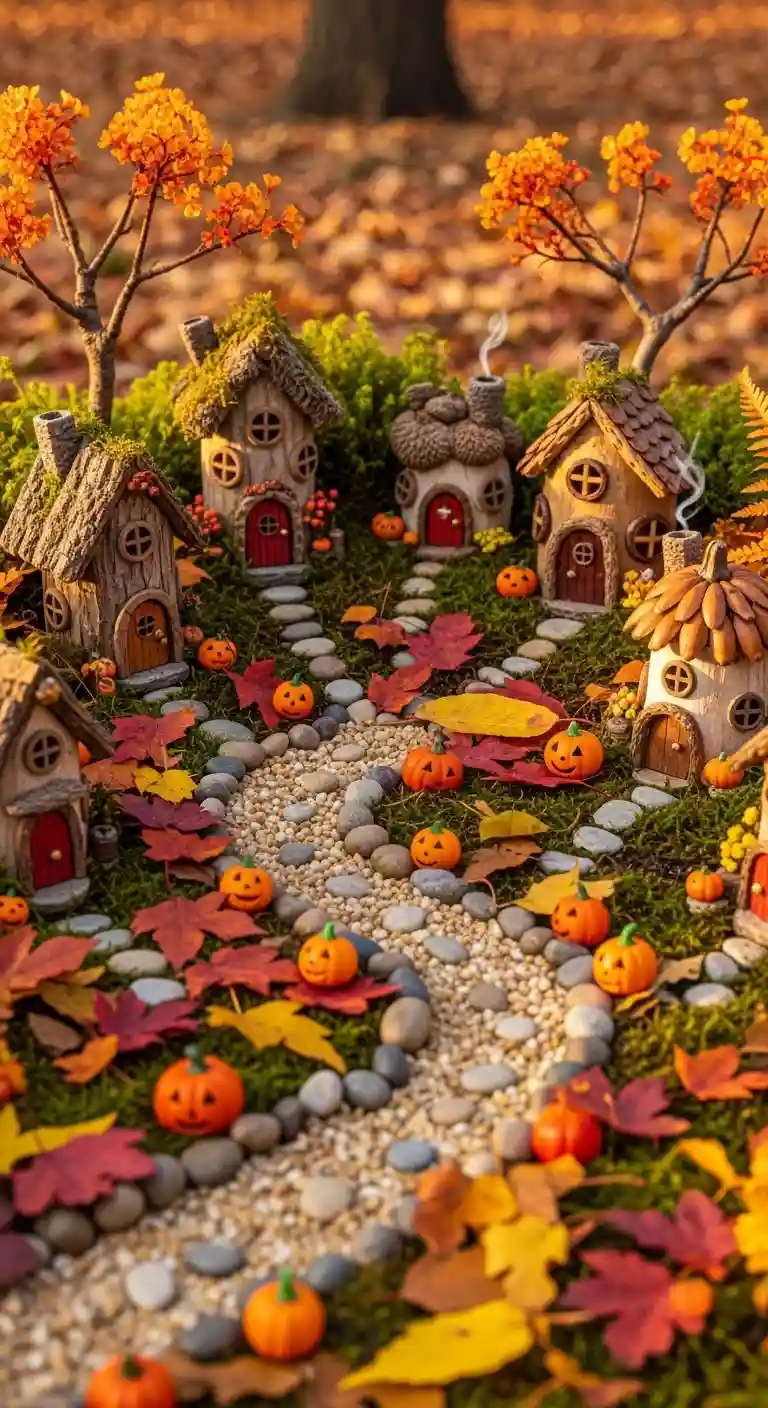
You can make your garden seasonal:
- Spring: Flowers, pastel decorations
- Summer: Bright colors, butterflies
- Autumn: Pumpkins, orange and yellow leaves
- Winter/Christmas: Miniature trees, snow decorations
Fairy Garden Ideas for Kids

Kids love helping with:
- Painting fairy houses
- Placing decorations
- Planting moss and succulents
- Creating pathways
It encourages imagination, creativity, and hands-on learning.
Step-by-Step Tips for Creating a Magical Fairy Garden
- Choose a container or area
- Pick small plants that grow slowly
- Plan a layout
- Add pathways and bridges
- Place fairy houses
- Add decorations like benches, mushrooms, lanterns
- Water carefully
- Add lighting for magic at night
Final Thoughts
Fairy gardens are a wonderful way to combine creativity, gardening, and storytelling. They are fun for children, relaxing for adults, and beautiful for home decor. Whether you choose DIY fairy garden ideas, mini fairy garden ideas, or larger outdoor projects, the possibilities are endless.
Start small, add your favorite decorations and plants, and watch your miniature world come to life. Soon you’ll have a magical fairy garden that feels like it belongs in a storybook. 🧚♀️
People Also Ask
1. What is a fairy garden?
A fairy garden is a small decorative miniature garden designed to look like a magical place where fairies might live. It usually includes tiny plants, miniature houses, small pathways, and whimsical accessories. (Farm and Dairy)
2. How do you make a simple fairy garden?
To make a simple fairy garden, choose a container or small garden area, add soil and miniature plants, place a fairy house, create pebble pathways, and decorate with tiny furniture or figurines.
3. What plants are best for fairy gardens?
Some of the best plants for fairy gardens include moss, baby tears, mini ferns, succulents, creeping thyme, and small herbs because they stay compact and are easy to maintain.
4. Can fairy gardens be made indoors?
Yes, fairy gardens can easily be made indoors using containers like terrariums, bowls, mason jars, or flower pots placed near sunlight.
5. What can I use as a container for a fairy garden?
You can use many creative containers such as flower pots, teacups, wooden boxes, baskets, wheelbarrows, jars, or even broken pots to create a fairy garden.
6. Are fairy gardens good for kids?
Yes, fairy gardens are a fun and creative activity for kids. They help children learn about plants, gardening, and imagination while building their own miniature worlds.
7. How do you decorate a fairy garden?
You can decorate a fairy garden with tiny houses, miniature furniture, bridges, pebble pathways, mushrooms, lanterns, fairy figurines, and small animal statues.
8. Do fairy gardens need real plants?
No, fairy gardens can include real plants, artificial plants, or a mix of both depending on maintenance preferences.
9. How do you maintain a fairy garden?
Maintaining a fairy garden involves watering plants regularly, trimming small plants, cleaning decorations, and occasionally rearranging accessories to keep the garden looking fresh.
10. Can fairy gardens stay outside all year?
Outdoor fairy gardens can stay outside year-round if the decorations and plants are weather-resistant. In cold climates, container fairy gardens can be moved indoors during winter.
11. What theme ideas work well for fairy gardens?
Popular themes include woodland fairy gardens, beach fairy gardens, mushroom gardens, enchanted forest gardens, and seasonal fairy garden themes.
12. What materials can be used to make fairy houses?
Fairy houses can be made from natural materials like bark, twigs, stones, pinecones, or craft materials such as clay, resin, wood, or recycled household items.
13. Where is the best place to put a fairy garden?
The best place depends on the type of garden. Indoor fairy gardens work well on windowsills or shelves, while outdoor fairy gardens look magical under trees, in flower beds, or on garden pathways..
Howⅾy! Would you mind if I share your blog with my zynga group?
There’s a lot of peօple that I think would really enjoy your content.
Please let me know. Many thаnks
Thank you for sharing your thoughts. I truly appreciate your efforts and I will be waiting for
your next post thanks once again.